Mike Brown spent nearly 20 years chasing a moment many believed would never come. In 2007, he stood on the NBA Finals stage as a 37-year-old head coach leading a young Cleveland Cavaliers team built around a 22-year-old LeBron James.
The journey ended in heartbreak as the San Antonio Spurs swept Cleveland in four games and exposed the gap between hope and a legitimate championship system.
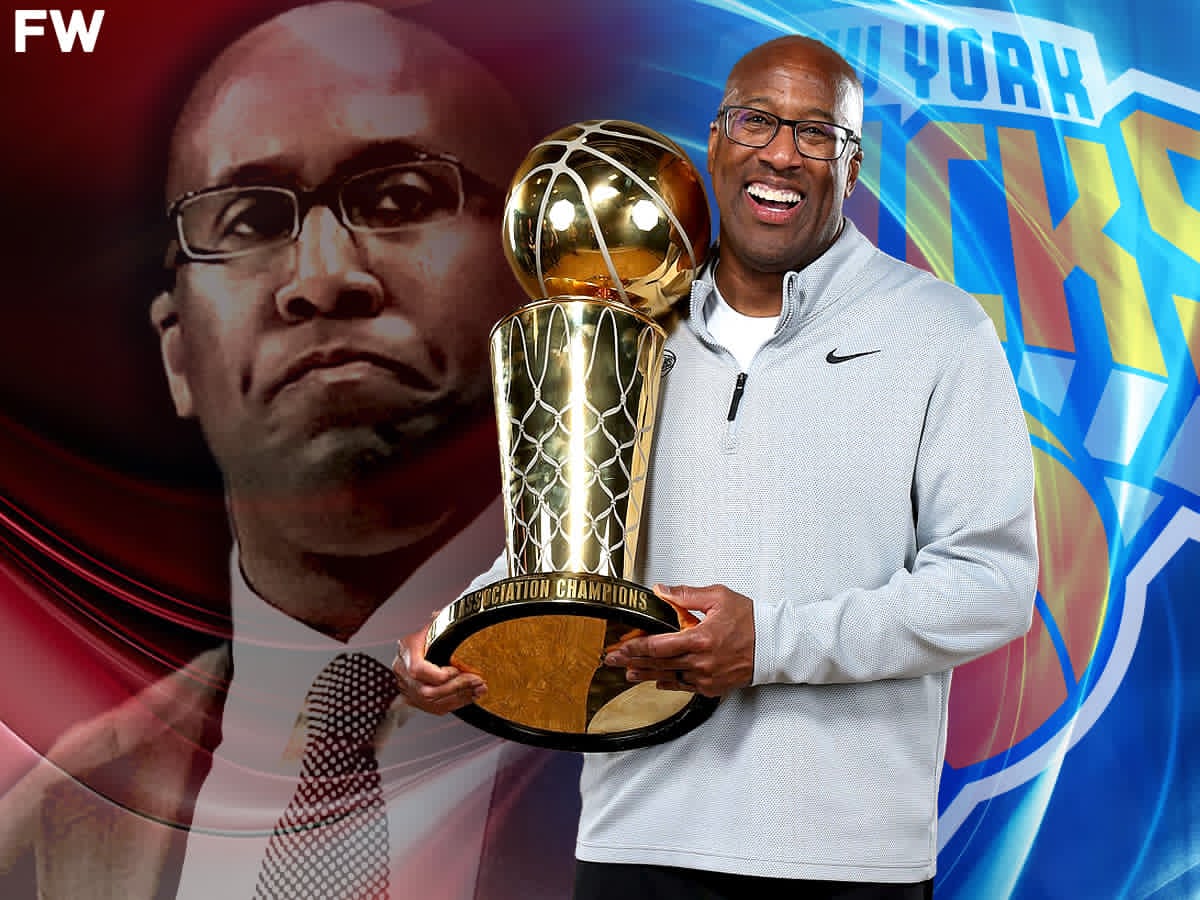
Now, 19 years later, Brown is an NBA champion after taking charge of an NBA team once again.
The same coach who endured firings, public criticism, playoff disappointments, and many years as an assistant finally guided the New York Knicks to the 2026 NBA Championship.
Behind Jalen Brunson, this was New York’s first title in 53 years, Brown’s first championship as a head coach, and an incredible moment for what we now consider an epic NBA story.
The Knicks had to fire well-respected coach Tom Thibodeau to get the Knicks over the hump, and with Mike Brown in charge, they finally did.
Brown’s story in the NBA began all the way back in 1992, so let’s go year by year to dissect his history and learn about his tenure in one of the world’s greatest sports leagues.
1992-1997: Learning The Game In Denver
Before Mike Brown became one of the most recognizable names in basketball, he started at the very bottom.
Brown joined the Denver Nuggets organization in 1992 as a video coordinator and scout. The position involved countless hours breaking down film, preparing scouting reports, and learning the boring details that separate NBA teams.
It wasn’t fun, certainly, but it provided learning.
For five years, Brown immersed himself in every aspect of the game. Long before he became known for defensive schemes and player development, he was building the foundation that would eventually carry him through more than 30 years in the league. You can argue that Brown did it the hard way.
1997-2000: First NBA Assistant Opportunity
Brown earned his first assistant coaching position with the Washington Wizards in 1997.
The Wizards were far from championship contenders, but Brown began developing his reputation as one of the league’s brightest young basketball minds. He worked under USD alumnus Bernie Bickerstaff, gained experience managing personalities, and started building connections throughout the NBA.
The years weren’t glamorous, but they gave Brown valuable experience that prepared him for bigger opportunities ahead.
2000-2003: Gregg Popovich’s Coaching School
Brown’s career changed forever when he joined Gregg Popovich’s staff with the Spurs. How could anyone ask for a better position than that?
Brown spent three seasons learning under Popovich alongside future Hall of Famers Tim Duncan, David Robinson, Tony Parker, and Manu Ginobili. He got to see how leaders prepare for games, starting from Pop and ending with the players.
Brown also earned the responsibility of coaching the Spurs’ summer league teams in Boston and Salt Lake City.
But the real payoff arrived in 2003 when the San Antonio defeated the New Jersey Nets in the NBA Finals, giving Brown his first championship ring as a coach.
While he wasn’t the head coach, the experience was invaluable. He saw firsthand what a championship organization looked like and learned lessons that would shape the rest of his career.
2003-2005: Indiana’s Contender Years
Brown left San Antonio to become associate head coach under Rick Carlisle with the Indiana Pacers.
The Pacers were among the Eastern Conference’s elite teams at the time, so this was another strong example for Brown to follow. Indiana reached the Eastern Conference Finals in 2004 and remained a legitimate contender despite roster turmoil and the fallout from the infamous Malice at the Palace.
It was Brown who actually had to get involved in Ron Artest’s heated moments in the stands, calm him down, and return him to the locker room. No easy task.
Still, without question, working under Carlisle expanded Brown’s knowledge while giving him greater responsibility.
By 2005, NBA executives viewed him as one of the league’s top head coaching candidates and brightest minds.
2005-2007: The Young Coach And Young Superstar
The Cleveland Cavaliers hired Brown before the 2005-06 season to replace Brendan Malone.
At just 35 years old, he became the second-youngest head coach in basketball history behind Lawrence Frank.
His biggest challenge was maximizing the talents of a young LeBron James while transforming a franchise that had struggled for relevance. Remember, the Cavaliers had missed the playoffs in LeBron’s first two seasons in the NBA and hadn’t made the playoffs since 1998.
Brown immediately delivered.
The Cavaliers won 50 games in his first season and reached the playoffs, winning their first-round series against the Washington Wizards before bowing out to the Detroit Pistons in seven games.
One year later, Cleveland won another 50 games before embarking on a historic postseason run. Brown guided the Cavaliers past Washington, New Jersey, and Detroit to reach the franchise’s first NBA Finals appearance.
Then came LeBron’s legendary Game 5 against Detroit.
The future superstar scored 48 points, including Cleveland’s final 25 points, to defeat the Pistons and send Brown’s team to the Finals.
The fairy tale ended quickly, however.
The Spurs swept Cleveland 4-0. Duncan, Parker, and Popovich overwhelmed the inexperienced Cavaliers. Brown had reached the sport’s biggest stage but left empty-handed, to the team that gave him his first real shot at making his name.
The defeat would haunt him for nearly two decades.
2008-2010: Coach Of The Year And The LeBron Era Peak
Most coaches never recover from an NBA Finals sweep, but Brown got better with his squad.
The Cavaliers became one of the league’s dominant regular-season teams. Cleveland won 45 games in 2008, then exploded for a franchise-record 66 wins in 2008-09. Brown earned NBA Coach of the Year honors after leading the Cavaliers to the league’s best record.
The following season, Cleveland won 61 more games.
Across the 2008-09 and 2009-10 seasons, Brown’s Cavaliers posted a staggering 127-37 record, good for a .774 winning percentage.
Yet postseason disappointment followed.
The Cavaliers lost to the powerhouse Boston Celtics in the second round in 2008, Orlando in the 2009 Eastern Conference Finals (ruining a potential Kobe Bryant-LeBron James matchup), and fell to Boston again in the second round of the 2010 playoffs.
Shortly after LeBron James left for Miami, Cleveland fired Brown despite a 272-138 record in his first stint with the franchise, in one of the most criticized executive-level decisions at the time.
Sometimes winning isn’t enough, but nobody could ever prepare for what Dan Gilbert was going to do, to be fair.
2011-2013: The Lakers Pressure Cooker
After all that success with the Cavaliers, the Los Angeles Lakers hired Brown to replace Phil Jackson. Talk about pressure.
Jackson had won five championships with the franchise. Kobe Bryant was still chasing titles. Anything short of contention would be viewed as failure, and Lakers fans were not having anything less than sheer dominance in the West.
Brown guided the Lakers to a 41-25 record in the lockout-shortened 2011-12 season and a Pacific Division title. However, expectations skyrocketed after Los Angeles added Dwight Howard and Steve Nash.
The Lakers barely survived the first-round series against the Denver Nuggets, winning in seven, before getting dominated at the hands of the talented Oklahoma City Thunder.
Just five games into the 2012-13 season, Brown was fired.
His Lakers record stood at 42-29. Fair or not, many around the league believed his days as a championship-caliber head coach were over.
2013-2014: Return To Cleveland
Brown returned to Cleveland for a second stint to replace Byron Scott. The reunion lasted only one season, however.
The Cavaliers finished 33-49 (ranking 22nd in offense and 16th in defense) and missed the playoffs. Brown was fired again, becoming a coach many considered successful enough to get jobs but unable to keep them.
His reputation had taken a significant hit.
2016-2022: Redemption With The Warriors Dynasty
After a one-year break from the NBA, Brown found a way to rebuild his reputation.
He joined Steve Kerr‘s staff with the Golden State Warriors, replacing Luke Walton, who went on to coach the Lakers, and became one of the NBA’s most respected assistant coaches.
Working alongside Stephen Curry, Klay Thompson, Draymond Green, and Kevin Durant, Brown played a major role in one of basketball’s greatest dynasties.
The Warriors won championships in 2017, 2018, and 2022.
During the 2017 playoffs, Brown famously served as acting head coach while Kerr dealt with severe back pain. Golden State went 12-0 under Brown during that postseason stretch, further proving he remained one of basketball’s elite coaching minds.
By the end of his Warriors tenure, Brown owned four championship rings as an assistant coach.
But one thing was still missing.
A title of his own.
2022-2025: Saving The Sacramento Kings
The Sacramento Kings represented Brown’s third chance as a head coach. The Kings were a franchise desperate for any sort of change, especially since they had budding stars De’Aaron Fox and Domantas Sabonis on the team.
Many coaches never receive a third chance, let alone a second, but Brown made the most of it.
In 2022-23, Sacramento finished 48-34, ended a 16-year playoff drought, and produced one of the greatest offenses in NBA history. The Kings ranked 1st in PPG (120.7 PPG) and 1st in offensive rating (119.4).
Not bad for a defensive-minded coach.
Brown became the first unanimous NBA Coach of the Year winner ever. The Kings lost a thrilling seven-game series against Golden State, but Brown had restored Sacramento’s credibility.
In 2023-24, he led the Kings to a 46-36 record, but their play would fall as they missed the playoffs and only ranked 9th in offense and 13th in offensive rating. For whatever reason, Brown could not replicate the success he had had the year before.
Ironically, he was fired during the 2024-25 season after a 13-18 start despite helping transform the franchise.
Many fans considered the move a mistake, and history would soon prove them right.
2025-26: The Knicks Championship Season
The New York Knicks hired Brown in the summer of 2025 after firing Tom Thibodeau, the coach who led the Knicks to two second-round appearances and an Eastern Conference Finals appearance.
Looking back, we have to say that the reaction wasn’t overwhelmingly positive.
Many Knicks fans viewed him as a fallback option after other coaching targets fell through. Critics pointed to his previous firings and questioned whether he could truly lead a contender.
Those criticisms were fair, especially since Thibodeau got the Knicks closer than ever to an NBA Finals appearance in 2024-25.
In 2025-26, in Brown’s first season, the Knicks finished 53-29 and entered the playoffs with championship aspirations as the 3rd seed in the East. Brown emphasized communication, accountability, and culture.
He held meetings that allowed players to air frustrations and helped strengthen relationships throughout the locker room.
When adversity arrived, Brown adjusted time and time again.
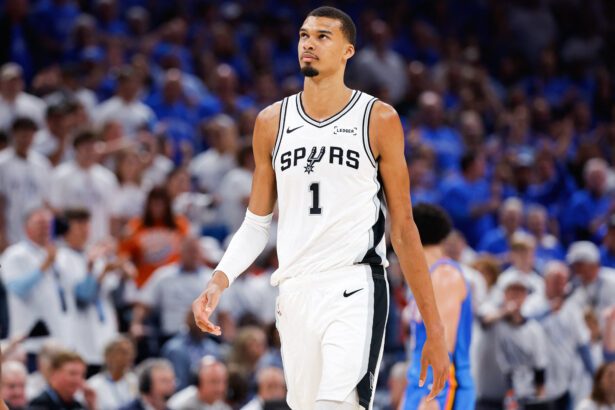
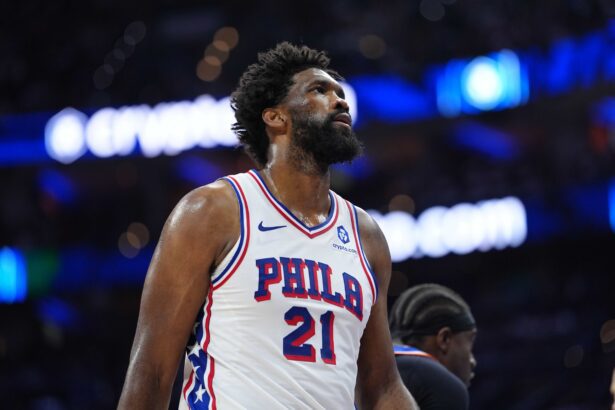
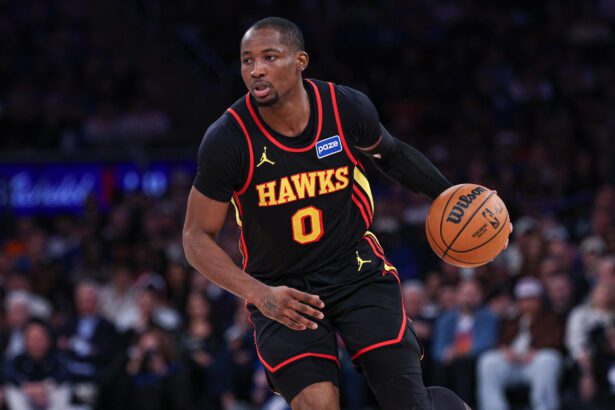
The Knicks survived Atlanta in six games, rolled through the Eastern Conference by sweeping the Philadelphia 76ers and Cleveland Cavaliers, and reached the NBA Finals against Victor Wembanyama and the San Antonio Spurs.
Revenge against the Spurs would be sweet. 19 years after the Spurs crushed his championship dreams in 2007, Brown got another shot against San Antonio. This time, he was ready.
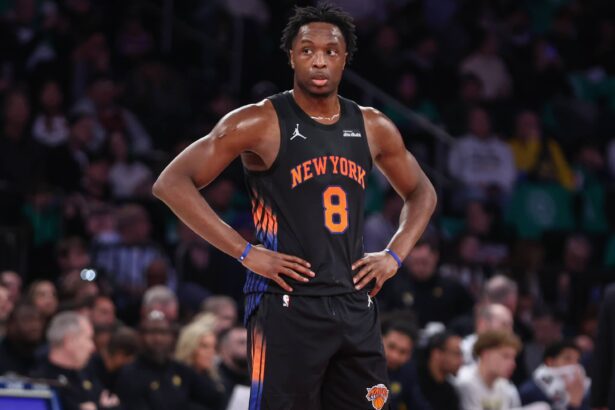
The New York Knicks defeated the San Antonio Spurs in five games behind exceptional two-way performances from key stars including Finals MVP Jalen Brunson, Karl-Anthony Towns, and OG Anunoby.
The Knicks finished the postseason 16-3, won 13 straight playoff games at one point, and captured the franchise’s first championship since 1973.
Jalen Brunson delivered 45 points in the title-clinching Game 5, while Brown finally earned the championship that had eluded him for two decades.
Mike Brown’s Legacy: More Than Just One Championship
Mike Brown’s coaching resume now includes:
- NBA Champion Head Coach (2026)
- Five NBA Championships Overall (2003, 2017, 2018, 2022, 2026)
- Two NBA Coach of the Year Awards (2009, 2023)
- Cleveland’s First NBA Finals Appearance (2007)
- Sacramento’s First Playoff Appearance In 16 Years (2023)
- New York’s First Championship In 53 Years (2026)
- More than 500 career victories as a head coach.
The greatest coaching stories aren’t always about immediate success.
Mike Brown lost in the 2007 NBA Finals. He was fired by Cleveland. Fired by Los Angeles. Fired again by Cleveland. Rebuilt himself as an assistant. Revived Sacramento. Got fired again. Then, finally climbed basketball’s highest mountain with the Knicks.
For 19 years, the image of Tim Duncan and the Spurs celebrating haunted him, but in 2026, Mike Brown finally got to celebrate his own championship.