Game 1 starts at Paycom Center on Monday, May 18, at 8:30 p.m. ET, and this is the biggest Western Conference Finals matchup possible. The Thunder are 8-0 in the playoffs. The Spurs arrive after closing out the Timberwolves in six games. The main matchup is simple: Shai Gilgeous-Alexander against Victor Wembanyama, the MVP against the runner-up, and the best offense left against the most disruptive defensive player in the postseason.
Gilgeous-Alexander is averaging 29.1 points and 7.1 assists in the playoffs on 63.1% true shooting. Chet Holmgren is at 18.6 points and 9.1 rebounds, while Ajay Mitchell has been one of the biggest breakout players in the postseason at 18.8 points, 4.9 assists, and 4.0 rebounds. The Thunder are also getting Jalen Williams back after he missed the last six games with a left hamstring strain.
Wembanyama enters Game 1 averaging 20.3 points, 10.7 rebounds, 4.1 blocks, and 2.4 assists in 10 playoff games, shooting 53.8% from the field, 34.1% from three, and 84.5% at the line. His on-court impact has been massive. The Spurs are scoring 118.3 points per 100 possessions and allowing 96.4 with him on the floor. Without him, those numbers fall to 112.2 on offense and 105.1 allowed. That is a 14.8-point swing.
Injury Report
Thunder
Thomas Sorber: Out For Season (right ACL surgical recovery)
Spurs
De’Aaron Fox: Questionable (right ankle soreness)
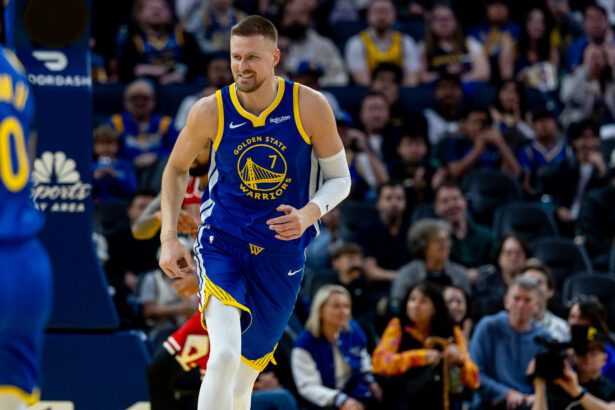
Luke Kornet: Questionable (left foot soreness)
Williams is available for the Thunder after being removed from the injury report. Fox and Kornet are questionable for the Spurs.
Why The Thunder Have The Advantage
The Thunder have the advantage because their playoff offense has been the best unit left. They are 8-0, and they are scoring 12.0 more points per 100 possessions than their opponents allowed in the regular season. That is not only Gilgeous-Alexander. It is the whole rotation. The Thunder are creating pressure from starters, bench guards, spacing bigs, and transition defense.
The depth is the first Game 1 problem for the Spurs. The Thunder starters have a plus-11.3 net rating in the playoffs. Their reserves are plus-7.8. That is rare. Most playoff teams survive bench minutes. The Thunder win them. They have played 10 players at least 10 minutes per game, and nine players average at least 6.5 points. That matters because the Spurs have been more dependent on Wembanyama controlling both ends.
Williams’ return changes the matchup. He gives the Thunder another wing creator, defender, and second-side passer. In his two playoff games before the hamstring injury, he averaged 20.5 points, 5.0 assists, 4.0 rebounds, and 1.0 steals in 26.0 minutes. If he is close to normal, the Spurs cannot treat this like only SGA and Holmgren.
The Thunder should also attack Kornet’s weakness. If Kornet is limited or out, the Spurs’ backup center minutes become a problem. Wembanyama can handle Holmgren and Isaiah Hartenstein in long stretches, but the non-Wembanyama minutes are where the Thunder can push pace, crash, and force smaller Spurs lineups into decisions. Hartenstein is averaging 9.9 points and 8.8 rebounds while shooting 75.6% in the playoffs. That is a real bench-frontcourt edge.
The first adjustment for the Thunder is spacing Wembanyama out. Holmgren can pull him above the break. Hartenstein can screen and force him into coverage decisions. SGA will hunt the middle, but he cannot just attack Wembanyama at the rim all night. The Thunder need drives into kickouts, early slips, and weak-side threes. If Wembanyama is allowed to stay near the basket, the Spurs can make this game ugly.
Why The Spurs Have The Advantage
The Spurs have the one defender who can change the Thunder’s game plan. Wembanyama is blocking 4.1 shots per game in the playoffs, but the real difference is the rim attempts he prevents. Teams stop driving the same way when he is on the floor. That is the Spurs’ Game 1 path. Make the Thunder take more floaters, more mid-range jumpers, and fewer clean rim attempts.
The Spurs also have enough guard pressure to challenge the Thunder if Fox plays. De’Aaron Fox is averaging 18.8 points, 5.8 assists, 3.5 rebounds, and 1.1 steals in 33.2 minutes during the playoffs. He has been playing through the ankle issue, but he still had 21 points and nine assists in 24 minutes in the Game 6 closeout against the Timberwolves.
Stephon Castle is the other major point. He gives the Spurs size at guard and another body to throw at Gilgeous-Alexander. The Spurs do not have to stop SGA. They have to make him work. Castle, Fox if available, Devin Vassell, and Wembanyama behind them give the Spurs more defensive layers than the Lakers had in the previous round.
The Spurs can also attack the Thunder’s smaller guard lineups with size. Wembanyama can score over switches. Castle can post smaller guards. Vassell and Julian Champagnie can punish late rotations. The Thunder are deeper, but the Spurs have a clear matchup advantage if they force the game into the half-court and play through Wembanyama as a hub.
The biggest Game 1 need is low turnovers. The Thunder are too good in transition. Live-ball mistakes against SGA, Mitchell, Cason Wallace, Alex Caruso, and Holmgren become points immediately. The Spurs cannot win Game 1 if Fox and Castle combine for careless possessions early.
X-Factors
Jalen Williams is the first Thunder X-factor. He is available after missing six games, but rhythm matters. If he gives the Thunder 16-20 points, secondary creation, and strong defense, the Spurs’ coverage becomes much harder. If he looks rusty, the Spurs can shade more help toward SGA and Holmgren.
Ajay Mitchell is another major Thunder X-factor. He is averaging 18.8 points, 4.9 assists, and 4.0 rebounds in the playoffs. That production matters even more because Williams missed time. If Mitchell keeps scoring against bench units, the Spurs will not get enough relief when Wembanyama sits.
De’Aaron Fox is the Spurs’ key variable. If he plays close to normal, the Spurs have a real second creator next to Wembanyama. If the ankle limits him, the Spurs become easier to load up against. Fox’s downhill pressure is the best way to keep the Thunder from setting their defense.
Luke Kornet is important because of the non-Wembanyama minutes. He is averaging 5.6 points, 5.0 rebounds, and 1.2 blocks in 16.5 minutes during the playoffs. Those numbers are not huge, but his size protects the Spurs’ structure. If Kornet cannot play, the Spurs need smaller lineups to survive against Hartenstein and Holmgren.
Prediction
The Spurs have a real path because Wembanyama can bend the game defensively. They can make the Thunder work harder at the rim than any team has in these playoffs. If Fox plays well, Game 1 can be close into the fourth quarter.
Still, the Thunder are the stronger Game 1 pick. They are rested, unbeaten, deeper, and now get Williams back. Their bench has been elite, their offense has been above every opponent’s normal defensive level, and SGA has been efficient without needing forced scoring nights.
Prediction: Thunder 114, Spurs 110