Some nights just feel heavier than the numbers suggest, and this was one of them.
In a game that swung back and forth and didn’t get decided until the final seconds of overtime, the Denver Nuggets reminded everyone why they’re still one of the most difficult teams to deal with in the Western Conference. Nikola Jokic put together another absurd triple-double, Jamal Murray delivered when the pressure peaked, and Denver escaped with a 128-125 overtime win over a Rockets team that never stopped coming.
From the opening tip, the game had a playoff edge to it. It was physical. It was emotional. Every possession felt earned. Houston landed plenty of punches behind big nights from Alperen Sengun and Kevin Durant, but when the game tightened and execution mattered most, Denver leaned on its stars, made a few more plays, and walked out with its fifth straight win.
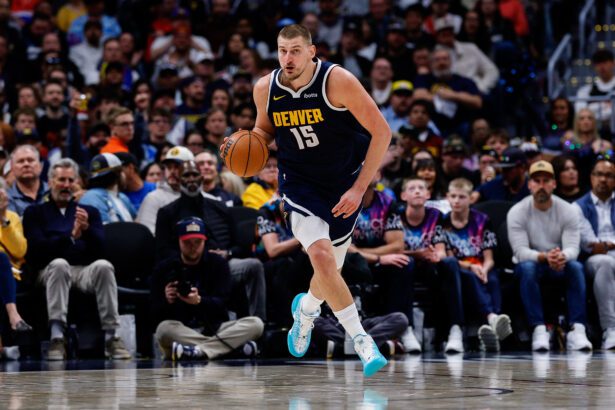
Nikola Jokic Is In A Different Stratosphere Right Now
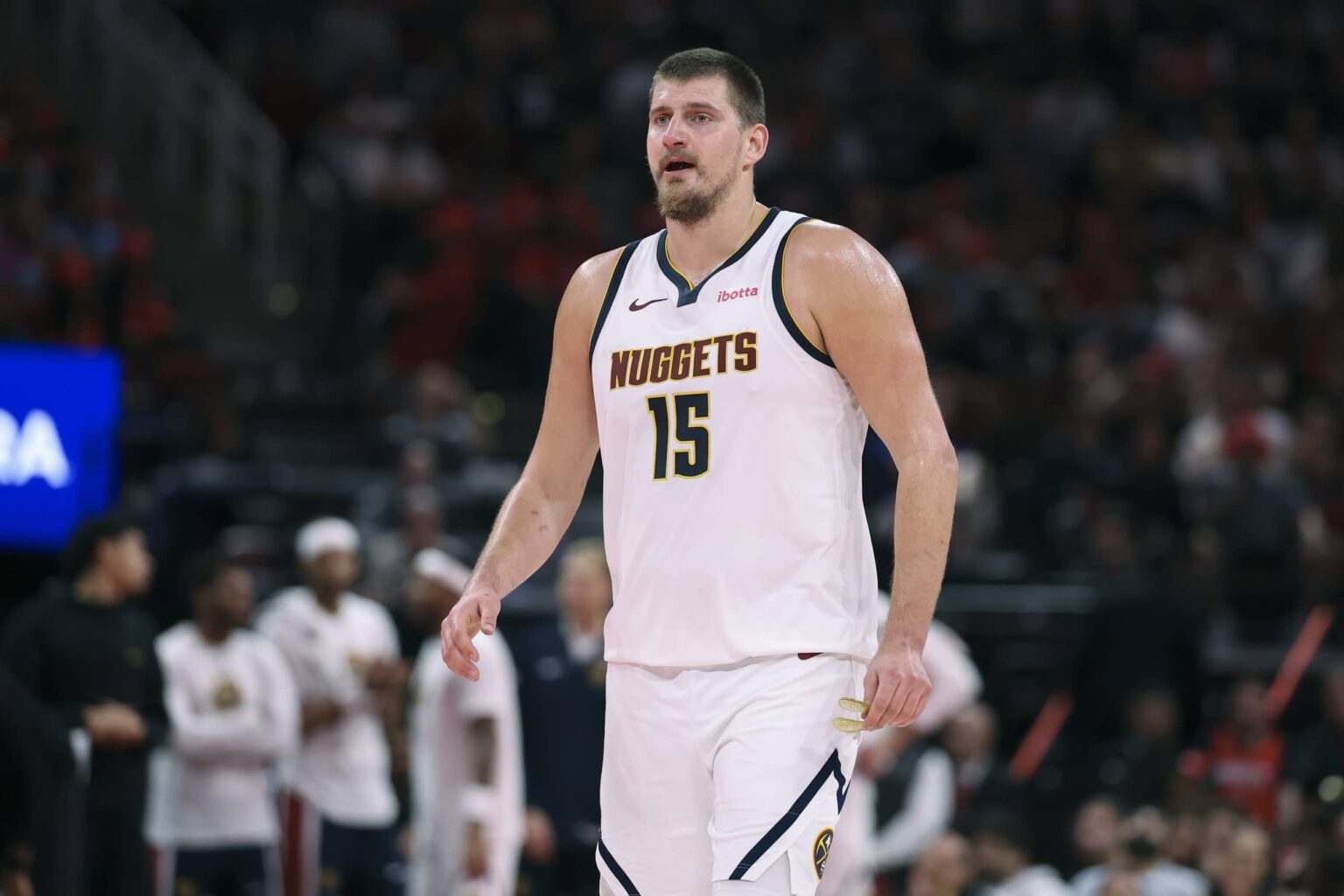
At this point, Nikola Jokic’s stat lines almost sound made up. He finished with 39 points, 15 rebounds, and 10 assists, shooting 13-of-27 from the floor and knocking down five threes. It was his 12th triple-double of the season, and it came in one of Denver’s most physical games yet.
He backed defenders down in the post, stepped into trail threes without hesitation, and punished double teams with quick, decisive passes. He logged 42 hard minutes and never looked rushed, even as the Rockets threw size, length, and constant help his way.
What stood out most wasn’t just the production, but the control. Jokic grabbed offensive rebounds, blocked shots, picked off passes, and still managed to keep Denver organized when the game started to feel chaotic. Even after his potential game-winner at the end of regulation came up short, he never lost command of the moment.
In overtime, Jokic slowed everything down. He trusted his teammates, made Houston choose between bad options, and consistently put Denver in the right spots. This wasn’t just a big night – it was a reminder that when games turn into chess matches, Jokic is usually a few moves ahead.
Jamal Murray Will Always Be Denver’s Closer
If Jokic set the tone, Jamal Murray finished the job.
Murray poured in 35 points on efficient shooting, went 3-of-5 from three, and spent the night attacking the rim and earning trips to the free-throw line. He missed just one of his 15 attempts, and many of them came with the game hanging in the balance.
The defining moment came late in regulation. With Denver trailing, Murray calmly stepped to the line after an away-from-play foul and knocked down a free throw with 2.3 seconds left to force overtime. No hesitation. No drama.
Once the extra period started, Murray took over. He scored six of Denver’s 11 overtime points, finished through contact, and kept answering Houston every time it threatened to flip the game. Beyond the scoring, his composure mattered. He handled the ball, limited mistakes, and made the right reads when the Rockets loaded up on Jokic.
When games get tight and the pressure rises, Denver still has one of the league’s most reliable closers. Murray proved that again.
The Supporting Cast Stepped Up, Even If It Seemed Like They Didn’t
The box score will tell you this was a Jokic-and-Murray night, and it was. But Denver doesn’t survive this game without help.
The Nuggets knocked down 15 threes and shot 44 percent from deep, an edge that mattered in a three-point game. Cameron Johnson chipped in 13 points and spaced the floor all night. Spencer Jones gave Denver real minutes, protecting the rim, blocking shots, and drilling a massive three in overtime that briefly pushed the lead to seven.
Bruce Brown barely scored, but he was everywhere else. He pulled down nine rebounds, handed out four assists, and came up with three steals that disrupted Houston’s rhythm. Jonas Valanciunas was efficient inside in a limited run, while Tim Hardaway Jr. added 13 points and provided enough spacing to keep Houston from fully collapsing on Jokic.
Even though Denver lost the rebounding battle, it made up for it in other ways. The Nuggets forced 16 turnovers, turned those mistakes into points, and went 27-of-33 at the free-throw line. Those small edges, defensive activity, shot-making, and late-game execution added up.
When the margin for error disappeared, Denver simply executed better. It’s a familiar outcome when this group is healthy, composed, and leaning on the right people at the right time.