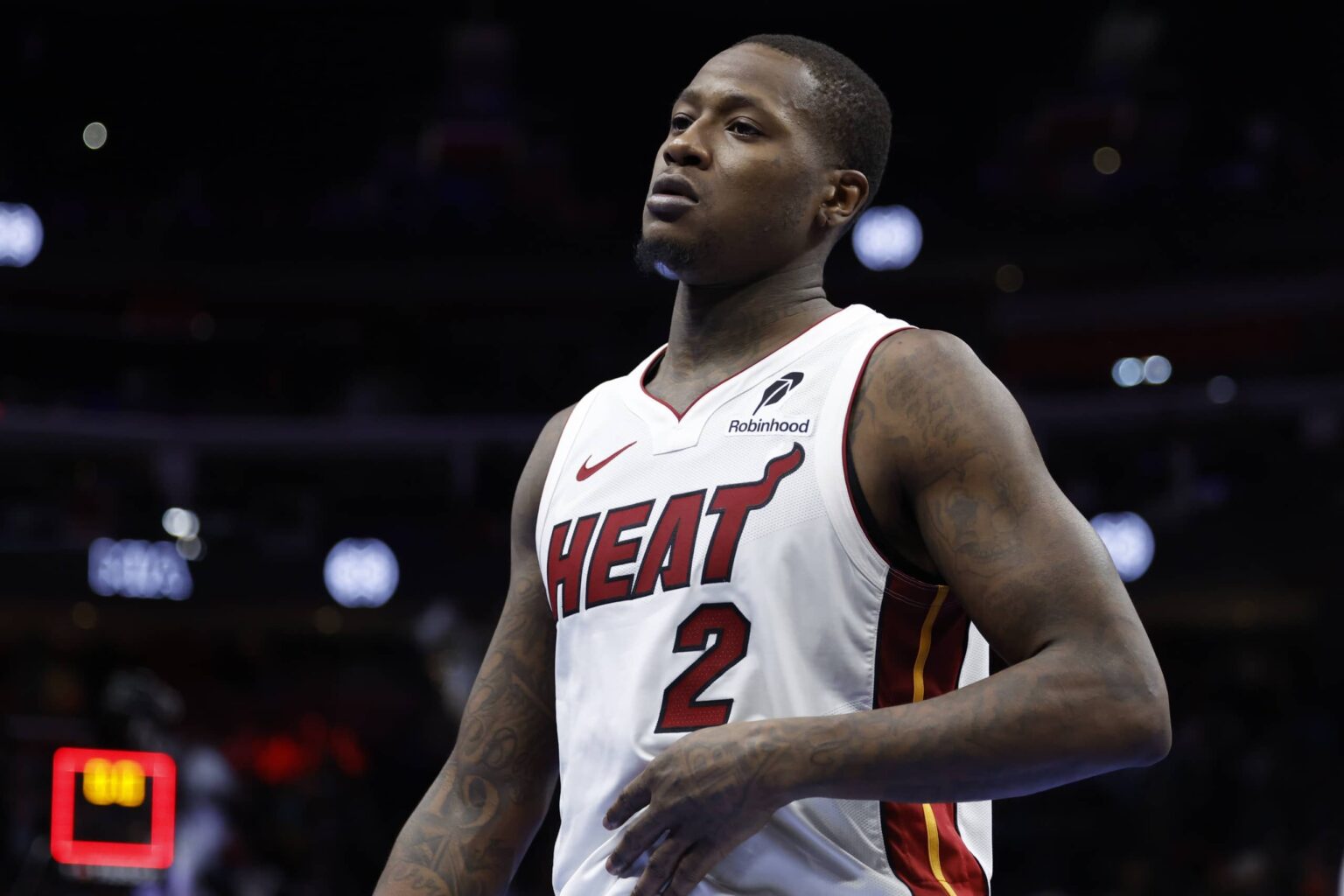
The Heat are sitting at 28-26 and eighth in the East, right in that messy tier where one extra reliable rotation piece can swing a week, and a bad week can swing a month. They are locked into the play-in zone right now, and the margins have been thin most of the season.
The trade deadline came and went without the Heat making a move. The Heat were one of the few teams that stayed put, which basically tells you where this is headed if there’s another roster shakeup, like potentially waiving Terry Rozier and his $26.6 million deal amid the league suspension.
So if Rozier gets waived, the Heat’s pathway is not a big swing. It’s the buyout and waiver market, plus minimum deals that can still survive playoff minutes. The names below are not entirely fantasy. Some of them have already been waived, or their team situation makes a release realistic, with a clean on-court argument for why the Heat should care.
So here are five players in the buyout market that could realistically make sense as a new Heat addition.
Chris Paul
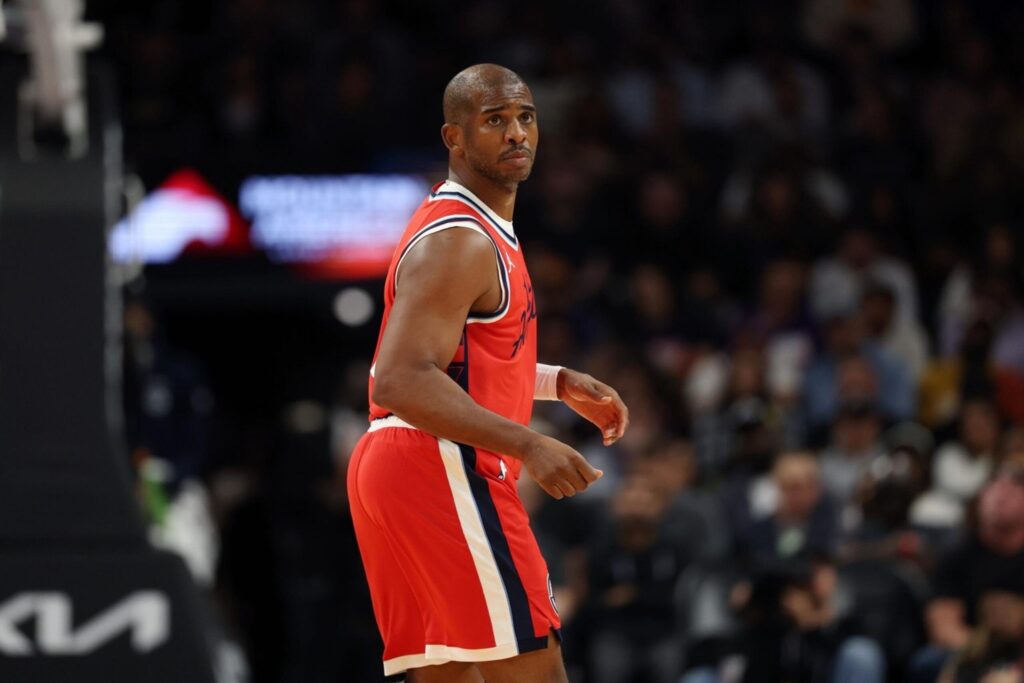
Chris Paul is the most “real” buyout target on the board because the reporting already did half the work. In the multi-team trade that sent him from the Clippers to the Raptors, Paul would not be required to report and could be waived. That is basically the league’s loudest hint without the transaction actually happening yet.
The other key piece is the timeline. Earlier this season, Paul said this would be his final NBA season. If he’s picking his last stop, it’s going to be about role clarity and a team that actually needs his brain after a messy fallout with the Clippers, who sent him home for the entire first half of the season.
Paul’s 2025-26 production has been tiny: 2.9 points, 1.8 rebounds, 3.3 assists in 14.3 minutes, shooting 32.1% from the field and 33.3% from three. That looks ugly if you’re expecting a scorer. It looks usable if you’re signing a late-season stabilizer who can run an offense without turning it into chaos.
Contract-wise, this is clean. Paul signed a $3.6 million minimum deal, and he’s headed for free agency after splitting with the Clippers, and now potentially the Raptors. There’s no complicated leverage, and almost no suitor that’s chasing him right now.
The Heat fit is simple: Paul becomes the adult in the room for the non-Bam Adebayo minutes, and the guy who can keep possessions organized when the offense bogs down late in quarters without Tyler Herro.
The Heat have been living on thin margins, and Paul’s value is that he reduces empty trips. You are not asking him to beat defenders anymore. You’re asking him to get the ball to the right spots, keep the pace under control, and turn a shaky bench unit into something that can survive.
The risk is also obvious. At this stage, Paul is not providing rim pressure, and if the jumper isn’t falling, he can get played off the floor in certain matchups. But if the Heat’s goal is to replace Rozier’s volatility with decision-making, Paul is the cleanest “one job, do it well” option in the buyout class.
Lonzo Ball
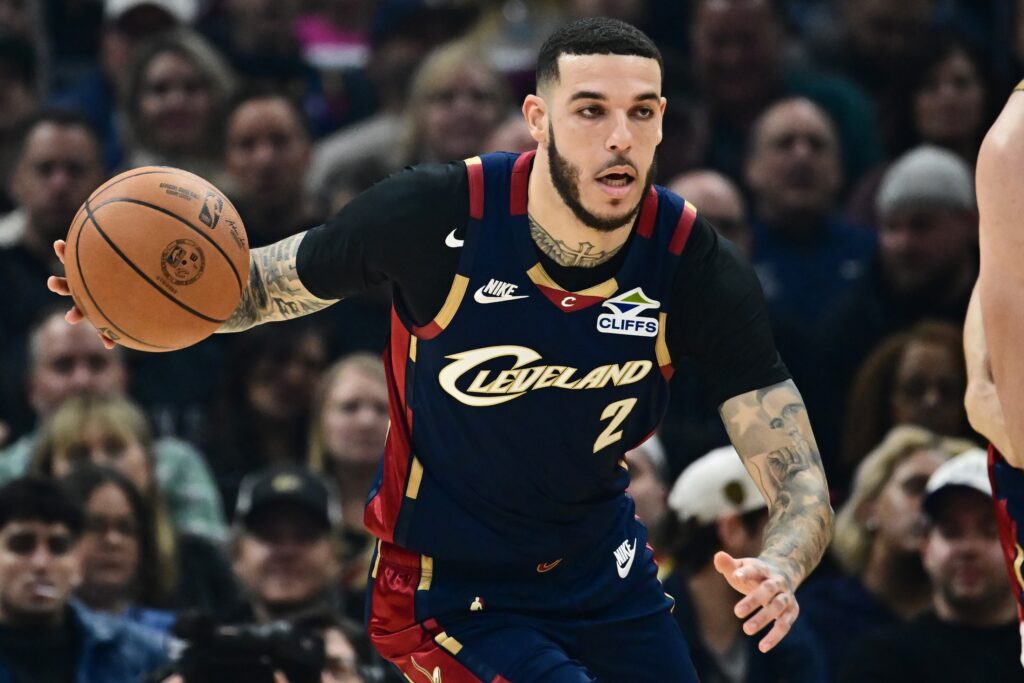
Lonzo Ball is already basically at the finish line of the process. ESPN reported the Jazz were expected to waive him after acquiring him from the Cavaliers, which would immediately put him in reach for contenders.
The Golden State Warriors are already eyeing him in a potential free agent move, as Jake Fischer reported, and with Cam Thomas and Mike Conley signing deals recently, Ball is one of the most sought-after candidates.
The numbers explain why he’s gettable. Ball is at a career-low 4.6 points, plus 4.0 rebounds and 3.9 assists, while shooting 30.1% from the field and 27.2% from three. That’s brutal. It’s also the kind of brutal that can become a value play if you stop pretending he’s a shooter and start using him as a connector and defender.
So why the Heat? Because the Heat doesn’t need him to be a scorer. They need another perimeter defender who can guard up a position, generate steals, and keep the ball moving. Ball is still averaging 3.9 assists in 20.8 minutes, which tells you the processing and vision are still alive even in a bad shooting season.
If you’re mapping his role, it’s a low-usage guard spot that keeps lineups functional. He pushes the ball ahead, makes the simple pass, screens, cuts, and defends. You’re also betting the Heat’s shooting infrastructure can rebuild something. Even getting him to “not a liability” as a catch-and-shoot threat changes the equation, because defenders can’t fully ignore him if he’s willing to let it fly.
There’s a second angle too: lineup versatility. Ball can play next to another handler in Tyler Herro or Norman Powell, because he doesn’t need the ball to impact the game, and he can take the tougher guard assignment, so the Heat can keep other guards out of foul trouble. If Rozier is gone, the Heat doesn’t have to replace his points directly. They can replace the minutes with a different kind of player and rebalance the team.
The downside is massive, and you have to say it out loud. A guard shooting 27.2% from three can sink spacing, and the Heat offense can’t afford lineups where the floor shrinks. But if Ball is truly available at buyout pricing, the Heat are one of the few teams that can justify the gamble because the role is clear and the upside is still tied to defense and decision-making, not shot creation.
Chris Boucher
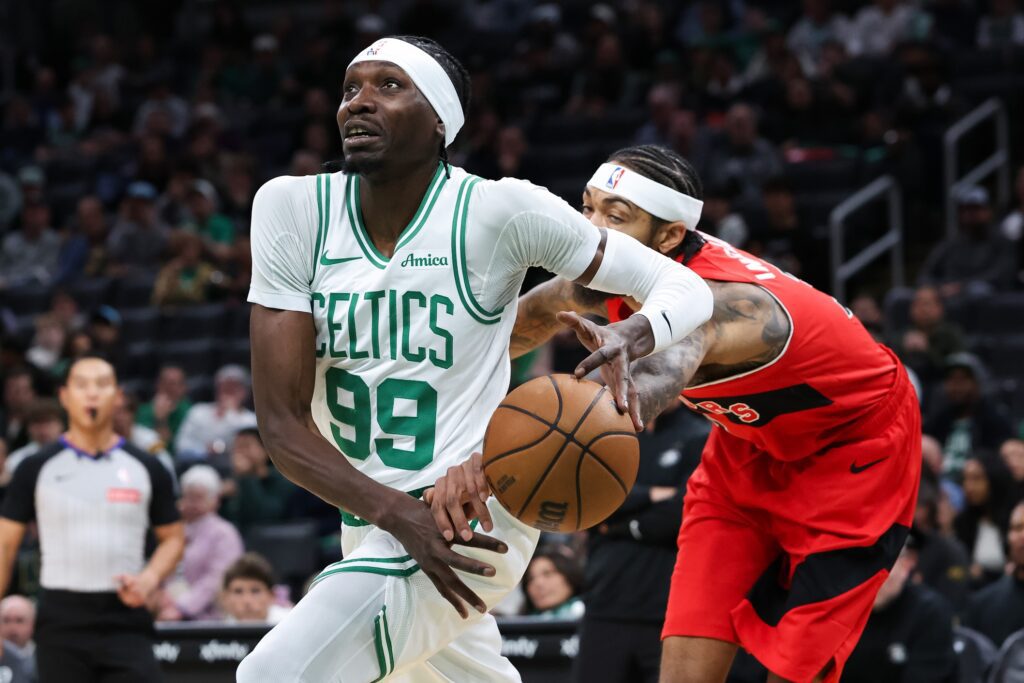
Chris Boucher is the kind of buyout flier contenders chase because he fills a very specific job: energy big who can play fast, block shots, and survive in short bursts without needing plays called for him. He was moved to the Jazz from the Celtics, and had barely played this season, appearing in nine games and averaging 2.3 points and 2.0 rebounds in 10.4 minutes. His season line matches that usage and includes the ugly shooting splits: 32.0% from the field and 13.3% from three.
On paper, that looks like “why bother.” In reality, it’s exactly why he’s obtainable. The market isn’t paying for what Boucher has been this season. It’s paying for what he can be when he’s in the right environment, in a narrow role, with a team that can cover for his weaknesses.
The reporting angle here is direct. Michael Scotto reported the Jazz planned to waive him after acquiring him, which is the type of clean availability you need.
For the Heat, the fit is about frontcourt minutes that don’t collapse your defensive activity level. The Heat can build lineups around Bam Adebayo, but they still need coverage for the minutes when he sits or when the matchup demands extra length around Kel’el Ware. Boucher gives you that without forcing you into slow, bruising basketball. He runs, he contests, he can switch in spots, and he can be part of a high-motor defensive group that wins with activity.
The offensive question is whether he can be playable. This season, the jumper has been a mess in a small sample. But you can still use him as a dive-and-crash big, a weakside cutter, and a guy who punishes teams for going small by attacking the glass and flying into open space. The Heat doesn’t need him to be a stretch big. They need him to keep possessions alive and not blow assignments.
The postseason lens is where Boucher is either a win or a waste. If opponents can drag him into a series and force constant decision-making in space, he can get exposed. If the Heat can keep his role tight, he becomes the kind of “eight minutes that matter” piece that changes a bench stretch. That’s the bet: not that he’s suddenly a 30-minute player, but that he can give the Heat one more functional frontcourt option when matchups get weird, and the games slow down.
Mason Plumlee
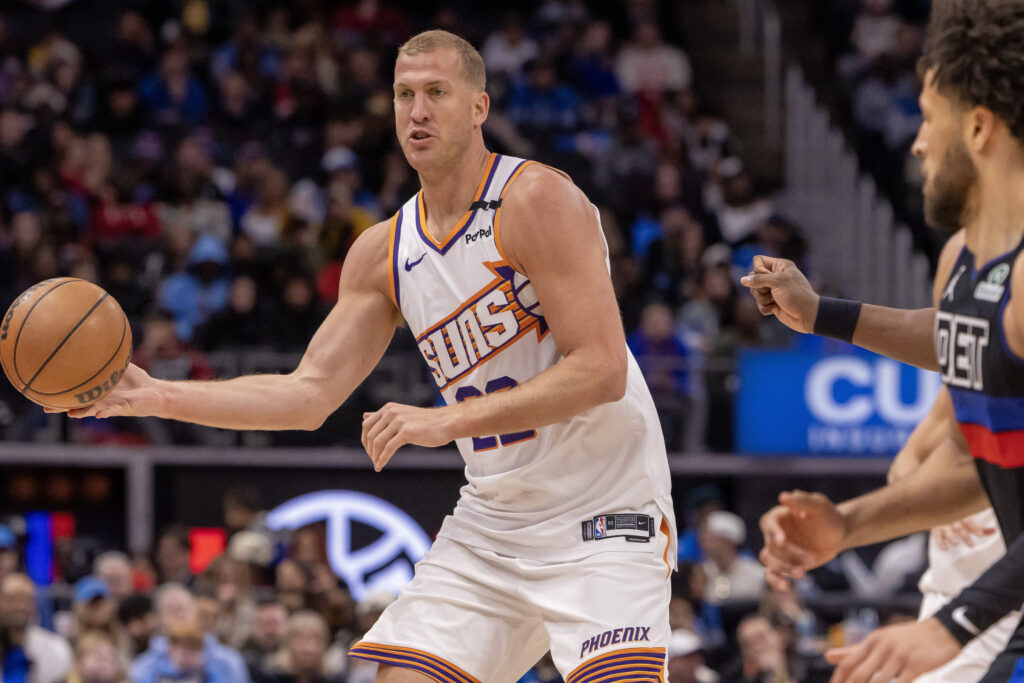
Mason Plumlee is the opposite archetype of Boucher, and that’s why he belongs on the list. He’s not energy chaos. He’s calm structure. If the Heat waives Rozier and starts thinking about “how do we survive non-starter minutes without hemorrhaging points,” Plumlee is one of the cleanest plug-and-play answers.
First, the availability. The Thunder acquired Plumlee and immediately waived him, as first reported by Jake Fischer. That’s the type of player you want because it removes the “maybe later” fog. He’s not theoretical. He’s on the market.
Second, the health context. He’s been out with a groin issue, which matters because it explains why he can slip through the cracks even when teams need bigs.
The 2025-26 stat line is small but efficient: 1.9 points, 2.9 rebounds, 1.1 assists in 8.9 minutes, shooting 75.0% from the field and 66.7% from the line. Those numbers scream “tiny role,” but they also scream “he can finish plays when he’s on the floor,” which is what matters for a backup center.
For the Heat, Plumlee’s best argument is functional half-court offense. He can set real screens, he can make the short-roll pass, and he can keep the ball moving. If the Heat are running bench units that sometimes stall into late-clock jumpers, having a center who can create a little structure with screening and passing is real value. He also gives you a safer option when the game gets physical, because he’s comfortable playing through contact and doing the unglamorous center stuff.
The question is defense. Plumlee is not a switch big. If opponents go five-out and hunt him, you have to protect him with a scheme or keep his minutes in the right matchups. That’s not a deal-breaker. That’s just reality for most backup centers. The Heat are usually good at hiding a player’s weaknesses with structure, and Plumlee is the kind of veteran who will actually follow the plan.
If Rozier is gone, the Heat can shift some of those minutes toward defense and stability rather than scoring variance. Plumlee fits that approach. He won’t raise the ceiling, but he can raise the floor of the non-Bam minutes, and that’s the exact type of “quiet” addition that can matter when the Heat are fighting for playoff position every single week.
Eric Gordon
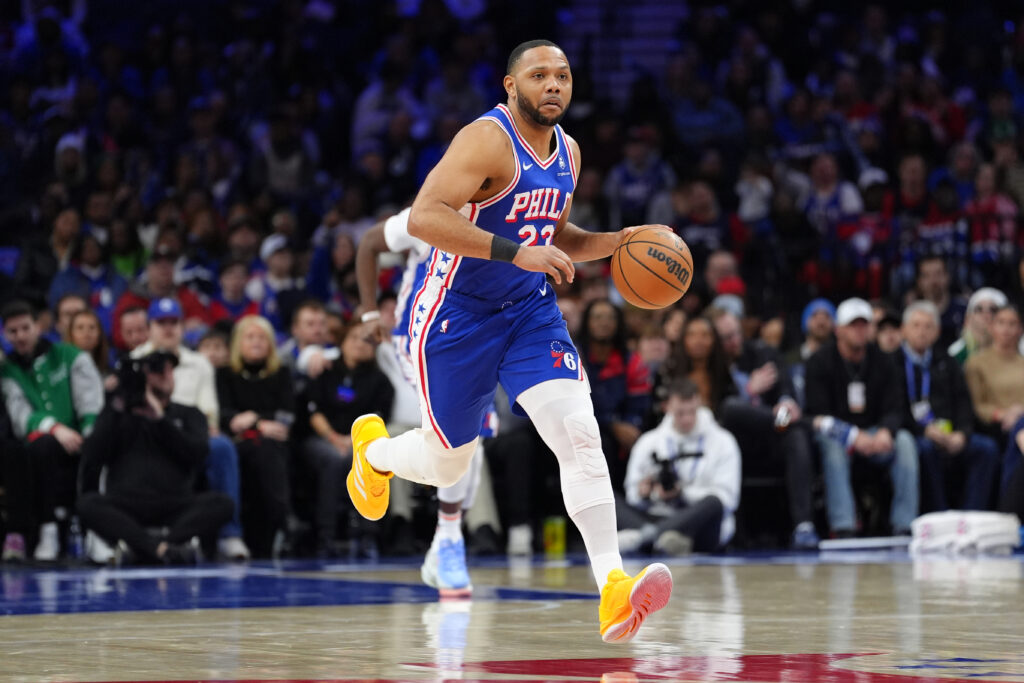
Eric Gordon is the purest “spacing bet” in this group. He’s also one of the most realistic waiver-watch veterans. The 76ers traded Gordon to the Grizzlies largely as a cap move, as he had played only six games this season, averaging 5.5 points.
The stats are a weird combo of “tiny sample” and “still dangerous.” Gordon put up 5.5 points in 12.3 minutes, shooting 57.1% from the field and 57.1% from three. Nobody believes he’s a 57.1% three-point shooter. But it does underline the real point: if he’s healthy and his legs are there, he can still punish teams that help off him.
Gordon had a $3.6 million veteran deal this season. That’s exactly the kind of number that gets moved, waived, and recycled in buyout season. And because he’s 37 and clearly not a core piece for a team trying to win long-term, the incentives align for him to land somewhere that can offer a clean role.
The Heat fit starts and ends with his shot profile. The Heat can get stuck in mud offensively, especially when the opponent loads up on primary creators and forces role players to hit shots. Gordon’s entire value is that he takes one of those “role player shots” and turns it into a shot defenders actually fear. If he’s on the floor, defenders can’t casually leave him to clog driving lanes. That alone can help the Heat’s half-court spacing, even if Gordon only takes three or four shots.
But you have to be honest about the trade-offs. Gordon is not a defensive stopper at this stage, and small guards get hunted in playoff series. The Heat would need to use him like a specialist: specific lineups, specific matchups, and short stints where his shooting is worth the defensive cost. That’s still valuable. In the playoffs, you do not need 10 perfect players. You need seven or eight that make sense.
There’s also a “human” angle: Gordon has been through playoff wars and understands roles. With averages of 15.2 points and 2.7 assists over 931 games, he has lived in every version of the league. If the Heat waives Rozier, a veteran shooter like Gordon, who knows exactly what he is, fits that Miami vibe mindset.
So the Heat case is simple. If Gordon gets waived, he’s one of the few available players who can change the offense with his shooting. You’re not buying the small-sample percentages. You’re buying the threat, the gravity, and the ability to survive a playoff possession without panicking.