This wasn’t pretty. Not even close. But the Toronto Raptors don’t care about aesthetics right now. They care about survival, and they just punched back to even the series after a 93-89 victory over the Cleveland Cavaliers in Game 4.
In a game where both teams shot under 40%, bricked threes (14-70 combined from deep… yikes), and turned offense into a chore, Toronto leaned into chaos and toughness. Meanwhile, the Cleveland Cavaliers looked like a team expecting talent to bail them out, and it never did.
Let’s break down what actually mattered, because this box score tells a much deeper story than the final score.
1. Brandon Ingram And Scottie Barnes Controlled The Game Without Shooting Well
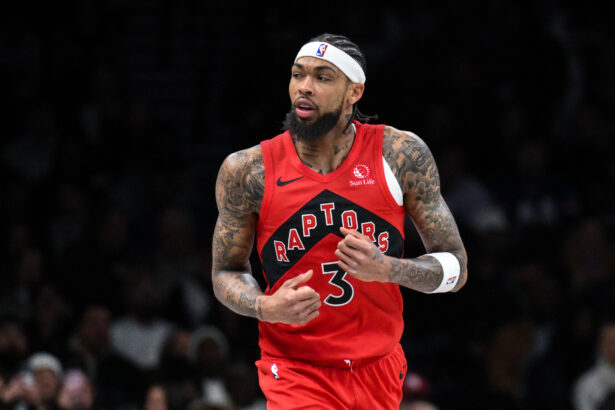
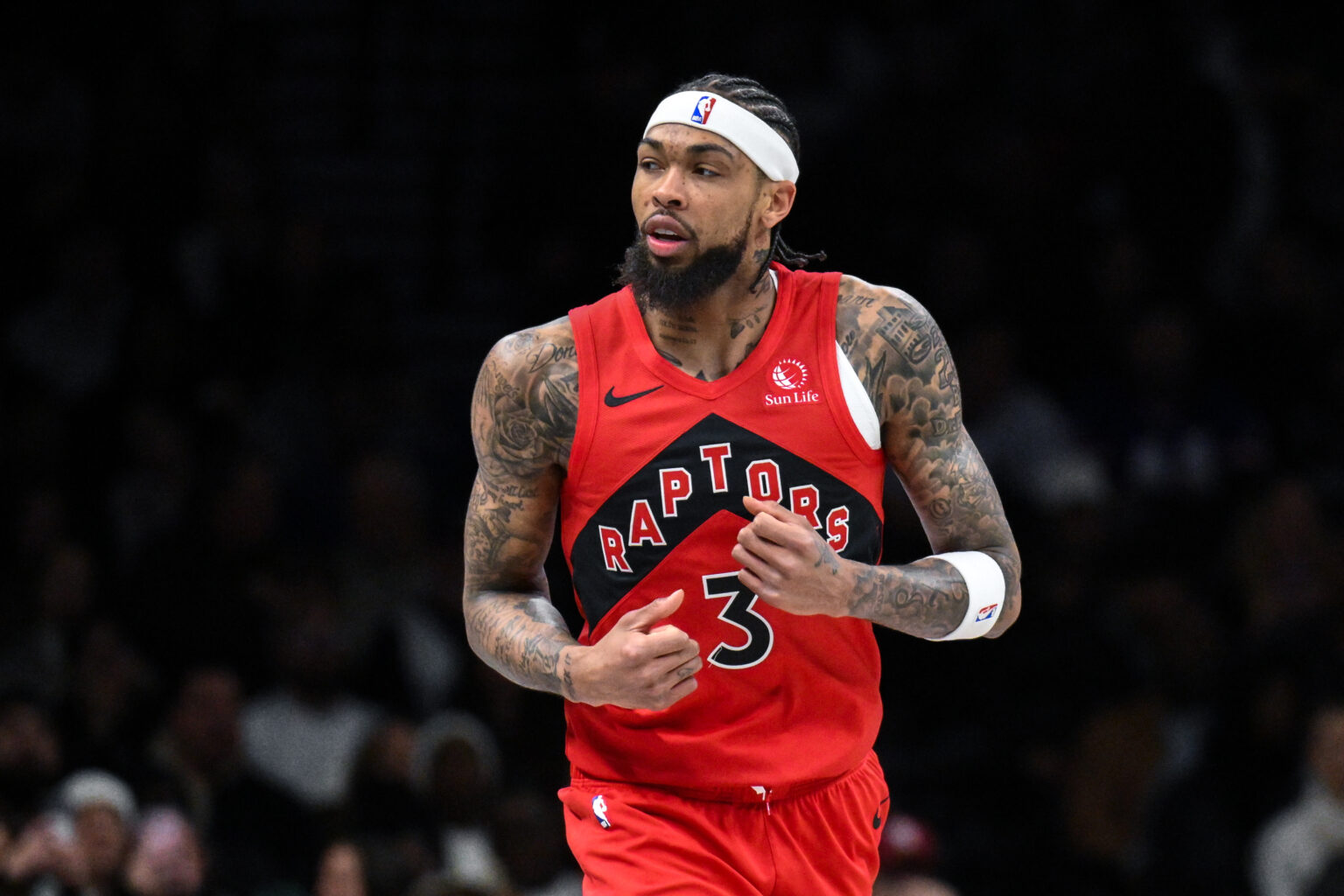
This is the part that should scare Cleveland. Brandon Ingram posted 23 points and 6 rebounds on just 6-23 shooting (26%) but still got to the line 9 times (8 makes).
Scottie Barnes, meanwhile, posted 23 points, 9 rebounds, 6 assists, and 3 blocks. He only shot 6-15 from the field but 11-14 at the free-throw line. They combined to shoot 12-38 (32%), yet still produced 46 points and controlled the rhythm.
How? Physicality, downhill pressure, and forcing Cleveland into uncomfortable defensive possessions.
They didn’t need to be efficient to win this game. They just needed to be forceful. And Cleveland had no answer for that.
2. The Cavaliers’ Offense Completely Fell Apart
This wasn’t just a bad shooting night. Cleveland’s offense completely fell apart in Game 4, and we didn’t expect it to happen the way it did.
They scored 89 total points, going 32-87 shooting (37%), 10-40 from three (25%), and had only 15 assists on 32 made shots. And your stars?
Donovan Mitchell had 20 points on 6-24 shooting (25%) with 4 turnovers, while James Harden had 19 points, 8 assists… but 7 turnovers.
That’s your offensive engine, and it stalled out completely. Too much isolation, too little flow. When the shots weren’t falling, there was no Plan B.
Even worse, Cleveland only managed 38 points in the paint, which tells you everything about how stagnant they were.
3. Toronto Won This Game At The Free Throw Line And On The Glass
When shots aren’t falling, you win ugly. Toronto embraced that. Let’s dive deeper into the numbers:
- Free throws: 27-36 (75%) vs Cleveland’s 15-23. That’s a +12 advantage at the line.
- Rebounds: 59-56 Raptors.
- Offensive rebounds: 21 (!!!).
That’s domination of effort areas. Players like Collin Murray-Boyles (10 rebounds, 5 offensive) and Jakob Poeltl (6 boards, 3 offensive) created extra possessions all night.
Meanwhile, Cleveland gave up 21 offensive rebounds – you’re not winning playoff games doing that. Period.
4. Cleveland’s Supporting Cast Gave Them Almost Nothing
You can survive a rough night from your stars if your role players step up. That didn’t happen. Look at the numbers from some key role players:
- Max Strus: 1 point, 0-5 shooting
- Dean Wade: 7 points
- Bench outside of Merrill/Tyson: minimal impact
Yes, Sam Merrill gave them 14 points (3 threes) and Jaylon Tyson added 9, but it wasn’t enough to offset the inefficiency everywhere else.
Compare that to Toronto’s depth: Murray-Boyles: 15 & 10, and the Raptors bench outworked Cleveland on the glass and defensively.
This wasn’t about raw talent since it was about who showed up ready to grind.
5. This Series Is Now Being Played On Toronto’s Terms
Here’s the big picture: Cleveland led 69% of this game and still lost. That tells you everything about control. Toronto is dragging this series into a slow, physical, half-court battle where efficiency doesn’t matter as much since toughness and second chances decide everything.
Even while shooting just 32% from the field and 13% from three, the Raptors still won because they won the possession battle, won the free-throw battle, and won the physicality battle.
And now? The pressure flips.
Cleveland came in expecting to out-talent Toronto. Instead, they’re being pulled into a fight, and right now, they don’t look comfortable in it.