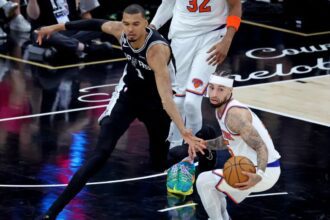
Becoming a first-time All-Star is one of the most important achievements in an NBA player’s career because it could set off a drive in him to become a better player or force him to settle and buckle under expectations. Last season, in 2024-25, we saw two first-time All-Stars, Victor Wembanyama and Cade Cunningham, showcase their talent, and they have pushed their games to entirely different heights this season.
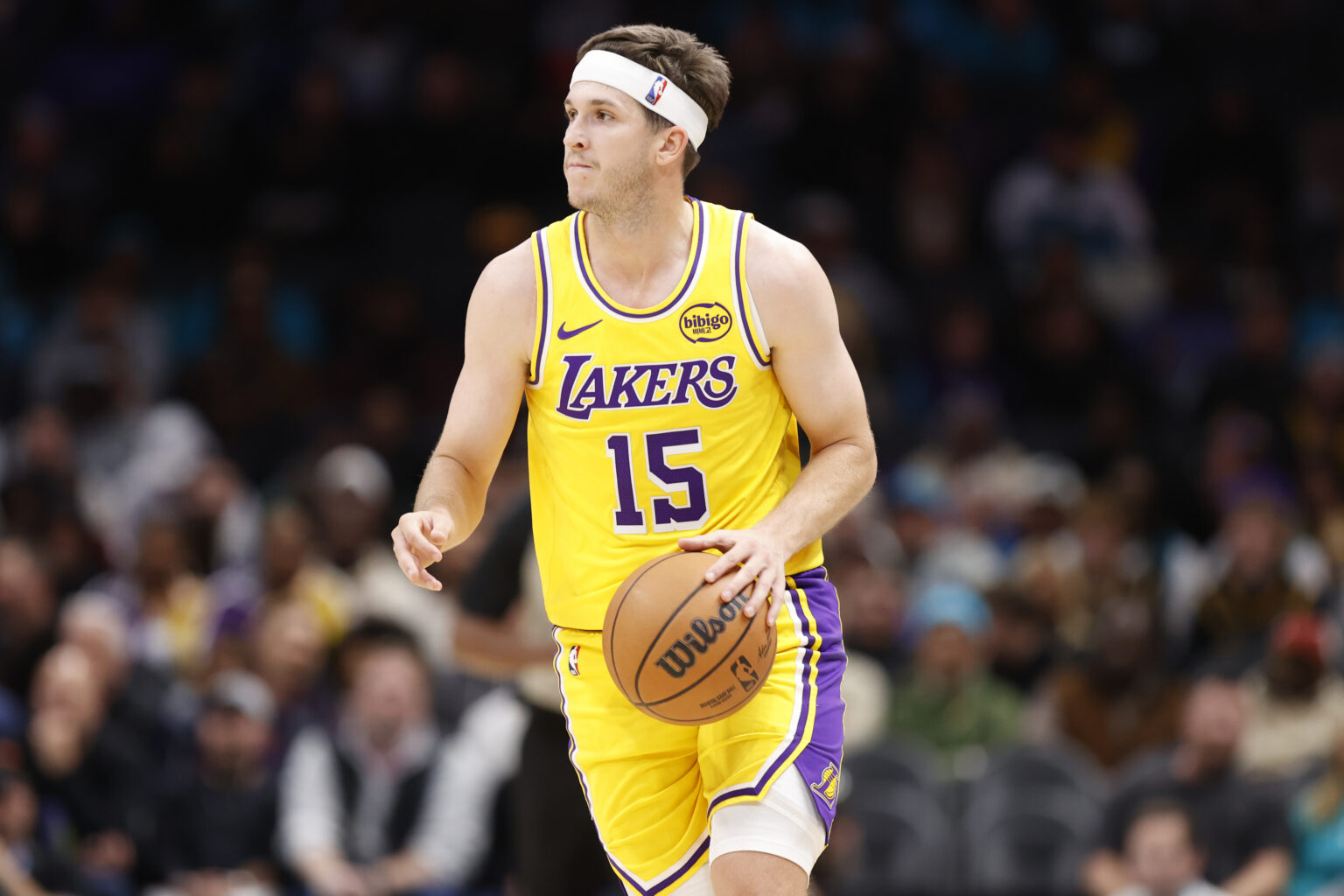
In a few months, we are expecting some more first-time All-Stars, headlined by defensive stalwart Chet Holmgren and impressive All-NBA-caliber guard Austin Reaves. These two players have been exceptional, but so have others, including paint enforcer Jalen Duren and triple-double threat Josh Giddey. So what does it normally take for an NBA player to reach All-Star status? Well, we have five factors that determine first-time selections, and these have generally been followed throughout league history.
1. A Noticeable Jump In Production
For most first-time All-Stars, the breakthrough begins with numbers that suddenly look nothing like the previous season. It can be a scoring leap, expanded playmaking duties, or a massive surge in defensive impact. Regardless, what matters is that the jump is impossible to ignore. When a player goes from “solid and future star” to “carrying 25 points a night,” voters start paying attention.
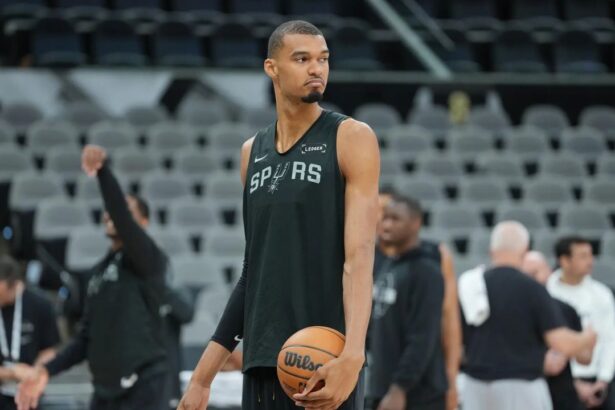
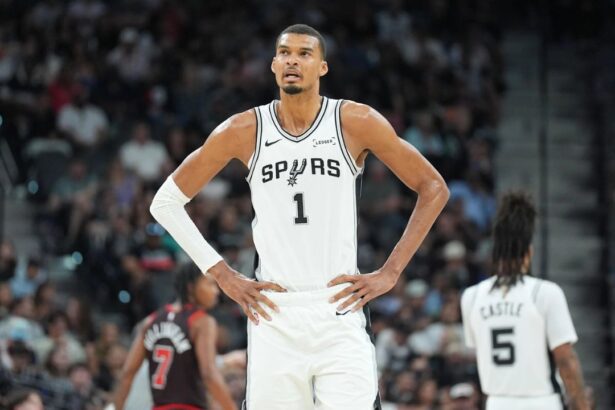
This is exactly what happened with Victor Wembanyama last season; the Spurs handed him more responsibility, and he rewarded them with a statistical profile (24.3 PPG, 11.0 RPG, 3.8 BPG) that had analysts mentioning him in the same breath as early-career Anthony Davis. These leaps stand out because they’re usually paired with a clear shift in confidence.
Cade Cunningham’s first All-Star season wasn’t just about the numbers (26.1 PPG, 9.1 APG), though those were impressive; it was about how he took command of games in the fourth quarter and showed a level of clutchness Detroit hadn’t seen from a lead guard in years. When a player’s production jump aligns with moments where he looks like the best player on the floor, that’s when the All-Star buzz becomes unavoidable.
2. A Signature Role On A Winning Team
Voters have always favored players who perform big for teams that win. It’s not enough to put up stats, but those numbers need to translate into victories. When a young player becomes the engine behind a team hovering near the top of the standings, fans and coaches quickly learn his name. Think of how Jaren Jackson Jr. made his leap once Memphis became a legitimate threat in the West; his defensive dominance mattered more because the Grizzlies were winning 50+ games.
The same dynamic is shaping the candidacy of Chet Holmgren. Oklahoma City’s defensive identity changes the moment he steps on the floor, and his shot-blocking and floor spacing directly fuel their winning formula. A first-time All-Star is usually someone who transforms his team, and Holmgren (18.2 PPG, 8.0 RPG, 1.5 BPG) is following that well-traveled path as he is the favorite for Defensive Player of the Year right now.
3. New Moments That Stick With Fans
All-Star selections are emotional, and players earn significant support through big, memorable performances. A 40-point explosion on national TV, a game-saving block, or a triple-double that shifts momentum late in the season can make a huge difference. That’s how guys like Zach LaVine and De’Aaron Fox broke through; each had stretches where they were the most exciting players in the building.
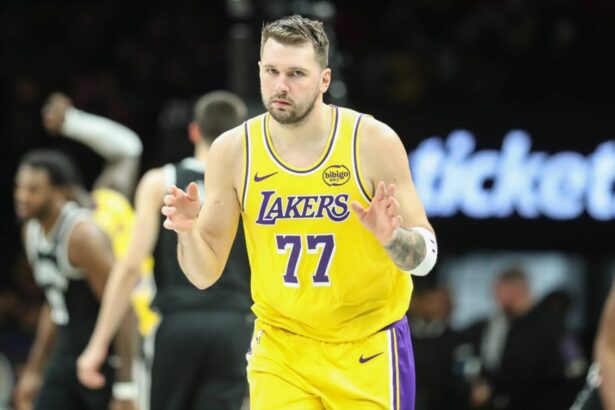
Austin Reaves is benefiting from that same phenomenon. He’s stacked up multiple high-profile performances, especially in close games where the Lakers leaned on him instead of Luka Doncic or the injured LeBron James. Reaves has six games of scoring over 30 points, including a 51-point game (along with 11 rebounds and nine assists) and a 41-point performance.
His jump from a 20.2 PPG, 4.5 RPG, and 5.8 APG talent into a player posting 28.1 PPG, 5.7 RPG, and 6.6 APG is a reflection on the player’s improvement in big games and across the board. Highlight moments don’t make an All-Star on their own, but they build the emotional case that elevates strong stats into something more compelling.
4. Expanded Opportunity And Trust
Often, a first-time All-Star emerges because he’s finally handed a larger role. Coaches don’t elevate a player just for the sake of it. They do it because he’s ready to handle more responsibility. Tyrese Haliburton is a great example; once Indiana fully handed the offense over to him, his All-Star case built itself. Haliburton became the go-to player for a franchise instantly, and while his numbers followed, his impact was far more evident.
This is exactly what’s happening with players like Jalen Duren this season. Detroit has let him play through some mistakes, and in return, he’s developed into one of the league’s most physically overwhelming centers (19.6 PPG, 11.8 RPG, 1.0 BPG). J.B. Bickerstaff trusts him to anchor the paint, control the glass, and serve as the team’s emotional tone-setter. When a young player earns that level of internal trust, the outside world usually catches up soon after.
5. League-Wide Recognition And Respect
An underrated but decisive factor in first-time All-Star selections is the slow, steady build of respect from coaches, veterans, and analysts. Before the average fan sees a player as worthy, opposing teams often feel it first. They start adjusting coverages, sending double teams, or changing matchups because they realize this player has reached a new level. That type of attention is usually a sign that an All-Star leap is just around the corner.
Josh Giddey is trending in this direction. His stat sheet is becoming very impressive (20.6 PPG, 9.9 RPG, 9.1 APG), but it is far more than that. Coaches acknowledge how difficult he is to prepare for: he manipulates defenses, rebounds above his position, and fills gaps that don’t show up cleanly in the box score. When scouts and opposing players praise someone unprompted, it often signals that the league has already accepted him as an All-Star talent, and now it’s just a matter of timing.