What are the rules that govern the NBA’s expansion draft? How does an expansion draft influence the rookie draft? These are some of the most relevant questions posed to the league as it nears expansion into two additional cities beyond the 30 existing franchises.
The NBA has undergone an expansion twice in the modern era: in 1995 (when the Raptors entered the league) and 2004 (when the Grizzlies moved from Vancouver to Memphis). The experience from those years suggests that the league’s expansion draft procedure can be boiled down to six key potential rules.
- Expansion teams will get to ‘steal’ unprotected players from teams.
- Teams can protect eight of their players.
- Teams cannot protect players on expiring contracts or restricted free agents.
- Only one player can be taken per team.
- Contracts transfer to new teams but cannot be amended, only extended.
- Expansion teams get good chances at the No. 1 pick in the NBA Draft of that season.
As the league is looking to expand in the 2028-29 season, the summer of 2028 is when the league is expected to conduct this draft.
Just a few hours ago, ESPN’s NBA insider Shams Charania confirmed that the NBA will hold an official vote in a meeting of each franchise’s Board of Governors on March 24 and 25. This vote will determine whether the league can officially lay down the roots of expanding to Seattle and Las Vegas in the 2028-29 season.
Charania also confirmed that there will be a final vote later in the year to approve this transaction after the league has an opportunity to gather bids from interested parties in taking up team ownership. For any motion to pass, 23 of the 30 existing team’s governors must be in favor.
In other potential changes, considering the location of both new potential teams, one of the two franchises, the Memphis Grizzlies or the Minnesota Timberwolves, could be shifted to the Eastern Conference.
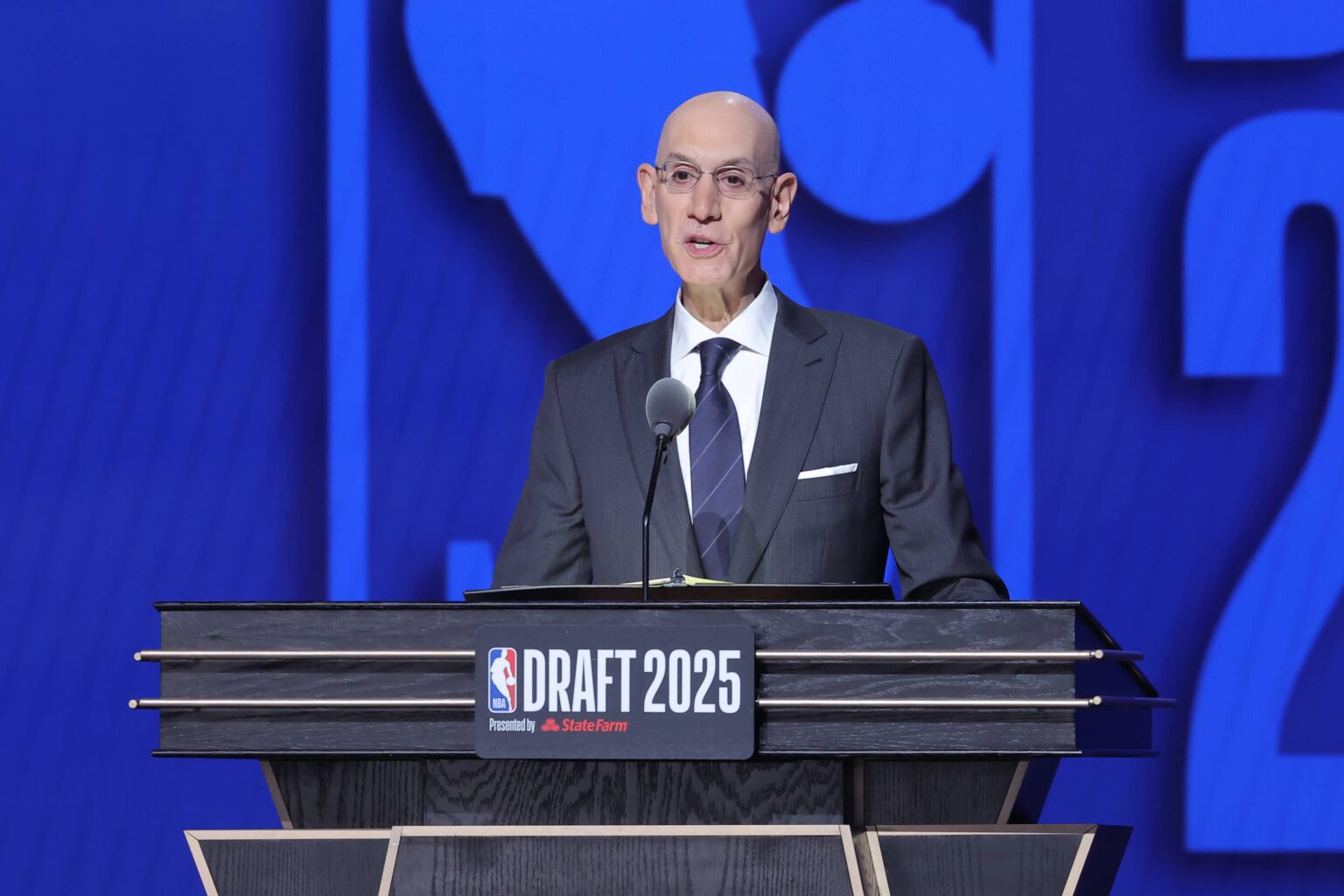
Since most of the prominent expansion drafts in the modern era were under David Stern’s leadership, Adam Silver has the unique opportunity to set a new precedent for the league, as this would be the first time the NBA also considers two-way players in this expansion draft.
“The NBA is expected to take a close look at the entire process of expansion — for example, how an expansion draft would work, the restrictions teams would have on spending in their initial years of existence, and what the rules governing their draft picks would be — before a formal vote to expand would take place.”
“The league will be balancing both not making it so difficult on the incoming teams that they have no chance to compete for years, but also not giving them a giant leg up on their competition by walking in with a clean slate to start working from. There will be robust discussions over the next few months about what all this will look like,” wrote ESPN’s Bobby Marks and Tim Bontemps in their subsequent report.
Over 30 potential new roster spots in two cities, as opposed to having as many as two empty roster spots in multiple franchises around the league, ensures a more equitable chance for young basketball talent across the country to make it to the league.
New players would not be limited to joining the two new markets, as almost every franchise will look to fill the spots that the expansion draft vacated.
Of course, when a completely new team with no historic culture per se is being assembled, it takes time for them to become a solid contending unit. But with higher chances to get the No. 1 overall pick, which other expansion teams have not received in the past, this could be a key factor in making the league more competitive.
These potential rules retain the competitive product that the league aims to provide its followers and also ensure new opportunities in not just two but multiple cities across the country. Therefore, these rules seem to be adequate in my opinion and would be a solid framework for the imminent 2028 expansion draft.