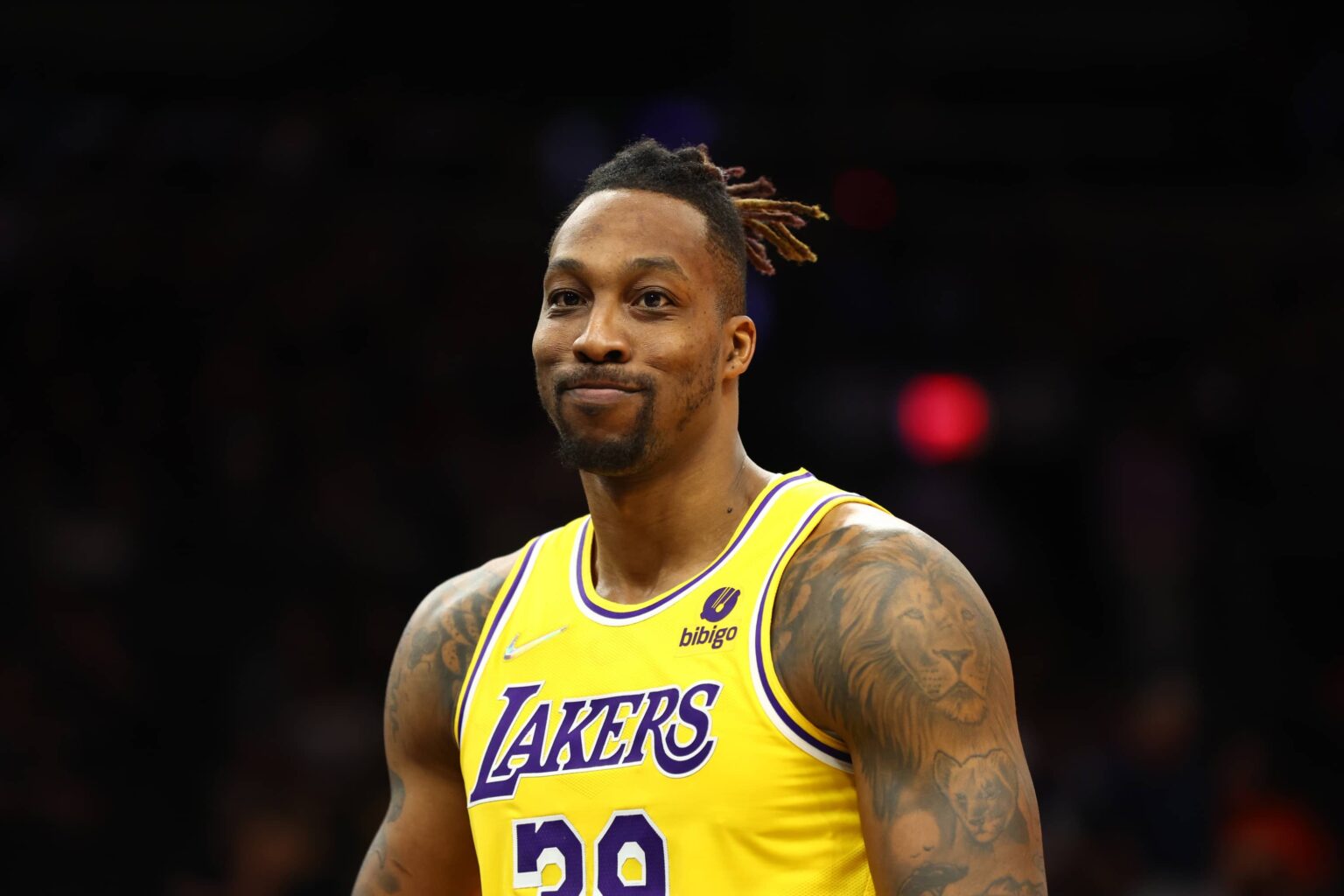
Dwight Howard has never been short on confidence, and his latest comments only reinforced that reputation. Speaking on the Above The Rim podcast, Howard ranked himself as the sixth greatest center in NBA history, placing himself in rarefied air alongside some of the most dominant players the game has ever seen.
“I will put myself at 6. I always have Kareem, Shaq, Wilt, Hakeem, and then Jokic and me.”
It is a bold list. Kareem Abdul-Jabbar’s longevity and scoring record are untouchable. Shaquille O’Neal redefined power basketball. Wilt Chamberlain broke the sport’s math. Hakeem Olajuwon mastered both ends of the floor. Nikola Jokic is currently bending the game in ways no center ever has. Howard’s insertion of himself directly after that group is where the debate begins.
From Howard’s perspective, the case makes sense. At his peak in Orlando, he was the most dominant defensive force in basketball. He averaged 15.7 points, 11.8 rebounds, and 1.9 blocks for his career, but raw numbers barely capture his impact. He won three straight Defensive Player of the Year awards, anchored elite defenses, and dragged the Magic to the 2009 NBA Finals as the unquestioned centerpiece.
Few centers in league history could control the paint the way Howard did in his prime.
Accolade-wise, his resume is heavy. Eight All-Star selections. Eight All-NBA nods. Five All-Defensive selections. Five rebounding titles. Two block titles. An NBA championship with the Los Angeles Lakers in 2020. And now, Hall of Fame induction. That is not a fringe great. That is a historically significant career.
Still, ranking sixth all-time is where opinions split. At Fadeaway World, our assessment places Howard closer to 16th among all-time centers. That gap is not about disrespect. It is about context. Howard’s prime, while dominant, was relatively short compared to the legends above him. His offensive limitations became more pronounced as the league evolved.
And his career arc included several turbulent stops where his role diminished faster than expected for a player of his pedigree.
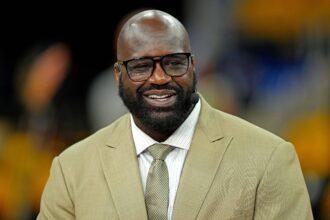
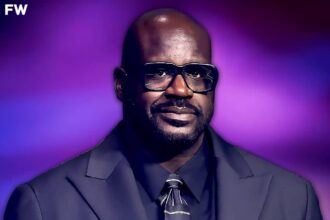
That does not erase what he accomplished, but it does complicate the all-time conversation. Even Shaq doesn’t think Howard is a top-5 center, as he did not name him in his list.
One interesting comparison Howard himself indirectly invites is Anthony Davis. We believe Howard has had the better career overall, especially when factoring in durability at peak, defensive dominance, and individual awards. Davis has been more skilled offensively and more versatile, but his availability and sustained impact remain questions. That said, Davis is still active and has time to add to his resume in ways Howard no longer can.
What Howard’s ranking ultimately reflects is how he views legacy. He is not measuring himself against modern spacing or offensive creativity. He is measuring dominance. Physical control. Defensive intimidation. In that lens, his confidence is understandable.
Whether fans agree with sixth or lean closer to our 16th-place ranking, one thing is clear. Dwight Howard belongs in the historical conversation. And even if his self-ranking sparks debate, it also forces a necessary reminder. For a stretch of NBA history, there was no more feared presence in the paint than Dwight Howard.