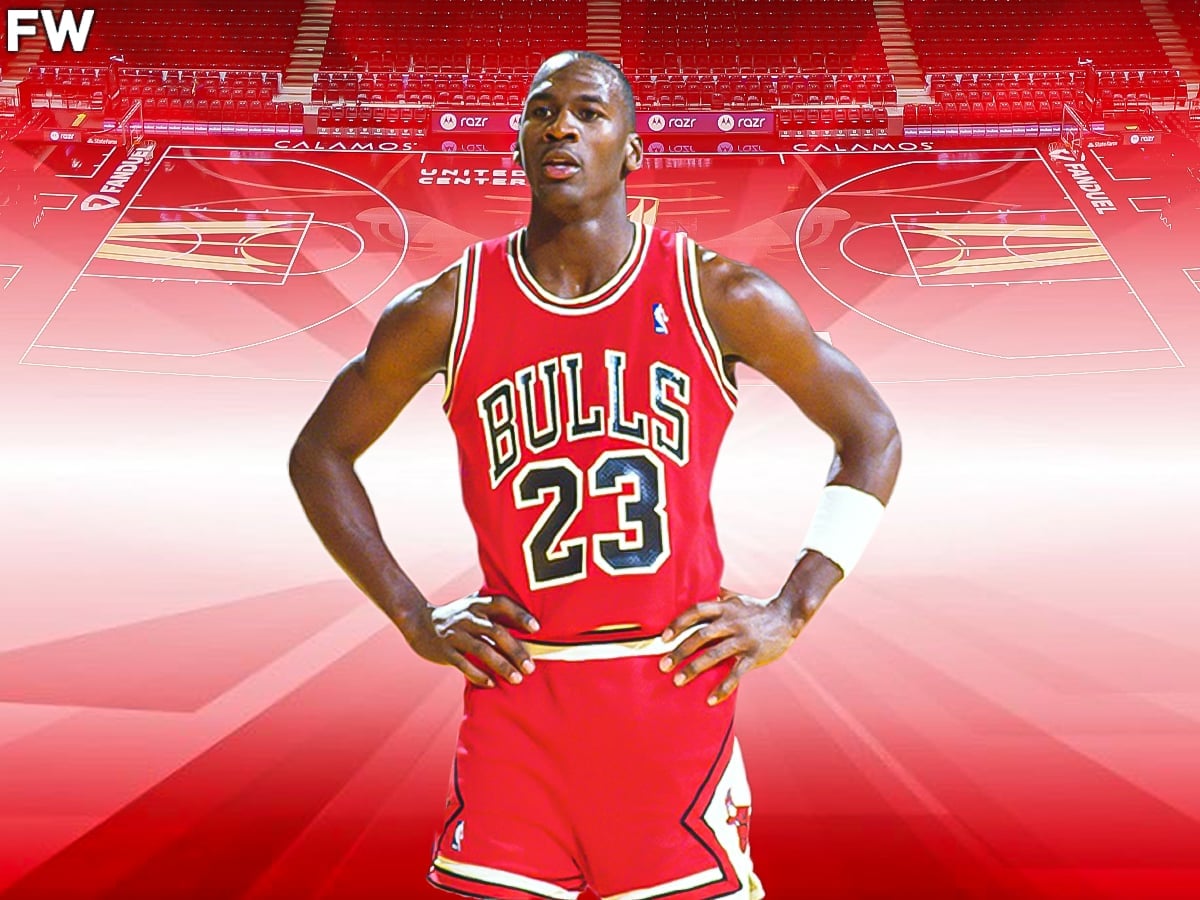
In 1984, Nike took a gamble on a rookie who had not yet played a single NBA game. The deal was bold for its time: five years, $2.5 million, and a set of performance clauses that gave the company an escape hatch.
Michael Jordan had three years to hit at least one of four benchmarks, or Nike could terminate the agreement early. The criteria were clear.
He needed to win Rookie of the Year, average 20 points per game, make an All-Star team, or generate $4 million in shoe sales by the end of Year 3.
Jordan did not just meet one of them. He crushed all four in his first season.
As a rookie with the Chicago Bulls, Jordan averaged 28.2 points per game, far surpassing the 20-point threshold. He won Rookie of the Year and was voted an All-Star starter. And the most stunning number of all, the Air Jordan line generated an estimated $100 million in shoe sales during the 1984-85 season alone. The sales target was not just met. It was obliterated.
At the time, Nike was not the global powerhouse it is today. The company was looking for a face to compete with established brands. Jordan was seen as promising, but few could have predicted the cultural earthquake that followed. The Air Jordan 1 did more than sell sneakers. It shifted the relationship between athlete and brand.
Jordan’s on-court dominance fueled the off-court explosion. His rookie season was electric. He attacked the rim with flair, played with visible competitiveness, and instantly became must-watch television. That translated directly into consumer demand. Kids did not just want basketball shoes. They wanted his shoes.
The numbers speak for themselves. Jordan earned $93.9 million in NBA salary over his entire playing career. He now earns far more than that annually from Nike alone. His lifetime partnership with the company has netted him billions, including over a $300 million payout in a recent year, thanks to his five percent royalty on Jordan Brand sales.
The Jordan Brand itself has grown into a multibillion-dollar enterprise. It has generated over $5 billion in annual revenue in recent years and has brought in roughly $19 billion for Nike over the past five years alone. Jordan earns roughly $6 million every eight to nine days from Nike. That figure alone dwarfs what he made during his first seven seasons in the league combined.
Jordan later became the first professional athlete to enter the Forbes 400 list with a net worth of $3 billion after selling his majority stake in the Charlotte Hornets. His Nike partnership remains one of the most successful athlete-brand deals in history. And helped him build his $3,5 billion business empire.
What makes the original contract remarkable is not just the numbers. It is the pressure. Nike built performance triggers into the agreement. Jordan responded by redefining what was possible for a rookie, both on the floor and in the marketplace.
Nike gave him three years to prove himself. He needed one.