A salary list from the 1985–86 NBA season has resurfaced online and gone viral for one simple reason: it looks almost unreal when viewed through a modern lens. The numbers are modest by today’s standards, the names are legendary, and the contrast perfectly captures how dramatically the league’s financial ecosystem has evolved over four decades.
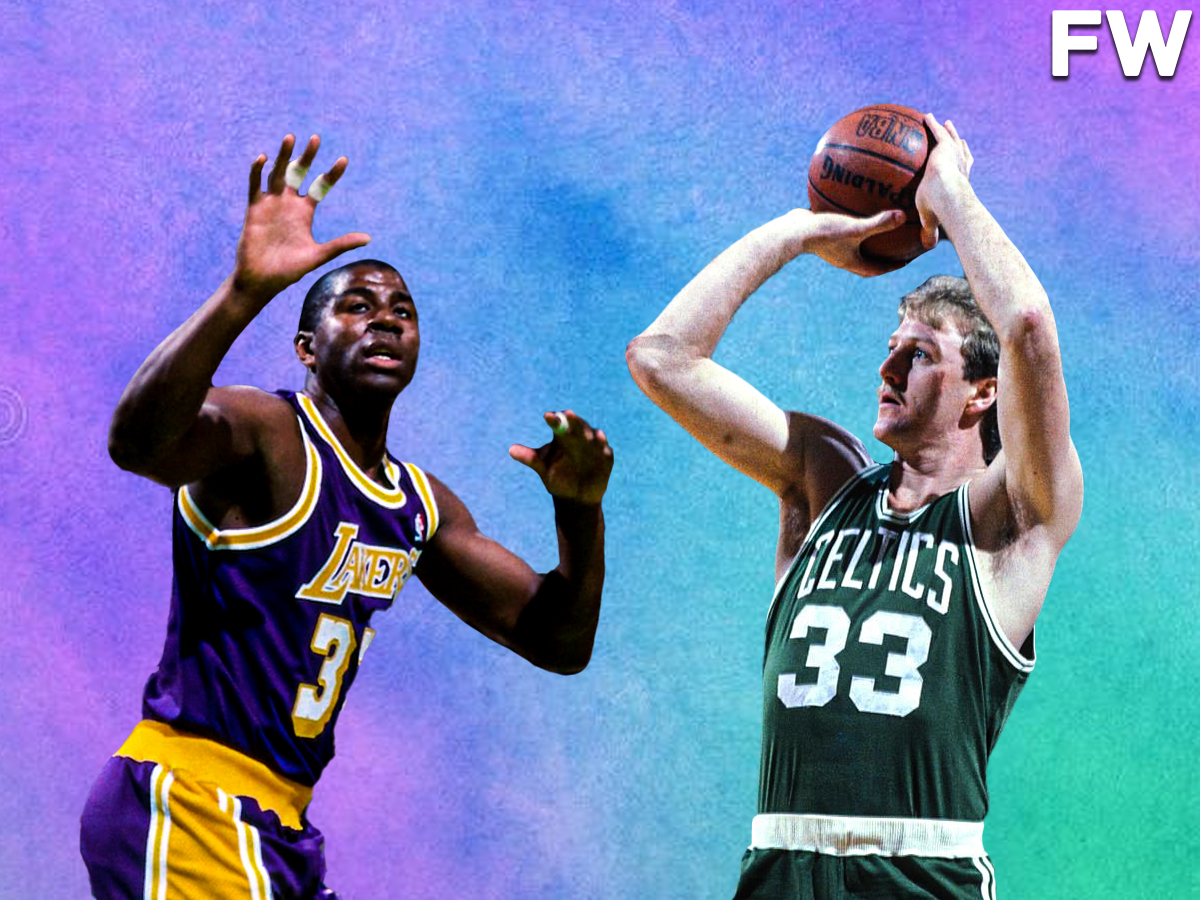
1. Magic Johnson (Los Angeles Lakers): $2,500,000
2. Moses Malone (Philadelphia 76ers): $2,145,000
3. Kareem Abdul-Jabbar (Los Angeles Lakers): $2,030,000
4. Larry Bird (Boston Celtics): $1,800,000
5. Jack Sikma (Seattle SuperSonics): $1,600,000
6. Julius Erving (Philadelphia 76ers): $1,485,000
7. Patrick Ewing (New York Knicks): $1,250,000
8. Ralph Sampson (Houston Rockets): $1,165,000
9. Mitch Kupchak (Los Angeles Lakers): $1,100,000
10. Otis Birdsong (New Jersey Nets): $1,100,000
11. Marques Johnson (Los Angeles Clippers): $1,100,000
12. Albert King (New Jersey Nets): $1,035,000
13. Kevin McHale (Boston Celtics): $1,000,000
14. Wayman Tisdale (Indiana Pacers): $987,000
15. Kelly Tripucka (Detroit Pistons): $971,000
16. Adrian Dantley (Utah Jazz): $950,000
17. Bill Cartwright (New York Knicks): $925,000
18. Buck Williams (New Jersey Nets): $915,000
19. Sidney Moncrief (Milwaukee Bucks): $884,000
20. Hakeem Olajuwon (Houston Rockets): $882,500
21. Bernard King (New York Knicks): $874,000
22. Jamaal Wilkes (Los Angeles Clippers): $860,000
23. Alex English (Denver Nuggets): $825,000
24. Darryl Dawkins (New Jersey Nets): $808,000
25. George Gervin (Chicago Bulls): $806,000
26. Joe Barry Carroll (Golden State Warriors): $800,000
27. Gus Williams (Washington Bullets): $790,000
28. Jeff Ruland (Washington Bullets): $783,000
29. Dennis Johnson (Boston Celtics): $782,500
30. Dan Roundfield (Washington Bullets): $759,250
31. Calvin Natt (Denver Nuggets): $758,000
32. Kiki Vandeweghe (Portland Trail Blazers): $751,750
T-33. Micheal Ray Richardson (New Jersey Nets): $750,000
T-33. Isiah Thomas (Detroit Pistons): $750,000
35. Dave Corzine (Chicago Bulls): $710,000
T-36. Mike Mitchell (San Antonio Spurs): $700,000
T-36. Tom Chambers (Seattle SuperSonics): $700,000
T-36. Mike Gminski (New Jersey Nets): $700,000
Nearly every name on the list is either a Hall of Famer or a defining star of the era. Yet even with that star power, the entire top 40 salary list barely cracks what a single superstar makes today.
That is what has driven the list’s resurgence. In the 2025–26 NBA season, the average player salary sits around $11.9 million. The median is lower, closer to $6 million, but even that number dwarfs what the best players in the world earned during the 1980s. A modern rookie minimum contract now starts above $1.2 million. In other words, an unproven first-year player today can earn more than many All-NBA performers did during one of the league’s golden eras.
The contrast becomes even sharper at the top. Stephen Curry is the highest-paid player in the league for the 2025–26 season, earning $59.6 million. That number will rise to $62.5 million the following year. And the trend is not slowing down. By the 2030-31 season, Shai Gilgeous-Alexander will make $75 million annually, with nine-figure yearly salaries no longer sounding absurd.
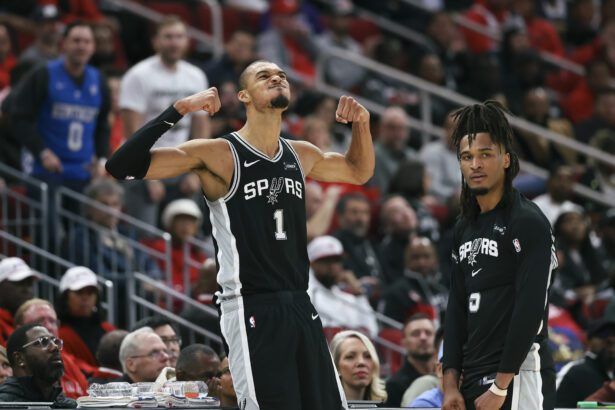
That future is expected to include stars like Anthony Edwards and Victor Wembanyama, whose next contracts are widely projected to push into the $80–100 million per year range as new television deals and revenue streams reshape the salary cap. In that context, Magic Johnson’s $2.5 million no longer looks like generational wealth. It looks like a historical footnote.
The reason for this explosion is not just inflation. The National Basketball Association has transformed into a global entertainment juggernaut. International broadcasting, streaming deals, league partnerships, and worldwide fandom have created revenue levels that were unimaginable in the 1980s. Players now receive a far larger slice of a far larger pie.
Seen side by side, the numbers tell a story bigger than salaries. They show how the NBA grew from a domestic sports league into a global business, and how today’s contracts are not excessive, but the product of decades of growth. The league has changed. The money has changed. The greatness, clearly, has not.