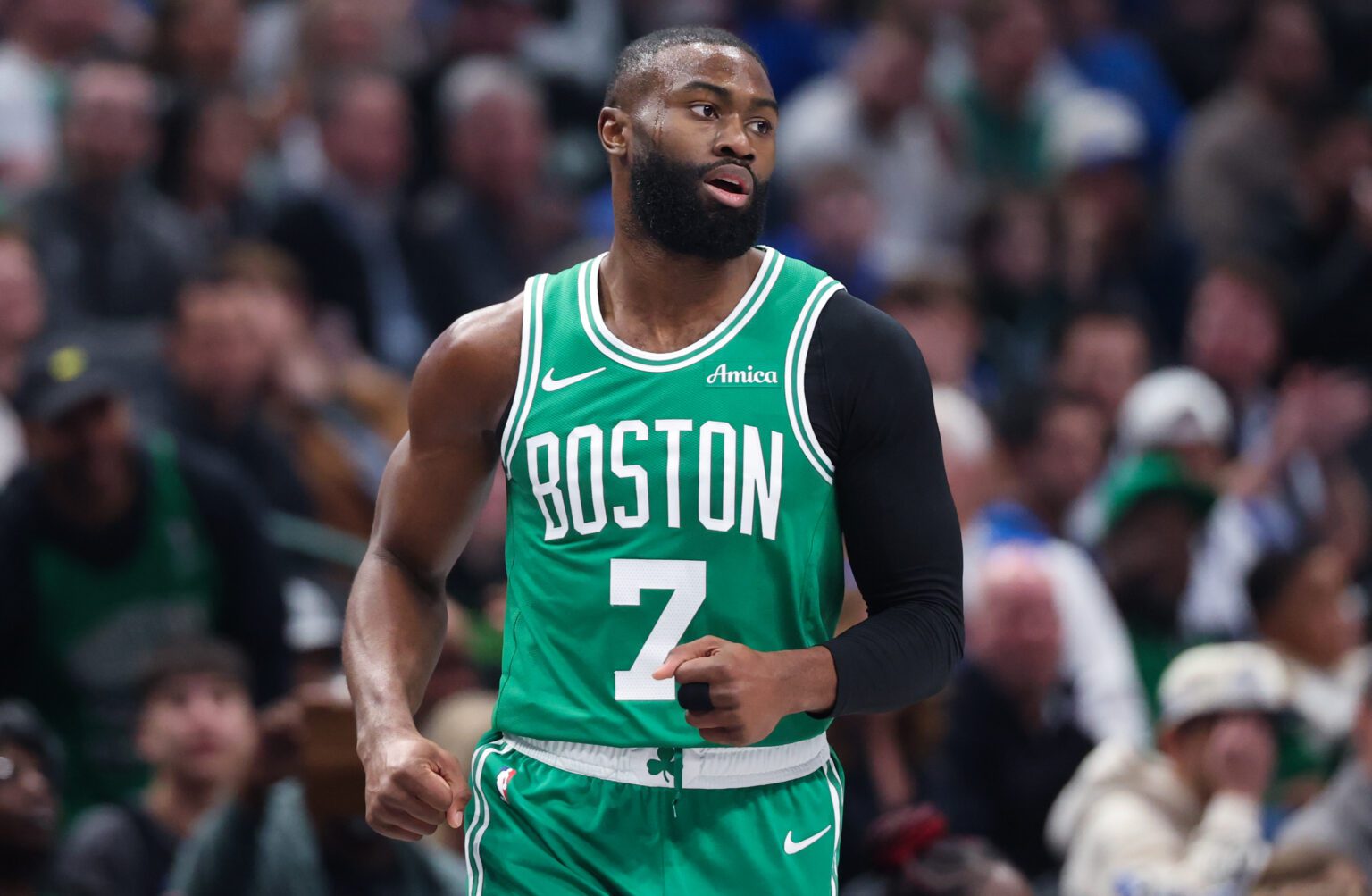
The Boston Celtics turned in a balanced team performance to defeat the Cleveland Cavaliers 109-98, controlling the game for most of the night and building a lead that Cleveland struggled to chip away at.
Boston didn’t necessarily shoot lights out, finishing 37-84 from the field (44.0%), but they made their opportunities count. The Celtics connected on 15 three-pointers at a 39.5% clip and were nearly perfect from the free-throw line, going 20-22 (90.9%).
Cleveland, meanwhile, struggled to find consistent offense outside of its stars, shooting 40.7% overall and just 28.9% from three-point range (13-45).
Boston also held a noticeable edge on the glass, winning the rebounding battle 49-42 while controlling the defensive boards 39-32. That allowed the Celtics to dictate the pace and maintain control of the scoreboard throughout the night.
Here are five key reasons Boston came out on top.
1. Jaylen Brown Led The Way With A Complete Performance
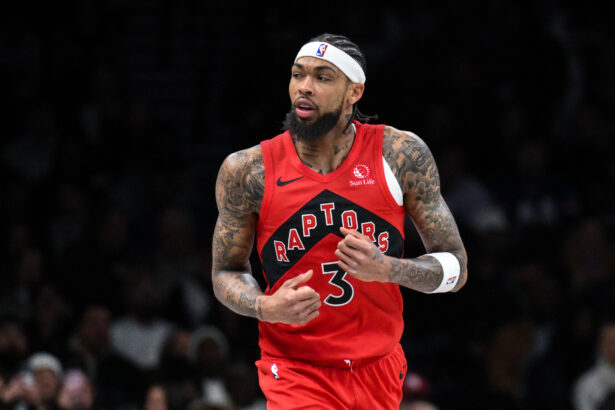
Jaylen Brown delivered one of the most impactful performances of the night and set the tone for Boston on both ends of the floor.
Brown finished with 23 points, nine rebounds, and eight assists, coming just two assists shy of a triple-double while playing a team-high 38 minutes. He shot 7-17 from the field and went 8-9 from the free-throw line, consistently attacking the rim and drawing contact.
Beyond scoring, Brown’s playmaking stood out. His eight assists helped create open looks for teammates and kept the Celtics’ offense flowing when Cleveland attempted to tighten its defense.
He also finished with a +17 plus/minus, highlighting how much Boston thrived while he was on the court.
2. Boston’s Bench Provided A Huge Spark
The Celtics’ second unit was one of the major game-changers.
Off the bench, Payton Pritchard was exceptional, scoring 18 points with an efficiency of 7-12 while also adding 7 assists. He was able to maintain the offensive rhythm of the team and helped set the pace whenever the starters were resting. He was a reliable playmaker, and the offense was able to create good shots.
Another strong performer was Baylor Scheierman. He scored 16 points at a very good efficiency of 6-8 and 4-6 from deep. He also had a double-double with 10 rebounds, surprisingly providing the Celtics with more help on the boards.
When a bench unit combines for that kind of production and efficiency, it becomes extremely difficult for the opposing team to match that type of performance.
3. Boston Controlled The Rebounding Battle
Rebounding played a quiet but important role in the Celtics’ victory.
Boston finished with 49 total rebounds, compared to Cleveland’s 42, and secured 39 defensive boards to limit the Cavaliers’ second-chance opportunities.
Neemias Queta anchored the effort inside with 11 rebounds, using his size and physicality to challenge Cleveland around the basket. Scheierman’s 10 rebounds also helped Boston dominate the glass despite playing on the perimeter.
Winning the rebounding battle meant more possessions for the Celtics and fewer easy opportunities for Cleveland to build momentum.
4. Cleveland’s Three-Point Shooting Struggled
The Cavaliers had the chance to keep the game close, but the perimeter shots kept them from getting the victory.
Cleveland only managed to score a disappointing 13 out of 45 shots from beyond the three-point line. This misery won them a 29% success rate from the perimeter. The result of this was an inefficient offense and many defensive rebounds for Boston. Several players on the team, especially Sam Merrill with 1 out of 7, and Donovan Mitchell, who went to the perimeter and finished 3 out of 9, really didn’t help the situation.
When a team attempts that many shots from the three-point line and doesn’t score efficiently, it can quickly lead to long rebounds and missed scoring chances.
On the other hand, Boston generated a considerable perimeter scoring margin, making 15 threes out of 38 attempts, which is a more efficient 39%.
5. Cleveland’s Stars Produced, But Didn’t Get Enough Help
Although Cleveland lost, their star players had solid individual performances.
Cleveland star player Donovan Mitchell led the team scoring with 30 points after going 9-18 from the field, and 9-11 from the charity stripe. Evan Mobley also had a strong performance, scoring 24 points, grabbing 8 rebounds, and swatting 3, so he had a strong impact defensively and offensively.
For the rest of the starters, James Harden had 19 points and led the team in assists with 10. He initiated much of the Cleveland offense and set up a lot of scores for his teammates.
On the other hand, the supporting cast had a hard time scoring. Beyond the star trio, Cleveland’s bench and players had low scoring and poor shooting, which hindered Cleveland from keeping up with Boston’s balanced attack.