The Celtics host the 76ers at TD Garden on Sunday, March 1, at 8:00 PM ET.
The Celtics are 39-20 and second in the East, with the 76ers at 33-26 and sixth. The home-road context is clear: the Celtics are 19-9 at home, while the 76ers are 17-11 on the road.
The Celtics last played Friday, a 148-111 win over the Nets, while the 76ers arrive after a 124-117 win over the Heat on Thursday.
These teams have already played three times. The 76ers lead the season series 2-1 after a 117-116 win, a 109-108 loss, and a 102-100 win.
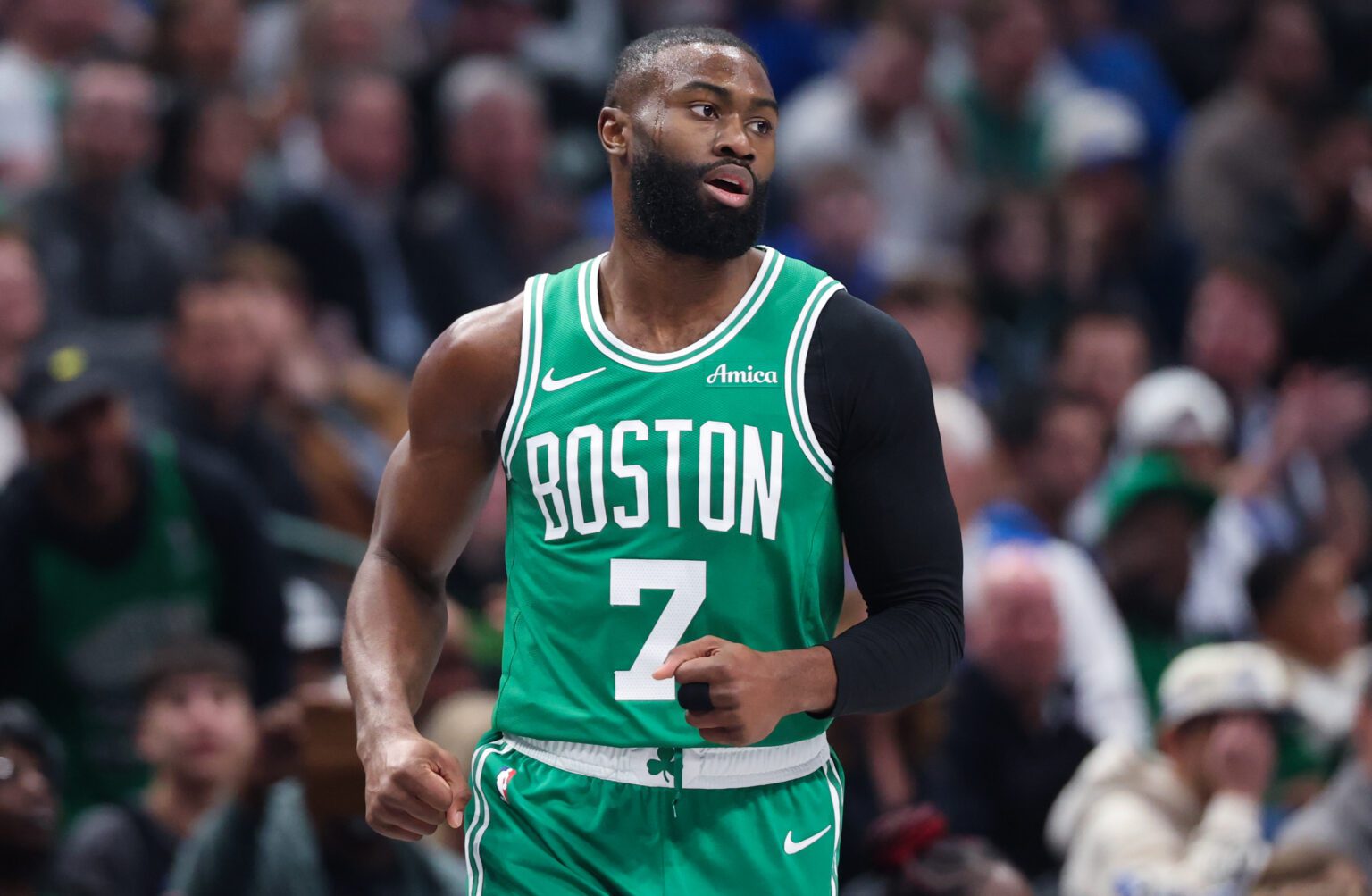
For the Celtics, Jaylen Brown is averaging 29.1 points, 7.1 rebounds, and 4.9 assists. Derrick White is at 17.1 points, 4.5 rebounds, and 5.7 assists.
For the 76ers, Tyrese Maxey is producing 29.1 points, 4.1 rebounds, and 6.8 assists. Joel Embiid is putting up 26.6 points, 7.5 rebounds, and 3.9 assists.
The pressure point is simple: the 76ers are trying to steal a road win to stay out of the play-in mix, while the Celtics are protecting position near the top of the conference.
Injury Report
Celtics
Jayson Tatum: Out (right Achilles repair)
Baylor Scheierman: Questionable (left thumb fracture)
Max Shulga: Questionable (G League – Two-Way)
Amari Williams: Questionable (G League – On Assignment)
76ers
Joel Embiid: Out (right oblique strain)
Paul George: Out (league suspension)
Johni Broome: Out (right knee meniscus tear)
MarJon Beauchamp: Doubtful (G League – Two-Way)
Justin Edwards: Doubtful (G League – On Assignment)
Tyrese Martin: Doubtful (G League – Two-Way)
Dalen Terry: Doubtful (G League – Two-Way)
Why The Celtics Have The Advantage
The Celtics’ defensive baseline is elite by the simplest scoreboard number. They allow 107.5 points per game, best in the league, and that is the kind of floor that survives cold shooting nights.
That defensive number matters more in this specific matchup because the 76ers are missing top-end creation. With Joel Embiid out and Paul George suspended, the 76ers’ path leans harder on Maxey-driven shotmaking and free throws, and the Celtics have been the best team in the league at turning games into low-efficiency slogs.
The Celtics also win the possession game in a way that shows up every night. They commit 12.1 turnovers per game, which ranks first, so they rarely donate extra shots. Against a 76ers team that plays at a high free-throw volume, giving away empty possessions is how you lose control of the math.
Offensively, the Celtics still generate separation through three-point volume and makes. They attempt 42.2 threes per game (3rd) and hit 15.4 threes per game (3rd). That profile is a problem for a defense that is already allowing 115.9 points per game (19th).
The matchup logic is where those two ideas connect. If the Celtics’ defense keeps the 76ers from living at the line, the gap usually shows up in shot volume: fewer giveaways, more threes, and more “extra” points without needing a perfect half-court night.
Why The 76ers Have The Advantage
The 76ers’ offense is stronger than their seeding suggests, and the scoring volume is real. They average 116.7 points per game (11th), which is enough to win in this building if they can keep the Celtics out of their three-point comfort zone.
Their best leverage point is free throws. The 76ers attempt 25.6 free throws per game (8th), and that is the most stable way to score when your half-court shot creation is undermanned. In a road game where the Celtics want to run you off the line and turn it into a grind, living at the stripe is how you keep the scoreboard moving.
The 76ers also take care of the ball well enough to stay connected. They commit 13.8 turnovers per game (7th), so they generally do not beat themselves with sloppy possessions. That matters against a defense built to punish mistakes, because it reduces the “two-possession swing” plays that flip quarters.
The negative is the defensive profile, and it is the same reason their margin is thin. They allow 115.9 points per game (19th), and that is a dangerous place to live against a team that attempts threes at top-three volume.
So the matchup tells you what has to happen. The 76ers need to turn this into a foul-line game and a half-court pace, while limiting clean threes. If they do not control those two levers, the Celtics’ possession and three-point edges tend to win out.
X-Factors
Payton Pritchard is the Celtics’ pace-changer because his minutes decide whether the offense is hunting matchups or just firing threes on rhythm. Pritchard is averaging 17.3 points, 4.1 rebounds, and 5.4 assists, and the swing is whether he can keep the 76ers in rotation without feeding transition chances the other way. If he wins the bench minutes with scoring and ball security, the Celtics can survive any non-Brown stretches cleanly.
Sam Hauser is the spacing specialist that can break a defensive plan without touching the ball much. Hauser is at 9.3 points, 3.8 rebounds, and 1.5 assists, and his job in this game is simple: punish help. If he hits early threes, the 76ers can’t over-help toward the paint, which makes every Celtics drive and kick easier. If he is quiet, the 76ers can load up more aggressively on the main creators and live with a smaller set of shooters.
VJ Edgecombe is the 76ers’ stress test because he has to create offense that isn’t just Tyrese Maxey hero ball. Edgecombe is producing 15.3 points, 5.6 rebounds, and 4.0 assists, and his role is pressure on the rim plus secondary playmaking when the Celtics switch and shrink. If he gets downhill and finishes or sprays to shooters, the 76ers can keep their scoring profile closer to their season level even without Embiid. If he gets walled off, the 76ers’ offense can stall into tough jumpers late in the clock.
Andre Drummond is the possession lever. Drummond is averaging 6.8 points, 8.7 rebounds, and 0.9 assists, and the only way the 76ers can erase some of the Celtics’ three-point math is by creating extra shots through rebounds. Without Joel Embiid tonight, Drummond controls the defensive glass and steals a few second chances, which keeps the game within one run. If the Celtics rebound cleanly, the 76ers have to outshoot a top-three three-point team without their biggest offensive hub.
Prediction
I’m taking the Celtics. The profile is too clean: 107.5 points allowed per game (1st), 12.1 turnovers per game (1st), and 42.2 three-point attempts per game (3rd) is the exact combination that usually beats a short-handed offense over 48 minutes.
Prediction: Celtics 114, 76ers 106