From the opening minutes, this never felt like a game that would swing the other way. The Denver Nuggets came out sharp, organized, and completely in control, rolling to a 124-96 win over the Philadelphia 76ers.
Denver led for 98% of the game and built a lead that ballooned to over 30 points at its peak.
What stood out most was not just the point difference; it was how easy it looked. The Nuggets didn’t need one player to go nuclear. They simply executed at a level Philadelphia could not reach.
Let’s dive into the four things we learned from Denver’s dominant performance. They needed to bounce back from the disappointing loss against the Lakers, and this was the perfect way to do so.
1. Nikola Jokic Controlled The Game Without Scoring
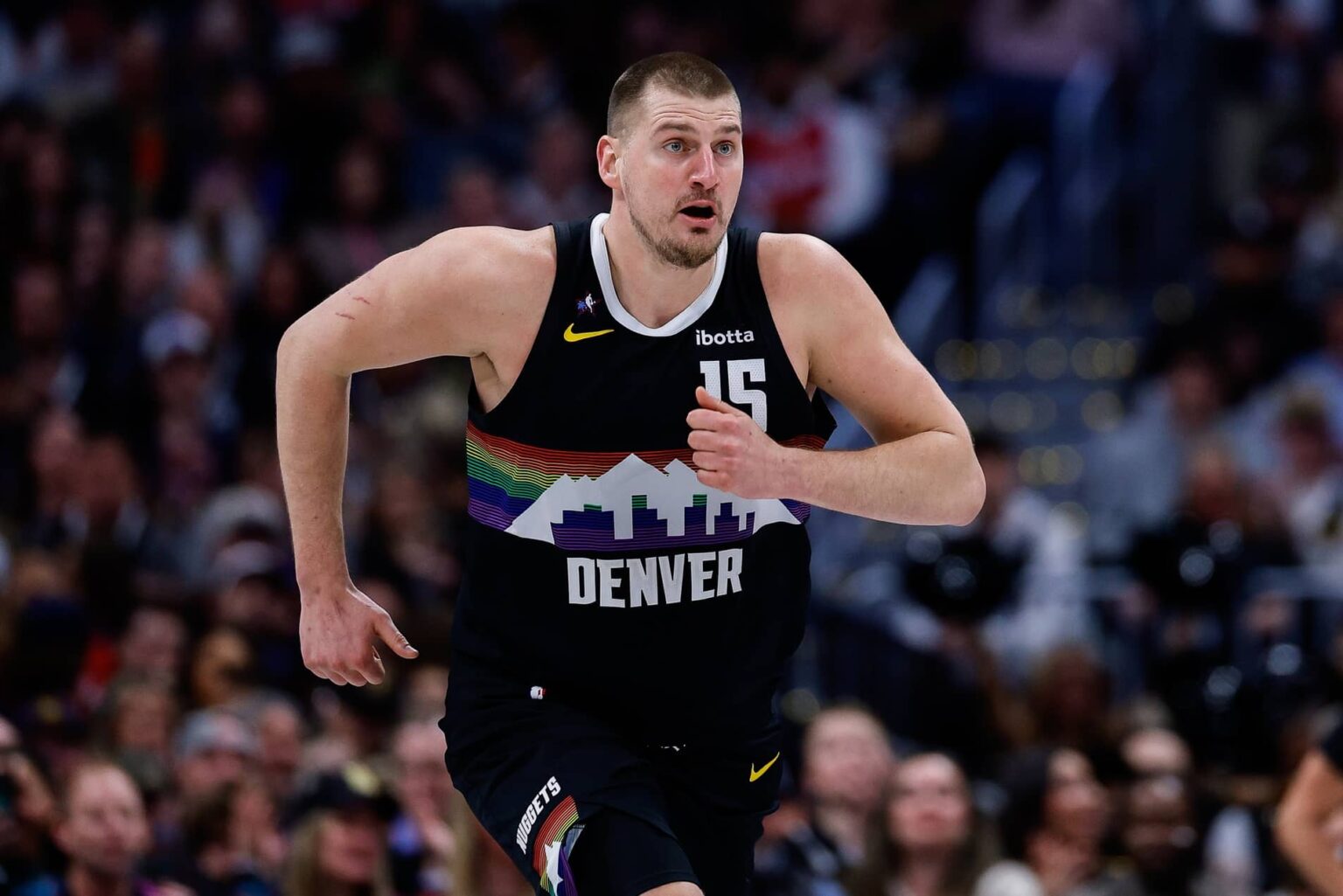
This was an interesting Nikola Jokic performance. He didn’t jump off the scoreboard, but he completely dictated the outcome.
Just 8 points, but 14 assists and 7 rebounds. Jokic was orchestrating everything, picking apart the defense possession after possession. The ball never stuck, and Denver consistently found high-quality looks because of his decision-making.
It’s the kind of performance that reminds you: dominance doesn’t always mean scoring, it means control.
2. Denver’s Efficiency Was On Another Level
The Nuggets made it look easy when it came to their marksmanship.
They finished at 50.0% from the field and a scorching 48.5% from three (16-33). Compare that to Philadelphia’s 39.4% overall and 22.0% from deep, and the gap becomes obvious quickly.
The difference wasn’t just shot-making; it was shot quality. Denver generated clean, in-rhythm looks all night, while the Sixers were often settling late in possessions or forcing contested attempts.
3. Balanced Scoring Made Denver Unstoppable
What made this performance especially dangerous was how many different players contributed.
Christian Braun led the way with 22 points on 7-9 shooting, while Cameron Johnson added 18 and knocked down all three of his attempts from deep. Aaron Gordon chipped in 12, and Jamal Murray quietly controlled stretches with 12 points and steady playmaking.
Even the bench kept the pressure on. Multiple players came in and contributed without disrupting the flow, which is usually the sign of a team that’s fully connected.
There was no weak link to target, no obvious adjustment for Philadelphia to make.
4. Philadelphia Never Found Offensive Rhythm
To put it simply, nothing came easy for the Sixers.
They shot just 9-41 from three (22.0%), and while they moved the ball at times (30 assists), it rarely led to efficient scoring. Too many possessions ended in contested jumpers or broken plays.
Quentin Grimes was the best-performing starter with 12 points, and although some individual efforts were decent, there was no cohesive bench unit to stabilize things.
Poor shooting and an identity-less offense are usually how the outcome looks against a team like Denver.