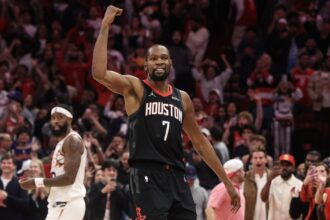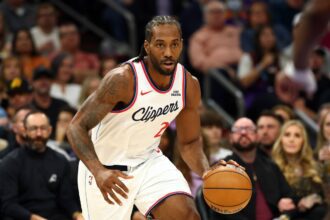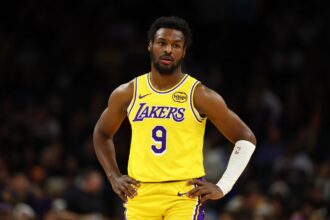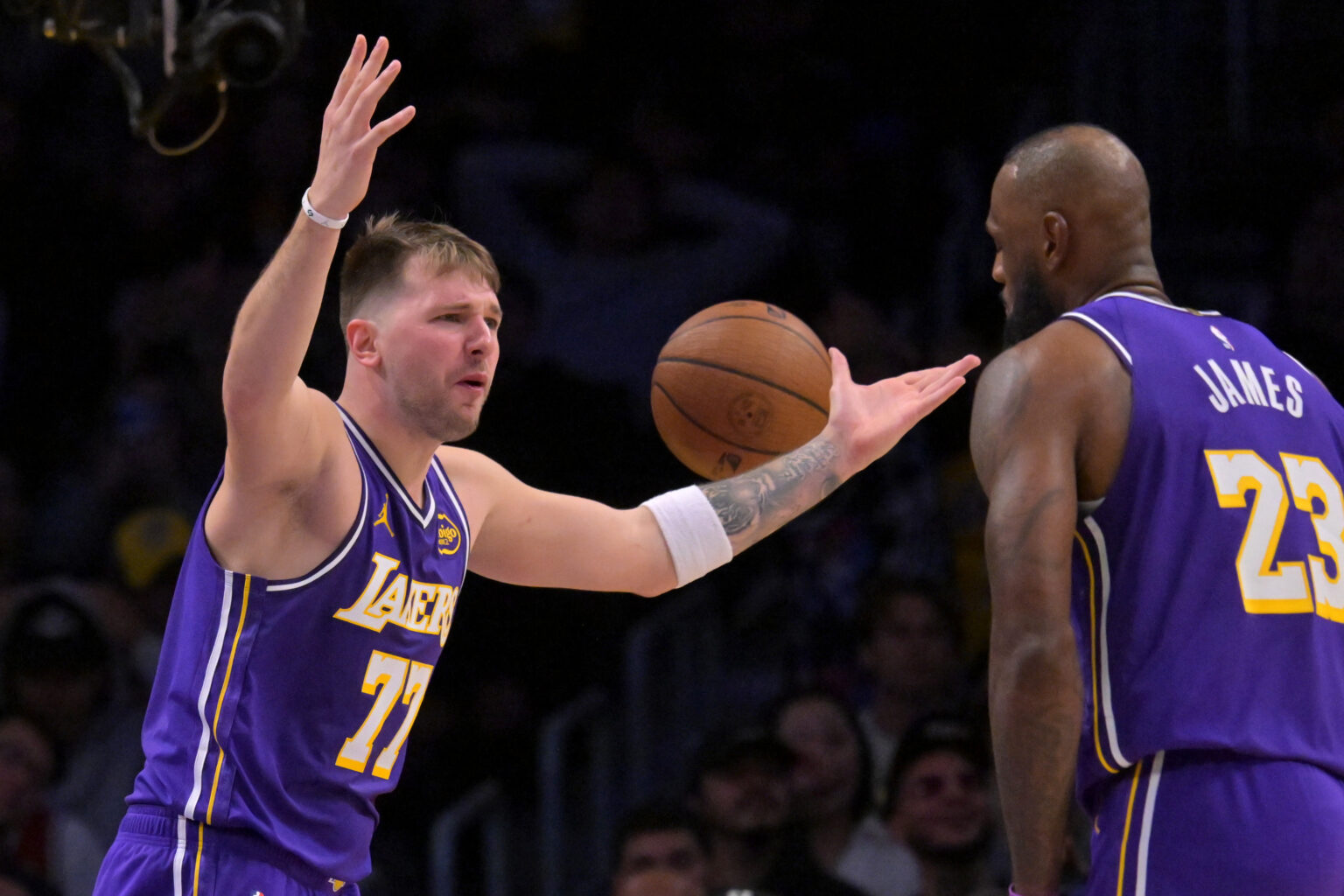
The Los Angeles Lakers are unraveling in ways that are becoming harder to ignore. A three-game losing streak capped by a humiliating Christmas Day loss to the Houston Rockets has peeled back the curtain on problems that have been simmering for weeks.
The effort has been inconsistent and the players look like they are giving up.
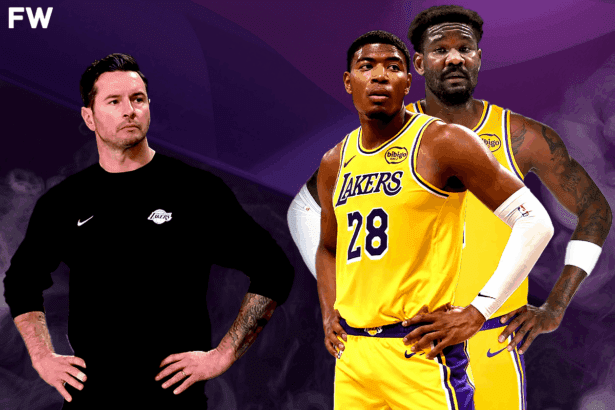
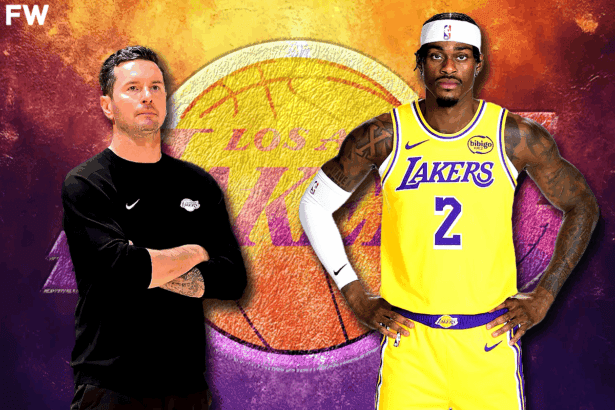
Head coach JJ Redick didn’t sugarcoat the aftermath. He acknowledged that an “uncomfortable” team meeting is coming Saturday, making it clear that patience is wearing thin. When even role players feel emboldened to speak up, it usually signals deeper issues, and that was the case when bench forward Jake LaRavia admitted publicly that something feels off inside the locker room.
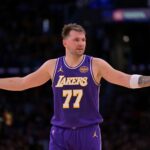
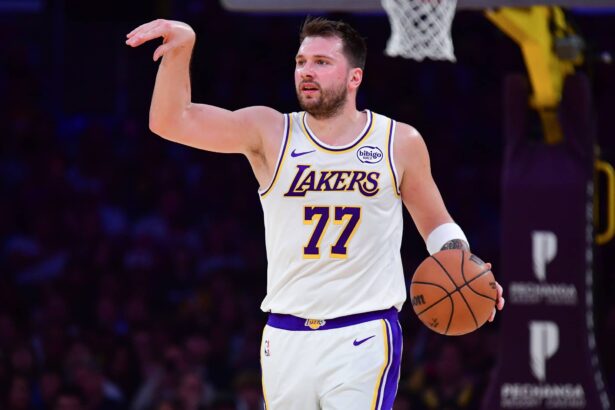
At the center of it all is the Lakers’ supposed Big Three that has not performed as leaders. Luka Doncic, LeBron James, and Austin Reaves carry the weight of expectations, but they also carry responsibility, especially when losses pile up this quickly.
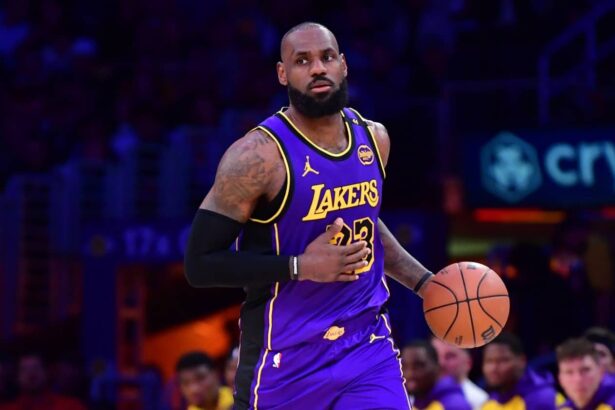
LeBron, as he approaches 41, has largely delivered on the stat sheet, yet he hasn’t escaped criticism as the team’s tone-setter. Questions that once felt unthinkable are suddenly being asked out loud: Is the current structure working? Does the rotation need a drastic reset?
And could this situation reach a point where even LeBron’s starting role gets reevaluated? Whatever the answers may be, the warning signs are flashing, and it’s time to break down the five biggest problems facing the Lakers right now.
1. Defensive Breakdowns Are Down To Personnel
The Lakers’ perimeter defense has collapsed over this three-game stretch, and the effects have been brutal. Against Phoenix, Los Angeles surrendered 58.8% shooting overall and allowed 35 assists, an unmistakable sign that dribble penetration repeatedly bent the defense.
The Clippers followed the same script, forcing rotations early and often while the Lakers failed to contain the ball, leading to 16 made threes and nearly 100% of the game spent trailing. Once the initial defender is beaten, everything else falls apart.
Houston took that weakness and turned it into a demolition. The Rockets lived in the paint, scoring 68 points inside, while the Lakers had no answers on straight-line drives or secondary cuts.
Over the three losses, Los Angeles has been outscored 198-146 in points in the paint and allowed the Suns and Rockets to shoot 58.8% and 53.3% from the field respectively. That isn’t a system issue alone, it’s an effort problem that starts on the ball and snowballs from there. Quite frankly: the Lakers have too many non-defenders on the team.
2. Ball Movement Has Dried Up
The Lakers’ offense has grown stagnant, and the assist numbers make that painfully clear. In three losses, Los Angeles recorded 22, 16, and 19 assists, while opponents piled up 35, 22, and 24. When the ball sticks, the defense doesn’t have to scramble, and it hasn’t.
Against the Suns, the Lakers assisted on barely half their made baskets while Phoenix carved them up with quick decisions. Against the Clippers, 16 assists on 34 field goals highlighted how disconnected the offense became.
Even in the Rockets game, where the shooting percentages weren’t disastrous, the lack of flow led to 23 points conceded off turnovers. When the ball doesn’t move, mistakes compound, and right now, the Lakers are playing into defenses’ hands.
3. Free-Throw Shooting Is Costing Them Games
This is one of the most under-discussed but damaging trends in the losing streak. The Lakers went 18-of-29 (62.1%) from the line against Phoenix, 14-of-23 (60.9%) versus the Clippers, and 7-of-11 (63.6%) against Houston.
That’s not just a gap, that’s points bleeding away in a league where margins matter. Across the three losses, Los Angeles left 20 free throws on the board.
Those are uncontested points, and they matter even more when the offense is sputtering. In two of these games, the Lakers were within striking distance early before missed free throws halted momentum and allowed runs to grow unchecked. Poor free-throw shooting doesn’t just hurt the scoreboard, it kills confidence and removes any margin for error.
4. Rebounding Effort Comes And Goes
The Lakers were at least competitive on the glass against Phoenix and the Clippers, but the effort cratered against Houston. The Rockets dominated the Lakers 48-25 in total rebounds, including 17 offensive boards that turned into extended possessions and second-chance points.
Houston grabbed nearly as many offensive rebounds as the Lakers had total defensive rebounds (31-18), an unacceptable imbalance. That Rockets game exposed a larger issue: physicality fluctuates night to night.
The Lakers allowed 16 fast-break points to Houston and 15 to the Clippers, often after losing rebounding battles or failing to secure loose balls. When a team can’t rely on consistent effort on the glass, it becomes vulnerable to momentum swings, and lately, the Lakers haven’t been able to stop those swings at all.
5. They’re Falling Behind Early And Can’t Recover
Perhaps the most alarming trend is how little time the Lakers are spending with control of games. Against Phoenix, they led for just 12% of the night and trailed by as many as 32 points.
Against the Clippers, they never led, trailing for 99% of the game. Houston was even worse: the Rockets led wire to wire, with a largest lead of 24. These aren’t late collapses, these are games slipping away early and staying gone.
The Lakers have been outscored heavily in first and third quarters during this stretch, allowing opponents to dictate pace before halftime adjustments even matter. When a team consistently plays from behind, urgency replaces execution, and desperation replaces discipline.
That’s exactly where the Lakers are right now: chasing games instead of controlling them. It’s about time we realize that the Lakers are not the elite team they should be when simply looking at the names on the box score.