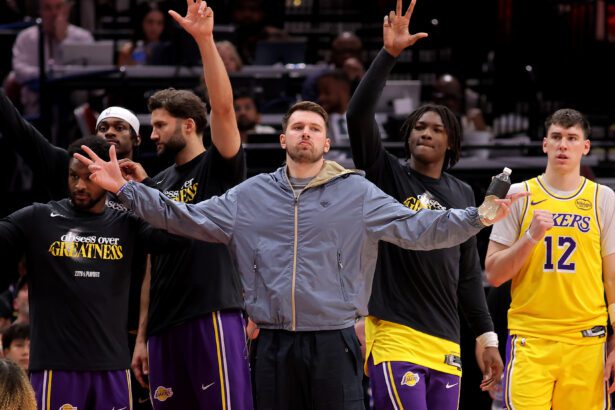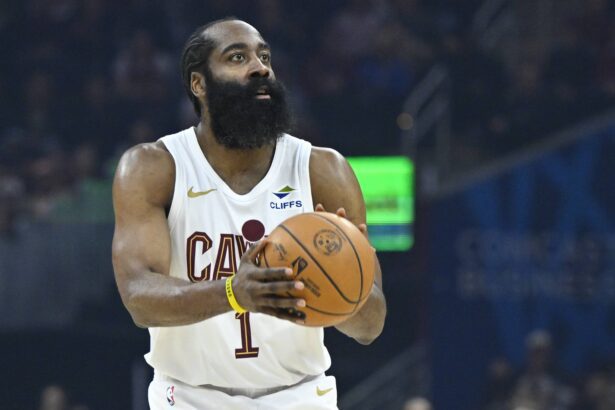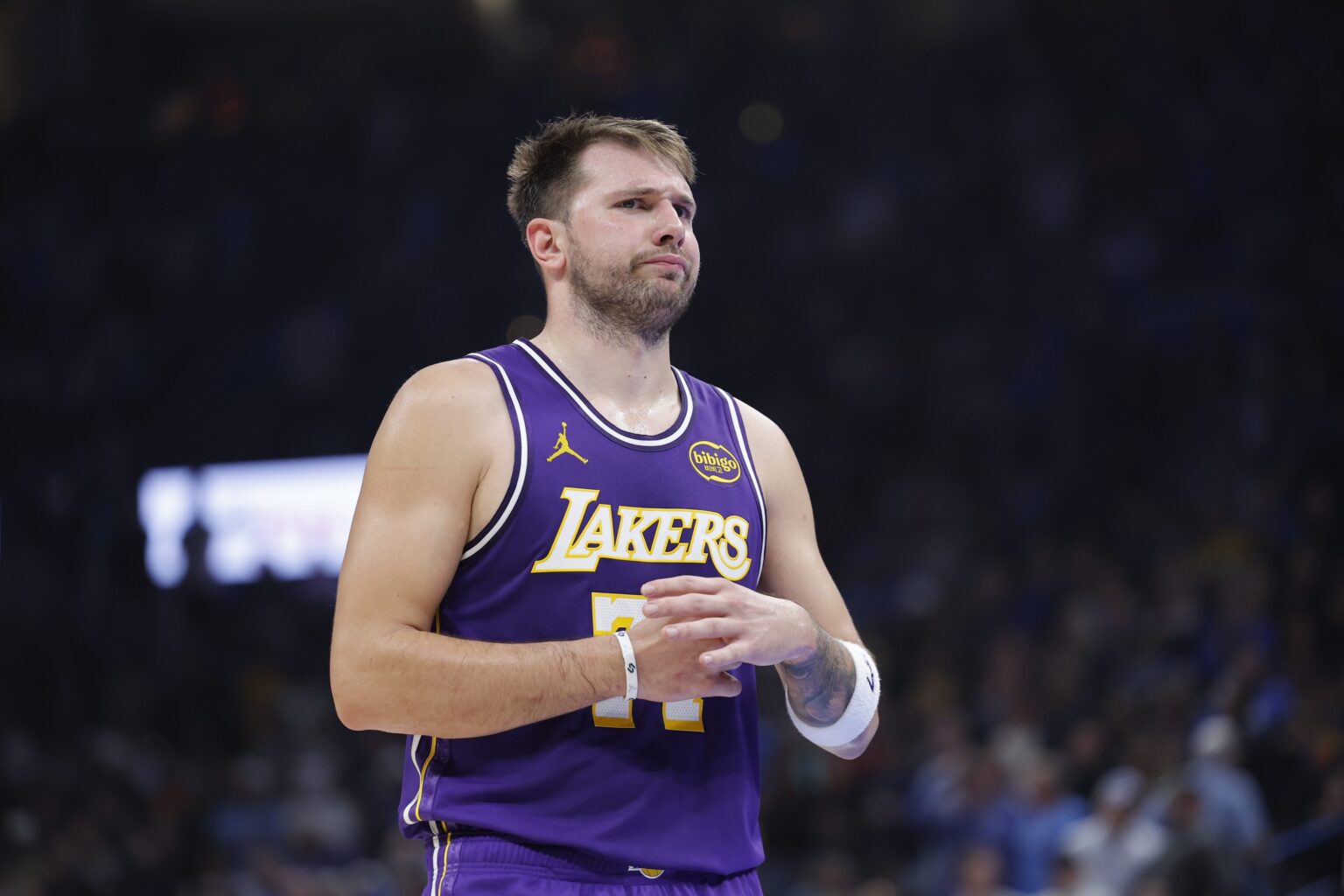
The Lakers host the Knicks on Sunday, March 8, at 3:30 PM ET on ABC.
The Lakers are 38-25 and sixth in the West, while the Knicks are 41-23 and third in the East. At home, the Lakers are 19-12, and the Knicks are 17-14 on the road.
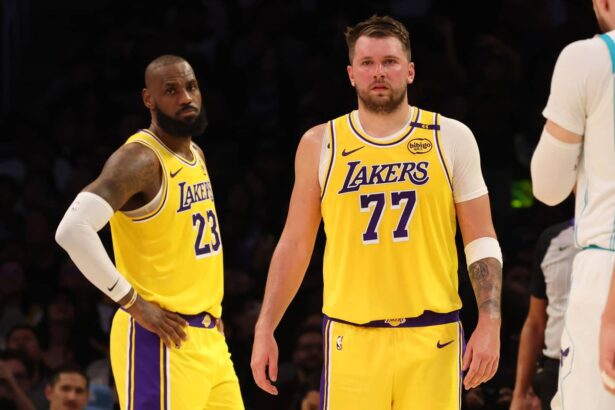
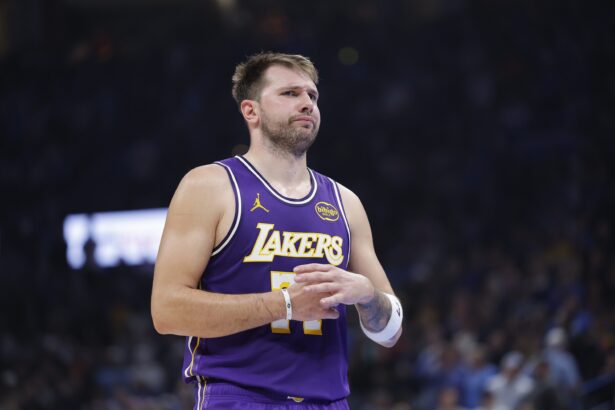
Both teams come in off Friday wins. The Lakers beat the Pacers 128-117 behind 44 points from Luka Doncic, while the Knicks routed the Nuggets 142-103 after a 34-point night from OG Anunoby. The season series is 1-0 Knicks after the 112-100 result in the first meeting on Feb. 1.
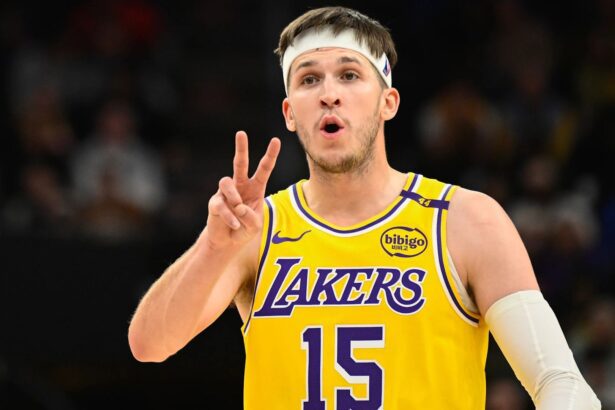
Jalen Brunson is averaging 26.2 points, 3.4 rebounds, and 6.5 assists, and Karl-Anthony Towns is at 19.7 points, 11.9 rebounds, and 2.8 assists. For the Lakers, Doncic is putting up 32.5 points, 7.8 rebounds, and 8.5 assists, while Austin Reaves adds 23.5 points, 4.7 rebounds, and 5.4 assists.
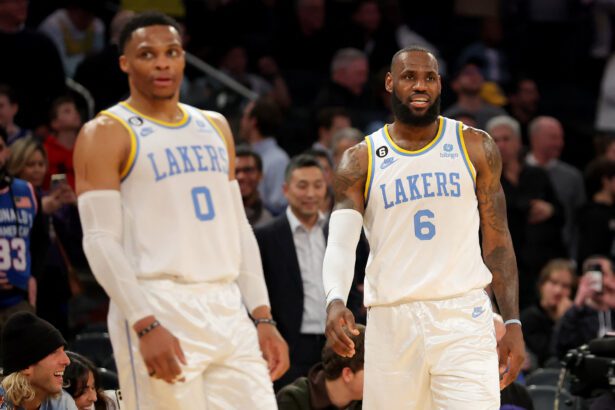
The setup is clean. The Knicks already handled one meeting, but the rematch shifts to the Lakers’ floor, and they are coming with LeBron James still sidelined.
Injury Report
Lakers
Bronny James: Out (G League – On Assignment)
LeBron James: Out (left elbow contusion and left foot arthritis)
Maxi Kleber: Questionable (lumbar back strain)
Knicks
Dillon Jones: Out (G League – Two-Way)
Miles McBride: Out (core muscle surgery)
Landry Shamet: Questionable (cervical sprain)
Why The Lakers Have The Advantage
The Lakers’ first edge is simple scoring efficiency. They are at 116.0 points per game, 49.9% from the field, and 26.3 free throw attempts per game. That field-goal percentage is the best mark in the league, and the free-throw volume is near the top as well.
The style is direct. The Lakers are not built around huge three-point volume, sitting at 33.5 attempts and 12.0 makes per game, but they still score because they finish efficiently inside the arc and live at the line. Against a Knicks defense that has been good all year, that gives the Lakers a more stable half-court scoring path than a pure jump-shooting approach.
There is also a clear shot-quality gap in the matchup. The Knicks are allowing 110.8 points per game, which is strong, but the Lakers are one of the few teams that can attack without relying on 40-plus threes to reach their number. If the Lakers get downhill and force help, they can keep the game in the paint and at the foul line rather than letting it turn into a clean, spaced-up Knicks rhythm game.
The risk is on the glass. The Lakers are at 40.9 rebounds per game, which is one of the weakest numbers among contenders, and that becomes more important with frontcourt health still uneven. If they do not finish possessions, the rest of the efficiency profile gets harder to cash in.
Turnovers are the other swing category. The Lakers commit 14.7 per game, which is not a disaster, but it is not clean enough to absorb a bad rebounding night, too. The clean Lakers script is efficient shooting, trips to the line, and no long stretches of empty possessions.
Why The Knicks Have The Advantage
The Knicks bring the better overall two-way season line. They are scoring 117.2 points per game, grabbing 46.1 rebounds, handing out 27.4 assists, and turning it over only 13.6 times per game. That is a balanced team profile, and several of those numbers sit in the upper tier of the league.
The perimeter production is a real separator. The Knicks are making 14.8 threes per game on 39.3 attempts while shooting 37.5% from deep. That volume-plus-efficiency mix is one of the clearest reasons their offense has held up against strong opponents.
Rebounding is the other clean edge. The Knicks are at 46.1 rebounds per game and 12.8 offensive rebounds per game, while the Lakers sit at 40.9 total rebounds and only 9.4 offensive rebounds. If the Knicks own the glass, they can create extra shots without needing a huge isolation game from Brunson.
There is also more structure in the possession game. The Knicks’ 13.6 turnovers per game is a better number than the Lakers’ 14.7, and that becomes important in a matchup where both teams can score. Fewer wasted trips usually means fewer comeback windows for the opponent.
The matchup points back to the same place. If the Knicks keep the Lakers from living at the line and do their normal work on the glass, they have enough shooting and enough ball movement to control long stretches of the game. That is how the first meeting tilted, and it is still the cleanest road formula here.
X-Factors
Luke Kennard is at 8.3 points, 2.2 rebounds, and 2.0 assists while shooting 50.0% from three. The Lakers need his spacing because the Knicks are comfortable helping off the weak side when they trust the shooter less. If Kennard hits open threes, the floor opens and the Lakers’ driving game gets cleaner.
Jake LaRavia is putting up 9.0 points, 3.9 rebounds, and 1.9 assists. His importance here is lineup balance. With the Lakers still dealing with frontcourt questions, LaRavia has to rebound his spot, keep the ball moving, and give the Lakers another playable wing who does not stall the offense.
OG Anunoby is at 16.1 points, 5.2 rebounds, and 2.2 assists. His role here is defending a bigger scoring assignment without taking anything away from the Knicks’ spacing. If Anunoby gives the Knicks strong wing defense and another efficient scoring line, it takes pressure off Brunson to carry every half-court possession.
Josh Hart is averaging 11.8 points, 7.5 rebounds, and 5.2 assists. In this matchup, his value starts with the glass and moves into transition. If Hart rebounds out of his area and pushes the ball quickly, the Knicks can get easier offense before the Lakers set their defense.
Prediction
I’m taking the Knicks. The team profile is cleaner: 117.2 points per game, 46.1 rebounds, 14.8 threes made, and only 13.6 turnovers. The Lakers have the best field-goal percentage in the league and enough scoring to win this game, but the Knicks have the stronger rebounding edge and the steadier full-game structure.
Prediction: Knicks 118, Lakers 113