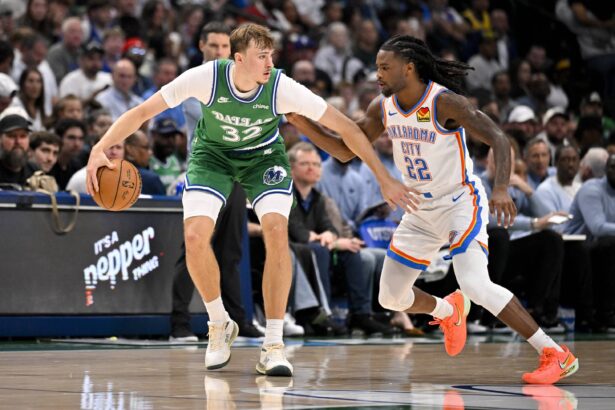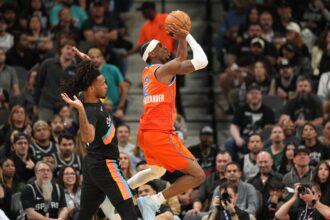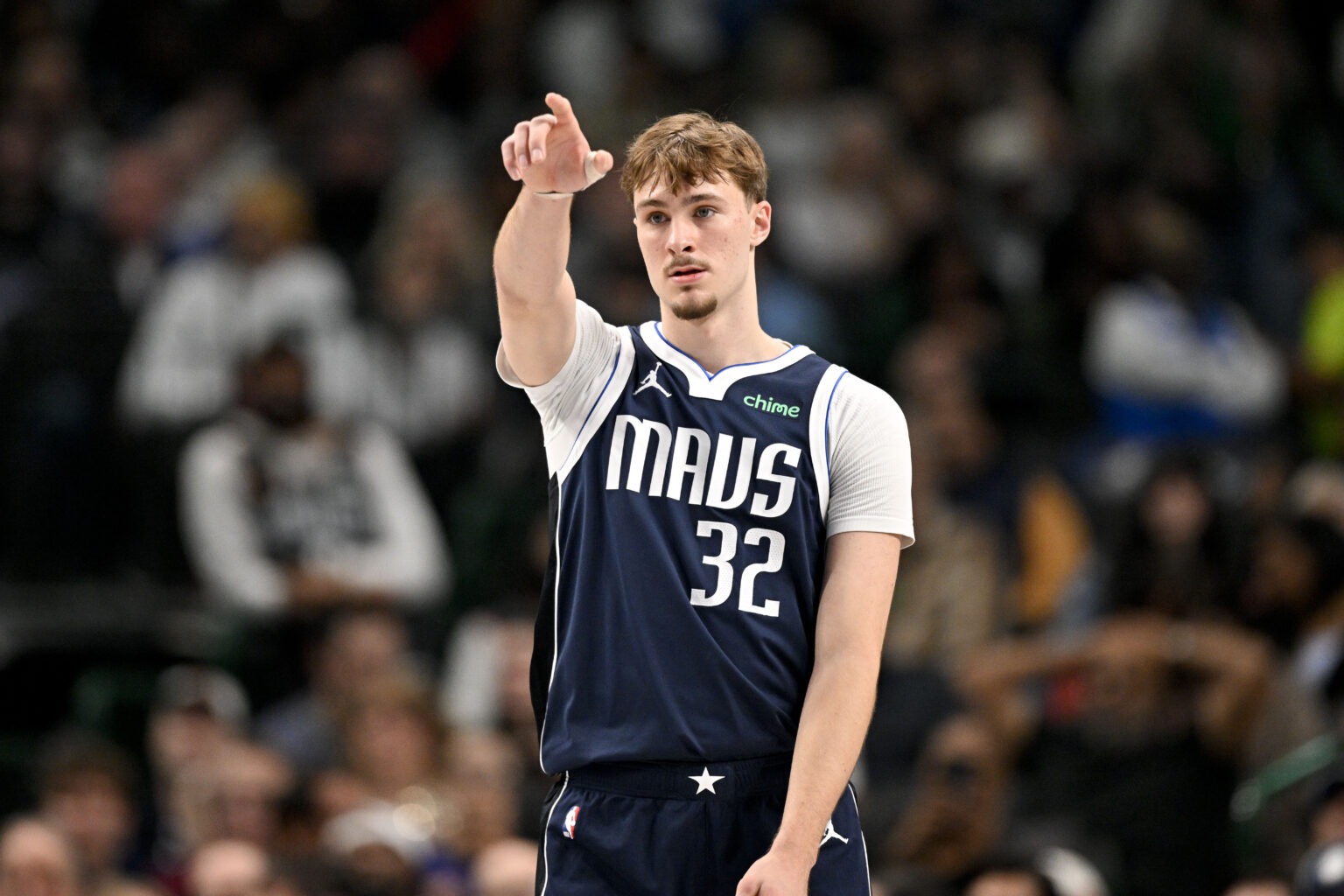
Some wins show up neatly in the standings. Others leave a mark because of how they’re earned. The Mavericks’ 116-114 overtime victory over the Pistons fell squarely into the second category – messy, exhausting, and built entirely on guts.
The Mavericks had to dig in deep to prove they are not a laughing stock since the Luka Doncic trade tonight. They didn’t dominate possession. But they executed when it mattered, lived at the free-throw line, and protected the rim like a team that knew the moment demanded it.
In a season filled with ups and downs, this one felt like a statement win, not because it was pretty, but because Dallas found a way. Let’s dive into the three major takeaways of this performance.
Dallas Won This Game At The Free-Throw Line
When two teams struggle equally from the perimeter, the difference often comes down to who can manufacture points. Dallas did exactly that, attempting 36 free throws and converting 31 of them, good for 86% on the night. Detroit, by comparison, went just 14-of-20 from the stripe.
That disparity became magnified in overtime. Cooper Flagg, who finished with 23 points, 10 rebounds, and 7-of-7 free-throw shooting, repeatedly attacked downhill instead of settling. Brandon Williams and Max Christie combined to go 13-of-16 from the line off the bench, providing steady scoring when the offense stalled.
Despite shooting only 45% from the field and a rough 5-of-27 from three, Dallas still managed to score 116 points because they kept forcing fouls. The Pistons committed 27 personal fouls, and Dallas punished nearly every one. In a game that came down to two points, the free-throw line was the clearest separator.
Dallas’ Rim Protection Completely Flipped The Game
Detroit owned the paint statistically, scoring 70 points inside and pulling down a massive 26 offensive rebounds. Yet for all that effort, the Pistons struggled to finish cleanly, and Dallas’ shot blocking played a huge role.
The Mavericks recorded 15 blocks, more than tripling Detroit’s total. Anthony Davis anchored everything, posting 3 blocks and 14 rebounds in 37 minutes while altering countless attempts that didn’t show up in the box score. P.J. Washington added 4 blocks, often rotating late to erase what looked like easy baskets.
Even guards got involved. Cooper Flagg chipped in 3 blocks, using his length to disrupt Cade Cunningham and force awkward finishes. Detroit shot just 39% overall, despite taking 122 field-goal attempts, largely because so many shots were rushed or contested near the rim.
When overtime arrived, Detroit went cold. Dallas’ interior defense forced tough angles, limited second chances, and made every possession feel heavier. Those stops were just as valuable as any made basket.
Dallas Stayed Composed While Detroit Wore Down
Cade Cunningham was exceptional, logging 29 points, 10 rebounds, and 9 assists in a grueling 45-minute performance. Jalen Duren battled inside for 17 points and 13 boards, and Detroit’s bench provided energy throughout. But the workload eventually caught up.
Dallas, meanwhile, spread the responsibility. Five Mavericks scored in double figures, including 16 from Naji Marshall, 15 from Anthony Davis, and 14 from Brandon Williams off the bench. Even without efficient shooting nights, Dallas avoided long droughts by moving the ball and attacking mismatches.
Detroit’s shooting numbers told the story late. The Pistons finished 6-of-33 from three (18%), and several of those misses came on clean looks in overtime. Dallas didn’t overextend defensively, they stayed home, trusted rotations, and forced Detroit to make shots they simply couldn’t convert.
The Mavericks led for 77% of the game and built an 18-point advantage, but more importantly, they never panicked when Detroit pushed back. In a game defined by physicality and fatigue, Dallas was the steadier team when it counted most.