The Rookie of the Year race has turned into a straight-up brawl this season. There isn’t one clear runaway; there are tiers, swings, hot streaks, and roles that look totally different depending on what each team needs. Some rookies are carrying broken lineups and getting every on-ball rep imaginable, while others are earning minutes on teams that actually care about winning, which makes the debate way more fun and way more chaotic.
What makes it extra spicy is that the “best rookie” argument changes depending on what you value. Shot creation vs. two-way impact. Volume scoring vs. efficiency. Highlight nights vs. consistency.
And with the deadline stretch and the second-half push coming, this list is basically a living thing, one week of big games can flip the order fast.
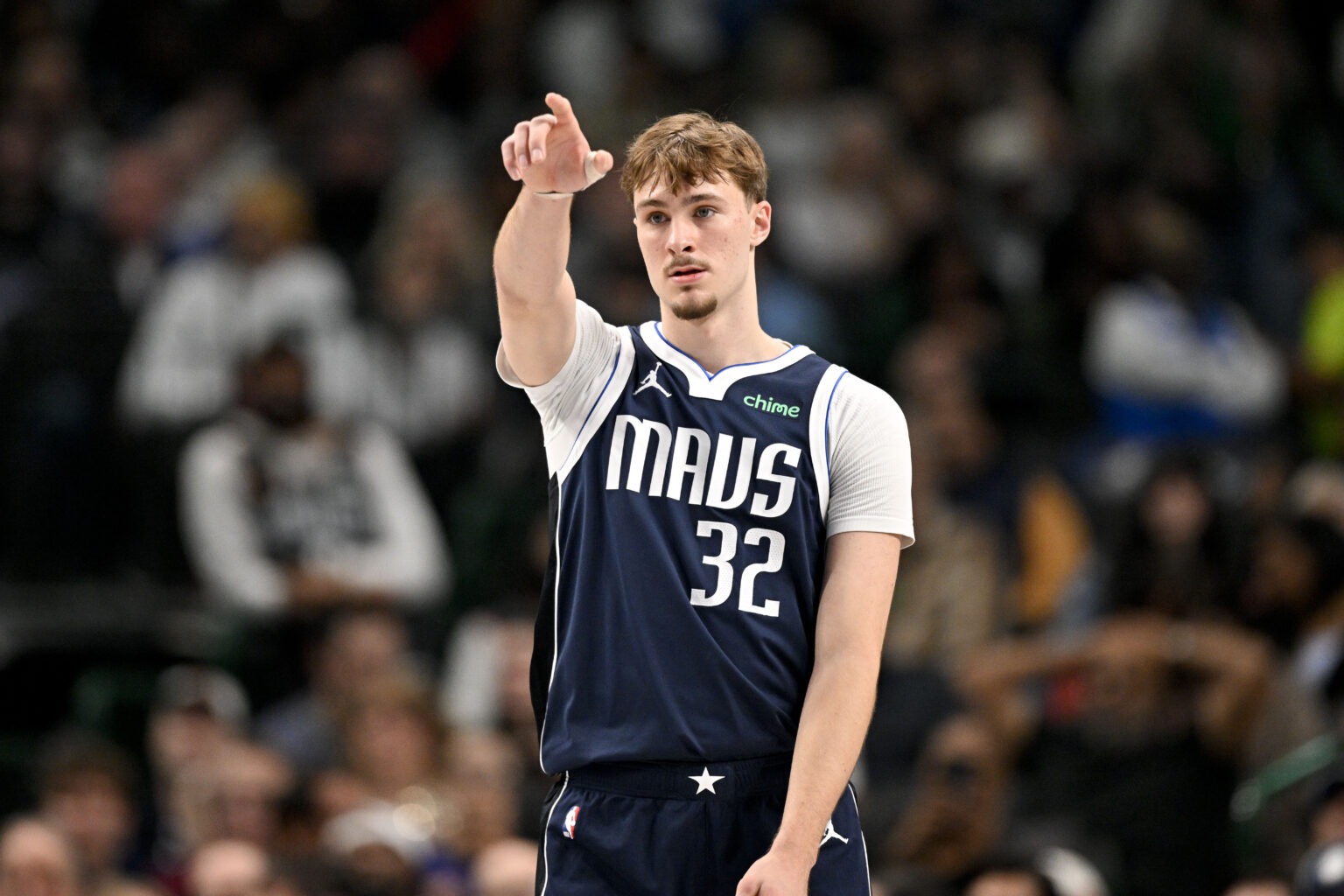
1. Cooper Flagg
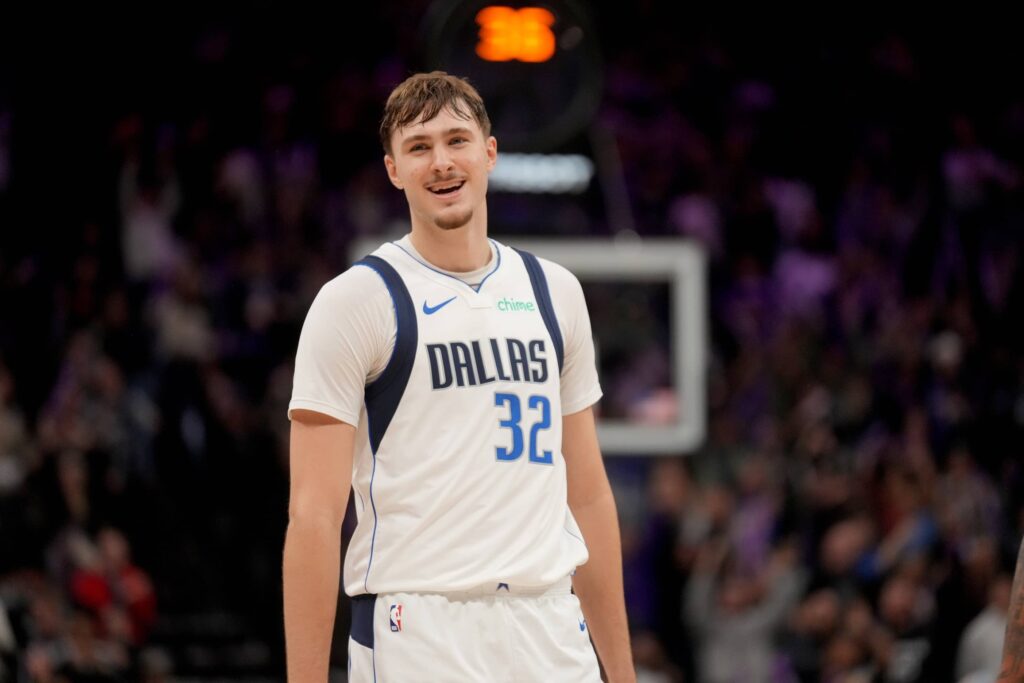
This race is wild, but the top spot still belongs to Cooper Flagg because he’s been the only rookie who looks like a nightly two-way centerpiece instead of a “nice story.” The Mavs are 17-26 and sitting 12th in the West, so he’s not getting the easy version of this season either. He’s playing real minutes, in real pressure, on a team that needs him to be a grown-up already.
The production is flat-out the strongest all-around package in the class: Flagg is at 18.8 points, 6.3 rebounds, 4.2 assists, 1.3 steals, and 0.8 blocks, shooting 47.8% from the field and 28.7% from three (with 81.8% at the line). The jumper hasn’t been elite yet, and that’s honestly why I’m even more confident about him at No. 1. He’s still driving winning possessions without the “easy” scoring crutch.
What separates him is how many different ways he can wreck a game. If defenses switch, he can bully a smaller wing and make a simple read. If they stay home on shooters, he can get downhill and finish or spray it out. If they help, he finds the next pass fast. And defensively, he doesn’t just survive. He makes plays. The steal and block numbers aren’t empty either, he’s constantly in the lane at the right time, and he’s athletic enough to recover when the rotation gets messy.
On a better team, his narrative would be unstoppable because his best stretches look like a future All-NBA wing already. But the Mavs context actually helps his case in a different way: he doesn’t get to coast. Every good Flagg game matters because the Mavs are trying to climb out of the bottom half of the West. That pressure has forced him to be more physical, more decisive, and more consistent.
The real ROTY debate is whether anyone can match his total impact, not just his points. Right now, nobody does.
2. Kon Knueppel
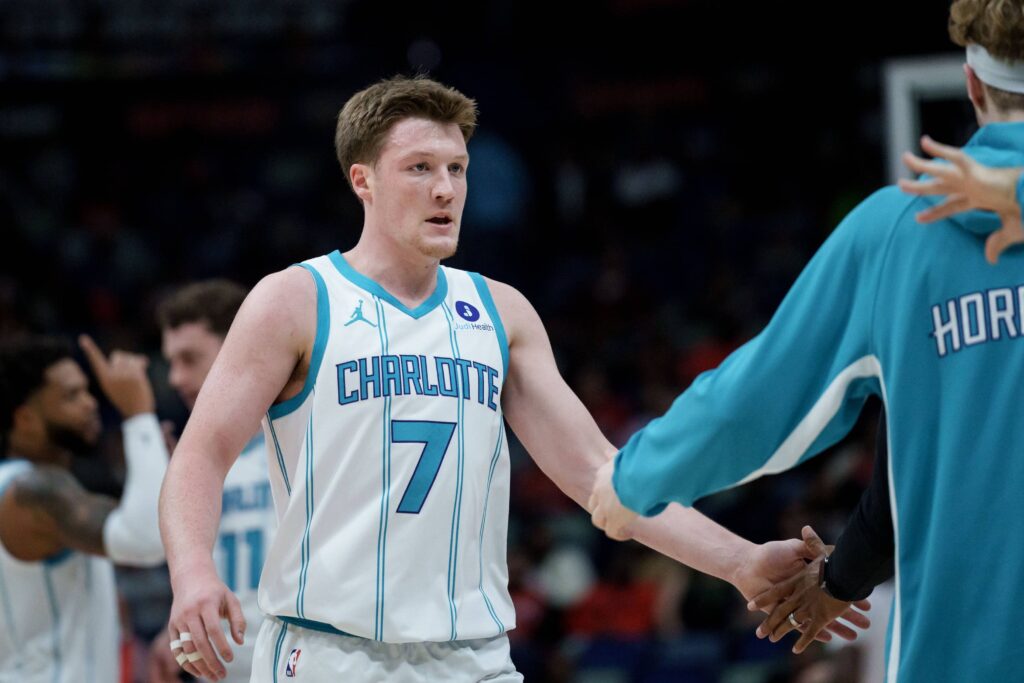
Some rookies score. Kon Knueppel scores and bends the geometry, which is the whole cheat code for being a winning offensive player early. The Hornets are 15-27 and sitting 12th in the East, so he’s also doing this in lineups that don’t always give him clean spacing or a stable pecking order.
The stat line pops like a veteran bucket-getter: Knueppel is at 19.2 points, 5.3 rebounds, and 3.6 assists, shooting 48.8% from the field and a ridiculous 43.4% from three, plus 89.2% from the line. And it’s not like he’s taking two threes a night, either. He’s averaging 3.4 makes from deep and already has 141 threes on the season. That’s the kind of volume-plus-efficiency combo that changes how teams guard the entire Hornets offense.
The best part is how he creates those threes. It isn’t just “stand in the corner and hope.” He’s comfortable relocating, popping out after making a pass, and punishing every moment of hesitation. The release is quick, the footwork is clean, and he’s confident enough to take the big-boy attempts, the ones where a defender is flying at him and he still lets it go.
Why he’s second and not first is basically one thing: Flagg gives more on defense and does more as a primary creator. Knueppel is good, but he’s more of an offensive weapon than a two-way engine right now. Still, the Hornets build gets clearer when he’s on the floor. They have a guy who can tilt a defense, and that’s rare for a rookie.
The other sneaky thing: the assist number. 3.6 a game for a rookie wing scorer is real. He’s not just a shot-chucker. He can move the ball, hit the simple read, and keep the offense from dying.
If anyone is going to truly threaten Flagg for No. 1 by the end, it’s Knueppel, because elite shooting travels and voters love points.
3. VJ Edgecombe
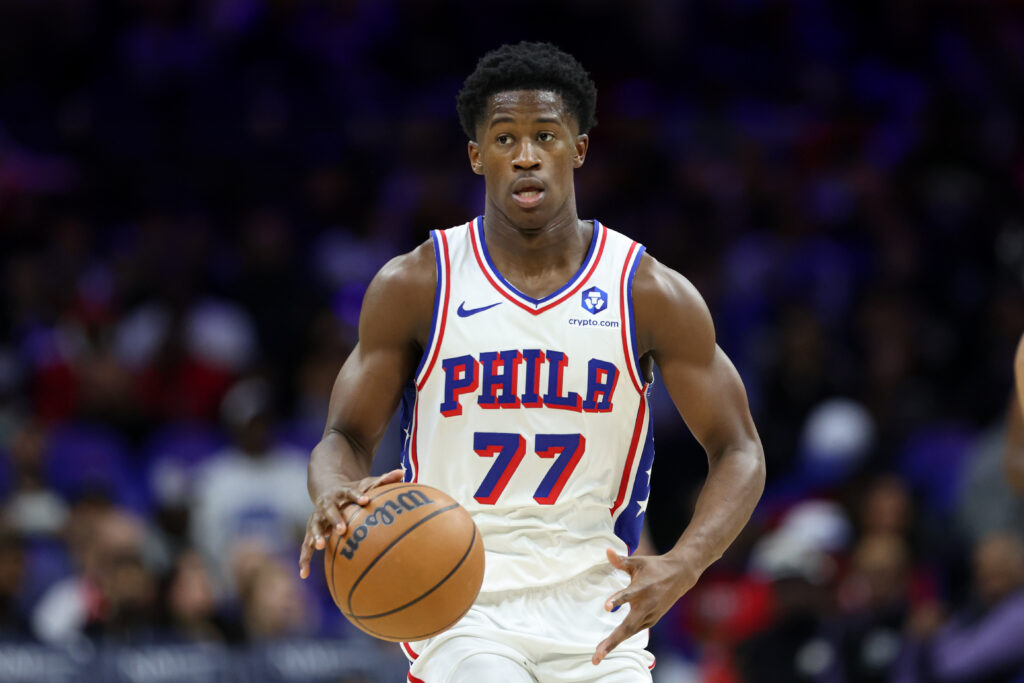
This is the “hard job” rookie, and VJ Edgecombe has handled it like he’s been in the league for three years. The 76ers are 22-18 and sitting 7th in the East, which means his production isn’t empty calories. It’s helping a team that actually cares about wins right now.
Edgecombe’s season numbers are a clean, big-responsibility line: 15.7 points, 5.3 rebounds, 4.3 assists, and 1.5 steals, with 42.9% from the field and 38.2% from three. That’s a lot of ball-handling for a rookie, and the assist number tells the story. He’s not just finishing plays, he’s initiating them. And the steals show he’s not sleepwalking defensively, he’s active and disruptive.
The reason he sits third in this ranking is the blend. Some rookies are better scorers, some have a more obvious highlight reel, but Edgecombe is impacting both ends while doing connector work. He attacks closeouts, he pushes pace, he keeps the ball moving, and he actually competes at the point of attack.
There’s also a real “right now” momentum to his case. Over his last 10 games, he’s been at 16.1 points, 5.2 assists, and 4.7 rebounds. That’s the kind of late-December into January push that changes how people talk about the race. If he keeps that up into March, the narrative becomes: “He’s helping a playoff team, and he’s getting better every month.”
Fit-wise with the 76ers, the role is perfect. They don’t need him to be the whole offense, they need him to be the accelerator. When he plays with veterans, he gets cleaner lanes and easier kickouts. When the lineup is younger, he gets to drive the car.
He’s still got rookie rough edges, mostly finishing efficiency and some shot selection, but that’s normal for a guy doing this much. The big thing is that he doesn’t look overwhelmed, even when defenses load up on him.
Third feels right because the top two have louder scoring profiles. But if anyone in this tier makes the “I belong in the top two” leap, it’s Edgecombe.
4. Derik Queen
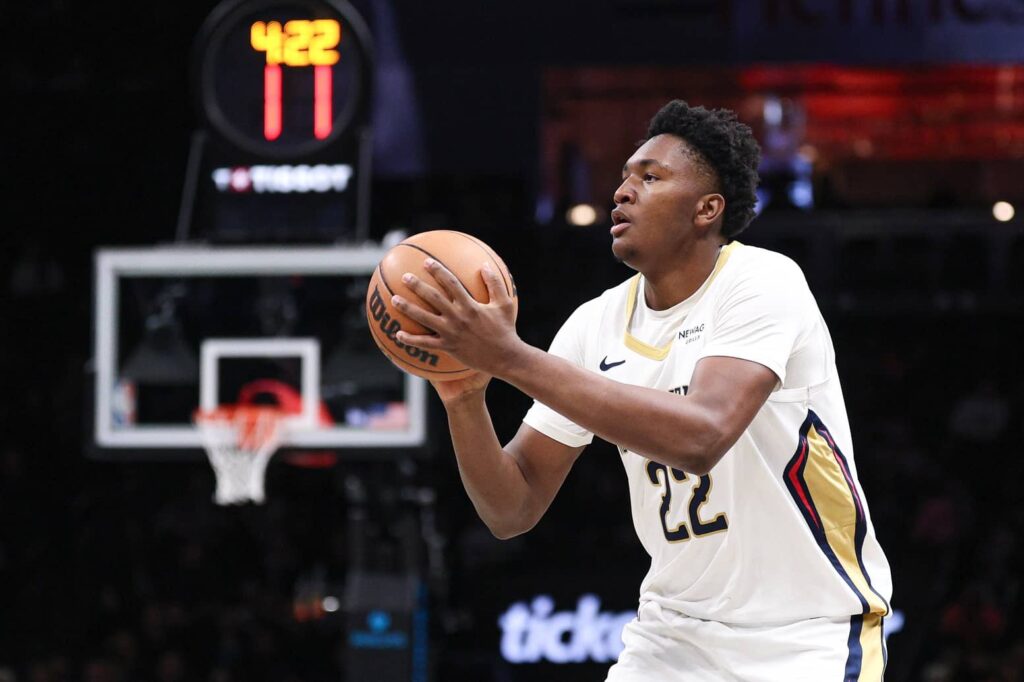
This is the most fun rookie big in the class, because Derik Queen doesn’t play like a standard center. The Pelicans are 10-34 and sitting 15th in the West, so the season has been ugly, but Queen has been the bright spot that keeps games watchable.
The numbers are legit for a rookie big, and the passing is what makes it special: 12.6 points, 7.6 rebounds, 4.3 assists, plus 1.0 blocks, shooting 48.9% from the field. For a rookie center to flirt with 4-plus assists, that’s not normal. That’s “future offensive hub” stuff, especially when the roster around him has been battered.
The context matters too. Queen has already had moments that scream “this guy is different,” including multi-category games that look like a veteran point-center. He already logged triple-doubles and is being treated internally like a franchise cornerstone. That’s not typical rookie hype, that’s performance forcing the conversation.
As a fit, he’s basically the Pelicans’ offensive stabilizer. He can operate from the elbow, he can hit cutters, and he can play dribble-handoff basketball without the offense turning into chaos. That matters on a team that often needs structure just to survive possessions.
Why isn’t he higher? Two reasons. First, the Pelicans are buried, so the national spotlight is lighter. Second, his efficiency and spacing are still developing. The three-point number is low, and defenses don’t treat him like a shooter yet. But the counter is easy: he’s a rookie center, and the stuff he already does well is harder to teach than shooting.
Defensively, he’s not a finished product, but he competes, and he’s learning positioning. The rebounding is real, and the best part is he doesn’t need plays called for him to impact the game. He can get 12, 8, and 5 while also being the guy who makes the right pass to unlock an open three.
In a different season for the Pelicans, he’d probably be getting more mainstream ROTY love. The talent is obvious. The production is already advanced. And the passing gives him a ceiling that most rookies in this class don’t touch.
5. Cedric Coward
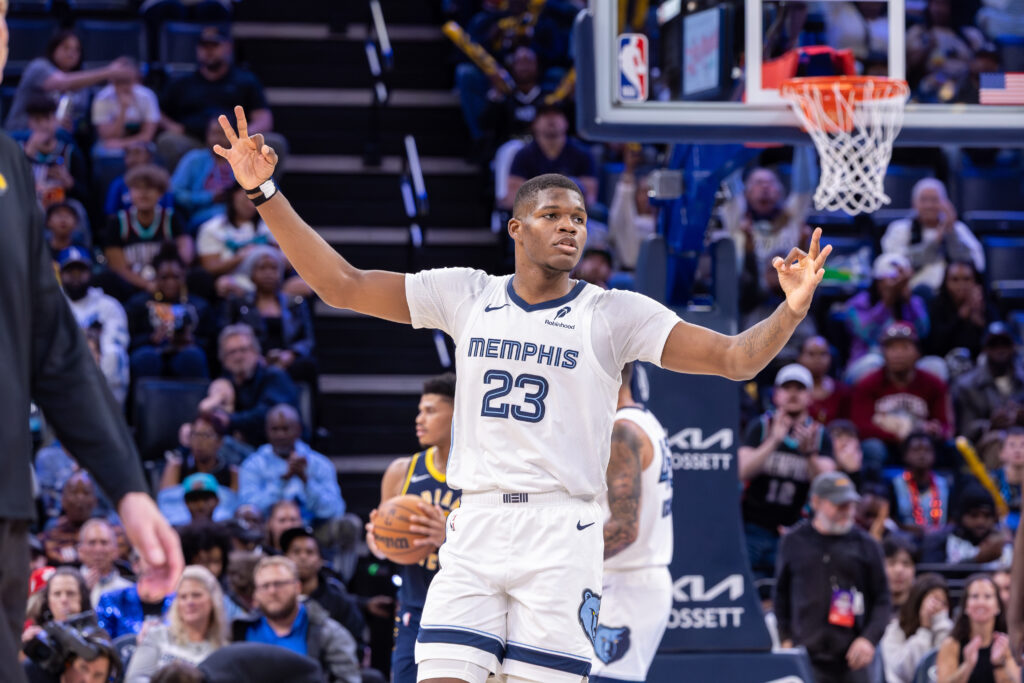
This is the steady ladder-climber rookie, the one who doesn’t need a loud narrative because he just keeps stacking productive nights. Cedric Coward has been that guy for the Grizzlies, and the team context makes his impact feel even more valuable. The Grizzlies are 17-23 and sitting 11th in the West, so they’ve been in that messy middle, and rookies usually don’t stabilize messy teams. Coward has.
His season line is one of the best “role-player-plus” stat packages in the class: 14.0 points, 6.6 rebounds, and 2.9 assists, shooting 47.1% from the field with 34.3% from three and 84.9% at the line. It’s not just the points, it’s the rebounding. 6.6 boards from a rookie wing/guard type is a real number, the kind that ends possessions and starts breaks.
What makes him a real fit in the Grizzlies ecosystem is that he plays like a connector who can also get a bucket. He doesn’t freeze the offense. He cuts, he attacks closeouts, he keeps the ball moving, and he’s comfortable playing off better creators. That’s how rookies earn minutes on teams trying to win games, even when the season is weird.
The shooting is the swing. 34.3% from three isn’t elite, but it’s respectable enough that defenses can’t totally ignore him. And when the Grizzlies need him to do more, he can. That’s why his nights don’t feel like random hot streaks. They feel repeatable.
In the ROTY conversation, Coward is getting penalized a bit because he’s not a top-five pick with daily highlight clips. But if the award was “which rookie do coaches trust,” he’d be higher. He’s predictable, in the best way. You know what you’re getting, and it helps the team.
To climb into the top three, he’d need either a scoring spike or a signature run where he carries games. But top five is the right spot because his two-way usefulness is real, the minutes are real, and the production is not fluky.
This is the type of rookie who ends up being a playoff rotation guy fast, and then everyone wonders why he wasn’t treated like a bigger deal earlier.
6. Jeremiah Fears
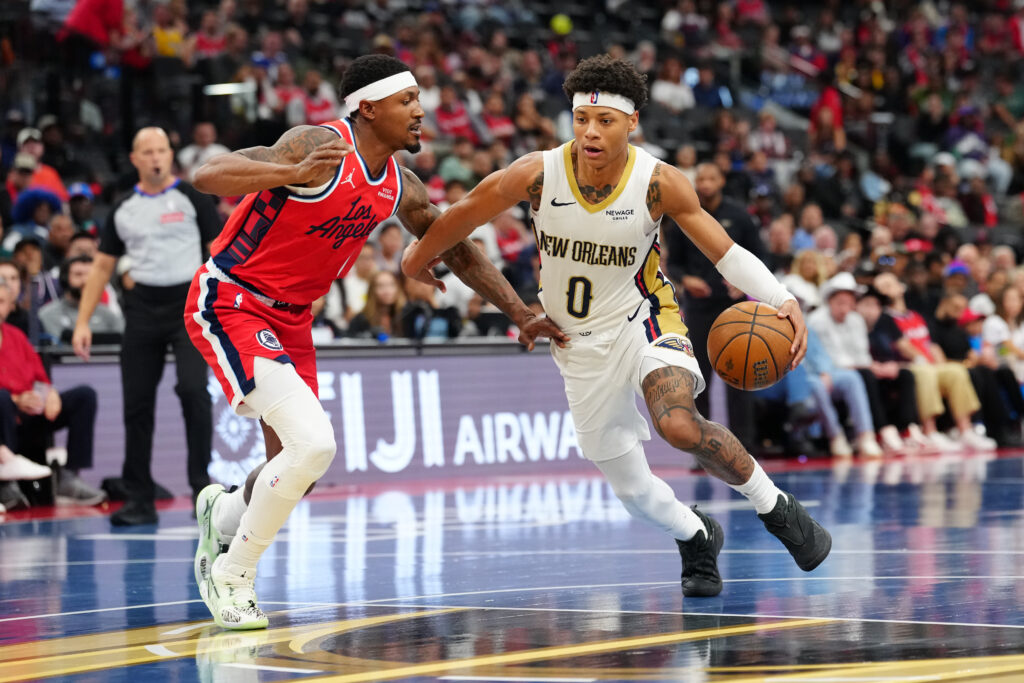
This is where the ranking gets spicy, because Jeremiah Fears has the kind of scoring and on-ball creation that can jump him up the list if he gets hot for six straight weeks. The Pelicans opened a massive runway for him to play through mistakes and grow fast.
His baseline numbers already look like a real NBA guard: 14.2 points, 3.7 rebounds, 3.2 assists, and 1.2 steals in 26.9 minutes, with 43.6% from the field, 32.9% from three, and 80.0% at the line. The shooting splits tell the honest story. He’s not a finished shooter yet, but he’s not scared, and he’s got enough touch that you can project improvement.
The fit is about creation. The Pelicans need guys who can manufacture offense without perfect spacing, and Fears can do that. He can get into the lane, he can pull up, he can hit a basic read, and he can pressure defenses late in the clock. That stuff matters on a team that has had too many possessions die.
The reason he sits above some names with similar points is the “how.” His points come with actual guard work, not just spot-ups. He’s handling, he’s probing, he’s making defenders move. And his steals number is a little hint that he’s not asleep defensively.
Where he loses ground in the race is efficiency and team success. The Pelicans being buried means his mistakes get less spotlight, but it also means his wins don’t get credited the same way. And the 32.9% from three is the thing that’s keeping him from the top five conversation turning into top three. If that climbs into the mid-30s while the volume stays, his case changes fast.
This spot is basically a bet that the second half of the season is where he takes the leap. The talent says it’s possible. The role says he’ll get the reps. And if the Pelicans keep letting him run, the counting stats could get loud.
7. Tre Johnson
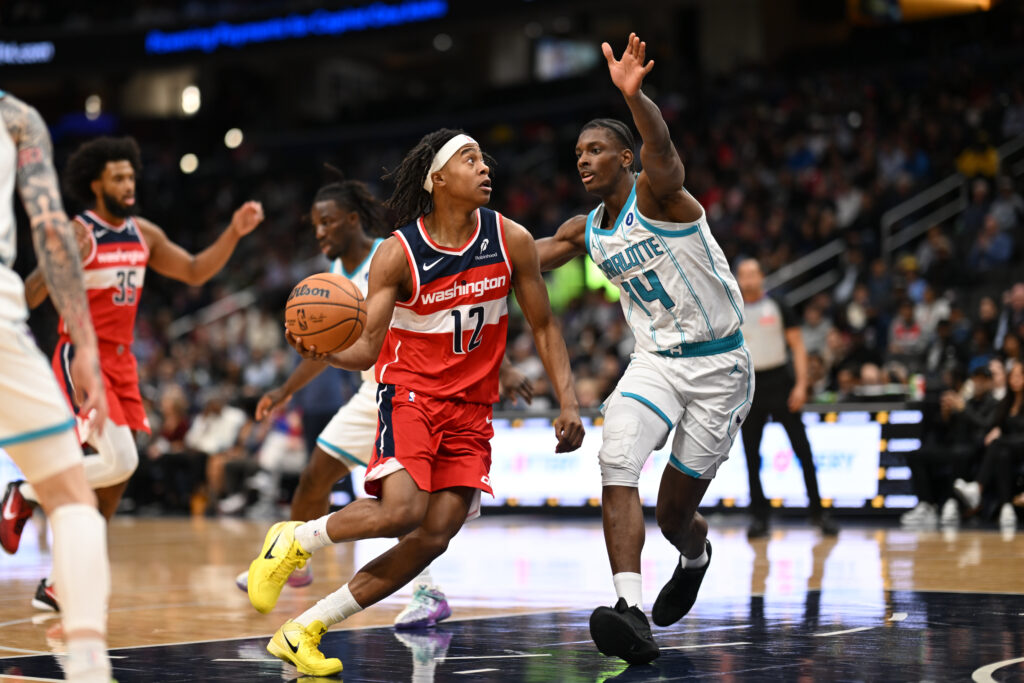
Sometimes the cleanest way to judge a rookie is simple: can he score in the league right now, in real minutes, without being protected. Tre Johnson can. The Wizards are 10-31 and sitting 14th in the East, so they’ve had plenty of ugly basketball, but Johnson’s scoring has been one of the few consistent reasons they can hang around offensively.
His season line is exactly what you want from a rookie guard scorer: 12.3 points, 2.9 rebounds, and 1.9 assists in 24.6 minutes, with 44.4% from the field and 39.0% from three, plus 88.5% at the line. That’s the separator. The three-point percentage is real, and it’s not on two attempts a night. He’s taking 5.2 threes per game and making them at a high clip.
The Wizards context is chaotic, and it’s worth saying out loud: rookies usually struggle in chaos. But the one thing that translates is shooting, and Johnson’s jumper translates. He spaces the floor, he punishes help, and he can get a clean look when the offense is broken. That’s a real skill, not a nice-to-have.
He’s also already had legit nights as a top-scoring option. He’s been at the top of the Wizards’ box score multiple times recently, including multiple 19-point games in January. That matters for perception. If casual voters keep seeing “Tre Johnson 18” in recaps, his name sticks.
Why is he 7th and not higher? Because his overall impact isn’t as broad as the top guys. He’s not a multi-category monster yet, and the assist number is still modest. But as a scorer who can already shoot it like that, he has a very clear path to climbing. If his playmaking bumps and he starts getting to the line more, this turns into a top-five guy quickly.
For now, he’s the purest “NBA-ready bucket” rookie outside the top tier, and that’s worth a strong ranking spot.
8. Dylan Harper
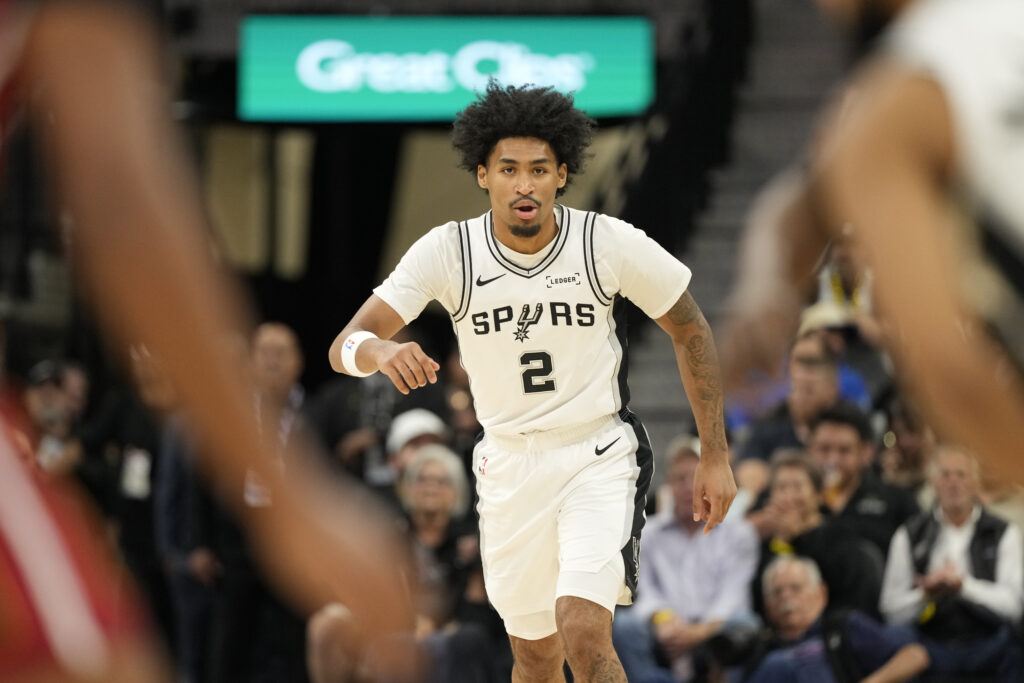
This is the part of the list where team success really starts to tug at the debate, and Dylan Harper benefits from it in a big way. The Spurs are 29-13 and sitting 2nd in the West, and Harper has managed to carve out a real role on a team that actually has standards. That matters. It’s easier to put up numbers on bad teams. It’s harder to earn trust on a contender.
The raw stat line is modest compared to the guys above, but it’s still solid for a rookie playing 21 minutes: 10.5 points, 3.2 rebounds, 3.5 assists, and 1.0 steal, shooting 42.7% from the field with 24.7% from three. The three-point shooting is the obvious weakness, and it’s why he’s not higher. But the assist number pops for his minutes, and it shows the real value: he can run offense in pockets without breaking the system.
What makes Harper a fit on the Spurs is that he plays with pace and he plays with force. He doesn’t float. When he drives, it’s purposeful. When he passes, it’s usually the right read. And because the Spurs have real talent around him, he doesn’t need to be a hero. He needs to be a connector who can occasionally score, and he’s done that.
There’s also a real “winning player” vibe in his plus-minus profile, and that’s not nothing. The Spurs have outperformed expectations, and local coverage has pointed to Harper as one of the reasons their depth has worked. That doesn’t win ROTY by itself, but it absolutely shapes how people talk about rookies. Winning rookies get remembered.
To climb, he needs one of two things: either the jumper has to come around, or he has to have a second-half scoring surge that makes his per-game line look louder. Because on a 29-13 team, if Harper starts putting up 13 and 5, the conversation changes fast.
Right now, he’s 8th because the production isn’t as big as the guys above. But his context is stronger than almost anyone on this list, and that gives him a real runway to rise.
9. Ace Bailey
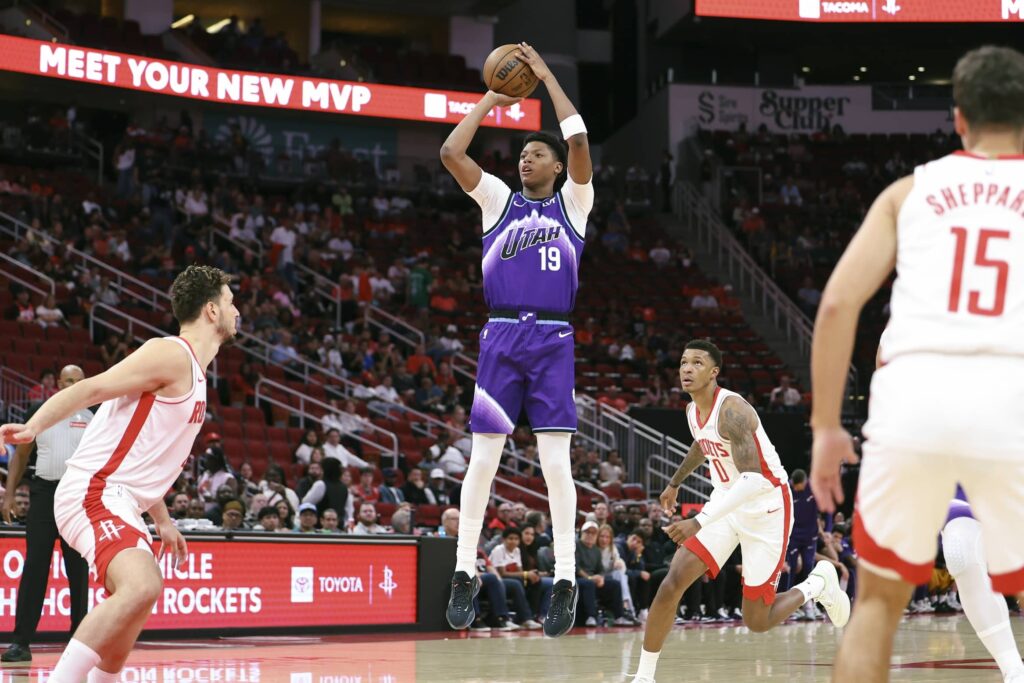
This is the “talent over polish” ranking slot, and Ace Bailey lives here because the highs are exciting and the lows are still very rookie. The Jazz are 14-28 and sitting 13th in the West, so there’s room for him to learn on the fly, and he’s been a genuine development priority.
The season numbers are steady: 10.1 points, 3.2 rebounds, and 1.6 assists, with 43.6% from the field and 33.6% from three, plus 70.6% at the line. That’s a respectable shooting baseline for a rookie wing, and the reason he’s in the top 10 is simple: he doesn’t look scared, and he already has NBA scoring tools.
The context around him has also had real bumps. He dealt with a hip strain around late December and has been listed day-to-day at points, which matters because rookies tend to lose rhythm when they miss time. Even with that, his role as a starter (12.5 points, 3.5 rebounds, and 1.6 assists in 24 games) has been real, and he’s been trusted in meaningful minutes.
What makes Bailey a fit long-term is the wing archetype. The Jazz need a guy who can eventually create his own shot, not just finish plays. Bailey’s handle and pull-up flashes suggest he can be that. He’s not there yet, but the foundation is visible. He can attack a closeout, rise over smaller defenders, and he’s already comfortable taking threes.
Why isn’t he higher? Consistency and impact. He’s not filling the box score across the board, and he’s still figuring out how to be a plus player when his shot isn’t falling. Rebounding numbers are modest, and the playmaking is still developing. That’s normal, but ROTY is a production award as much as it is a talent award.
This ranking is basically a belief that the second half will look better. If he starts stringing together efficient 15-point nights, he can jump. But right now, he’s more “promising” than “dominant,” and that’s why he lands at 9th.
10. Egor Demin
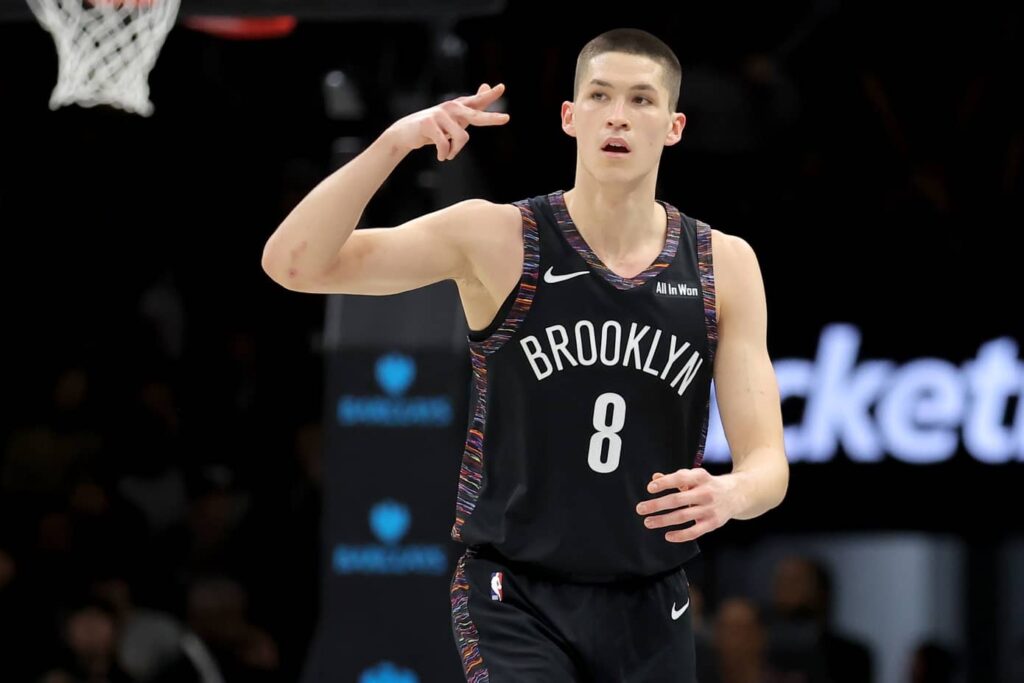
The last spot is always a fight, and Egor Demin gets it because the mix of shooting plus playmaking is real, even if the overall season has been uneven. The Nets are 12-27 and sitting 13th in the East, so the team environment is a lot of development, a lot of inconsistency, and a lot of nights where rookies have to create something out of nothing.
The season line is a legit rookie guard line: 10.4 points, 3.1 rebounds, and 3.5 assists, with 40.4% from the field and 39.5% from three, plus 83.8% at the line. That three-point percentage is the hook. Nearly 40% from deep while also handling and passing is a real NBA skill package, and it makes him more than just a points guy.
The Nets context also includes a pretty clear development story. Reports around the team have framed him as a player who’s been coached hard, hit a slump, and responded by being more aggressive and more decisive. And that checks out with his recent stretch, because his last ten games have been notably better, including a 14-point average with more confident shot-making and playmaking.
Why is he 10th instead of higher? Because the overall efficiency is still rough (40.4% from the field), and the impact hasn’t been steady enough to climb into the top eight conversation. He’s had quiet nights where he disappears, and the Nets losing a ton makes it harder for those quieter games to get washed away by “but they won.”
Still, if the award is about who’s putting together a real NBA role as a rookie, Demin has a case. Shooting plus passing plus decent size is a profile teams build around. And if he keeps trending the way his recent games suggest, this ranking will look low by March.
Why This Race Is Crazy
This race is crazy because the top of it is basically two different awards happening at once. Cooper Flagg is winning the “most complete rookie” argument with two-way impact and nightly responsibility, while Kon Knueppel is making the “best pure bucket and shooting gravity” case that voters always fall in love with. Then VJ Edgecombe sits right behind them as the “real minutes, real pressure, real winning habits” rookie, the type who doesn’t have to lead the league in points to feel like a serious ROTY threat.
It gets even messier in the middle because multiple guys can jump tiers with one hot month. Derik Queen has the flashy “big man who plays like a hub” vibe that makes people reconsider what rookie value looks like. Jeremiah Fears can swing the conversation if his scoring spikes and he starts stacking loud nights back-to-back. Cedric Coward has the steady, low-drama production that coaches love, and if the national spotlight hits him at the right time, suddenly he looks “higher” than the internet had him. Tre Johnson has the cleanest “I can score right now and you can’t ignore it” argument in this tier, and those guys always climb when the highlights pile up.
And the back end is chaos because it’s all about role, context, and who finishes strong. Dylan Harper gets the “earning trust on a top team” boost, even when the box score doesn’t scream star yet. Ace Bailey is the talent bet, the one where the flashes make people want to rank him higher even if the week-to-week consistency isn’t there yet. Egor Demin is the classic “shooting plus playmaking” rookie who can rise fast if the confidence stays high. That’s why the race feels unstable: the top is tight, the middle is crowded, and the bottom has real climbers who only need one signature stretch to kick the door down.