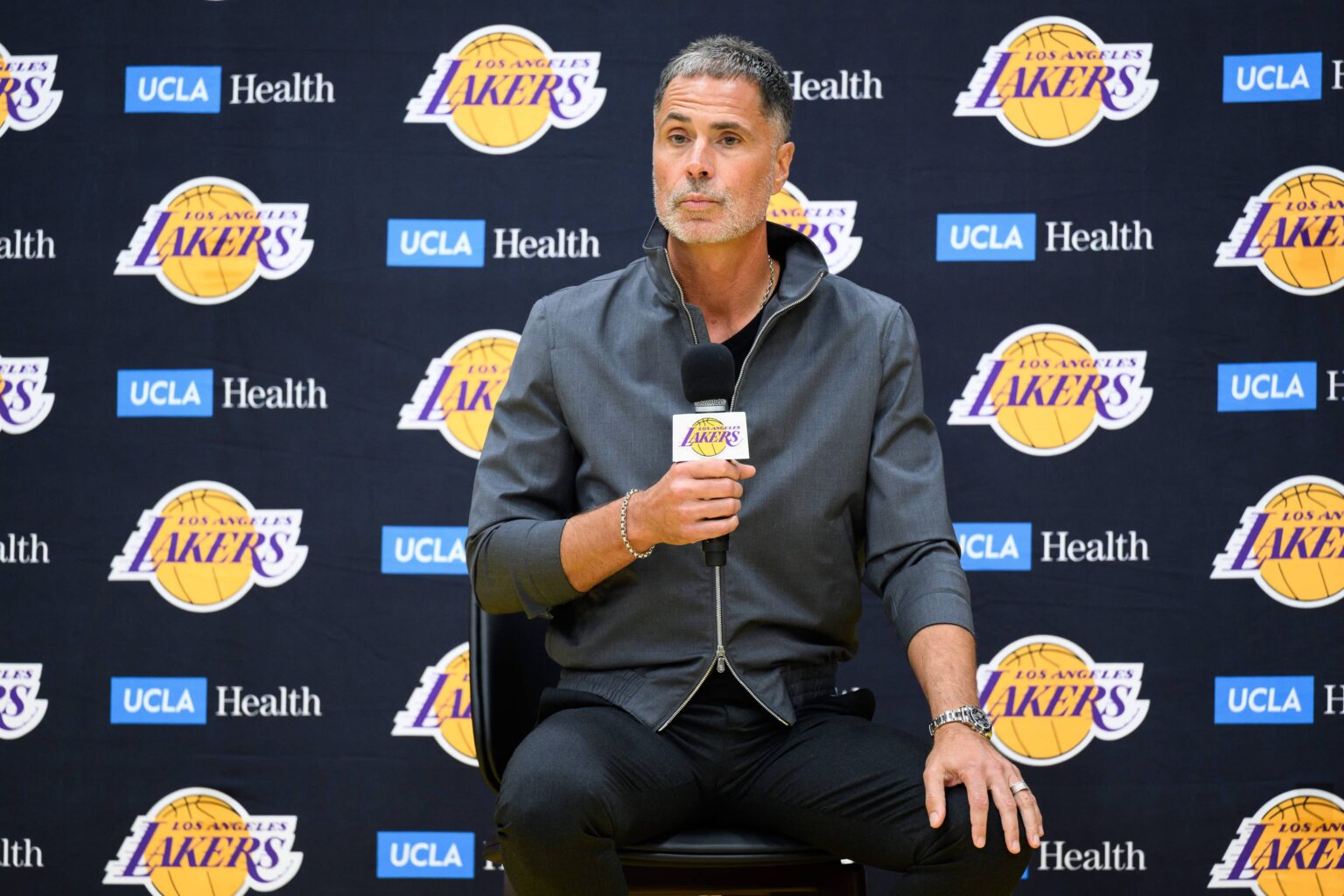
The Los Angeles Lakers are preparing for a significant front-office overhaul this summer, with plans to model their basketball operations after the Los Angeles Dodgers, one of the most successful and well-run organizations in professional sports. According to Dan Woike of The Athletic, league sources expect the Lakers to make substantial hires across a wide range of front-office positions, signaling a long-overdue structural shift within the franchise.
“It’s going to be scary,” one rival executive told Woike, referencing the potential scale and ambition of the front office the Lakers are expected to assemble once fully built out.
For years, this is exactly the type of news Lakers fans have been waiting to hear. Despite the franchise’s brand power and championship history, the front office has often lagged behind the rest of the league in modern infrastructure, analytics, and depth of decision-making.
Rob Pelinka has been under constant scrutiny, with persistent questions about how much authority he truly held and how much influence was wielded by long-time advisors Linda and Kurt Rambis. Multiple reports over the years suggested the Lakers operated with an outdated hierarchy, prioritizing familiarity over expertise.
The contrast with the Dodgers could not be clearer. Under owner Mark Walter, president Stan Kasten, and president of baseball operations Andrew Friedman, the Dodgers have become the model franchise in Major League Baseball. They invest aggressively in analytics, player development, scouting, and depth across every department.
They also treat stars like franchise cornerstones while maintaining flexibility and long-term planning, a balance the Lakers have struggled to achieve outside of landing LeBron James.
Walter’s growing influence is central to this shift. Alongside Jeanie Buss, Rob Pelinka, and consultant Andrew Friedman, the Lakers chose not to deviate from their long-term plan at the 2026 trade deadline. Cap flexibility for the 2026 offseason remained the pressure point in every decision.
The Lakers’ lone move was trading Gabe Vincent for Luke Kennard, preserving flexibility while adding elite shooting without taking on salary beyond this season. They were unable to offload other expiring contracts, including Dalton Knecht, whom league sources say was shopped aggressively.
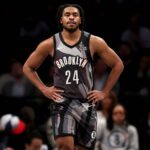
With the trade deadline now passed, attention shifts to the buyout market. Woike reported that Haywood Highsmith is a player of interest, along with Cam Thomas. Both players are among the few realistic buyout candidates who would not impact the team’s 2026 plans.
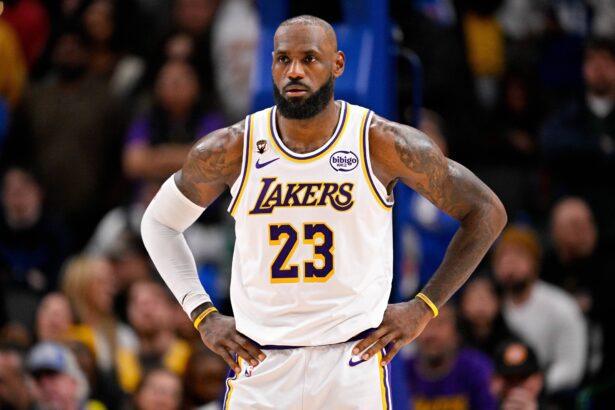
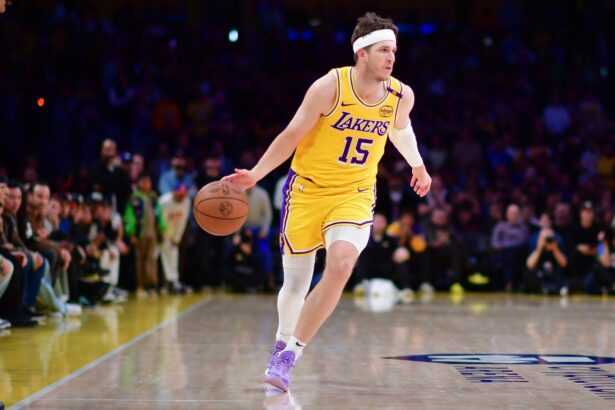
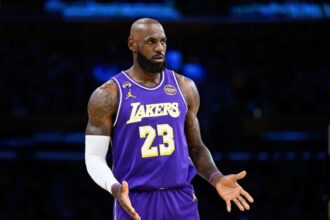
Looking ahead, the roster timeline is becoming clearer. Luka Doncic is expected to be the organizational centerpiece for the next decade. LeBron James and the Lakers are widely expected to part ways at the end of the season, opening both cap space and a new era. Austin Reaves is viewed internally as a core piece, and the team is expected to pursue a well-earned long-term extension for him.
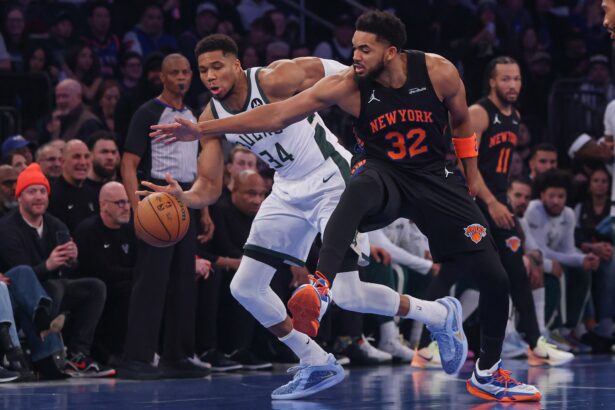
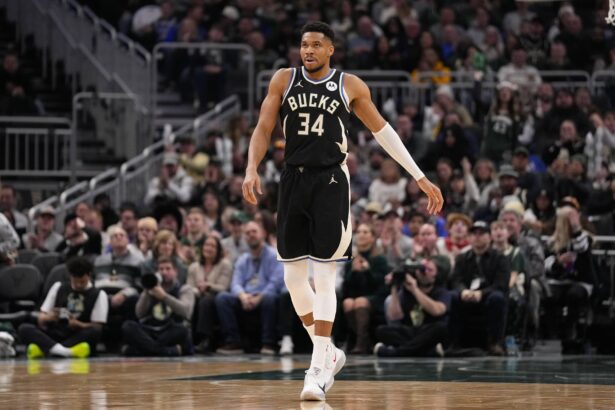
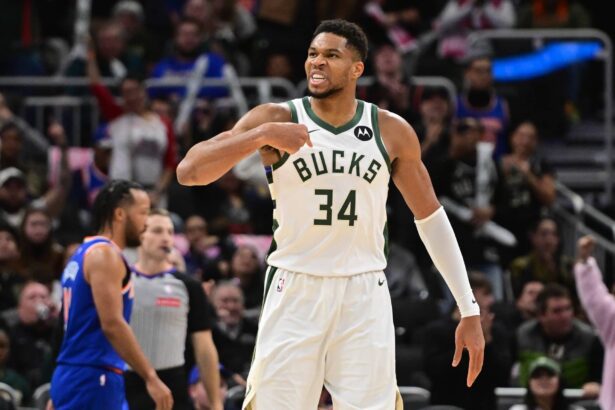
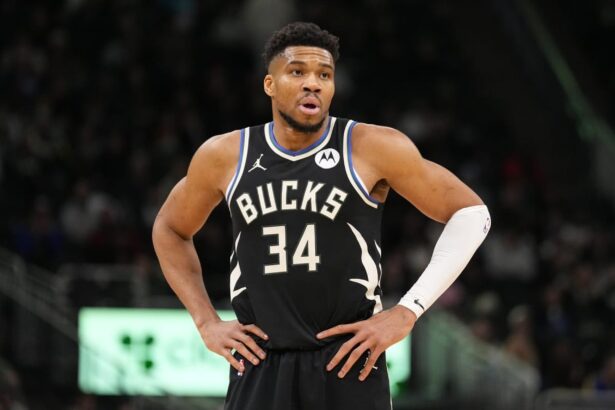
This approach mirrors the Dodgers’ philosophy of optionality rather than desperation. Team sources have maintained that chasing Giannis Antetokounmpo will not be the Lakers’ only pathway. On draft night, they will have three first-round picks available.
They will also possess more cap space than any other competitive team, allowing them to pursue restricted free agents, absorb contracts in sign-and-trades, or trade for high-level role players like Peyton Watson or Tari Eason, who fit Luka’s timeline.
The summer ahead represents more than just roster changes. It is an opportunity to correct years of organizational failures and align the Lakers with the best-run franchises in professional sports. If the Dodgers blueprint is implemented fully, it would mark a fundamental shift in how the Lakers operate, from a star-driven, personality-heavy front office to a deep, professionally structured organization designed to compete every year.