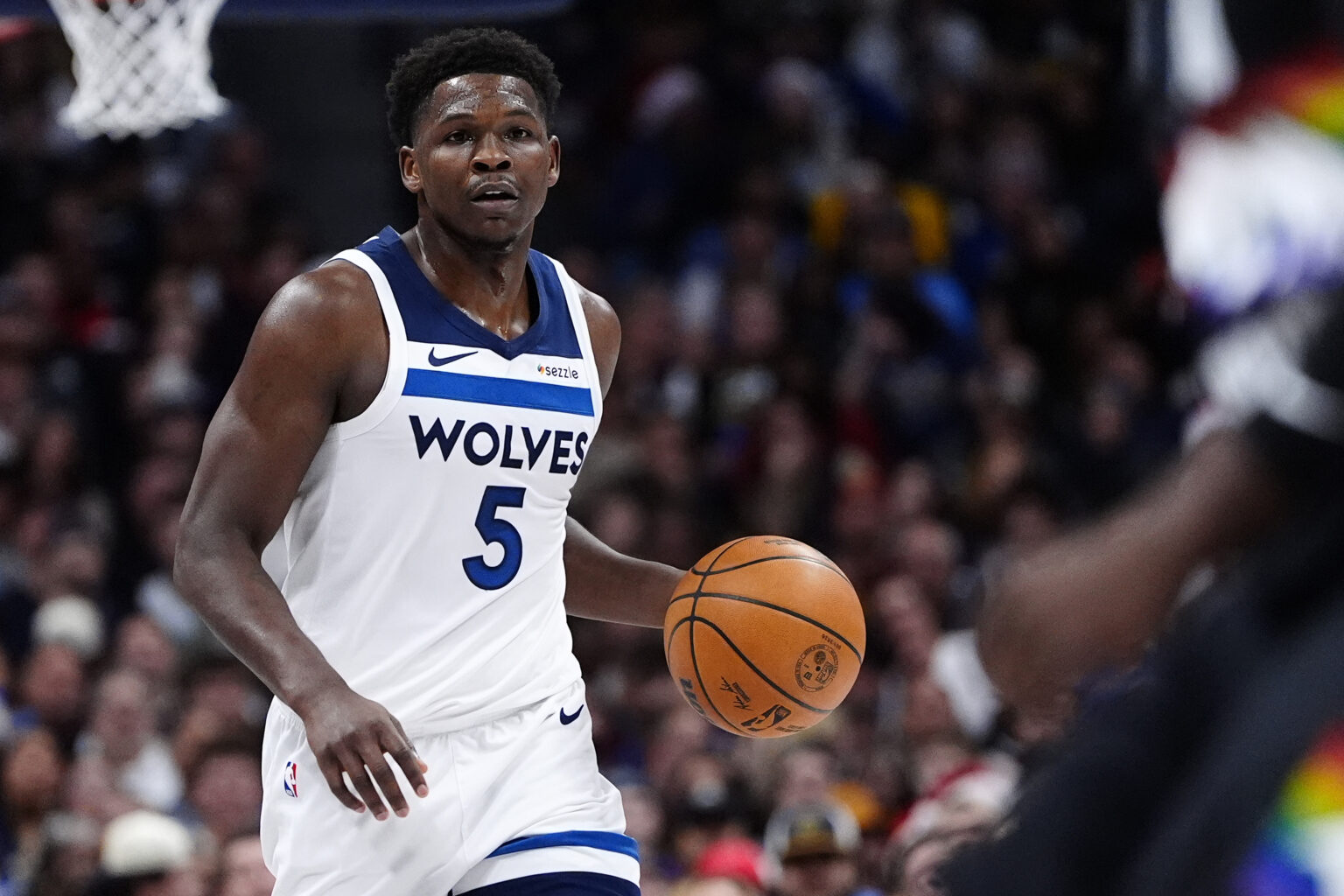
The Timberwolves host the Mavericks at Target Center on Friday night (7:30 p.m. ET). The Timberwolves come in 34-22, sitting sixth in the West, and they have been steady at home all year (19-10). The Mavericks are 19-35 and 12th in the West, and the road has been a problem (5-19).
Both teams went into the break with very different vibes. The Timberwolves’ last game was a 133-109 win over the Trail Blazers, the kind of clean offensive night that reminds you how fast this group can bury teams when it’s humming. The Mavericks’ last game was a 124-104 loss to the Lakers, another reminder of how thin the margin gets when you are missing creators and rim pressure at the same time.
This season series has tilted in the Timberwolves’ favor, too. The Timberwolves have already beaten the Mavericks twice, winning 120-96 and 118-105. That speaks to style: the Timberwolves have been able to play at their pace, get into early offense, and force the Mavericks to score enough in the half-court to keep up.
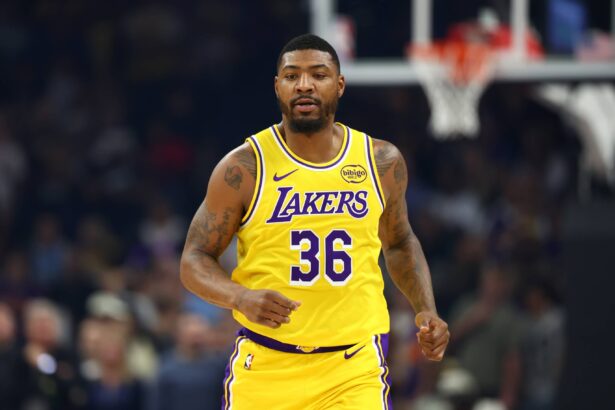
The headliners are clear. Anthony Edwards has been a top-tier volume scorer all season at 29.3 points, 5.2 rebounds, and 3.7 assists, shooting 49.3% from the field and 40.2% from three. Julius Randle has given the Timberwolves a second engine at 22.3 points, 7.0 rebounds, and 5.4 assists. For the Mavericks, Naji Marshall has carried a bigger load at 15.0 points, 5.0 rebounds, and 3.0 assists, while P.J. Washington sits at 14.1 points and 7.0 rebounds, with 37.4% from three helping keep lineups functional.
Injury Report
Timberwolves
None.
Mavericks
Cooper Flagg: Out (left midfoot sprain)
Kyrie Irving: Out (left knee surgery)
Dereck Lively II: Out (right foot surgery)
Ryan Nembhard: Doubtful (G League, two-way)
Max Christie: Questionable (left ankle sprain)
Daniel Gafford: Questionable (right ankle, injury management)
Caleb Martin: Questionable (left ankle sprain)
Why The Timberwolves Have The Advantage
The Timberwolves’ profile is the cleaner one, and it starts with pace and shot volume. The Timberwolves are scoring 119.7 points per game (3rd) and playing at a top-ten pace (101.6). That combo matters against a Mavericks team that is used to running in transition (102.5 pace, 4th), because it forces the Mavericks to defend in transition more often than they want.
The efficiency gap is real, too. The Timberwolves have an offensive rating of 117.0 (5th) and a defensive rating of 112.4 (6th). The Mavericks sit at 111.0 on offense (26th). Even if the Mavericks defend well enough to hang around for stretches, the math says they are going to have long scoring droughts unless they get unusually hot from three or dominate the free-throw battle.
Rebounding and ball movement also lean the Timberwolves. The Timberwolves are 10th in rebounds per game (44.9) and 13th in assists per game (26.8). The Mavericks are 19th in assists (25.5). In a matchup where the Mavericks are short on creators, that gap in team-level playmaking tends to show up late in possessions, when the Timberwolves can still generate a good look and the Mavericks are living on tough shot-making.
And then there’s the simple situational edge: the Timberwolves have been good at home (19-10), while the Mavericks have struggled badly on the road (5-19). That is not everything, but it is enough to matter when one team is already missing rotation pieces.
Why The Mavericks Have The Advantage
The Mavericks’ best argument is defensive competitiveness and physicality, especially if they can keep the Timberwolves out of the paint and off the line. The Mavericks’ defensive rating (114.0, 11th) is not elite, but it is strong enough to give them a path if they turn this into a half-court game and make the Timberwolves execute against set coverage.
The other lever is the glass. The Mavericks are 12th in rebounds per game (44.7). If the Mavericks can win the defensive rebound, they can shrink the Timberwolves’ transition chances and keep the Timberwolves from stacking quick runs. That is the clearest way for an offense ranked 26th in efficiency to survive, because it reduces the number of possessions where you are forced to score at the Timberwolves’ tempo.
There’s also a very specific shooting path here. Washington has been a credible spacing forward (37.4% from three), and Max Christie has been a real perimeter scorer this season (13.1 points) while hitting 42.5% from three. If those two are both on and the Mavericks can string together clean possessions, you can talk yourself into a fourth-quarter game.
X-Factors
Donte DiVincenzo is where the Timberwolves’ offense can go from good to overwhelming. He has averaged 12.8 points, 4.5 rebounds, and 4.2 assists, and his value is how quickly he turns an advantage into a rotation. If DiVincenzo is hitting early threes, the Mavericks have to send help higher on the floor, and that opens the lane for Edwards to attack gaps instead of crowds.
Jaden McDaniels is the swing defender in this matchup. He is at 15.0 points and 4.3 rebounds, but the real question is whether his length can erase the Mavericks’ best wing initiation and keep Edwards from having to carry every hard assignment. When McDaniels is engaged, the Timberwolves can stay home on shooters more often, which is exactly what you want against a team that needs hot shooting to keep pace.
Naz Reid is the bench piece that changes the geometry. Reid is putting up 14.2 points and 6.4 rebounds while shooting 38.5% from three. If he pulls the Mavericks’ bigs away from the rim, the Timberwolves’ driving lanes widen, and the Mavericks’ rim protection becomes even more fragile with Dereck Lively II out and Gafford not at full strength.
For the Mavericks, Christie is the obvious temperature check. He is at 13.1 points per game and has been extremely efficient from three (42.5%). If his ankle is good enough for full movement and he can punish the Timberwolves’ help, the Mavericks’ offense becomes much more believable.
Brandon Williams is the other pressure point because the Mavericks need someone to organize possessions. Williams has averaged 10.8 points and 4.1 assists. If he keeps turnovers down and can get to the paint a few times, the Mavericks can at least create shots that are not pure late-clock bailouts.
And if Daniel Gafford plays and looks close to normal, that changes the rim math. He is at 8.0 points and 6.5 rebounds on 63.2% from the field. Even in a limited role, vertical spacing matters against the Timberwolves’ help schemes because it forces the low man to tag harder, which can free corner threes for Washington and Christie.
Prediction
This is a Timberwolves game on paper, and it looks like one in the matchup, too. The Timberwolves are a top-10 team in both offensive rating and defensive rating, they play at the league’s second-fastest pace, and they have already handled the Mavericks twice this season. The Mavericks’ offense has to fight for everything, and doing that on the road against a team that can score in bunches is a tough ask.
Prediction: Timberwolves 121, Mavericks 108