The Los Angeles Clippers host the Indiana Pacers at Intuit Dome on Wednesday, March 4 at 10:30 PM ET.
The Clippers are 29-31 and ninth in the West, while the Pacers are 15-46 and 15th in the East. The home-road split sets the baseline: the Clippers are 15-13 at home, and the Pacers are 5-24 on the road.
Momentum is pointing in different directions. The Clippers just beat the Warriors 114-101 on Monday, while the Pacers last played Sunday and fell to the Grizzlies 125-106. This is the first meeting of the season between the two teams.
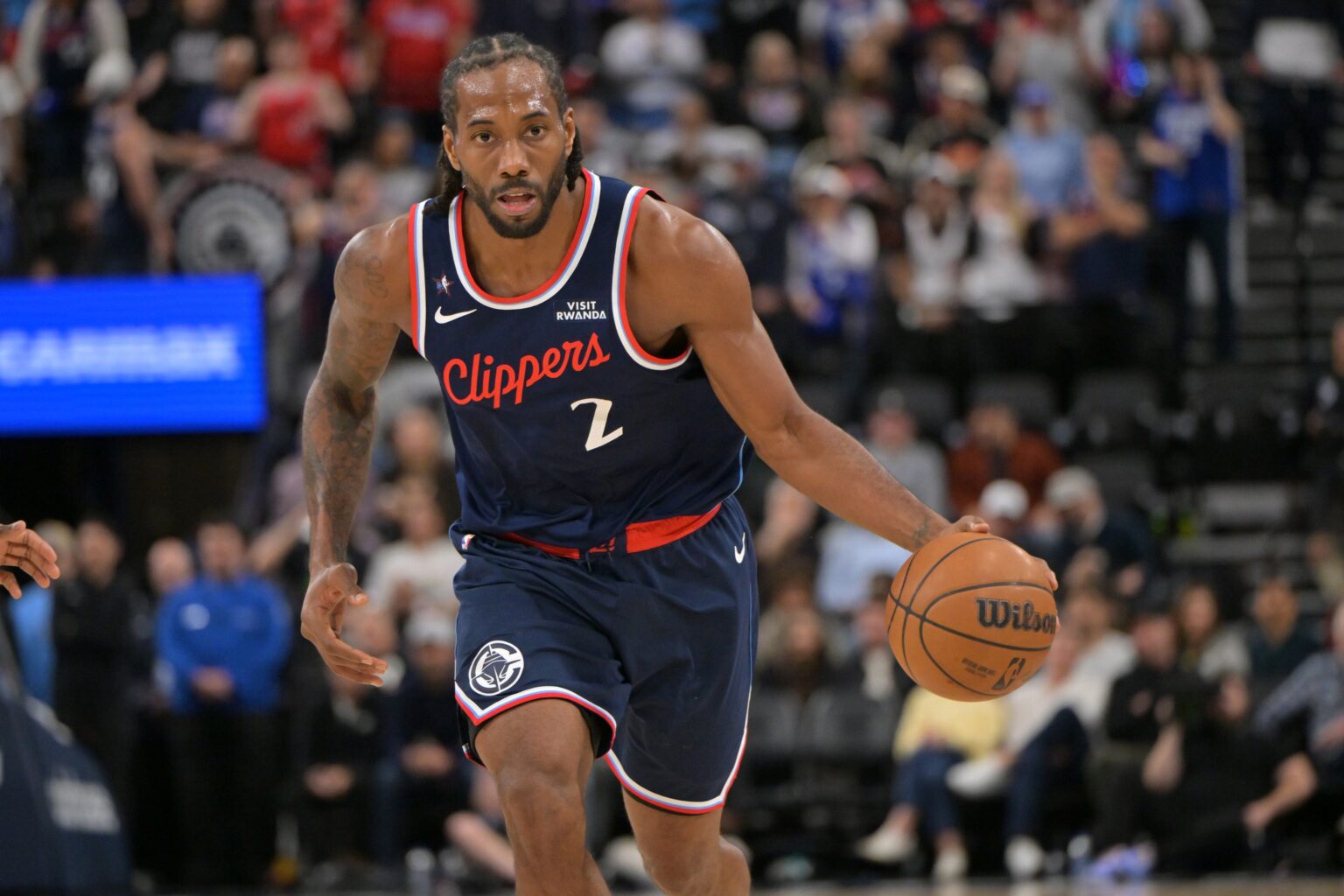
For the Clippers, Kawhi Leonard is at 27.8 points, 6.3 rebounds, and 3.7 assists, and Bennedict Mathurin brings 18.8 points and 6.1 rebounds. For the Pacers, Pascal Siakam is producing 23.9 points, 6.8 rebounds, and 3.9 assists, while Andrew Nembhard is giving them 17.4 points and 7.4 assists.
One clean hook fits the night: the Clippers want to keep climbing in the play-in mix, and the Pacers are trying to stop a slide while walking in with a thin injury margin.
Injury Report
Clippers
Bradley Beal: Out (left hip fracture)
John Collins: Out (neck strain)
Pacers
Tyrese Haliburton: Out (right Achilles tendon tear)
Ivica Zubac: Out (left ankle sprain)
Johnny Furphy: Out (right ACL tear)
Andrew Nembhard: Questionable (low back and neck soreness)
Aaron Nesmith: Questionable (right ankle sprain)
Pascal Siakam: Questionable (left wrist sprain)
Obi Toppin: Probable (right foot stress)
Why The Clippers Have The Advantage
The defensive baseline is the clearest separator. The Clippers allow 112.1 points per game (9th), and they hold opponents to 46.4% shooting (11th) with a 54.1% effective field goal percentage allowed (13th). Against a Pacers offense sitting at 111.4 points per game (27th) and 52.4% effective field goal percentage (29th), that’s a tough matchup to climb out of if the game slows.
The Clippers also win with efficiency rather than volume. They rank fifth in field goal percentage at 47.9%, eighth in effective field goal percentage at 55.4%, and third in shooting efficiency (1.185). The Pacers’ defense has struggled to guard the paint and the rim profile, allowing 48.8% from the field (27th) and 55.3 points in the paint per game (29th). That’s exactly where the Clippers can keep finding stable points without needing a huge three-point night.
Matchup-wise, the biggest Pacers weakness is inside and on the glass. They allow 56.3 rebounds per game (29th), including 35.8 defensive rebounds allowed (30th), and they give up 55.3 paint points (29th). The Clippers are not an elite rebounding team themselves, but they do defend the paint well (47.7 opponent paint points, 9th) and can shrink the floor because the Pacers’ two-point efficiency is last in the league (52.4%, 30th).
The risk for the Clippers is the possession count. They take only 82.6 shots per game (30th), they are 20th in turnovers at 14.9 per game, and they’re 27th in turnover rate (13.6%). If that sloppiness shows up, it gives a short-handed opponent extra possessions it otherwise wouldn’t earn.
Why The Pacers Have The Advantage
The Pacers’ best team-stat case starts with what they do defend well: the three-point line. They allow 34.7% from three (4th), just 11.6 threes made per game (2nd), and only 33.4 three-point attempts per game (3rd). That matters because the Clippers’ three-point volume is modest at 34.0 attempts per game (22nd) and 12.3 makes (22nd), so the Pacers can realistically keep the perimeter damage under control if they avoid breakdowns.
There’s also a path through shot volume. The Pacers take 89.2 shots per game (19th) while the Clippers allow 87.5 opponent shots per game (7th). If the Pacers can get into the high-80s on attempts, they can keep the game within one run even if their efficiency is uneven.
Turnovers are where the Pacers can push back. They are 14th in turnover rate (12.6%) and 14th in turnovers per game (14.5). The Clippers, on the other hand, are 21st in forcing turnovers (13.7 per game) and only 19th in opponent turnover rate (12.3%). If the Pacers take care of the ball, they can keep the game from turning into quick scoring bursts.
The matchup logic, though, comes back to the paint. The Pacers score only 45.6 points in the paint per game (25th) and shoot 45.1% overall (28th). The Clippers defend twos well (53.4% allowed, 8th) and keep opponent paint points down (47.7, 9th). For the Pacers to win, they need to keep the game on the perimeter and win enough possessions through pace, ball movement, and clean threes.
Health is the last lever. If Pascal Siakam and Andrew Nembhard are limited, the Pacers lose their best sources of half-court organization and rim pressure, and it becomes harder to punish the Clippers’ low-assist style (23.5 assists per game, 30th) by forcing rotations.
X-Factors
Jordan Miller is a clean swing piece for the Clippers because his minutes can keep the offense afloat when it tilts toward Leonard and Darius Garland creation. Miller is giving the Clippers 9.3 points, 3.0 rebounds, and 1.9 assists. If he finishes the easy chances and hits the open jumpers that come from collapsed defenses, the Clippers’ free-throw and paint advantages get louder. If he’s quiet, the Clippers can get stuck in slower possessions where every miss matters.
Derrick Jones Jr. matters because he supplies points without needing plays called for him. Jones is at 10.9 points, 2.8 rebounds, and 1.3 assists while shooting over 50.0% from the field. In this matchup, his job is simple: defend, run, and turn stops into finishes before the Pacers can set their half-court shell. If he wins the transition and effort possessions, it’s hard for the Pacers to keep the attempt count high enough to offset the efficiency gap.
Obi Toppin is the Pacers’ swing athlete because his role is the easiest way to create points that don’t require clean half-court execution. Toppin is putting up 9.8 points, 5.2 rebounds, and 2.2 assists. If he’s truly available and can run the floor, cut behind help, and rebound his position, the Pacers can steal a few possessions that keep the game from getting away.
Jarace Walker is the other Pacers hinge because he’s one of the few rotation pieces who can swing both ends without needing star usage. Walker is at 11.0 points, 4.9 rebounds, and 2.3 assists. If he defends without fouling and makes the extra pass to keep the Pacers’ offense connected, it raises their floor. If he’s forced into a higher-usage role due to injuries and the efficiency dips, the Clippers’ defense can keep tightening the screws.
Prediction
The pick here is the Clippers. The defensive baseline plus top-tier shot efficiency fit cleanly against a Pacers team that is 27th in scoring, 29th in effective field goal percentage, and running at the lowest mark in the standings.
Prediction: Clippers 115, Pacers 104