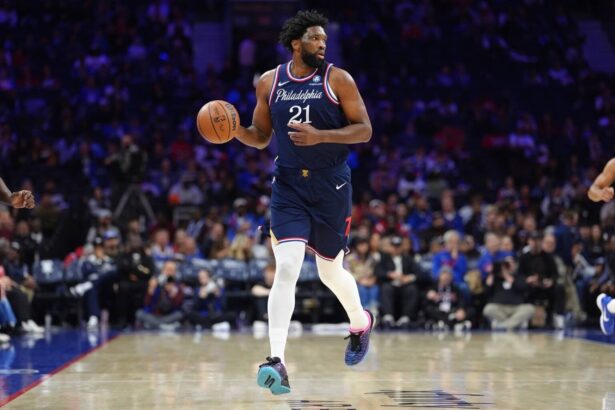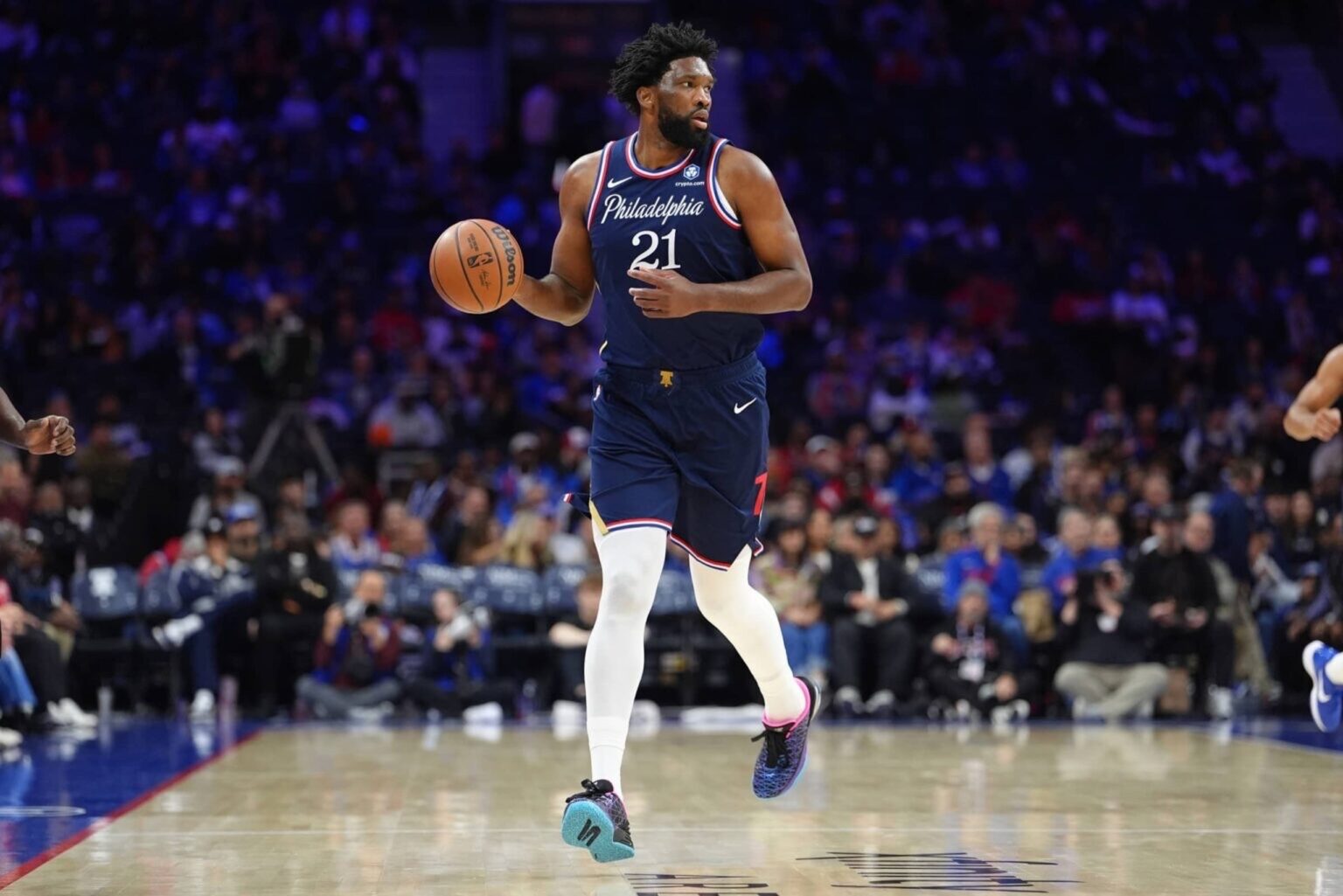
Joel Embiid is one of the most polarizing superstars in NBA history. He can do things only a handful of centers can dream of doing, and has built an impressive resume that includes a league MVP, two scoring titles, seven All-Star selections, and five All-NBA Team selections. He holds impressive career averages of 27.6 PPG, 10.8 RPG, 3.7 APG, and 1.2 BPG over 10 seasons.
However, the Cameroon-born big man can also leave fans frustrated by his approach to the game and by how his teams fall short every year. Of course, his health has unfortunately always been the biggest detriment to his career.
Embiid, despite only playing three games in this year’s playoffs, once again exits the postseason with disappointment following the Philadelphia 76ers‘ defeat to the New York Knicks in the second round. To date, Embiid is the only MVP award winner never to reach the Conference Finals.
While we don’t want to hold the countless injuries against him, Joel Embiid might have built a reputation that he won’t be able to shake: an all-time great talent who might be the most overrated MVP in history. Here’s why.
Lack Of Playoff Success Is Concerning
Joel Embiid’s individual accolades are impossible to ignore, but the postseason resume is questionable. Since entering the league, Embiid has never advanced past the second round despite playing on multiple talented Philadelphia 76ers rosters built specifically to contend for championships.
For a player often discussed as the most dominant center of his generation, the lack of even a single Conference Finals appearance stands out historically. Every other MVP-winning center in modern NBA history eventually broke through on the biggest stage.
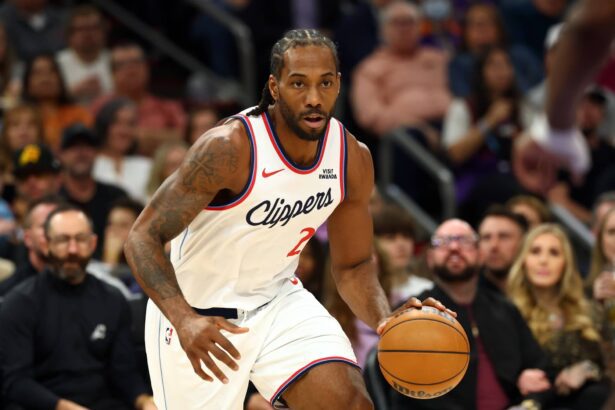
In 2019, the Sixers were one miraculous Kawhi Leonard bounce away from eliminating the eventual champion Toronto Raptors, but Embiid struggled offensively late in the series while battling illness and fatigue. In 2021, Philadelphia blew a 2-1 lead against the Atlanta Hawks despite Embiid averaging strong counting stats.
However, his late-game turnovers, poor decision-making, and inability to control the offense during crunch time became major storylines. That series especially damaged perceptions because the Hawks were seen as a clearly inferior roster led by a young Trae Young.
The pattern repeated itself in later years. In 2022, Embiid missed the opening games against the Miami Heat with orbital and thumb injuries, putting Philadelphia behind immediately.
In 2023, the Sixers held a 3-2 series lead over the Boston Celtics and had two opportunities to close the series out. Instead, Embiid delivered underwhelming offensive performances in Games 6 and 7 while the offense completely collapsed under pressure.
Game 7 was particularly alarming: the newly crowned MVP scored just 15 points and was thoroughly outplayed by Jayson Tatum on his home floor. Moments like that permanently shape how superstars are remembered.
To be fair, Embiid has dealt with knee injuries, facial fractures, torn ligaments, thumb damage, illnesses, and conditioning concerns throughout nearly every postseason run. While many of those injuries were genuinely severe and unfortunate, the reality is that the best ability in championship basketball is availability.
Similar All-Time Great Talents Have Done More With Less
One of the harshest criticisms surrounding Embiid is that players with similar talent levels have simply accomplished more despite having less help. Throughout his prime, Embiid has consistently played alongside high-level teammates.
Jimmy Butler was arguably a top-10 player during his Philadelphia stint. Ben Simmons was an All-Star and All-Defensive player before his collapse. James Harden arrived as one of the greatest offensive guards of the generation.
Tyrese Maxey has blossomed into an elite scoring guard, while veterans like Tobias Harris and JJ Redick gave the roster depth, spacing, and experience. On paper, these were not weak supporting casts.
Compare that to Nikola Jokic, the other dominant center of his generation. Jokic won a title with Jamal Murray as his best teammate, and Murray has only one career All-Star appearance.
Denver’s roster was cohesive and well-built, but few considered it a superteam. Jokic elevated role players and consistently improved in the playoffs instead of regressing.
That contrast has hurt Embiid’s standing enormously because the two centers will forever be linked through the MVP debates of the early 2020s. Other big men around the league have also managed to produce deeper postseason success despite clear flaws in their games.
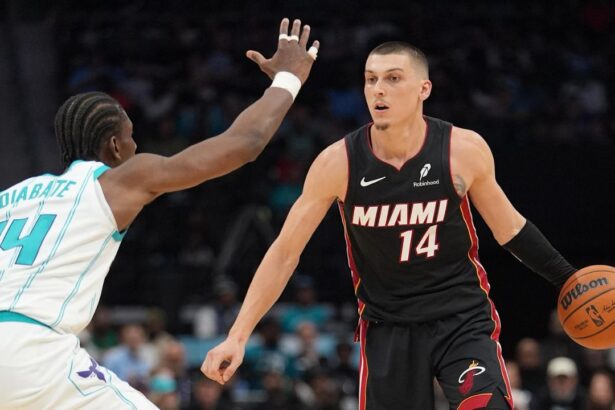
Anthony Davis reached the Western Conference Finals multiple times and won a championship. Bam Adebayo has been to multiple Eastern Conference Finals and NBA Finals appearances despite lacking Embiid’s offensive arsenal.
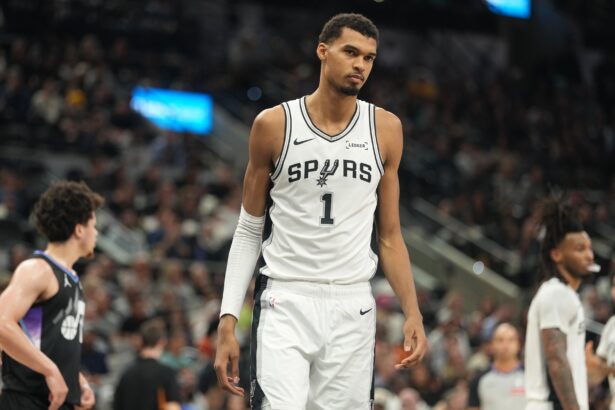
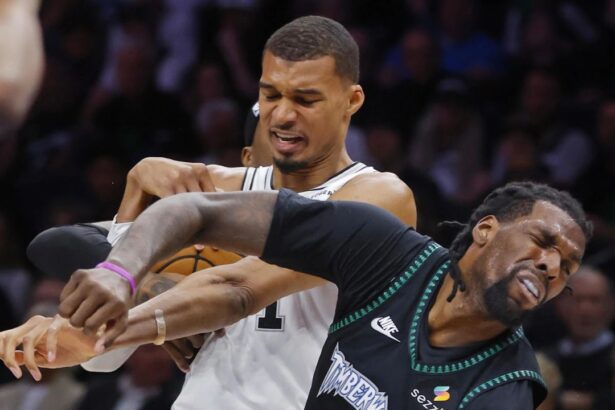
Karl-Anthony Towns, who has faced constant criticism throughout his career, has recently experienced more postseason success than Embiid as he prepares for an Eastern Conference Finals matchup. Even Victor Wembanyama, still at the very beginning of his career, already displays the type of two-way impact and leadership presence many hoped Embiid would fully evolve into.
The frustrating part for Philadelphia fans is that Embiid truly has no obvious basketball weakness. He can dominate in the post, stretch the floor, protect the rim, handle the ball, draw fouls, and score at all three levels. Yet year after year, his postseason performances feel less impactful than his regular-season dominance.
An Image Of Complaining And Flopping
Embiid’s on-court image has become one of the biggest reasons why fans struggle to embrace him despite his greatness. His ability to draw fouls is undeniably elite, but many fans believe he leans too heavily into foul baiting and exaggerated contact.
For a player standing 7’0″ and weighing 280 lbs, watching him fall to the floor repeatedly creates frustration among viewers. The criticism intensified during this year’s playoff run against the New York Knicks.
Social media became flooded with clips of Embiid flailing after minimal contact, arguing with referees, or remaining on the floor while the play continued in the other direction. Embiid’s reactions are so visible and frequent that they have become attached to his basketball identity.
That’s not a great thing for a superstar player. Historically, legends don’t have this criticism following them.
With Embiid, conversations too often revolve around free throws, flopping, or frustration. Fans can tolerate losing if a superstar feels relentlessly competitive, but repeated complaining creates the opposite effect. Instead of inspiring admiration, it sometimes creates resentment.
Leadership Intangibles Seem To Be Missing
Great franchise players are usually remembered for their leadership. That is where questions surrounding Embiid become more complicated.
Throughout Philadelphia’s playoff disappointments, there have been recurring concerns about conditioning, maturity, accountability, and the ability to elevate teammates during adversity. Fair or unfair, those conversations continue to follow him because the results have remained stagnant.
There have been moments where Embiid publicly criticized teammates after difficult playoff losses, most notably after the Ben Simmons collapse against Atlanta. Compare that to leaders like Stephen Curry, Tim Duncan, or Nikola Jokic, who consistently absorb blame and maintain calm messaging even after devastating losses.
Conditioning is also a factor. Embiid has entered multiple postseasons visibly exhausted. Some of that is unavoidable due to injuries, but critics argue that maintaining elite conditioning is part of a superstar’s responsibility.
Legends like LeBron James and Kobe Bryant built reputations around obsessive preparation and body maintenance. With Embiid, there are still questions about whether he maximized every aspect of his physical potential. Leadership is difficult to quantify statistically, but it absolutely shapes championship basketball. Right now, that remains one of the biggest doubts about Embiid.
Injuries Played An Obvious Role, But Embiid Might Be The Most Overrated MVP Ever
Joel Embiid is one of the most gifted centers the NBA has ever seen. Few players in basketball history could match his level of skills and physical prowess.
But basketball history ultimately remembers postseason greatness above all else. Injuries certainly played a massive role, since he has only played 490 games over 10 seasons (without including the two missed seasons to start his career), and it would be dishonest to ignore how much bad luck he has endured physically. If he were consistently healthy, his career may have looked entirely different.
Still, the criticism exists because expectations were so enormous. Players with Embiid’s talent are expected to dominate eras, and instead of being celebrated, Embiid remains debated.
That is ultimately why the “most overrated MVP” conversation continues to follow him. Not because he lacks talent, but because his career has never fully matched the level of greatness people expected to see.