The NBA has taken firm action against teams like the Oklahoma City Thunder this season for violating protocols, reportedly investigating them for not playing their stars during a nationally televised game. However, a more rampant issue that has been scrutinized by many remains unaddressed.
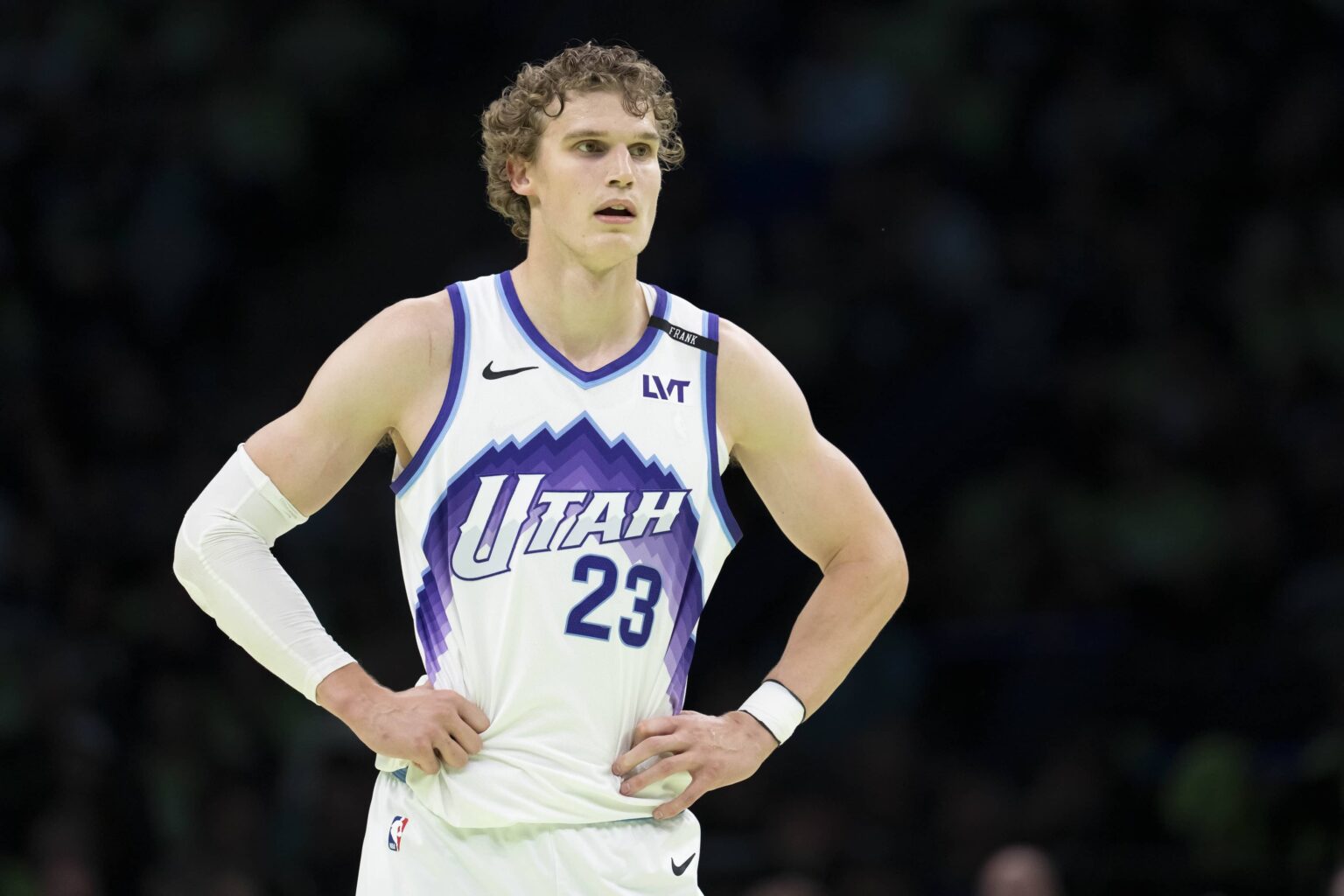
Both NBA analysts and fans have criticized teams like the Utah Jazz for blatantly tanking this season. Although NBA Commissioner Adam Silver hasn’t taken a stance, former NBA champion Richard Jefferson recently provided an intriguing solution on “Road Trippin’.”
“There was a thing in soccer. It’s like once you are eliminated from the playoffs, you should actually be given points toward your percentage for the games you win,” said Jefferson. “Does that make sense? So, if you’re eliminated from the playoffs and there’s 10 games left, if you go 0 for 10, you should have a lower percentage of getting a higher pick. If you go 6 and 4 in your last 10, that means you are trying to win.”
“The wins give you a closer percentage to a higher pick. So those 6 wins instead of you having a 30% chance, right? If you go 0 for 10, if you can win 6 of your last 10 after you’ve been eliminated, you actually have a 35% chance. So they reward you for pushing all the way to the end.”
In the NBA, tanking implies losing on purpose to gain a higher pick in the upcoming NBA draft. When draft classes are particularly deep, it is more common for teams to give up on competing and commit to securing a lottery pick.
Jefferson emphasized the notion that getting “points for trying” instead of simply giving up on the season may have more merit. With teams being incentivized to secure a higher draft pick, they are more likely to perform better.
In some ways, Jefferson’s approach may have merit.
Considering what the Utah Jazz are “supposedly” doing this season (with 28 games left), especially with the roster they have at their disposal, is quite jarring.
Given that the Jazz are currently 17-37 on the season (13th in the West), mathematically, they are still capable of securing a place in the play-in tournament. If they are eliminated, rewarding them for winning a percentage of their remaining games may actually prove beneficial.
Overall, this approach could create a more competitive environment in the lower tiers of each conference. However, there is also a downside to it.
For teams that have struggled all season or have been riddled with injuries, such a system further penalizes them for their shortcomings. By relegating their chances of strengthening their roster through the draft, the NBA would create a “poor get poorer” environment, causing more issues in the long run.
It is widely acknowledged that the current system isn’t perfect. To that extent, the draft lottery itself has been criticized for being rigged, especially after the Dallas Mavericks won the first overall pick last year.
Still, formulating a system that can motivate teams to compete throughout the season and showcase a better product to fans may be the need of the hour for the NBA.