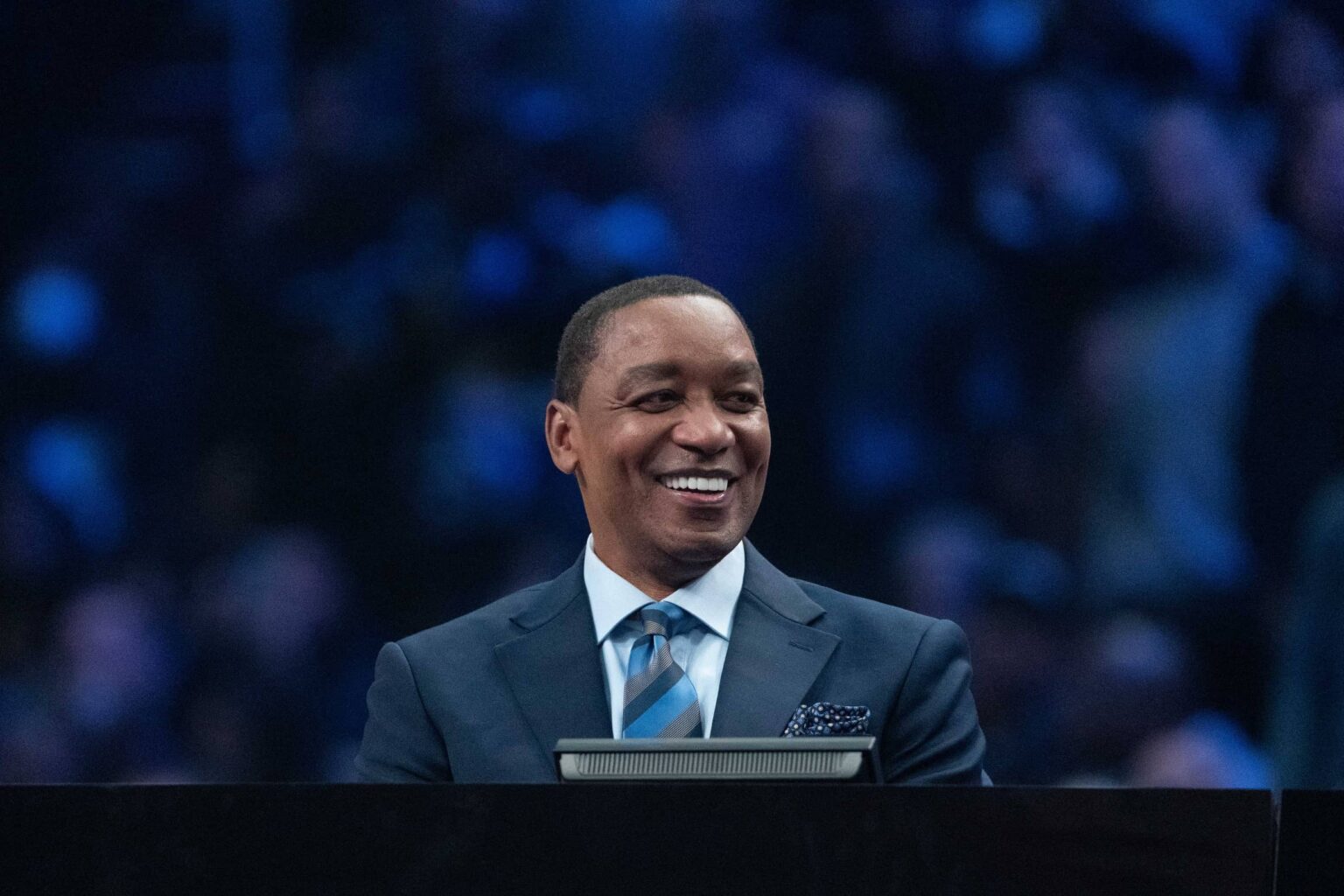
When Isiah Thomas talks about point guard play, it comes from lived experience, not nostalgia. He ran offenses when the paint was crowded, the floor was smaller, and the job description was clear. Get inside, draw defenders, and make everyone else better. Watching today’s game, Thomas sees a position that has evolved so dramatically it almost feels like a different role entirely.
Speaking on NBA on NBC, Thomas laid out the shift plainly. In today’s league, a point guard is expected to score first, not as a luxury, but as a requirement.
“Modern-day point guard right now, it’s a requirement to score. I mean, you have to be the main driver of the offense for your offensive system and scheme to work. So schematically, what has changed in the game is that the ball used to go inside so you can get closer to the basket and get two feet in the paint from the big guys.”
“Now that guard out on the perimeter, as Denny, Joe, and I did, we were required to get inside, get two feet in the paint, and kick out.”
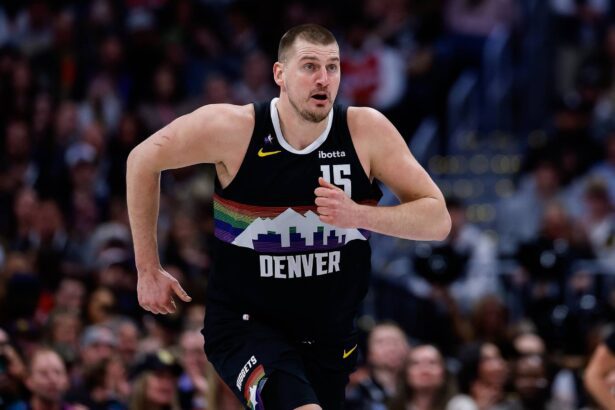
“What I see with a guy like the Joker, which makes him so unique, right, and the reason why he’s leading the league in assists, is because while he can score in the paint and receive the ball in the paint, he also receives it at the top of the key.”
“Most centers don’t get the ball at the top of the key. They are, you know, handoff guys at the top of the key. He’s a scorer from the top of the key. He’s a penetrator from the top of the key. He’s a passer, and he’s a facilitator. So while he is seven feet tall, he really is a 6’11 point guard.”
That is where Thomas made an interesting pivot. He pointed to Nikola Jokic as the most fascinating example of how roles have blurred. Jokic leads the league in assists, not because he plays like a traditional center, but because he functions like a point guard in a seven-footer’s body. Unlike most big men, Jokic receives the ball at the top of the key and is allowed to operate.
That distinction matters. In Thomas’s era, centers were finishers or handoff hubs. They did not initiate offense from the perimeter. Jokic does, and that freedom has redefined what playmaking looks like. It also highlights how modern offenses prioritize decision-making over position labels.
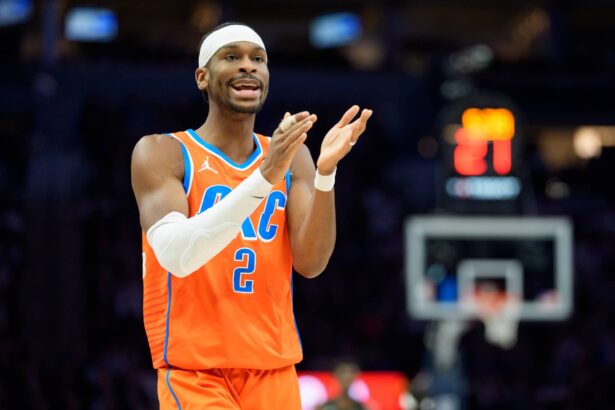
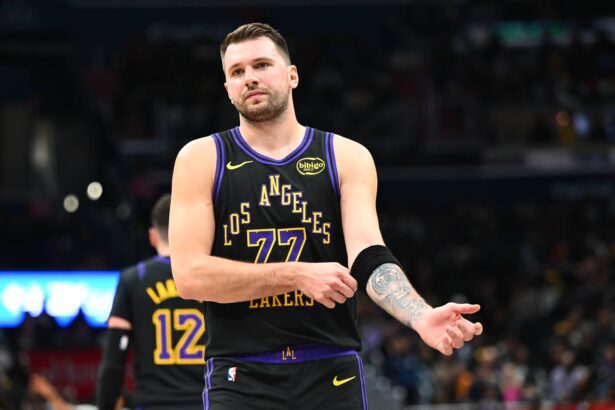
The same philosophy applies to today’s elite guards. Stephen Curry, Luka Doncic, Shai Gilgeous-Alexander, James Harden, Tyrese Maxey, Cade Cunningham, and De’Aaron Fox all score at a high level while still serving as primary facilitators. They are not asked to choose between passing and scoring. They are expected to dominate both.
Thomas is not criticizing the modern game. He is contextualizing it. The skill level is higher. The spacing is cleaner. The responsibilities are heavier. But something has been lost, too. The old art of probing the paint, manipulating defenders with footwork, and creating angles through pressure is no longer the foundation of point guard play.
Instead, the modern point guard wins with range, pace, and versatility. The position has become less about where you stand and more about what you can do from anywhere on the floor. In that sense, Isiah Thomas sees the evolution clearly. The game did not abandon point guards. It asked them to become something bigger.