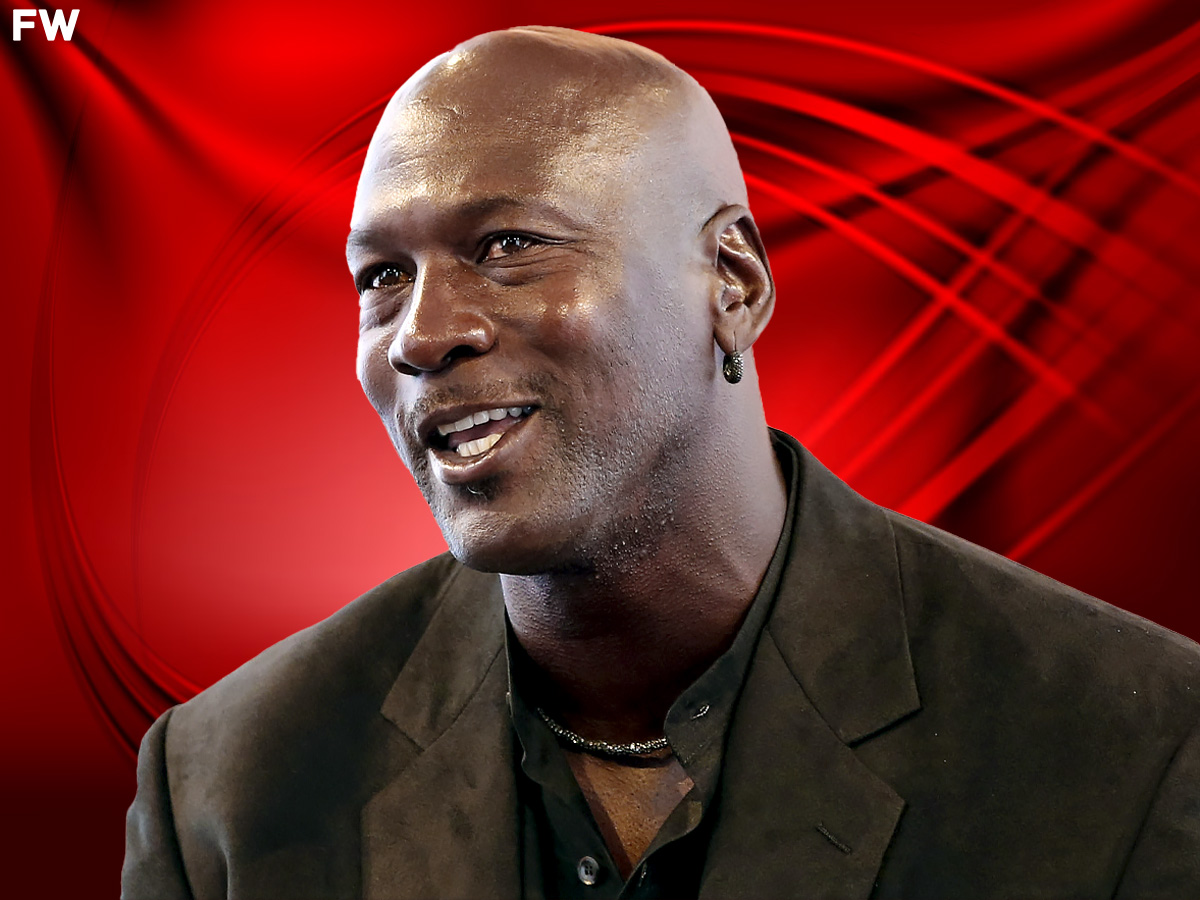
When Michael Jordan speaks on the GOAT debate, people expect a definitive answer. Instead, he gave something completely different.
Jordan, in an interview with Gayle King on CBS Sunday Morning:
“There’s no such thing as a GOAT, not to me. We’re all built from the ones before us. Every generation learns from the last and pushes the game forward. So to say one is better than the other, that’s not really right.”
Michael Jordan tells @GayleKing that he does not believe in the concept of a GOAT: “There’s no such thing… Not to me.” https://t.co/7k1TknJ6OQ pic.twitter.com/YKhQtfNCXy
— CBS Sunday Morning 🌞 (@CBSSunday) March 29, 2026
This is the same player who built a career on dominance, on comparison, on proving he was better than whoever stood in front of him. And yet, when it comes to legacy, he steps away from the argument entirely.
It’s surprising, and yet it makes sense. Because the GOAT debate has become part of basketball culture. Fans argue it daily. Analysts build entire segments around it. Players get measured, compared, and ranked across eras that never actually overlap. It’s fun and it drives conversation. And it keeps history alive in a way.
But Jordan is looking at something else, and that is context. He’s pointing out something people often ignore. Every era is different. The rules change, pace changes, and style evolves. What worked in the 1980s doesn’t fully translate to the 2000s. What dominates today wouldn’t look the same in the 1990s. Each generation builds on what came before it, learning, adapting, and then pushing the game forward again.
That’s the cycle. And Jordan sees himself as part of it, not above it.
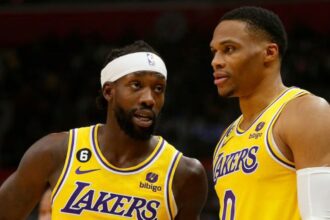
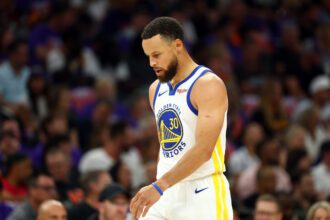
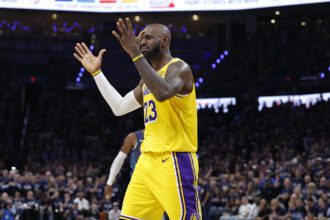
He came into a league shaped by players like Bill Russell, Kareem Abdul-Jabbar, Magic Johnson, and Larry Bird. He took that foundation and pushed it further, redefining scoring, branding, and global impact. Then came the next wave. Kobe Bryant, LeBron James, Kevin Durant, and Stephen Curry. Players who studied him, borrowed from him, and then added their own layers.
So when people try to flatten all of that into one name, one label, one answer, Jordan doesn’t agree with it. Not because he lacks confidence, but because he understands the structure of the game better than most.
There’s also something else in his answer, Perspective. Jordan doesn’t need validation at this point. His career speaks for itself. Six championships, six Finals MVPs, and 5 MVPs. Global influence that still shapes the sport today. He doesn’t need to claim the title for people to give it to him.
The debate won’t stop; it never does, but hearing it from Jordan shifts the perspective. Instead of asking who stands above everyone else, he’s pointing toward something else entirely, that greatness might not be about being above, but about being part of something bigger that keeps moving forward.