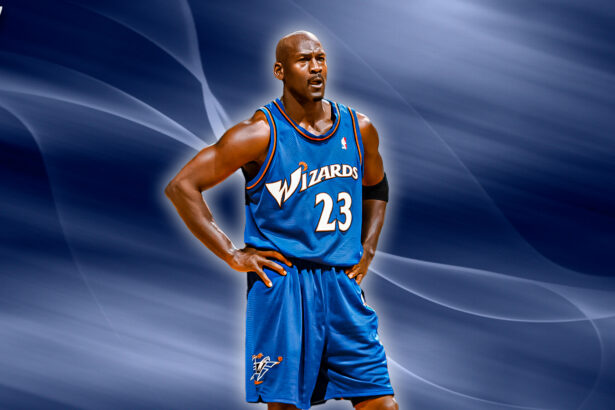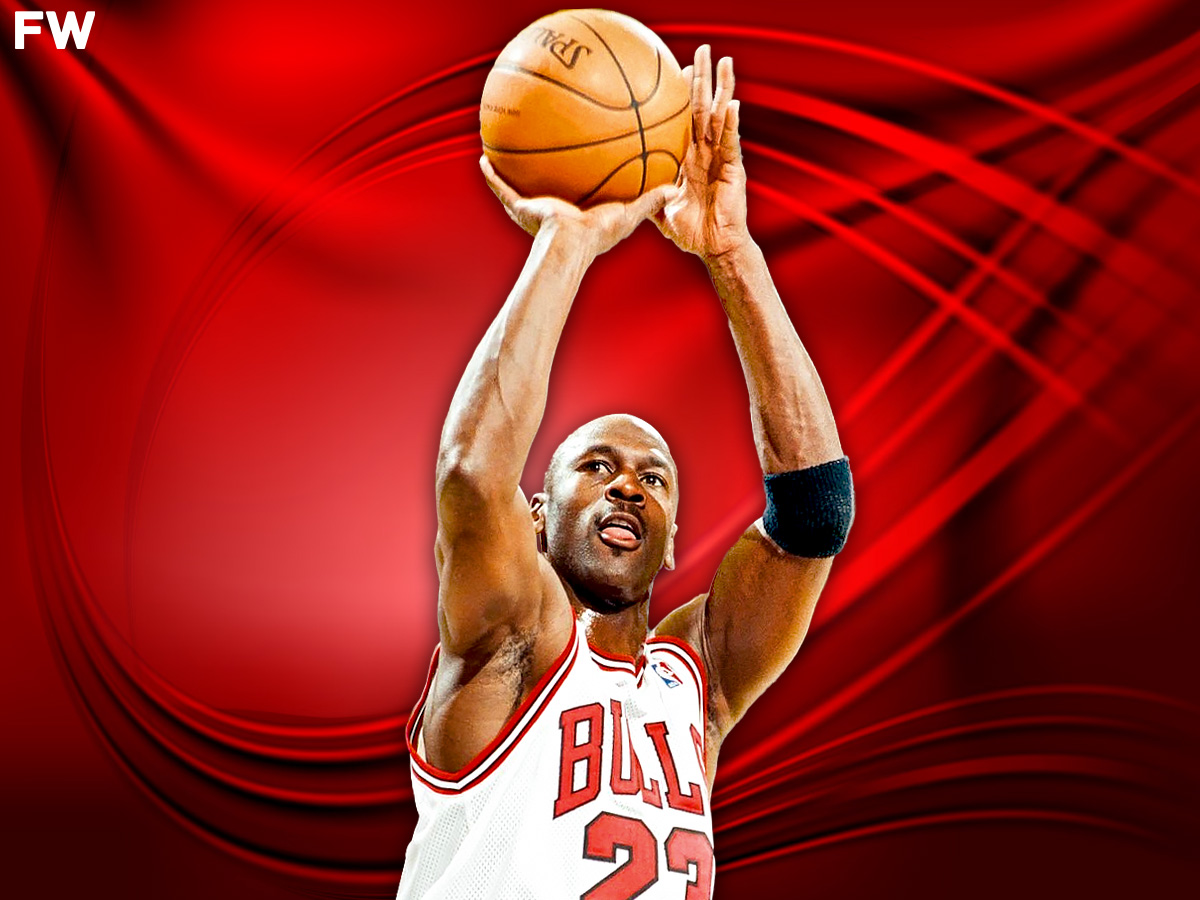
Before one of the most iconic shots in NBA history, Michael Jordan wasn’t pacing, shouting, or locked into a pregame routine. He was sitting in a hotel room, staring at a blank TV.
That detail came from Howard White, a longtime figure around Jordan and someone who saw those moments up close. Speaking on All The Smoke, White shared what Jordan looked like mentally heading into Game 5 of the 1989 playoff series against the Cleveland Cavaliers.
“Remember the shot against Elo. Here’s something powerful about Michael Jordan. He missed three or four free throws in Chicago that would have beaten Cleveland. He never misses free throws.”
“Then he got to Cleveland. The Bulls were there. That’s when you turn on the movie. There was nothing on the TV. He was staring at a blank screen.”
“You all right? Yeah. He said, I ain’t taking that free throw again. Then he hit that shot. That moment was bigger than the moment itself. Was that fate? Maybe. The world is interesting like that.”
“His doubt game, he mastered it. B.J. Armstrong always said he learned he never lost. He either won or he learned. When he got beat, he said, okay, that’s their time. The rest belongs to me.”
Jordan had already dropped 50 points in Game 4, but the Bulls lost. He missed key free throws late, shots that could have closed the series right there. For a player known for precision, that stuck. White remembered what came next. Jordan, alone in his room, was looking at a TV that wasn’t even on. His Airness was starting at a blank screen.
From the outside, it looked calm and quiet. Almost like he wasn’t thinking about anything. But that wasn’t the case. That silence was where Jordan worked. Every second was spent going over what went wrong.
And when Game 5 came, you saw the result. Jordan dropped 44 points and hit what is now known as ‘The Shot’ over Craig Ehlo, a jumper that ended the series and became one of the defining plays of his career. That sequence, from missed free throws to that shot, explains how he operated.
There’s also something else in that moment. Control. Not emotional, not rushed, not reactive. He didn’t need noise or distractions. Jordan sat in silence and worked through it his way.
That’s not common.
Most players want to move past mistakes quickly. Jordan slowed it down. Faced it directly.
Howard White has seen that side of him for years. As a key figure within Nike and Jordan Brand, he’s been around countless moments where Jordan’s mindset showed itself in different ways. But this one stands out because of how simple it looks from the outside.
By the time he stepped on the floor for Game 5, the work was already done mentally. The shot over Ehlo wasn’t random or luck. It was the result of everything that happened in that quiet room.