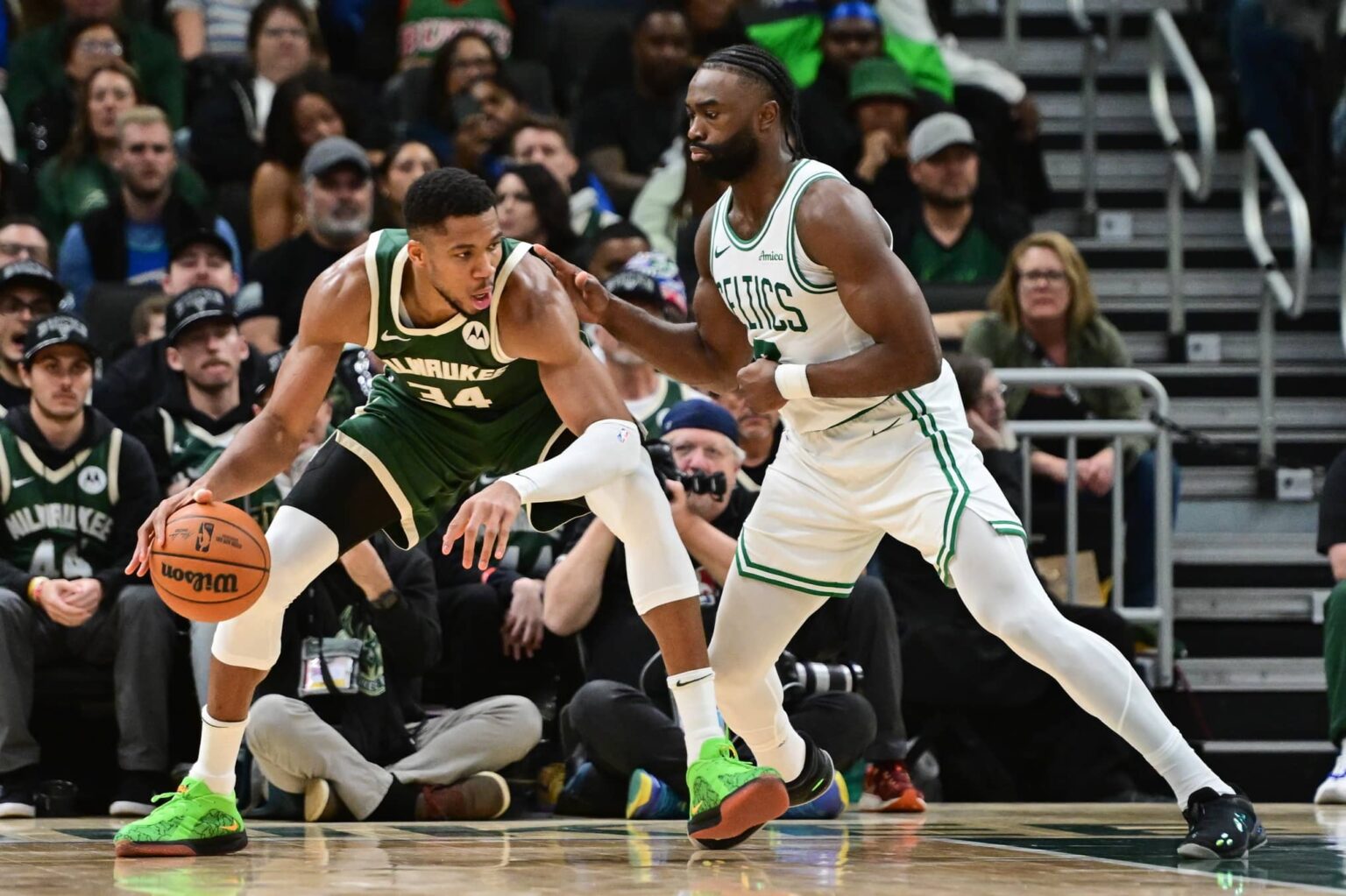
NBA trade discourse always finds its way back to the biggest names, and this week it arrived in full force when Tom Haberstroh floated a blockbuster idea involving Giannis Antetokounmpo and Jaylen Brown. On paper, a Giannis-for-Brown swap between the Boston Celtics and the Milwaukee Bucks feels like the kind of trade that would have been an automatic yes for the Celtics not too long ago. Now, it is far more complicated.
Brown has completely rewritten his narrative this season. With Jayson Tatum sidelined, Brown has stepped into the spotlight and looked every bit like a franchise centerpiece. He is averaging 30.1 points, 6.3 rebounds, and 5.0 assists while shooting 51.0% from the field and 37.0% from three. More importantly, he is doing it as the focal point of the offense, drawing extra defensive attention every night and still producing efficiently. At 29, Brown is no longer a ‘secondary star.’ He is playing like a true MVP-level lead option.
Giannis, meanwhile, remains Giannis. He is still one of the most devastating forces the league has ever seen, averaging 29.3 points, 10.0 rebounds, and 5.5 assists on absurd efficiency. When he plays, Milwaukee wins. The Bucks are 13–9 with him in the lineup and just 4–11 without him, a stat that underscores his singular impact. Advanced metrics continue to place him firmly in the MVP tier, well above most of the league.
Haberstroh laid out the trade’s appeal clearly as he listed out the pros:
“The Greek Freak is a downhill dunker like we’ve never seen in NBA history. He doesn’t require methodical post-ups or a series of pick-and-rolls to get his buckets. He can turn a stop into a slam in seconds.”
“That superpower has allowed him to single-handedly make the Bucks a winning outfit when he takes the floor, even though he’s hampered with arguably the worst supporting cast in the league. The Bucks are 13-9 when he plays and 4-11 when he doesn’t.”
“Advanced player metrics paint Giannis as the third-best player in the NBA, a guy who provides All-NBA level on both ends of the floor. It’s those player metrics, which consider box-score stats AND on-off data, that really illustrate the greatness of Giannis Antetokounmpo even as he ages into his 30s.”
But the downside risk is real, as he laid out the cons:
“Any team acquiring Giannis has to be a little nervous about the downside risk. He just turned 31. He has missed one in three games this season dealing with a nagging calf injury that keeps popping up on the injury report. Calf strains are increasingly being monitored for Achilles tear risk even if the science is mixed.”
“Big picture, his health record isn’t sparkling clean. Teams looking to acquire him have to be able to stomach the fact that he has been injured in two of the last three playoff runs. ”
That is where the calculus flips for the Celtics. Brown is already locked into a five-year, $285 million deal, and he is in year two, where he will make about $53 million. He is younger, healthier right now, and deeply embedded in the Celtics’ system. The Celtics know exactly how to build around him. They have already won with a Brown-Tatum core, and even without Tatum, they remain one of the best teams in the East.
Contractually, Giannis is in Year one of a three-year, $175 million extension. He is making roughly $54 million this season, with his salary escalating toward a player option worth around $62.8 million in 2027–28. That matters. Any team trading for him is not just betting on his talent, but on his health through his early-to-mid 30s, and on his willingness to commit long-term. A Giannis trade is never just a basketball move. It is a franchise-defining financial decision.
From the Bucks’ side, the logic is clearer. Brown helps them stay competitive immediately and fits their age timeline. If things go south, Brown is also easier to re-route for future assets than an aging Giannis on an even larger contract.
That is where our proposed framework becomes interesting:
Boston Celtics Receive: Giannis Antetokounmpo
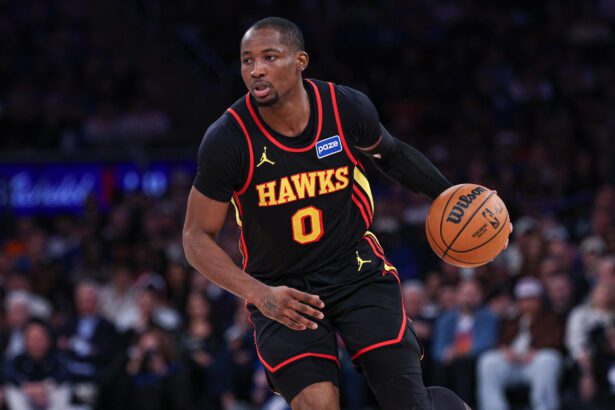
Milwaukee Bucks Receive: Jaylen Brown, Xavier Tillman
From the Bucks’ perspective, this is clean and logical. Brown gives them a durable, elite two-way wing who can carry scoring responsibility immediately. He keeps them competitive without control of their own draft picks, which is critical. Xavier Tillman adds defensive versatility, playoff experience, and a movable contract that helps stabilize the rotation. This is not a rebuild package. It is a retool designed to keep winning.
For the Celtics, the upside is obvious but terrifying. Giannis is a once-in-a-generation downhill force who instantly raises their ceiling. Pairing him with a healthy Tatum would give the Celtics the most physically dominant duo in the league. Even short-term, Giannis alone could keep the Celtics in the title conversation.
The irony is that this trade probably makes more sense for the Bucks than the Celtics. A year ago, the Celtics might have jumped at the chance to acquire Giannis. Today, with Brown playing the best basketball of his career and Tatum’s future uncertain post-injury, patience suddenly feels like the smarter play.
Giannis is still a monster. But Jaylen Brown may just be good enough for the Boston Celtics to make them say no.