The Cleveland Cavaliers are not supposed to be here.
Last season, they ripped through the league for 64 wins and the No. 1 seed, and Kenny Atkinson even took home Coach of the Year.
Now they are sitting at 15 wins and 13 losses, ninth in the East, and they just took another hit with Evan Mobley expected to miss two to four weeks with a left calf strain.
After getting smacked by the Chicago Bulls 127-111 on Wednesday, it feels like the Cavs are drifting into that ugly zone where “small tweaks” stop being enough.
So if the Cavs decide this season needs a real shakeup, here are the five players who sit closest to the trade line.
1. Jarrett Allen
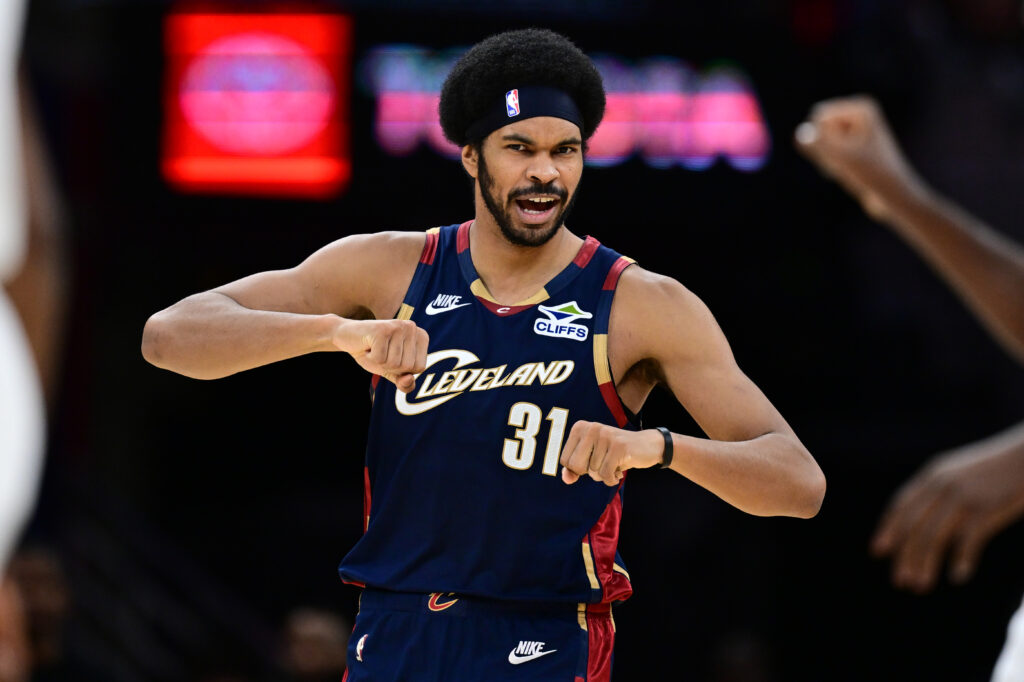
The cleanest “basketball reasons” trade the Cavs can talk themselves into is Jarrett Allen, and it starts with the obvious problem. You cannot fully maximize Mobley as a modern big if you keep living in two center lineups forever. At some point, you either commit to Mobley as a full-time center or you accept that you are paying premium money for a frontcourt pairing that shrinks your spacing in the biggest moments.
Allen is still producing, too. He is at 14.0 points, 7.2 rebounds, and 1.8 assists on 57.5% from the field. That is not some washed contract you are dumping. That is a legitimate starting center who can anchor lineups, finish plays, and keep your defense stable.
The money makes him movable, not untouchable. Allen is on $20 million this season, and that number is basically the sweet spot for trade construction. Big enough to match for real rotation pieces, small enough that a team can talk itself into it without panicking about the second apron.
And here is the part people skip. Centers like Allen always have a market because somebody always thinks they are “a rim protector away.” If the New Orleans Pelicans decide they need a stabilizer for their leaking defense, Allen makes sense. If the Dallas Mavericks panic with Lively, Davis, and Gafford constantly injured, Allen makes sense. If the Oklahoma City Thunder decide they want a traditional center option for certain matchups, Allen makes sense. The buyer list is not tiny.
From the Cavs’ side, the argument is simple. You get more lineup flexibility, you lean harder into Mobley as the identity big, and you probably chase a wing or a shooting forward that helps your spacing. The risk is also simple. If Mobley misses time, or if the Cavs’ defense slips without Allen’s size, you are gambling that the “modern” version of the roster actually raises the ceiling instead of just changing the vibe.
But if the Cavs really want to change something without blowing up everything, Allen is the first domino that actually feels realistic.
2. Darius Garland
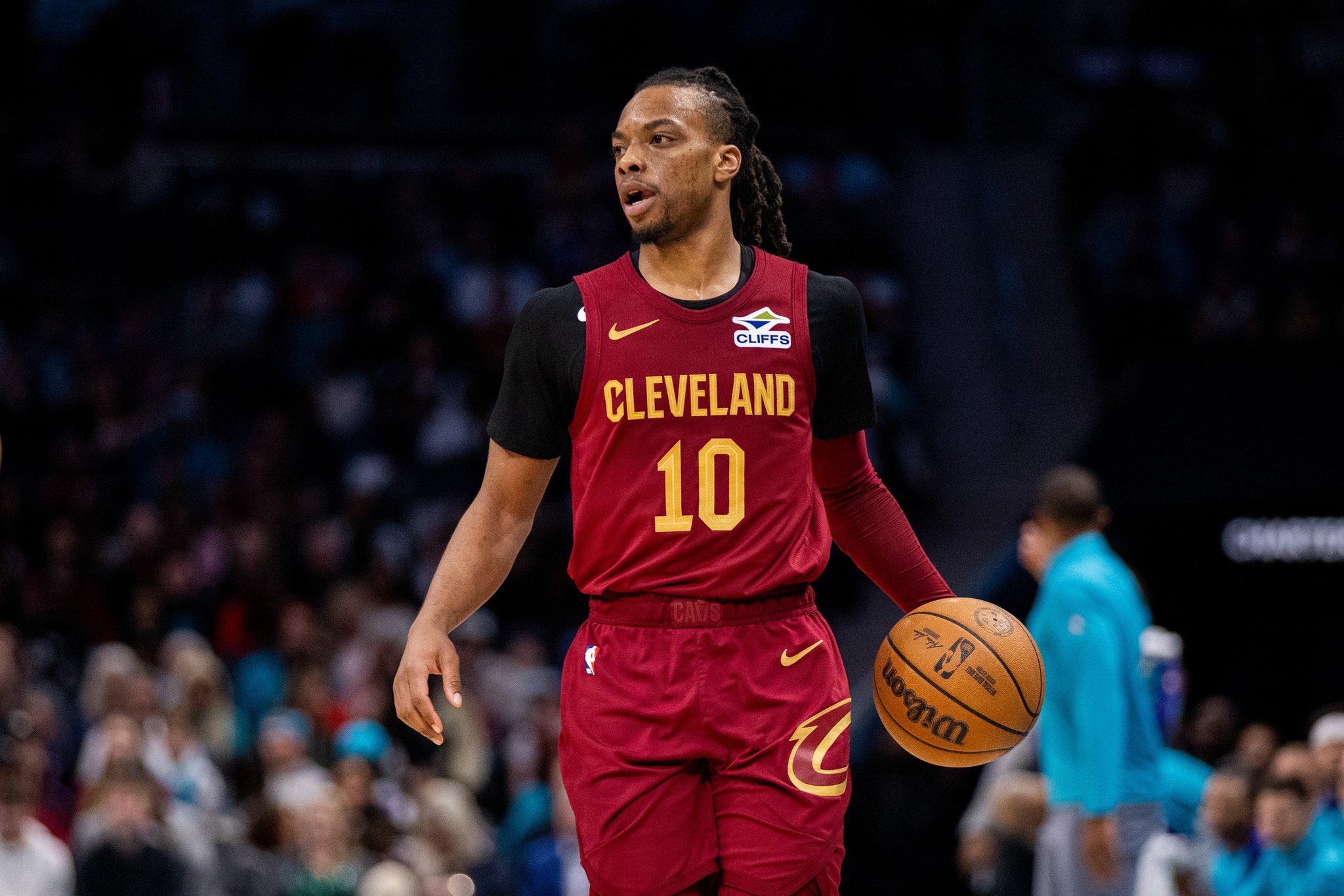
Darius Garland is the scary one, because trading him is the kind of move that tells the league you are rewriting your core, not tweaking it.
The production this season has been rough by his standards. He is at 15.4 points and 6.4 assists, but the shooting has fallen off a cliff at 36.3% from the field. And there has been real context around his health, including ongoing issues after toe surgery, plus stretches where he has simply not looked like himself.
The contract is what makes this conversation feel dramatic. Garland is making $39.4 million this season. If the Cavs keep sliding, that number stops being “your franchise point guard price” and starts being “your one big trade chip that can actually change the roster.”
And yes, there has been smoke. HoopsHype’s Michael A. Scotto has been cited in recent reporting as expecting significant interest around Garland leading into the trade deadline window. That does not mean the Cavs want to move him. It does mean teams are watching, and they are ready to pounce if the Cavs wobble.
Here is the blunt truth. The Garland and Donovan Mitchell pairing always comes with the same question in big games. Can you survive defensively with two small guards when the other team is hunting switches every trip? When the Cavs were rolling last year, you could shrug and say “talent wins.” When you are ninth in the East, you do not get to shrug anymore.
If the Cavs ever decide Mitchell is the one they are building around long-term, Garland becomes the piece you use to chase size, wing scoring, or a bigger creator who changes the matchup math.
Teams like the Brooklyn Nets and Orlando Magic make sense as “need a lead guard” fits. The Raptors make sense as the kind of franchise that could talk itself into Garland as a secondary star next to Scottie Barnes, even if it costs real assets. Those are not the only teams, just the type of teams that would actually consider taking on the money.
This is still the least likely trade on the list because it is the most disruptive. But if the Cavs are truly spiraling by January, Garland is the one move that could flip the franchise storyline overnight.
3. De’Andre Hunter
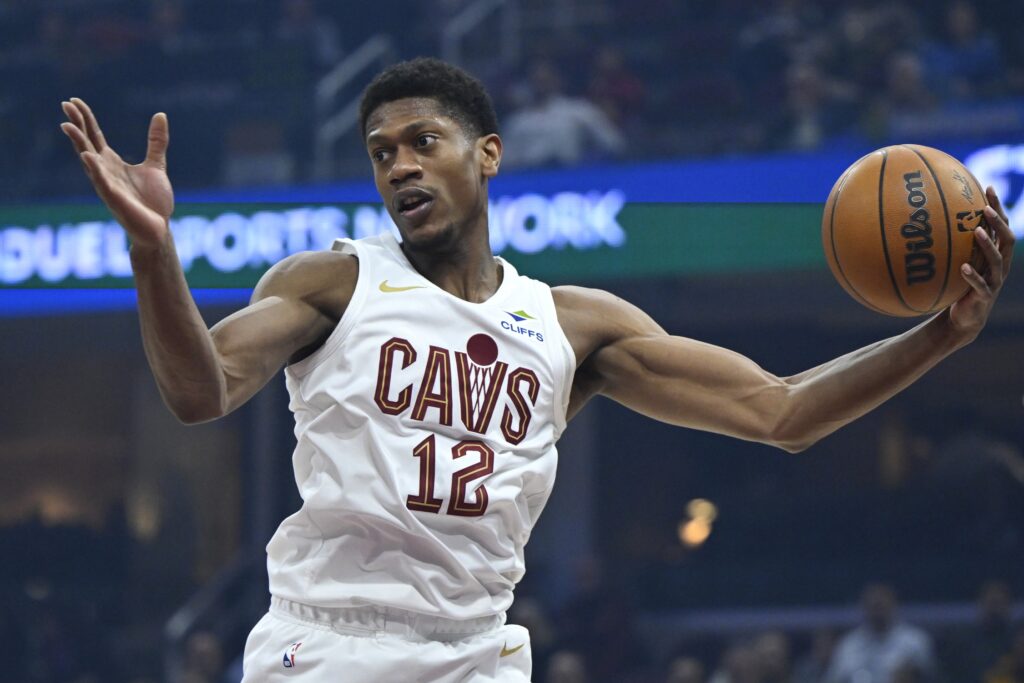
De’Andre Hunter screams “first contract to move” if the Cavs decide they need to clean up the roster fast.
He is putting up 15.3 points, 4.3 rebounds, and 2.2 assists on 42.9% from the field. That is useful production, but it is not the kind of efficiency that makes a front office feel married to the deal.
And the contract is real. Hunter is making $23.3 million this season. That is starter money, and in a league where every team is staring at the tax line like it is a horror movie villain, starter money for a good but not great wing is exactly the type of deal teams shuffle around.
This is also where the Cavs situation matters. When Mobley is out, the roster gets weird. When the shooting is inconsistent, the wing rotation gets even weirder. Hunter is supposed to be the “plug and play” wing who lets you keep your defense intact while still scoring enough to punish bad matchups. If the Cavs feel like they are not getting the two-way version of him consistently, the temptation is obvious. Flip him into two smaller pieces, or one cleaner fit, and try to stabilize the rotation.
The other reason he is a trade candidate is that he is easier to trade than the stars. Allen and Garland require serious vision and serious negotiation. Hunter is the kind of player a front office can move in one phone call if the right offer hits. A team chasing the playoffs might see him as an instant wing upgrade. A contender might see him as a “third forward” who can guard up a position.
From the Cavs side, the ideal outcome is not “get picks and reset.” It is “swap the fit.” Better shooting, cleaner role definition, less money, or all of the above. Hunter is the most realistic name here because he is valuable enough to have a market, but not so central that moving him feels like franchise malpractice.
4. Lonzo Ball
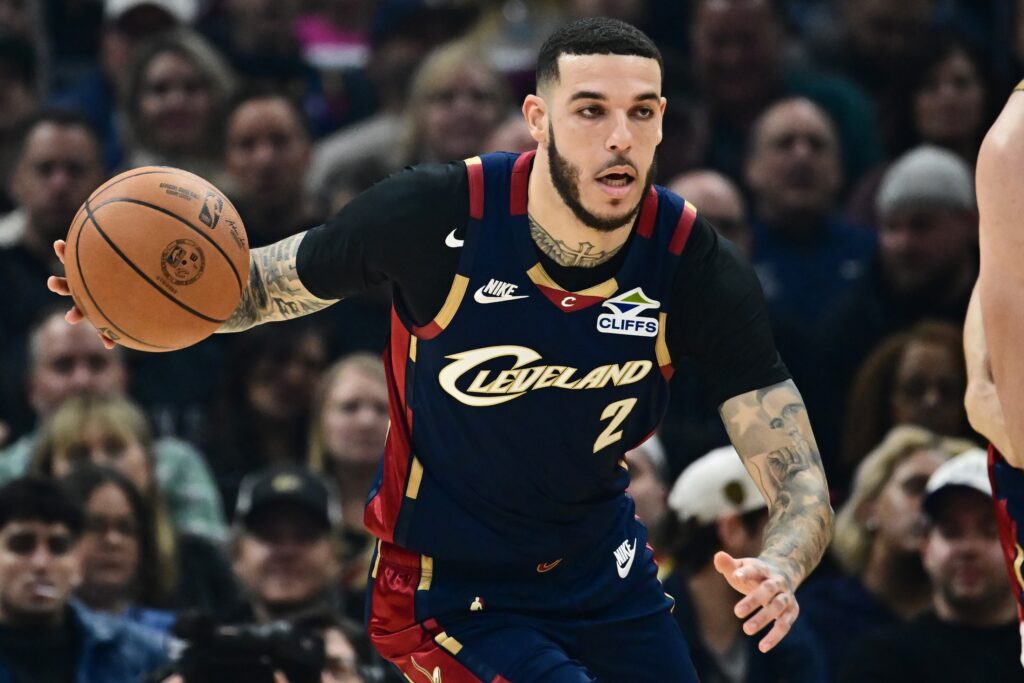
Being on this list is not about surprise; it is about reality for Lonzo Ball.
He got to the Cavs in the summer after a trade from the Chicago Bulls, and the whole pitch was basically a fresh start after years of injuries. Before that, he had agreed to a two-year, $20 million extension with a club option for the second year, which is exactly the kind of contract teams treat like a low-risk bet.
On the court this season, the numbers have been brutal. Ball is at 5.4 points, 4.7 rebounds, and 4.6 assists, and he is shooting 28.8% from the field. If you are trying to win now, that is hard to live with, even if you love what he is supposed to be defensively.
The salary matters. Ball is at $10 million this season, and that kind of number is basically a trade deadline coupon. A team can take him as a flier, use him as salary matching, or take the club option logic and convince itself there is upside without long-term pain.
From the Cavs angle, Ball is the “we tried it” move. If he is not giving you enough creation, and your offense is already stuck in mud, you cannot keep burning minutes hoping it suddenly clicks. You either reduce the role dramatically or you move the contract for something that better fits what you need. A steadier backup guard. More shooting. Another wing. Anything that makes the rotation make sense.
Ball is also the kind of player who can look way better in a different context. If he lands on a team with a clear pecking order where he can defend, move the ball, and take open threes without having to create, you can talk yourself into him again. That is why he is tradable even with ugly splits.
If the Cavs are making a move just to stop the bleeding, Ball is one of the easiest names to move.
5. Max Strus
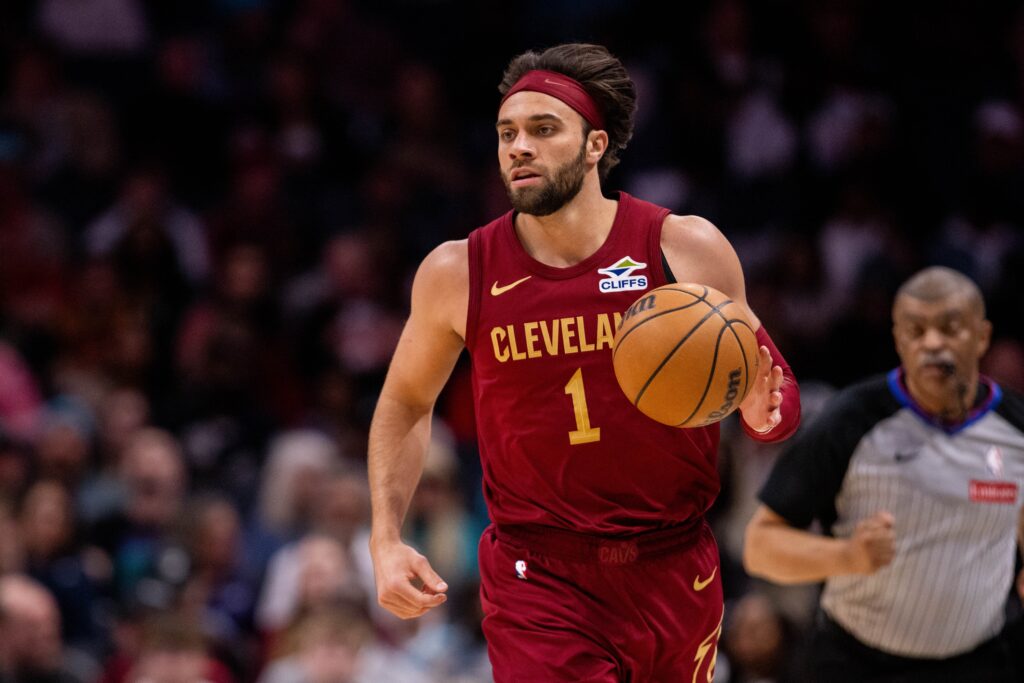
Strus is a trade candidate in a different way, because his situation is half basketball and half timing.
He had foot surgery in late August after a Jones fracture, and the original timetable was roughly three to four months. As of mid-December, he is still out, and there is no firm return date, with ongoing updates continuing to list him as unavailable.
That matters because Strus is not on a minimum deal. He is making $15.9 million, and he is part of that middle-class salary tier that front offices use to build trades.
So why would the Cavs trade him now if he is hurt? Two reasons.
First, cap pressure does not care about vibes. If the Cavs decide they need to reshuffle multiple contracts, Strus becomes a natural piece in a bigger package because his salary helps you match. Second, some teams will still bet on the player, not the current injury report. Strus has shown he can space the floor, run actions, and bring real playoff energy. Even last season, he played 50 games and averaged 9.4 points, 4.3 rebounds, and 3.2 assists.
The trade value depends on timing. If Strus returns in January and looks like himself, the Cavs can either keep him as a desperately needed shooter or shop him as a rotation wing on a reasonable contract. If he stays out longer, he is more likely to be used as salary matching rather than a centerpiece.
This is the one name on the list where the Cavs almost have to wait for the medical timeline to cooperate. But the money is big enough that he will always be part of trade math if the Cavs decide to get aggressive.
If you want my honest ranking of “most likely,” it starts with Hunter and Ball because they are the easiest to move, then Allen because he is the cleanest structural change, then Strus because of health, then Garland because that is a franchise-level decision.