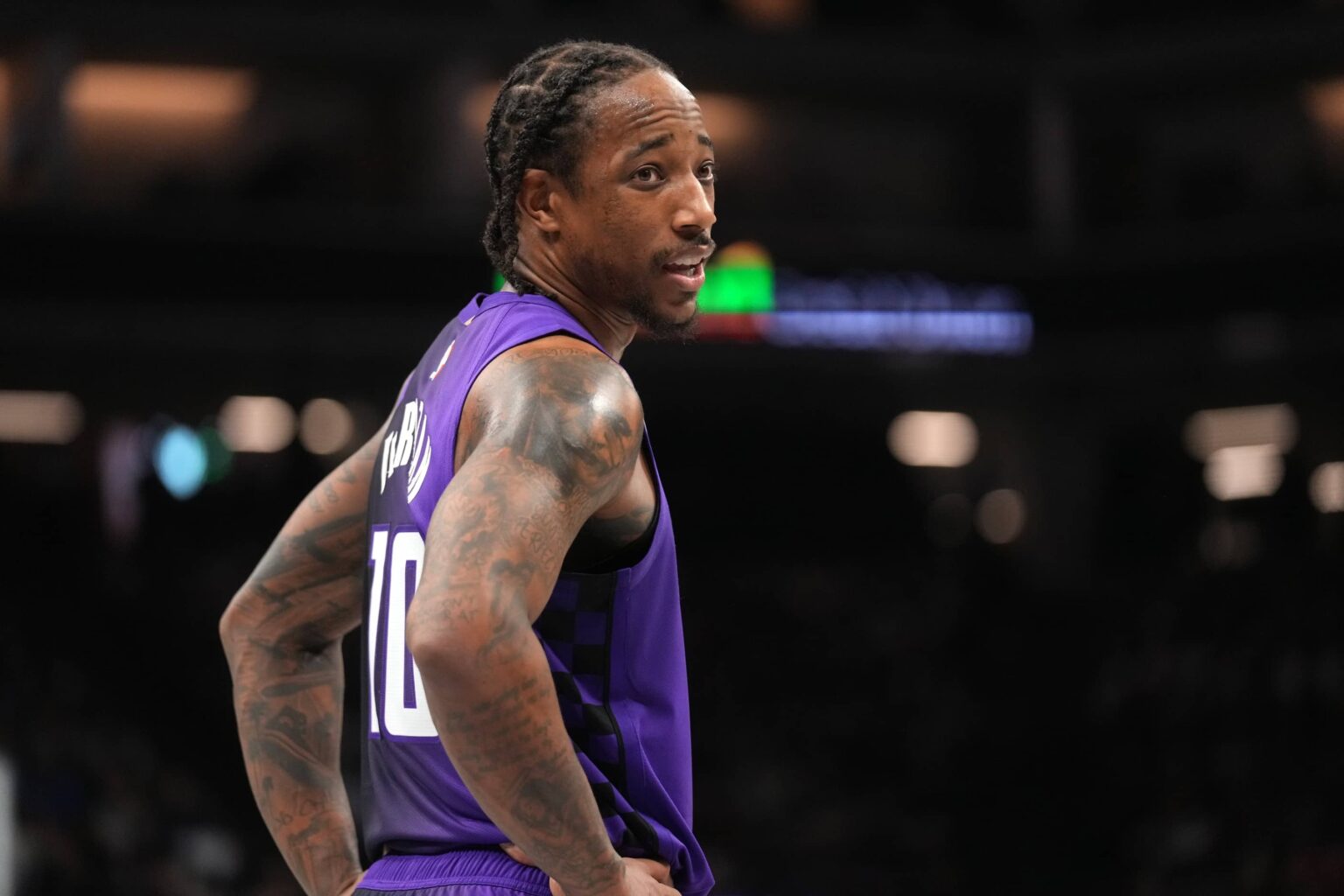
The DeMar DeRozan buyout chatter is being discussed publicly, with Chris Mannix framing DeRozan as a strong buyout candidate if the deadline passes without a deal, largely because the market hasn’t been loud, and his contract structure makes a pivot plausible if the Kings decide they need clean flexibility.
DeRozan is averaging 19.2 points, 3.2 rebounds, and 3.9 assists on 50.6% from the field this season, which is good enough to help a contender, even if the three-point volume isn’t his selling point.
The stakes are obvious: the Kings are sitting at the bottom of the West at 12-39, and the deadline is basically their last off-ramp before the rest of the season turns into asset management.
Still, Anthony Slater reported today that if DeRozan isn’t moved by the trade deadline, the Kings have zero plans to buy him out, and that the sides haven’t even had buyout discussions. So the reporting is all up in the air right now.
So let’s frame this the honest way. The Kings are telling you a buyout isn’t happening. If that changes after the deadline, here are the five destinations that actually fit DeRozan’s game, role, and the kind of playoff environment where his midrange diet becomes a weapon again.
1. Los Angeles Lakers
If DeMar DeRozan ever hits the market, the Lakers are the cleanest “basketball and narrative fit” combo in the league.
Start with the basketball. The Lakers are 30-19 and sitting fifth in the West, so this is not a “save the season” swing; it’s a “sharpen the playoff offense” swing. The profile is pretty clear: the Lakers score efficiently (they’re top of the league in field goal percentage at 49.8%), but they still lean into shot creation late, when teams switch, load up, and take away your first action.
That’s where DeRozan’s skill set is still valuable: you can give him the ball at the nail or in a side ISO, live with the midrange math, and know you’re getting a clean look that doesn’t require a screen to “win” first.
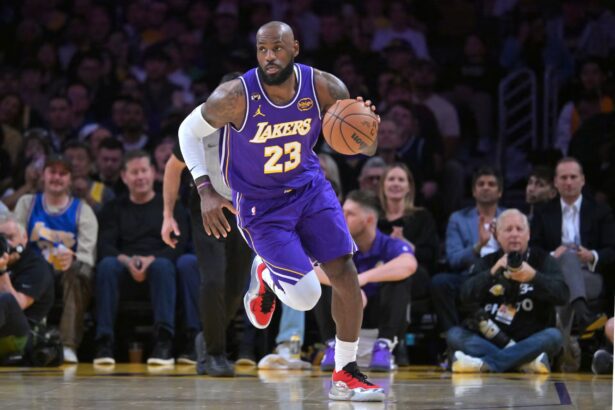
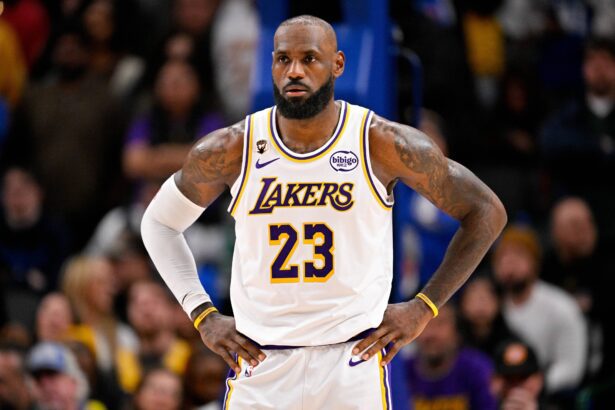
Xs and Os-wise, he fits as a plug-and-play counter to switching. Think “Horns” into an elbow touch, with Luka Doncic or LeBron James screening to occupy help, then a simple empty-corner clear for DeRozan to go to work. The Lakers already run late-clock possessions through their stars, but adding a third creator changes the geometry: it lets the Lakers keep Luka as the primary advantage creator while using DeRozan as the second-side release valve, the guy you swing it to when the first domino doesn’t fall.
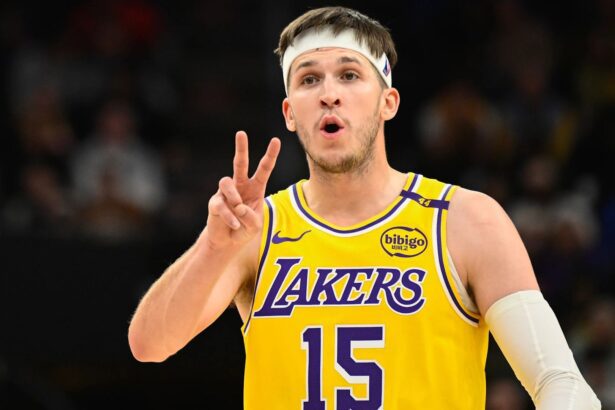
There’s also a sneaky synergy with Austin Reaves as a cutter and connector, because DeRozan draws the kind of help that opens up baseline and 45 cuts.
Then there’s the history. DeRozan has been tied to the Lakers orbit for years, including his own public comments that he thought joining them was essentially lined up in the past before their plans pivoted.
If the Kings truly don’t want a buyout, that’s that. But if it ever gets there, the Lakers are the rare landing spot where the role is obvious: 22 to 28 minutes, close some nights, punish switches, stabilize the non-Luka possessions, and give the Lakers another late-game button to press.
2. Phoenix Suns
The Suns’ case is less about vibes and more about roster math: they have a star engine in Devin Booker, and they’ve needed a second perimeter scorer to keep the offense from getting too predictable when teams trap and rotate.
Booker is still a top-tier shot maker, putting up 25.4 points and 6.2 assists this season. But the Suns’ supporting scoring has been streaky enough that Dillon Brooks has ended up carrying real creation nights, and he’s averaging about 20.9 points himself.
That’s not a “role player got hot” blip; it’s a sign the Suns have needed someone else to take high-leverage volume when Booker is banged up or when defenses sell out on him. And from a team lens, the Suns are 31-20 (sixth in the West) with a positive net rating (2.5) and a solid, mid-pack offense (115.9 offensive rating, 14th in the league). Good team. Not elite offense. That’s exactly where a buyout add can matter.
DeRozan’s fit comes down to shot diet and defensive counters. The Suns take a lot of threes (39.8 attempts per game) and play with pace off turnovers, but in the postseason, your best offense is often the one that can generate a decent shot without needing transition or a perfect screen hit.
DeRozan gives you that “no-action” scoring. He also gives Booker a different kind of partner: instead of another high-usage pick-and-roll guard, you get a half-court release that lives in the midrange pockets teams concede when they’re terrified of Booker pull-up threes.
The clean outlook is simple: Booker runs high pick-and-roll to force the first rotation, then the ball swings to DeRozan at the elbow against a scrambling defense. If the Suns see switches, you flip it: DeRozan isolates the mismatch, Booker becomes the weak-side gravity, and Brooks turns into the baseline cutter and corner spacer who can punish help. It’s not pretty, but it’s playoff functional.
And the role is realistic. DeRozan doesn’t have to “be the guy.” He just has to be the guy who keeps the Suns from having dead possessions when Booker sits or gets trapped.
3. Los Angeles Clippers
The Clippers angle got a lot more interesting today because the entire offensive ecosystem just changed.
They moved James Harden for Darius Garland, which basically swaps a heliocentric, slow-tempo table-setter for a quicker guard who needs structure and spacing to really hum. The standings tell you why they’d be aggressive: the Clippers are 23-26 and ninth in the West, living in the Play-In danger zone.
That’s exactly the tier where teams talk themselves into a buyout swing, because one additional creator can be the difference between two road Play-In games and a clean 7–8 seed path.
DeRozan fits because he solves a specific problem the Garland teams tend to have in the playoffs: what happens when the first action is defended, and you need someone to score anyway. Garland can create advantages, but DeRozan is the guy you throw the ball to when the possession turns into a rock fight.
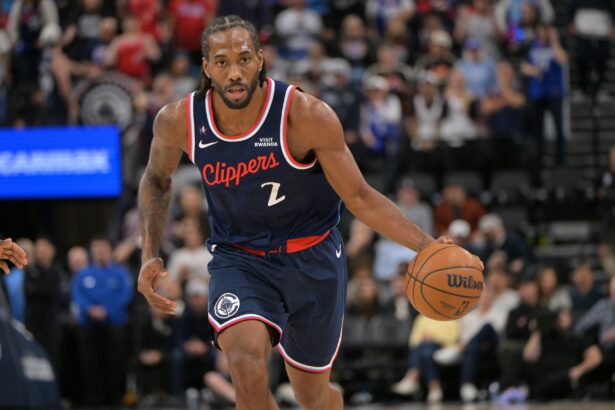
That matters next to Kawhi Leonard, because Kawhi is still the best “I’ll get a shot” option, posting 27.6 points as an All-Star reserve, but the Clippers can’t ask him to do every hard thing every trip. DeRozan gives them a second late-clock scorer who doesn’t need a screen to feel comfortable.
The reporting trail also exists. There were reports by The Athletic’s Sam Amick earlier this season that the Clippers were monitoring DeRozan’s situation and exploring pathways if the Kings’ direction shifted. Even if some of the public chatter is noisy, that kind of monitoring makes sense structurally: the Clippers have needed half-court stability, and DeRozan is basically a walking half-court possession.
With Garland, the Clippers can run more high pick-and-roll to bend the defense, then flow into DeRozan as the second-side attacker. If teams switch Garland’s actions, you can invert the offense: put DeRozan at the elbow, run Garland off a handoff into a re-screen, and force defenses to choose between giving up a downhill drive or a clean midrange catch.
It’s not a perfect fit. The spacing questions are real. But if you’re the Clippers, you don’t need perfect. You need functional offense when the game slows down, and you need another proven shot creator who can carry five minutes without Kawhi doing all the heavy lifting.
4. Orlando Magic
If you’re looking for a buyout landing spot where DeMar DeRozan would instantly fix a real playoff problem, the Magic are sitting right in that lane.
The Magic are eighth in the East right now, and the broader profile is basically “good enough to matter, not stable enough to trust in a half-court series.” They sit at 25-24 with a slightly negative rating, basically a team that can win nights with defense and athleticism, but still has to grind for offense.
And when the shot-making dries up, it can get ugly fast, like the 128-92 loss to the Thunder last night, where they shot a season-low 38.2% and started 0-for-10 from three.
That’s why DeRozan makes sense here. He’s still producing 19.2 points, 3.2 rebounds, and 3.9 assists on 50.6% from the field. The Magic don’t need him to be a heliocentric star. They need a late-clock adult who can manufacture a clean look when the first two actions get iced, and the possession turns into “someone please score.”
The Magic already have downhill pressure and mismatch hunting with Paolo Banchero and guards who can get into the paint. DeRozan slots as the second-side closer: run a spread pick-and-roll to force the low man to tag, kick it out, swing one more time, and now DeRozan is catching at the elbow against a tilted defense instead of trying to beat a set shell.
This is one of the few teams where DeRozan wouldn’t just be “a name,” he’d be a structural upgrade. The Magic are already good enough to get into real games. They’re just missing that one guy who can win the boring possessions.
5. Toronto Raptors
This one is less about squeezing out two extra wins and more about how careers actually end. If DeRozan ever gets bought out, the Raptors are the most logical “finish it where it started” destination in the league.
The Raptors are legitimately good this season. They sit at 30-21 and tied for fourth in the East, good enough that you’re talking about playoff seeding, not lottery math. Scottie Barnes is playing like a franchise centerpiece and just made the All-Star team while averaging 19.4 points, 8.3 rebounds, and 5.6 assists.
And the roster has real scoring layers: Brandon Ingram is the team’s scoring leader, with Immanuel Quickley leading in assists. So why would DeRozan fit, beyond the nostalgia?
Because this version of the Raptors has a clear identity, but postseason offense still comes down to “can you get a good shot against switching and scouting.” Barnes is a bully-ball hub. Quickley can create. Ingram can score over the top.
Adding DeRozan gives them a different flavor of late-game option, one that doesn’t require a screen to generate separation. He’s still efficient from the field, and his midrange profile plays up when defenses take away rim attempts and clean threes.
You can run Barnes as the initiator, force a mismatch, then flow into a DeRozan elbow touch as the second action. Or invert it: let DeRozan isolate, then use Barnes as the cutter and offensive-rebound threat when help comes. The Raptors already have size and passing. DeRozan would give them a steadier shot diet when possessions get tight.
And yeah, the career angle matters. DeRozan is 36, he was drafted by the Raptors, and if he’s choosing a buyout destination, it’s not crazy to think he’d value role clarity and legacy as much as ring-chasing.
The Raptors can sell both: meaningful games now, and a real “closing chapter” story that doesn’t feel like a gimmick. If you want one team where the emotional pitch and the basketball pitch overlap perfectly, it’s the Raptors.