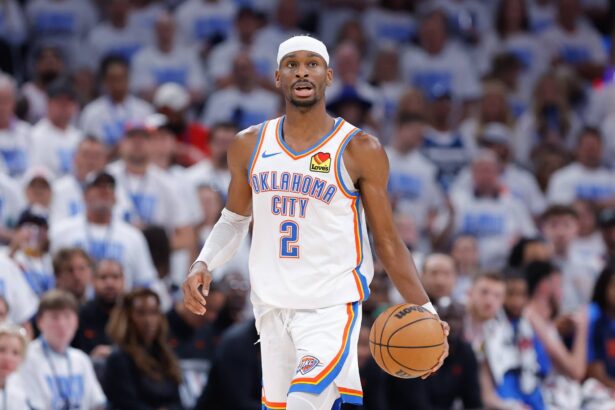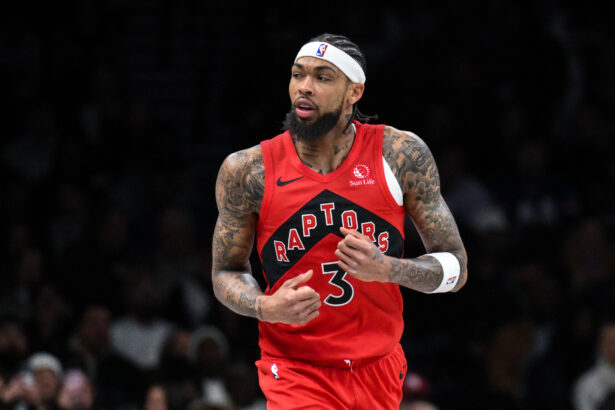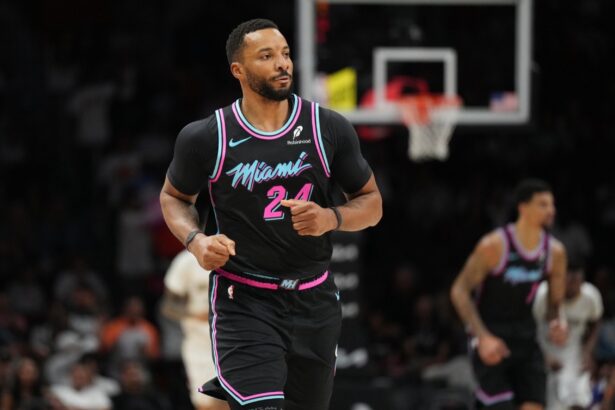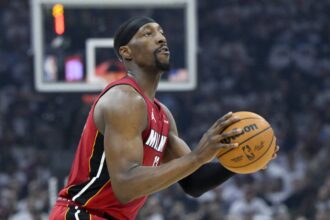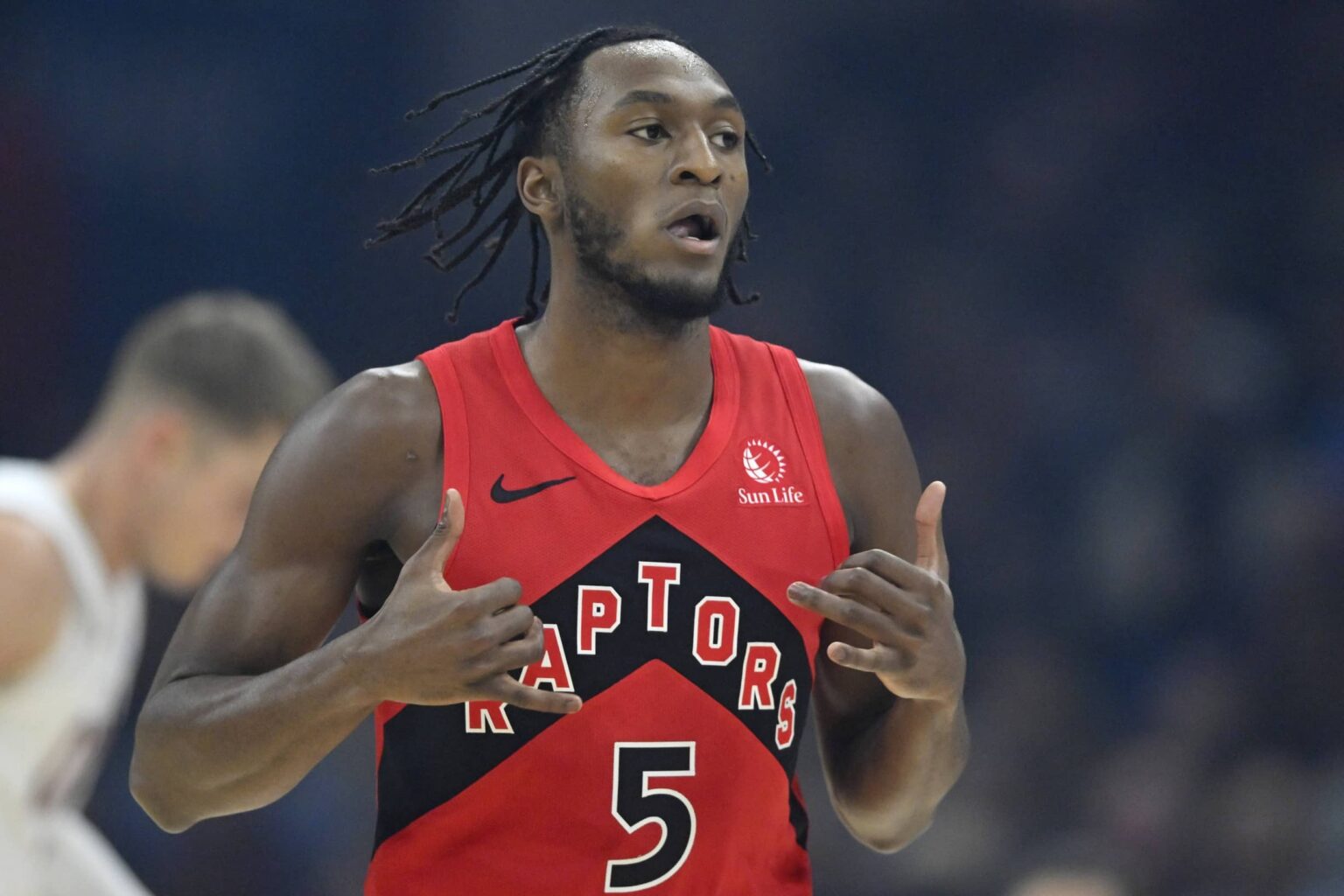
The Toronto Raptors are 24–17 and sitting fourth in the East, which is exactly why the deadline pressure feels different this year. They’re not shopping out of desperation. They’re shopping because they can smell a tier jump.
Brett Siegel of ClutchPoints reported that Jamal Shead has emerged as a key guard in Darko Rajakovic’s rotation, and that Immanuel Quickley’s cap figure is the clean lever if the Raptors want to chase a win-now upgrade. That matters because Quickley’s 2025-26 salary sits at $32.5 million, so he’s the kind of contract that can actually open doors in star-level talks.
This also isn’t a brand-new idea. The Raptors previously explored a Trae Young deal framework that had Quickley and draft capital in the mix, and it didn’t materialize, as Jake Fischer reported.
The point is simple: the Raptors have already tested the “Quickley as the centerpiece” blueprint, and the deadline just gives them another runway to swing bigger.
Getting The Grizzlies’ Disgruntled Guard
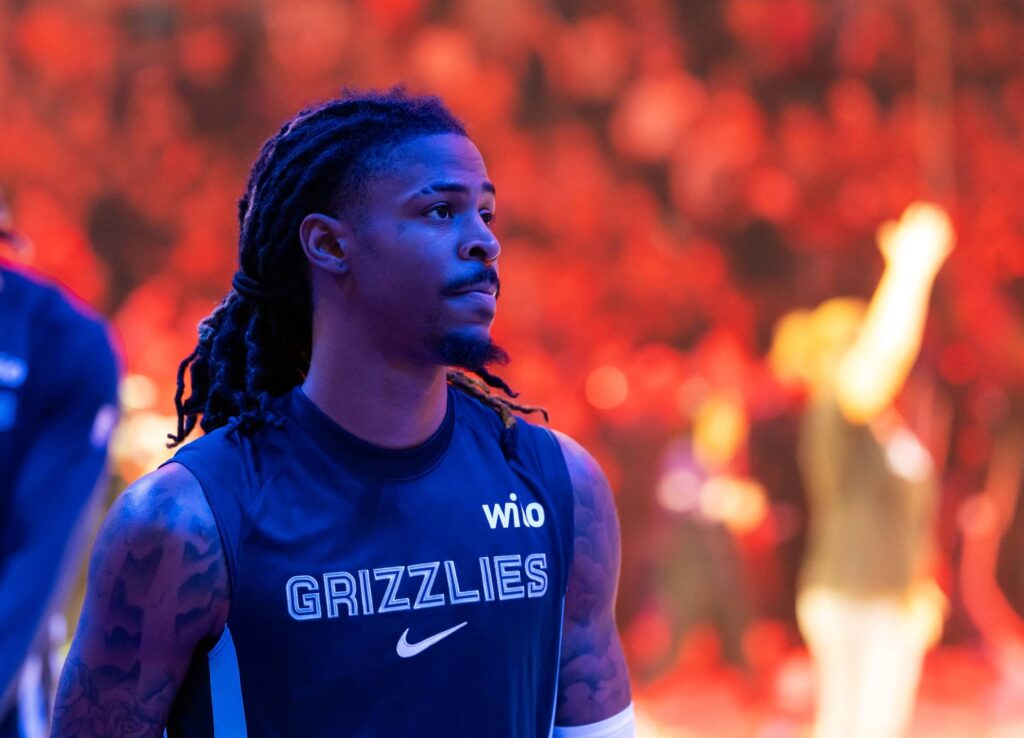
Toronto Raptors Receive: Ja Morant
Memphis Grizzlies Receive: Immanuel Quickley, Ochai Agbaji, 2026 first-round pick
This is the swing that flips the Raptors from “good season” to “nightmare matchup.” Ja Morant’s value is weird right now because the talent is still nuclear, but the season has been messy enough that the Grizzlies are actually listening.
Multiple reports tied to ESPN/Shams have said the Grizzlies are open to trade offers for Morant heading into the February 5 deadline, with other teams already circling and the Grizzlies looking for young players and picks if they do it.
The basketball reason is right there in the stat line, and it’s exactly why this becomes a buy-low opportunity. Ja Morant is averaging 19.0 points and 7.6 assists, but on ugly splits, 40.1% from the field and 20.8% from three. That’s a massive drop from the version of Morant everyone remembers, and it changes the market conversation from “untouchable superstar” to “elite talent who needs a reset.”
The other part is availability and volatility. The same reporting around him has pointed to a season that’s been stop-start, with injuries and team friction becoming part of the story instead of a footnote. When that stuff stacks up, sometimes the cleanest move for both sides is a hard pivot.
For the Raptors, the fit is brutal in the best way. Morant would instantly become the one guy on the roster who can manufacture paint touches whenever he wants. That’s playoff currency. When teams take away your first option and the game slows down, you need someone who can still force help and bend a defense. Even with the jumper broken, Morant does that by getting downhill. You’re not trading for him to be a pull-up sniper. You’re trading for constant rim pressure and the chain reaction it creates, rotations, corner threes, dump-offs, offensive rebounding chances, all of it.
And the money works cleanly. Morant’s 2025-26 salary is $39.4 million. Agbaji’s 2025-26 salary is $6.4 million. That plus Quickley’s $32.5 million number is why this framework lives in the “realistic math” lane instead of fantasy land.
This isn’t about re-litigating Quickley’s game again, the Raptors already know what he is. This is about the Raptors deciding they want the highest-upside advantage creator they can possibly access, and using contract structure to get there.
If the Grizzlies truly want a retool package with young pieces and draft value, this is the kind of offer that keeps them at least answering the phone.
The Deadline Splash For A Superstar Closer
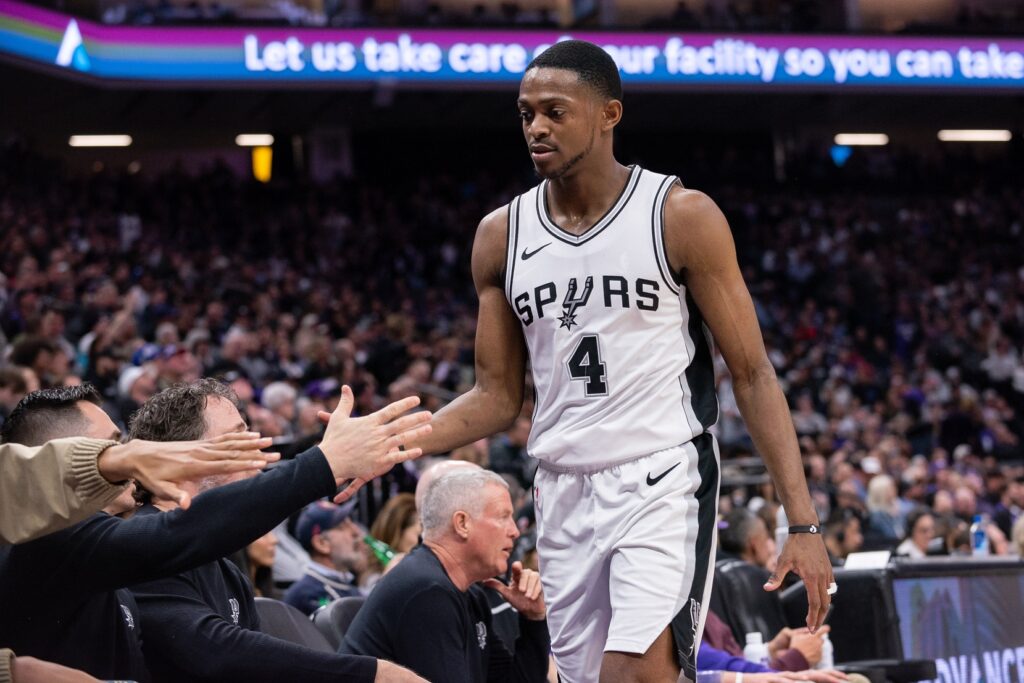
Toronto Raptors Receive: De’Aaron Fox
San Antonio Spurs Receive: Immanuel Quickley, Ochai Agbaji, 2026 first-round pick, 2028 first-round pick, 2029 second-round pick
This is the kind of trade that sounds crazy until you look at the Spurs’ timeline and realize it’s actually a clean “move early” play.
De’Aaron Fox agreed to a reported four-year, $229 million max extension that runs through 2029-30, and it starts in 2026-27. If the Spurs ever worry about the back end of that deal, the smart move is to flip him now, not three years from now when the league starts treating the contract like a problem.
The money is the first reason it’s plausible. Fox makes $37.1 million in 2025-26. Quickley makes $32.5 million, and Agbaji makes $6.4 million, so the salary matching is clean without turning this into a “five-team spreadsheet” trade. The picks are the real sweetener: two firsts and a second is the kind of package that lets a front office justify cashing out a star from a position of strength.
And the Spurs are absolutely in a position of strength. They’re 27-12 and second in the West. That’s what makes the angle work. This wouldn’t be a white flag. It would be a roster rebalance that protects their long-term flexibility before a mega extension fully locks the books.
The basketball logic is about guard redundancy and role clarity. The Spurs already have a three-guard pipeline in place with Stephon Castle playing big minutes and Dylan Harper in the mix. If the Spurs believe one of those guys can eventually run the show, then Fox becomes the luxury that costs max money. That’s when teams make the cold decision: move the expensive guard while his value is still peak-level, and keep building around the rest of the core.
Fox has still been very good. He’s at 20.7 points, 4.2 rebounds, and 5.8 assists per game, shooting 46.4% from the field, 32.4% from three, and 80.8% from the line. He’s also had nights that remind you why the Spurs committed to him, like a 21-point, nine-rebound, six-assist performance in a win over the Celtics last week. This isn’t a “Fox is washed” pitch. It’s a “Fox is expensive forever” pitch.
There’s also a roster need angle that makes a guard-to-guard swap less weird than it looks. The Spurs’ biggest issue lately has been spacing and shooting consistency, especially with Devin Vassell out. Quickley isn’t a better player than Fox, but he’s a different type of guard, more comfortable living off the ball, pulling from deep, and fitting next to other handlers. If the Spurs think their long-term offense should lean heavier into size, cutting, and shooting around their bigs and wings, Quickley plus picks is an argument.
For the Raptors, Fox is the exact kind of “raise the ceiling” star. He gives them speed, downhill pressure, late-clock creation, and the ability to win ugly games when the playoffs slow everything down. The contract is huge, but the whole point of paying huge money is getting a guard who can bend a defense every possession. Fox still does that.
This is the proactive version of team-building. You don’t wait until the contract turns into a problem. You cash it out early, stack assets, and let your young guards grow into the job without a max-salary shadow hanging over the cap sheet.
Landing The Cavaliers Lead Guard In Crisis
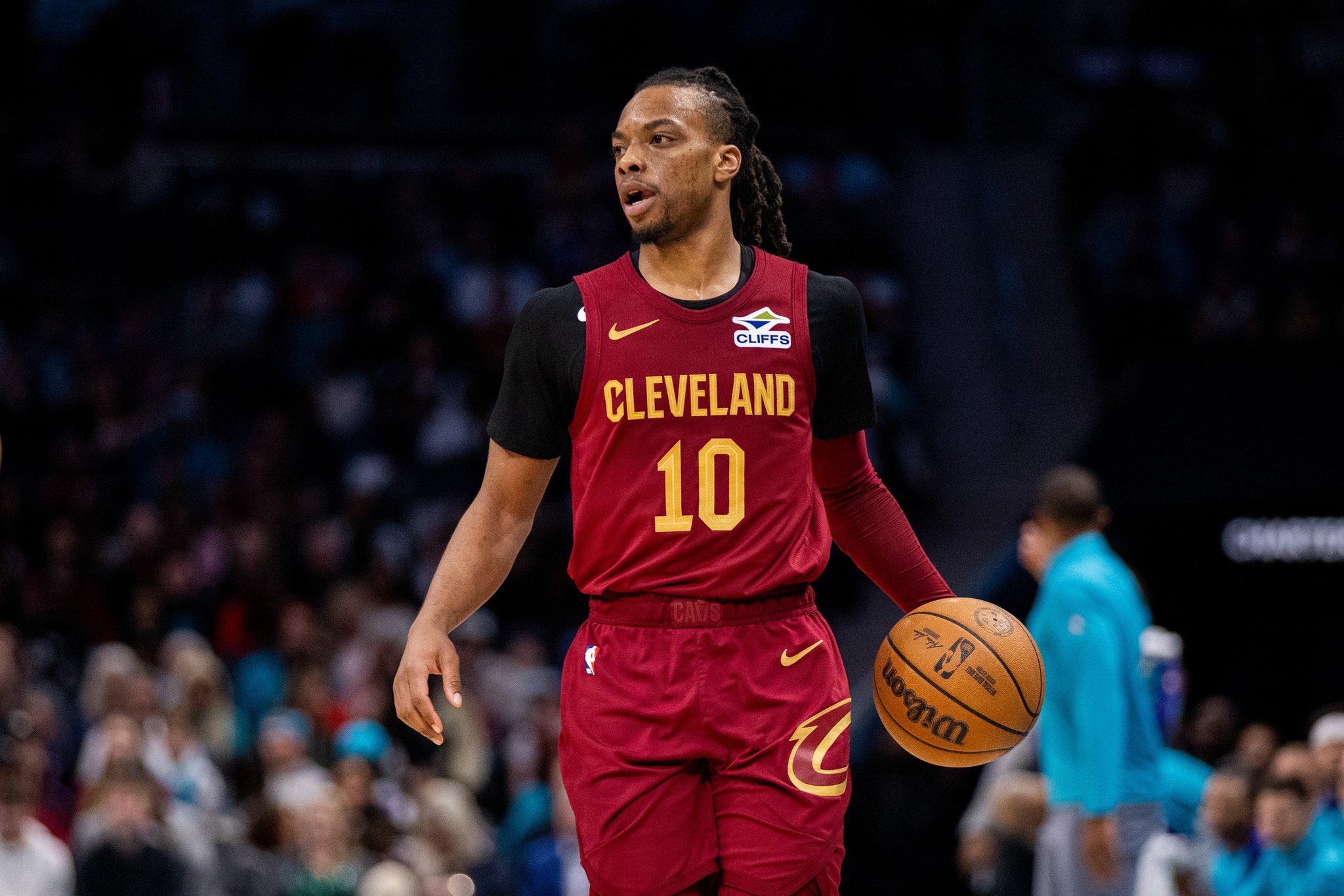
Toronto Raptors Receive: Darius Garland
Cleveland Cavaliers Receive: Immanuel Quickley, Ochai Agbaji, 2026 first-round pick, 2028 first-round pick
This is the kind of trade that only makes sense if the Cavaliers admit something uncomfortable: last season was the peak, and this version isn’t close.
They went 64–18 and finished as the No. 1 seed in the East a year ago. Now they’re hovering around the middle of the conference at 22–19, and the vibes are way uglier than the record, like the kind of ugly that gets you booed off your own floor after getting punked by the Jazz.
When you follow a “we’re legit contenders” year with a season that feels like constant frustration, front offices start asking the real question: is this core actually functional, or are we just dragging the same conversation forward?
Darius Garland is the cleanest example of that. He’s still good, but he’s been underwhelming relative to what the Cavaliers needed him to be this season. He’s at 17.9 points, 6.9 assists, and 2.4 rebounds per game while shooting 44.5% from the field.
That’s fine. That’s starter-level. It’s not “second star on a top East team” energy, and that’s the problem. The Cavaliers need Garland to consistently tilt games, not just be solid. Instead, the season has felt like stop-and-go stretches, injuries around the roster, and a backcourt that still hasn’t fully solved the “who drives the bus in playoff possessions” issue.
Even when Garland has a good night, it doesn’t fix the bigger point. He just went for 23 points and eight assists in the Jazz loss, and the Cavaliers still looked flat, sloppy, and outworked. That’s the kind of result that makes a front office realize, “we can’t keep hoping this will click into the same level as last year.”
This is where the Raptors package starts to look like a real exit ramp. The money works cleanly: Garland makes $39.4 million in 2025-26, Quickley makes $32.5 million, and Agbaji is at $6.4 million, so once more the salaries match. And the two first-rounders are the real lever, because they let the Cavaliers retool without pretending it’s an equal player swap.
Quickley gives them a guard who can push pace, handle, and keep the offense moving on a contract that’s easier to live with than Garland’s number, while still being a legitimate starter-level piece.
Agbaji gives them a real wing body, and that’s not a throwaway detail. Part of why the Cavaliers look worse than last year is that the roster feels less clean and less balanced night-to-night. A wing you can actually play matters. Then the picks give them optionality, either to keep building around the current core in a different shape, or to have ammo for the next move when the market opens.
From the Raptors’ side, Garland is the kind of upgrade that makes the offense feel more professional in late-game settings. He’s a smoother organizer than Quickley, and he’s a more natural “run half-court stuff, keep the ball alive, make the defense guard multiple actions” type of guard.
The Raptors don’t need him to be a superhero, they need him to be the guy who makes the game easier when everything tightens up. And if the Cavaliers are truly trending toward a “this isn’t working” conclusion, the Raptors can take advantage of that moment.
The real sell here is timing. If the Cavaliers wait, they risk ending up stuck in the worst place in the league: good enough to be annoying, not good enough to matter, and too expensive to pivot. This trade is the “accept reality” move. Take the picks, take the retool pieces, and stop pretending this season is a minor blip when it’s clearly a warning.
Final Thoughts
A Quickley-centered package is basically the Raptors’ cleanest path to a real star guard without tearing the whole roster down. The logic is simple: Quickley is good enough to headline a deal, his salary is big enough to make the math work, and the Raptors are good enough in the standings that a swing actually matters.
Morant is the ultimate ceiling play, you’re betting on a reset and getting one of the few guards in the league who can warp a defense every single possession. Fox is the proactive “sell-high” concept, a team avoids the future cap trap and the Raptors get a downhill lead guard who can win ugly playoff games. Garland is the “this core isn’t working” pivot, a change for the sake of structure, fit, and a cleaner offensive identity.
None of these are cheap, and they shouldn’t be. The whole point is that the Raptors finally have the type of trade chip that can get them into the star aisle. If they decide it’s time to jump tiers, this is exactly the kind of blueprint that turns a good season into a real postseason threat.