The Atlanta Hawks made a clear adjustment in the final minutes of Game 2. They targeted Jalen Brunson on defense on nearly every possession, and it flipped the game against the New York Knicks.
With 5:26 left in the fourth quarter, Atlanta trailed 100-92 and called a timeout. Out of that break, their strategy was direct. Find Brunson, force him into action, and attack him repeatedly in isolation and pick-and-roll situations.
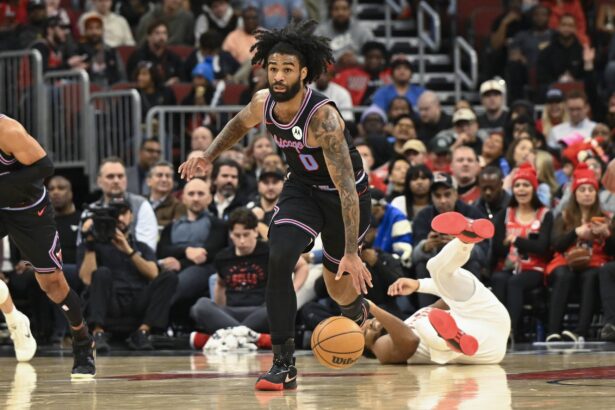
The first possession set the tone. CJ McCollum used a screen to bring Brunson into the play. Brunson was late on the switch, allowing McCollum to get into a mid-range jumper. The shot missed due to strong recovery defense, but the intent was clear.
Atlanta stayed with it. Jonathan Kuminga attacked Brunson on the next trip, blew past him, and finished at the rim to cut the deficit to six. On the following possession, McCollum again created separation from Brunson, drew help, and kicked out to Nickeil Alexander-Walker for a corner three. That made it a three-point game.
Every trip followed the same script. Whoever Brunson guarded became the primary option. Atlanta forced switches and hunted the matchup. Even when Brunson held up initially, the pressure bent the Knicks’ defense. On the next possession, Alexander-Walker moved the ball, Dyson Daniels attacked the rim, and the lead shrank to one.
The defining moment came when McCollum isolated Brunson again. He broke him down off the dribble and hit a floater to give Atlanta a 101-100 lead. The Hawks never looked back. McCollum added another drive and finish over Brunson, then hit a tough fadeaway over OG Anunoby to extend the lead. Atlanta closed the game 107-106.
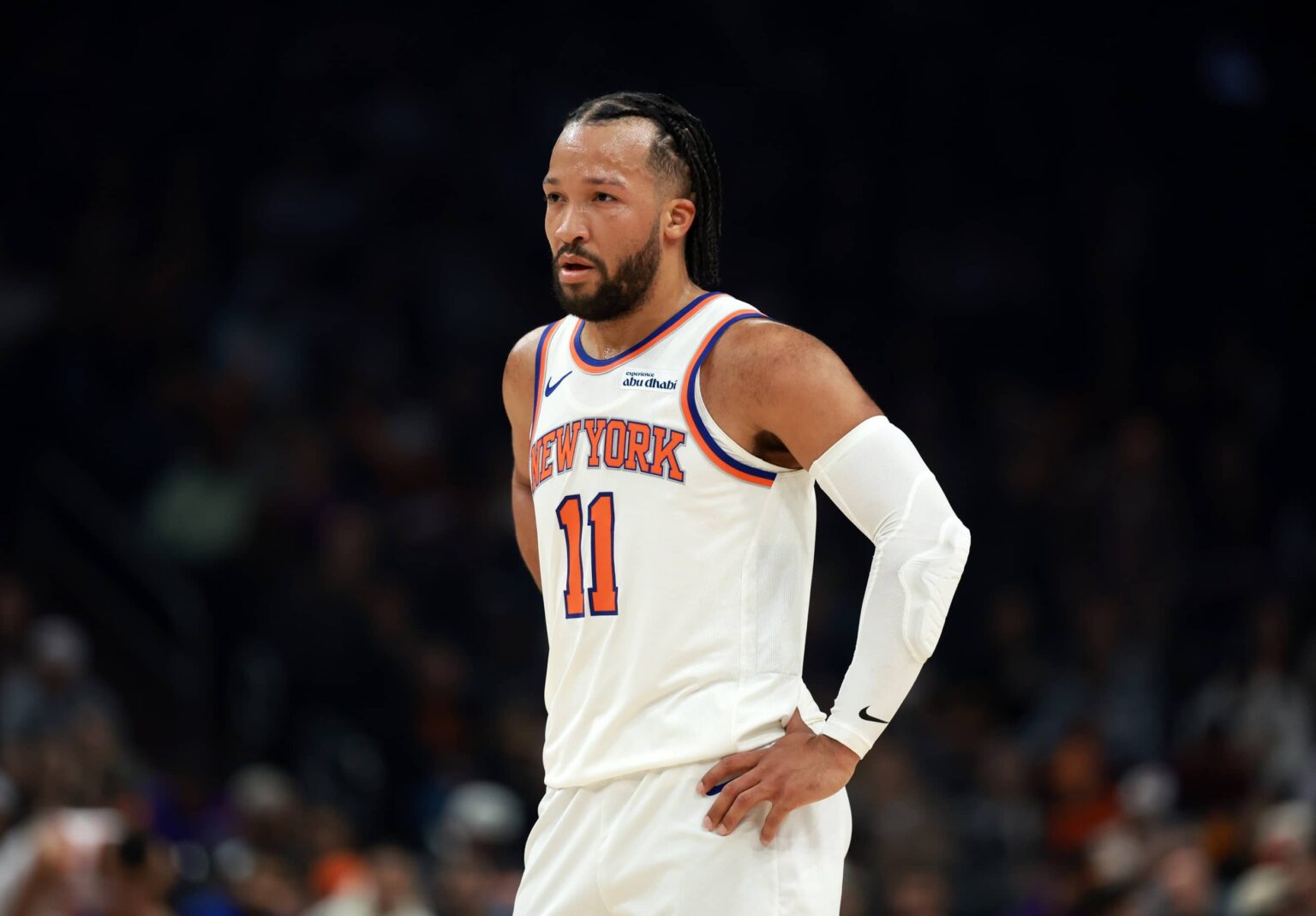
McCollum finished with 32 points, leading the comeback and controlling the final minutes. Brunson, to his credit, delivered offensively. He scored 29 points with seven assists on 10-26 shooting from the field and 4-10 from three-point range. He was the only Knick who consistently generated offense late.
But the defensive mismatch proved decisive. New York struggled across the board in the fourth quarter. They were outscored 28-15 and shot just 5-22 from the field in the final period. While Brunson scored 10 in the quarter, the rest of the offense stalled. Missed shots and empty possessions allowed Atlanta to keep attacking in transition.
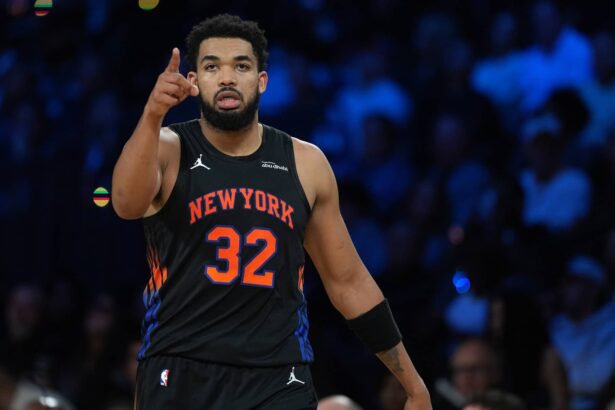
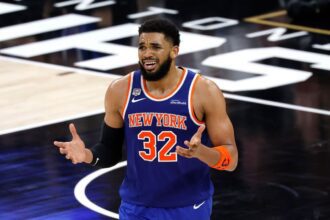
After the game, Brunson admitted the issues. He pointed to poor decision-making and stagnant offense late. Karl-Anthony Towns also credited McCollum for hitting tough shots and taking over when it mattered.
The bigger takeaway is structural. Brunson stands at 6 feet 2. In playoff basketball, that becomes a target, and the Hawks exposed it late. They did not overcomplicate the plan. The Hawks forced him into every action and trusted their shot creators to win those matchups.
This will not be a one-game adjustment. Expect Atlanta to repeat this approach. In late-game situations, they will hunt Brunson, force switches, and create downhill pressure. For New York, the response has to be tactical. They need to protect Brunson with better help schemes or avoid those matchups entirely. If not, this becomes a recurring problem.
Game 2 showed the blueprint. Atlanta found the weakness, attacked it possession after possession, and turned a controlled Knicks win into a collapse.