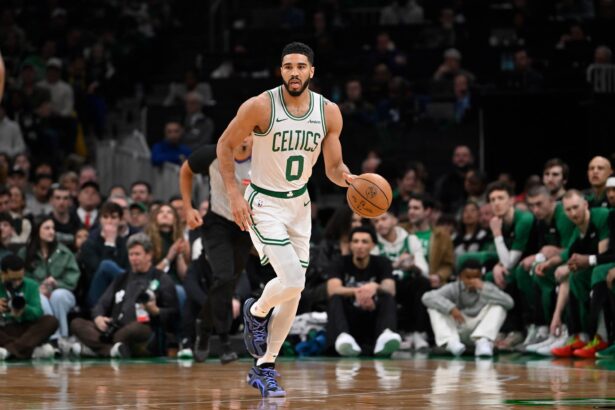
The Boston Celtics are playing with confidence right now. Friday night’s win over the Indiana Pacers wasn’t just another check in the win column; it was a continuation of a stretch where Boston has looked increasingly comfortable dictating terms on both ends of the floor.
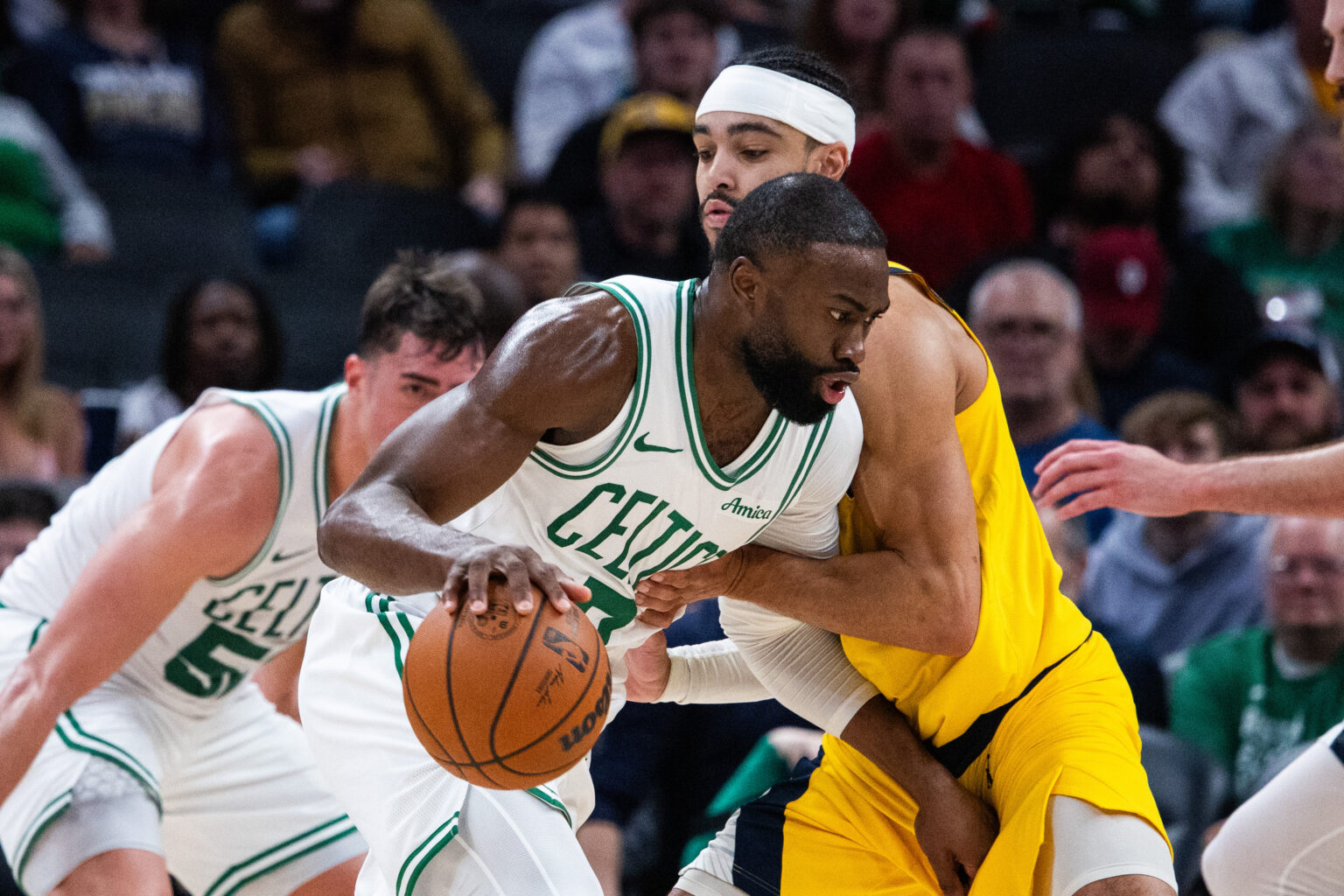
Behind a blistering night from Jaylen Brown and a barrage of perimeter shooting, the Celtics never let the Pacers fully seize control. Brown was the headline, torching Indiana for 30 points on 13-of-20 shooting, but this was far from a one-man show.
Boston placed four players at 21 points or more, shot 56.6% from the field and a scorching 51.3% from three, and led for approximately 65% of the game. Every time Indiana hinted at momentum, the Celtics responded with pace, spacing, and timely execution.
As the winning streak grows to four, Boston continues to show the balance and depth that make them such a difficult matchup on any given night, especially when the offense is humming like this.
1. Jaylen Brown Set The Tone
Brown didn’t waste possessions, and that was the biggest difference. He scored 30 points in 32 minutes, missing just seven shots all night. Whether it was attacking closeouts, finishing through contact, or calmly knocking down open looks, Brown consistently punished Indiana’s defensive mistakes. He added four assists, four steals, and was a +19 while on the floor, impacting the game far beyond the scoring column.
What stood out most was how Brown controlled tempo. Boston didn’t need him to dominate the ball; they needed him to finish plays, and he did that at an elite level. Brown scored from all three levels, committed just four turnovers, and repeatedly swung momentum with timely buckets whenever Indiana tried to close the gap.
2. Boston’s Perimeter Shooting Broke The Game Open
The Celtics’ shooting was overwhelming. They knocked down 20 three-pointers on 39 attempts, finishing at 51.3% from deep, compared to Indiana’s still-solid but lesser 18-for-44 (40.9%) night. That efficiency gap added up quickly, especially during second- and third-quarter stretches where Boston created separation without needing stops every trip.
Sam Hauser was the spark off the bench, drilling 7-of-8 threes on his way to 23 points in just 17 minutes. Derrick White added 21 points with three triples, while Payton Pritchard chipped in 29 points and hit three threes of his own. Indiana simply couldn’t keep up when Boston spaced the floor and turned ball movement into clean looks.
3. Depth and Bench Production Was A Difference
Boston’s bench didn’t just hold the line; it widened the gap. Celtics reserves combined for 52 points, compared to Indiana’s bench output that came in bursts but never sustained momentum. Hauser’s shooting spree, Luka Garza’s perfect 5-for-5 performance for 15 points, and solid minutes from Baylor Scheierman and Chris Boucher allowed Boston to maintain pressure regardless of who was on the floor.
That depth showed up in plus-minus, too. Garza posted a +26, Hauser a +17, and Scheierman a +7, giving Joe Mazzulla the freedom to rotate aggressively without losing structure. Indiana, meanwhile, struggled to string together stops once Boston’s second unit got rolling.
4. Rebounding And Physicality Favored Boston
While the shooting grabbed attention, Boston’s work on the glass played a major role in controlling the flow. The Celtics won the rebounding battle 43-35, including 12 offensive rebounds that extended possessions and wore down Indiana’s frontcourt. Those extra chances helped Boston stay aggressive without forcing shots.
Neemias Queta anchored that effort, pulling down seven rebounds in 21 minutes while also blocking two shots. Pritchard chipped in nine rebounds from the guard spot, and the Celtics finished with 31 defensive boards, limiting Indiana’s ability to generate second-chance points when they needed them most.
5. Cleaner Execution In Winning Moments
The Pacers actually finished with more assists (29 to Boston’s 26), but Boston was sharper when it mattered. The Celtics committed 14 turnovers, yet allowed just 14 points off those mistakes, while Indiana surrendered 22 points off turnovers. That difference became apparent during momentum swings, where Boston capitalized, and Indiana stalled.
Boston also won the foul battle by forcing 28 Indiana fouls, leading to 34 free-throw attempts. Even at a modest 76.5%, that volume helped keep pressure on Indiana’s defense and slow any transition opportunities. When the game needed discipline, Boston had it, and that’s why the winning streak continues.