The Pistons host the Spurs at Little Caesars Arena on Monday, February 23, at 7:00 PM ET. The Pistons are 42-13 and first in the East, while the Spurs are 40-16 and second in the West.
This is a strong home-road test: the Pistons are 22-6 at home, and the Spurs are 19-10 on the road, so neither side is walking in blind to what travel basketball feels like this season.
The Pistons’ latest game was a 126-110 win over the Bulls on Saturday. That same night, the Spurs won 139-122 over the Kings.
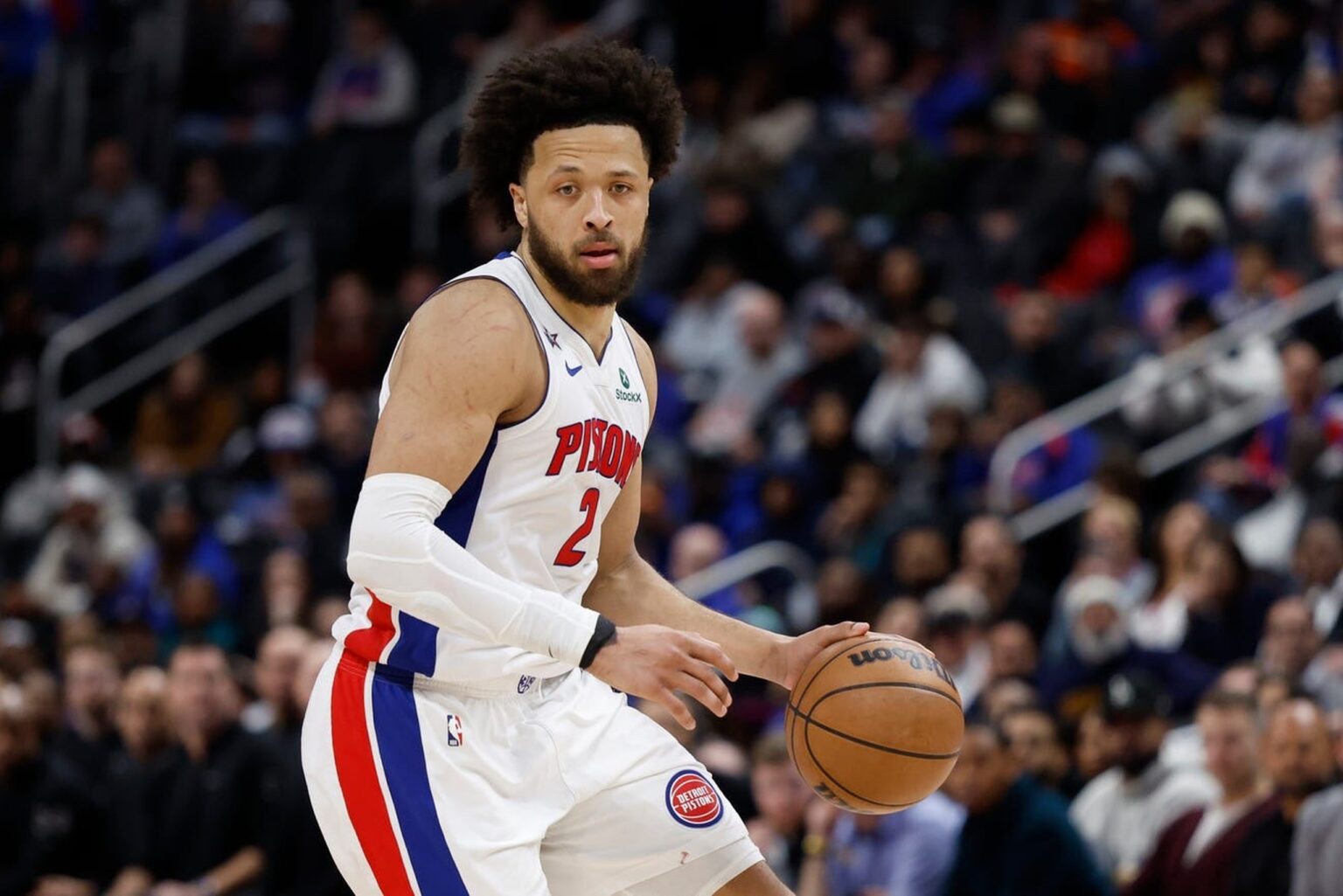
It’s the first meeting of the season, with the rematch set for March 5. Cade Cunningham is averaging 25.5 points, 5.8 rebounds, and 9.8 assists, and Jalen Duren is at 17.8 points and 10.5 rebounds for the Pistons.
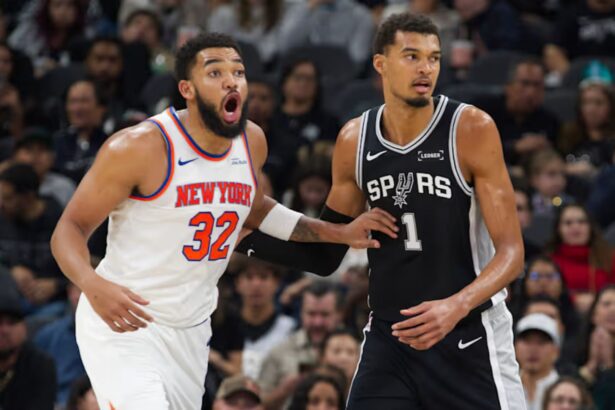
On the Spurs side, Victor Wembanyama is posting 24.3 points, 11.2 rebounds, and 2.9 assists, and De’Aaron Fox is at 19.3 points, 3.8 rebounds, and 6.3 assists.
The hook is simple: first place vs. second place, two top-tier rebuilds that have graduated into contenders, and both coming in hot enough that the first punch could decide the whole night.
Injury Report
Pistons
Isaiah Stewart: Out (league suspension)
Bobi Klintman: Out (G League – On Assignment)
Chaz Lanier: Out (G League – On Assignment)
Spurs
Mason Plumlee: Out (return to competition reconditioning)
Lindy Waters III: Questionable (left knee hyperextension)
Why The Pistons Have The Advantage
The Pistons’ calling card is defense that travels and scales. They’re second in defensive rating at 109.1, and they’ve built the best record in the league by turning stops into a steady diet of physical scoring.
Home context is real here. The Pistons are 22-6 at home, and they’ve played like a team that can control tempo on their own terms in this building, especially when their defense starts the game clean.
This matchup also points directly to the possession battle. The Pistons have been a top-tier rebounding team by volume, sitting fourth in total rebounds this season, and that’s how they keep pressure on you even when the shot-making dips. Against a Spurs team that’s going to fire threes, defensive rebounding becomes the whole possession.
Their style showed up again in the Bulls’ win. The Pistons scored 68 points in the paint and forced 23 turnovers, which is basically the cleanest version of their blueprint: overwhelm you physically inside, then turn your mistakes into quick points.
And Cunningham is the separator in close games. He’s second in the league in assists at 9.8 per game, so even when the Pistons don’t generate easy shots, he can still manufacture offense by putting two defenders in conflict and hitting the next pass.
Why The Spurs Have The Advantage
The Spurs can absolutely score with anyone right now. They’re sixth in offensive rating at 118.1 points per 100 possessions, which is elite territory for a team that still plays young minutes.
They also defend like a contender. The Spurs are third in defensive rating at 111.5, and that’s the baseline that keeps them from needing perfect shooting to win road games.
This is where it gets matchup-specific: the Pistons want to turn defense into extra possessions, but the Spurs can win stretches just by getting quality shots early and often. They’re a top-10 pace team (100.2), so if the Spurs get stops and push, they can score before the Pistons’ half-court defense gets fully organized.
The spacing profile matters too. The Spurs are attempting 37.3 threes per game, which gives them a real way to punish help and keep the floor wide for Wembanyama’s rolls and seals. If the Pistons load up on the paint, the Spurs can answer with volume threes without changing who they are.
The biggest on-court edge is the rim deterrence. Even in games where the offense gets messy, Wembanyama changes what “a good shot” looks like for the opponent, and that can flatten the Pistons’ paint-first identity into more midrange pull-ups than they want.
X-Factors
Ausar Thompson is the Pistons’ swing defender who can turn this into a messy game. He’s averaging 17.0 points, 7.7 rebounds, and 4.7 assists. If Thompson’s pressure and activity generate extra possessions, the Pistons can create separation without needing a hot shooting night. If the Spurs keep him out of transition, his offensive value becomes more half-court dependent.
Duncan Robinson is the spacing test for the Spurs’ help defense. He’s averaging 12.3 points, hitting 2.9 threes per game, and shooting 40.2% from deep. If Robinson is making shots on the move, it punishes every late rotation and pulls rim protection away from the paint. If he’s chased off the line, the Pistons’ half-court offense has to win more possessions with grinding drives instead of instant threes.
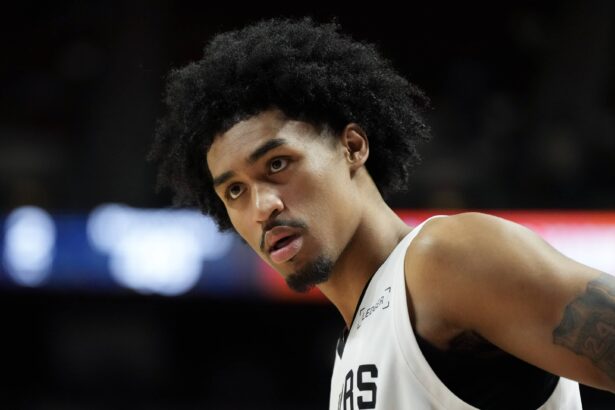
Julian Champagnie matters because his minutes decide how comfortable the Spurs’ spacing feels. He’s averaging 11.0 points and 5.9 rebounds. If Champagnie hits the open threes the Pistons concede in help situations, it makes it harder for the Pistons to shrink the floor against Wembanyama. If he’s cold, the Pistons can sit in the gaps and make every drive feel crowded.
Keldon Johnson is the Spurs’ pace-changer off the bench. He’s at 13.4 points and 5.7 rebounds while shooting 54.5% from the field. If Johnson wins the “energy minutes” and finishes possessions with rebounds, it keeps the Spurs from slipping when the starters sit. If he’s neutralized, the Spurs’ offense can get a little too dependent on their primary creators.
Prediction
I’m taking the Pistons because the matchup leans into their best advantages: elite defense (second in defensive rating), strong home control (22-6), and a style that generates extra possessions through physicality. If they rebound well enough to finish possessions and keep the Spurs from getting clean second looks, Cunningham’s creation should be enough to win the tight stretches.
Prediction: Pistons 114, Spurs 109