The Detroit Pistons welcome the Phoenix Suns to Little Caesars Arena in what promises to be one of the more compelling interconference matchups on the schedule, with tip-off set at 7:00 PM EST.
The Pistons enter the game sitting first in the Eastern Conference at 28-10. They have won six of their last ten games and are coming off a gritty 98-92 loss to the Los Angeles Clippers, a game that underscored just how real this Pistons team has become defensively.
The Suns, seventh in the Western Conference at 24-16, have won seven of their last ten but are coming off a disappointing 127-121 loss to the Miami Heat that exposed some defensive lapses late.
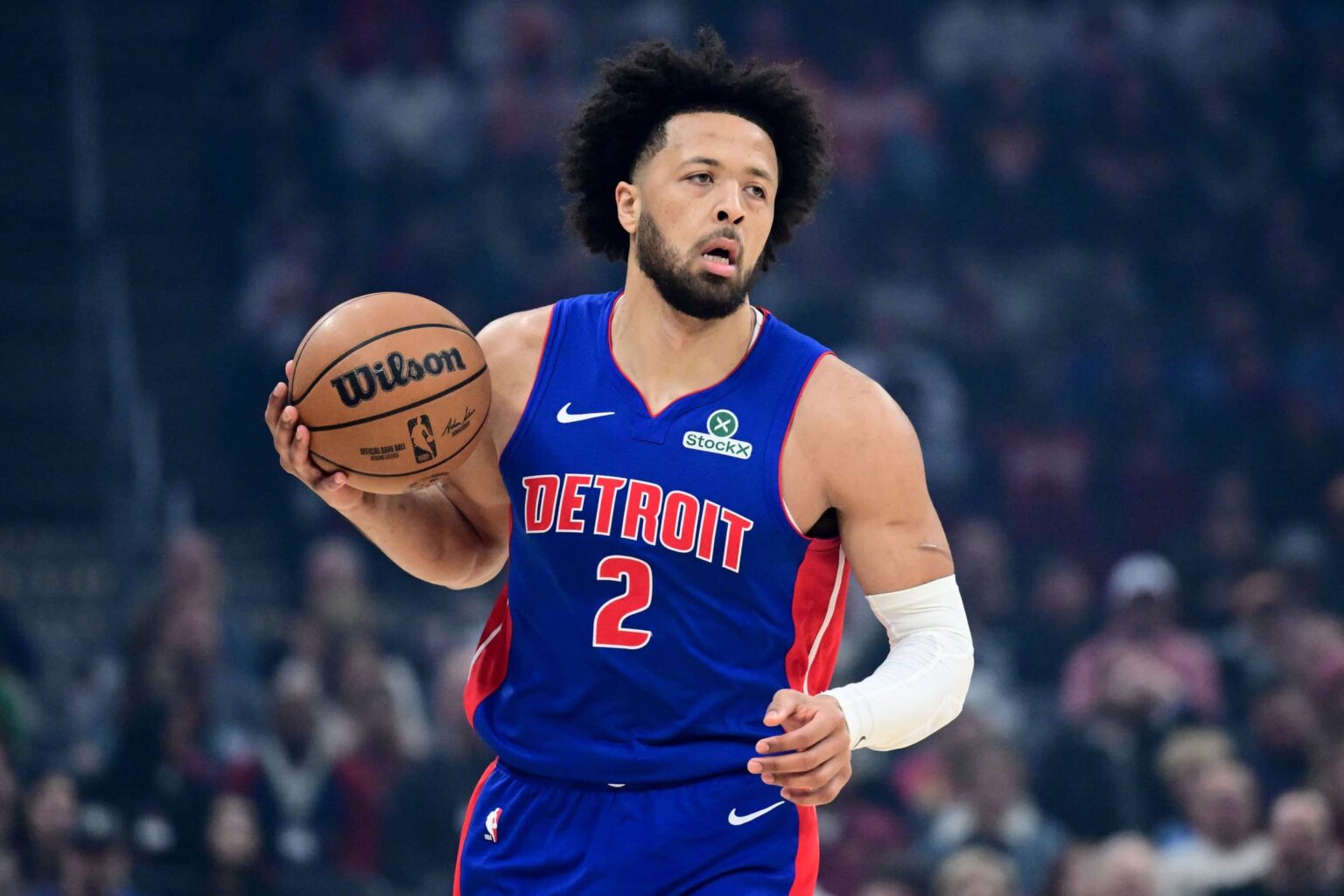
Detroit’s rise has been driven by Cade Cunningham, who has made the leap into true superstar territory. Cunningham is averaging 26.7 points, 6.2 rebounds, and 9.7 assists, controlling pace, punishing switches, and consistently closing games. Inside, Jalen Duren continues to impose his will, averaging 17.9 points and 10.6 rebounds while anchoring the glass on both ends.
The Suns counter with star power and shot-making. Devin Booker has once again been elite, averaging 25.2 points, 4.1 rebounds, and 6.5 assists while shouldering the bulk of the Suns’ offensive creation. Meanwhile, Dillon Brooks has changed the tone of this team, averaging 21.3 points while bringing edge, defensive pressure, and emotional leadership.
This is the first meeting between the two teams this season after splitting their two-game season series last year.
Injury Report
Pistons
Issac Jone: Out (G-League)
Bobi Klintman: Out (G-League)
Chaz Lanier: Out (G-League)
Wendell Moore Jr.: Out (G-League)
Tolu Smith: Out (G-League)
Isaiah Stewart: Probable (Illness)
Jalen Duren: Probable (Right ankle sprain)
Tobias Harris: Probable (Left hip Sprain)
Suns
Jamaree Bouyea: Out (Concussion protocol)
Jalen Green: Out (Right hamstring strain)
Royce O’Neale: Probable (Left biceps contusion)
Nigel Hayes-Davis: Questionable (Right ankle sprain)
Devin Booker: Questionable (Left ankle sprain)
How The Pistons Have The Advantage?
The Pistons have turned Little Caesars Arena into a problem for opponents, owning a 14-4 home record. Their identity is defense. The Pistons rank second in defensive rating, ninth in offensive rating, and fourth in net rating. They contest everything, rotate early, and protect the rim better than almost anyone in the league.
They also dominate the possession game. The Pistons rank third in offensive rebounding, second in steals, and first in blocks. They get extra shots, force turnovers, and live at the free-throw line, ranking third in attempts and seventh in makes. Against a Suns team that can struggle with ball security, this is a major edge.
How The Suns Have The Advantage?
The Suns bring spacing, shot volume, and defensive activity. They rank seventh in defensive rating and take the eighth most three pointers in the league, making the seventh most. Their ability to stretch the floor forces bigs away from the paint and opens driving lanes.
They are also an excellent offensive rebounding team, ranked fifth in the league, and lead the NBA in deflections and steals. That activity could punish the Pistons’ biggest weakness. The Pistons struggle with turnovers, and Phoenix is built to capitalize on careless possessions with quick strikes.
X-Factors
For the Pistons, the margin in this matchup may come from how well their secondary pieces complement Cade Cunningham.
Tobias Harris is listed as probable and continues to play an important stabilizing role. He is averaging 13.4 points and 4.6 rebounds, but his value goes beyond the box score.
Duncan Robinson remains one of the biggest swing pieces in the game. He is averaging 11.8 points and 1.9 assists, but his impact is entirely tied to rhythm. When Robinson finds early shooting confidence, the Pistons’ offense opens up dramatically.
Ausar Thompson is arguably the Pistons’ most important two-way X factor. Averaging 11.2 points and 5.8 rebounds, Thompson brings elite defensive versatility. He can guard Booker, Brooks, or Allen in stretches and still impact the game offensively through cuts, transition pressure, and offensive rebounding.
Off the bench, Ron Holland provides scoring punch and physicality. Averaging 8.4 points and 4.2 rebounds, Holland thrives attacking tilted defenses.
The Suns’ depth has quietly become a strength over the past month.
Grayson Allen is averaging 15.7 points and 3.7 assists and has been one of the most reliable perimeter scorers on the roster. His shooting gravity forces defenders to stay attached, and he has improved as a secondary playmaker when defenses overcommit to Devin Booker.
Collin Gillespie has been a revelation. Averaging 13.2 points, 4.2 rebounds, and 4.8 assists, Gillespie brings poise and decision-making that stabilizes the Suns’ second unit. He limits turnovers and keeps the offense organized, which is critical against a Pistons team that thrives on chaos.
Inside, Mark Williams gives the Suns’ interior balance. His 12.4 points and 8.3 rebounds help offset the Pistons’ physicality, and his presence on the glass could be vital in limiting second-chance opportunities.
Finally, Royce O’Neale continues to be a connective piece. Averaging 10.5 points and 5.1 rebounds, O’Neale defends multiple positions, rebounds above his size, and spaces the floor just enough to stay respected.
Prediction
This game has playoff intensity written all over it. Phoenix’s shooting and defensive pressure will keep it tight, but Detroit’s home dominance, rebounding edge, and defensive consistency should be the difference late.
Prediction: Pistons 112, Suns 108