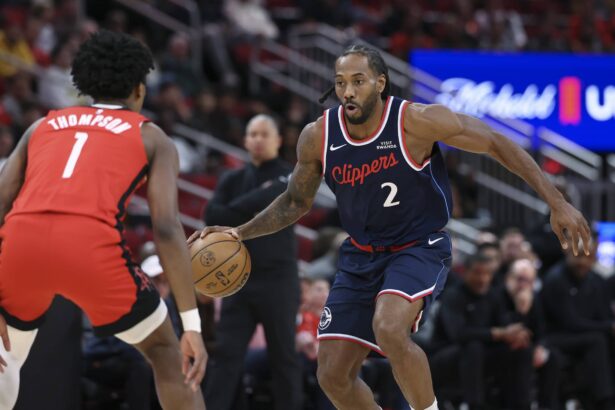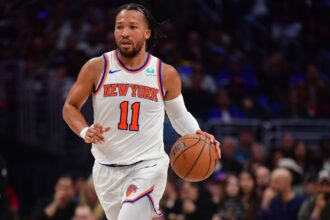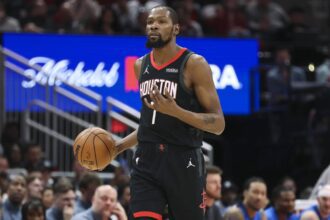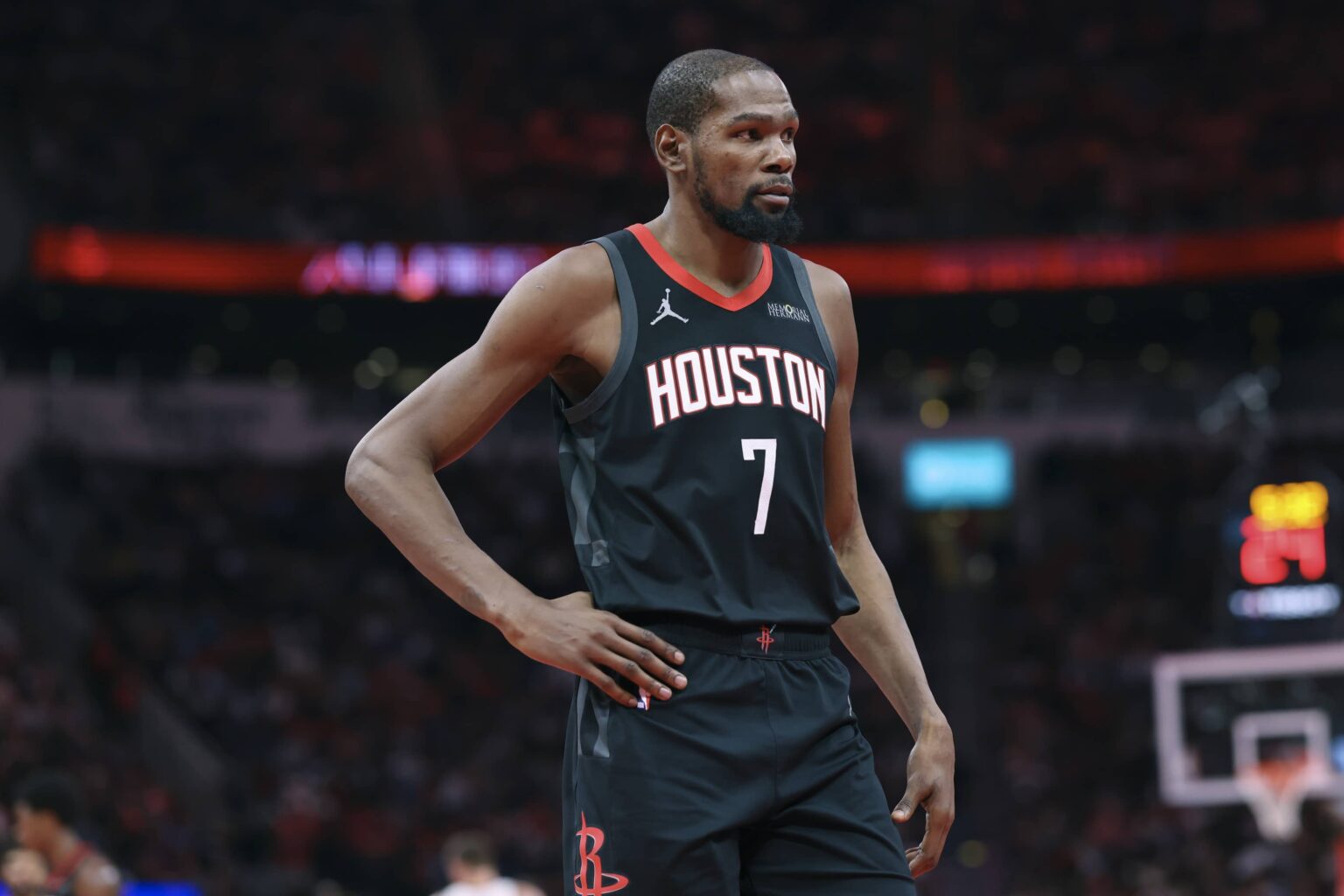
The Rockets let this one slip away. Houston fell 108-106 to New York after scoring just 12 points in the fourth quarter, a stunning offensive drop-off that erased what had been a competitive, hard-fought game. Even more damaging: the Rockets committed nine turnovers in the final period, repeatedly handing the Knicks extra possessions in crunch time. In a two-point loss, those numbers tell the story.
And while execution was the immediate issue, the absence of veteran point guard Fred VanVleet, who has not played all season due to a torn ACL, looms large. Late-game organization, tempo control, and decision-making are exactly what Houston is missing.
Here are five statistically backed reasons the Rockets couldn’t close.
1. A 12-Point Fourth Quarter Undid Three Solid Periods
Through three quarters, Houston’s offense was functional and balanced, led by Kevin Durant and Alperen Sengun. They had generated consistent paint touches, moved the ball effectively, and stayed within striking distance.
Then came the fourth: 12 total points, their lowest-scoring quarter of the night. For context, that’s barely over one point per minute in a league where closing teams often push 25+ in the final frame.
The shooting dipped dramatically late, and the lack of rhythm was obvious. With the game on the line, the Rockets struggled to create clean looks, and several possessions ended in contested perimeter attempts. The Knicks didn’t need a huge offensive explosion – Houston’s scoring drought did the damage for them.
2. Nine Fourth-Quarter Turnovers Swung The Possession Battle
Houston’s nine turnovers in the fourth quarter alone were devastating. Even if New York converted only half of those into points, that’s potentially an 8-10 point swing in a two-point game.
Live-ball turnovers were especially costly. Instead of forcing the Knicks to score in half-court sets, Houston gave them transition chances, the most efficient scoring opportunities in basketball.
Ball security becomes even more critical late because each possession carries greater weight. Those nine miscues weren’t just statistical blemishes; they were momentum shifters that stalled Houston’s offense while energizing New York.
3. The Absence Of A True Floor General Was Clear
This is where the loss of Fred VanVleet becomes magnified.
VanVleet, sidelined all season with a torn ACL, is exactly the type of guard who settles a team in moments like this. He’s a low-turnover, high-IQ decision-maker who manages tempo and understands late-game spacing. Houston lacked that stabilizing presence.
Without a veteran orchestrator, the Rockets’ final possessions became hurried and disjointed. Entry passes were pressured, sets began too far from scoring areas, and the shot clock became an enemy instead of a tool. A steady point guard often reduces late turnovers and ensures quality attempts – two areas Houston clearly struggled with.
4. Rebounding And Second-Chance Margins Hurt
While Houston competed on the glass for much of the night, key defensive rebounds slipped away late.
Allowing even a couple of offensive boards in crunch time forces extended defensive possessions. Those extra 15-20 seconds per trip not only tire defenders but also reduce your own offensive opportunities on the other end.
In tight games, rebounding isn’t just about totals; it’s about timing. A missed box-out in the final minutes carries more weight than one in the first quarter. Houston failed to consistently finish possessions when it mattered most.
5. Knicks Executed Efficiently When It Counted
New York didn’t dominate statistically across the board; they simply executed better late.
They valued possessions, avoided the kind of turnover spike that plagued Houston, and generated efficient looks inside and at the free-throw line. In a 108-point performance, even modest late efficiency is enough when the opponent scores just 12 in the final quarter.
While Houston unraveled offensively, the Knicks stayed composed. They forced Houston into half-court defense, capitalized on mistakes, and didn’t give points back through reckless play.