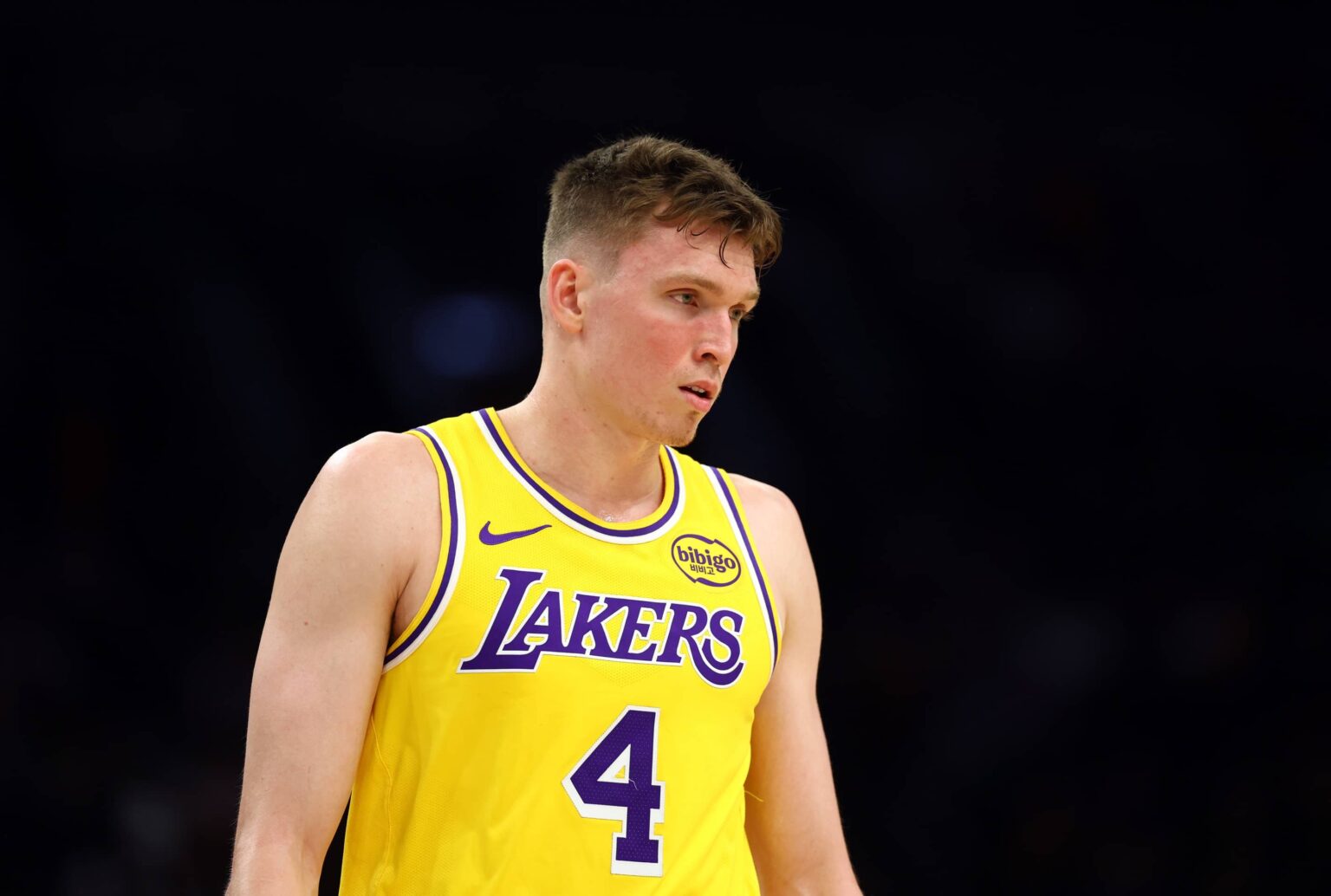
Early in the second quarter against the Los Angeles Lakers‘ 124-112 loss to the Sacramento Kings, a single possession quietly summed up why Dalton Knecht has gone from an intriguing young piece to a player with virtually no trade value around the league.
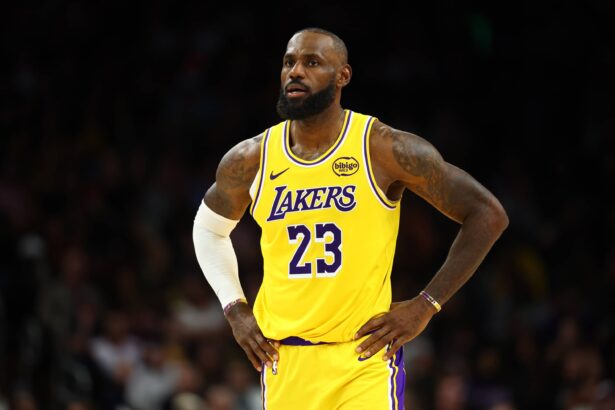
LeBron James fired a perfect skip pass to the corner, catching the defense scrambling. Knecht was open for a brief moment. Then hesitation crept in. Zach LaVine recovered quickly, Knecht took a sidestep, and instead of attacking the lane when he had just enough space, he froze. The shot came a beat too late. LaVine swallowed it up.
Sitting directly behind the play on the bench, JJ Redick reacted instinctively. Hands to his face. It was not anger. It was disappointing. That reaction told a louder story than the block itself.
This was not about a missed shot. Coaches live with misses. It was about indecision, feel, and processing speed. For a role player fighting to stay in the rotation, that moment was brutal.
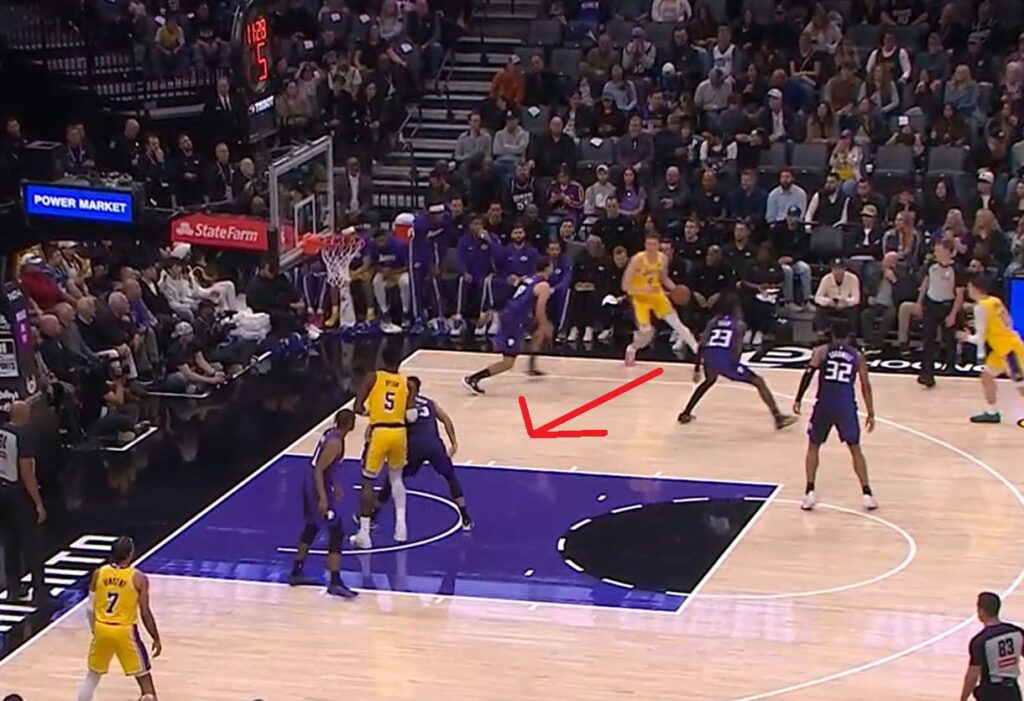
There was a clear driving lane when Knecht created separation on the sidestep. A quick rip and one dribble would have forced help or drawn contact. Instead, he defaulted to the shot he did not have time to get off.
That sequence explains why Knecht’s minutes have quietly evaporated after what looked like a promising rookie season. Drafted 17th overall in 2024, he flashed real shooting touch and averaged 9.1 points per game on 37.6% shooting from three-point range in 19.2 minutes per game as a rookie. The idea was simple. A cheap shooter who could space the floor next to stars has value. The problem is that shooting alone does not survive at the NBA level when everything else lags behind.
This season, Knecht is averaging 5.1 points on 31.1% shooting from three-point range in just 13.4 minutes per game, a sharp decline from his rookie season. Earlier this season, he got called out by Lakers fans for not knowing the offensive playbook, as he messed up a play. And that is a common sequence.
Knecht’s issues are not subtle anymore. His release is slow. He exposes the ball on drives. His passes are telegraphed. He struggles to read defenders in real time. There is very little improvisation in his game, which players often call a ‘bag.’ Defenders recover on him because they know exactly what is coming. When the defense does close, he does not punish it.
The trust problem is even bigger. Redick’s offense is built on timing and decisiveness. One misread kills an entire possession. Knecht has now had multiple moments this season where he simply looks unsure of where he should be or what he should do. Even veteran broadcaster Stu Lantz flagged these habits during Knecht’s rookie year. Two seasons in, they are still there.
Around the league, that matters. Front offices do not trade for what a player might become. They trade for what he can do right now. Knecht, at the moment, cannot help a team trying to win meaningful games. His rookie-scale contract is cheap, but cheap contracts only matter when the player attached to them can be trusted. Knecht is viewed as neutral at best and negative at worst.
That reality puts the Lakers in a bind. Teams want first-round picks and young contributors. The Lakers are unwilling to move their most valuable pick. And their young players do not move the needle. Knecht is the clearest example.
That one blocked shot was not just a highlight. It was a snapshot of why Dalton Knecht does not have real trade value and why JJ Redick’s reaction said everything.