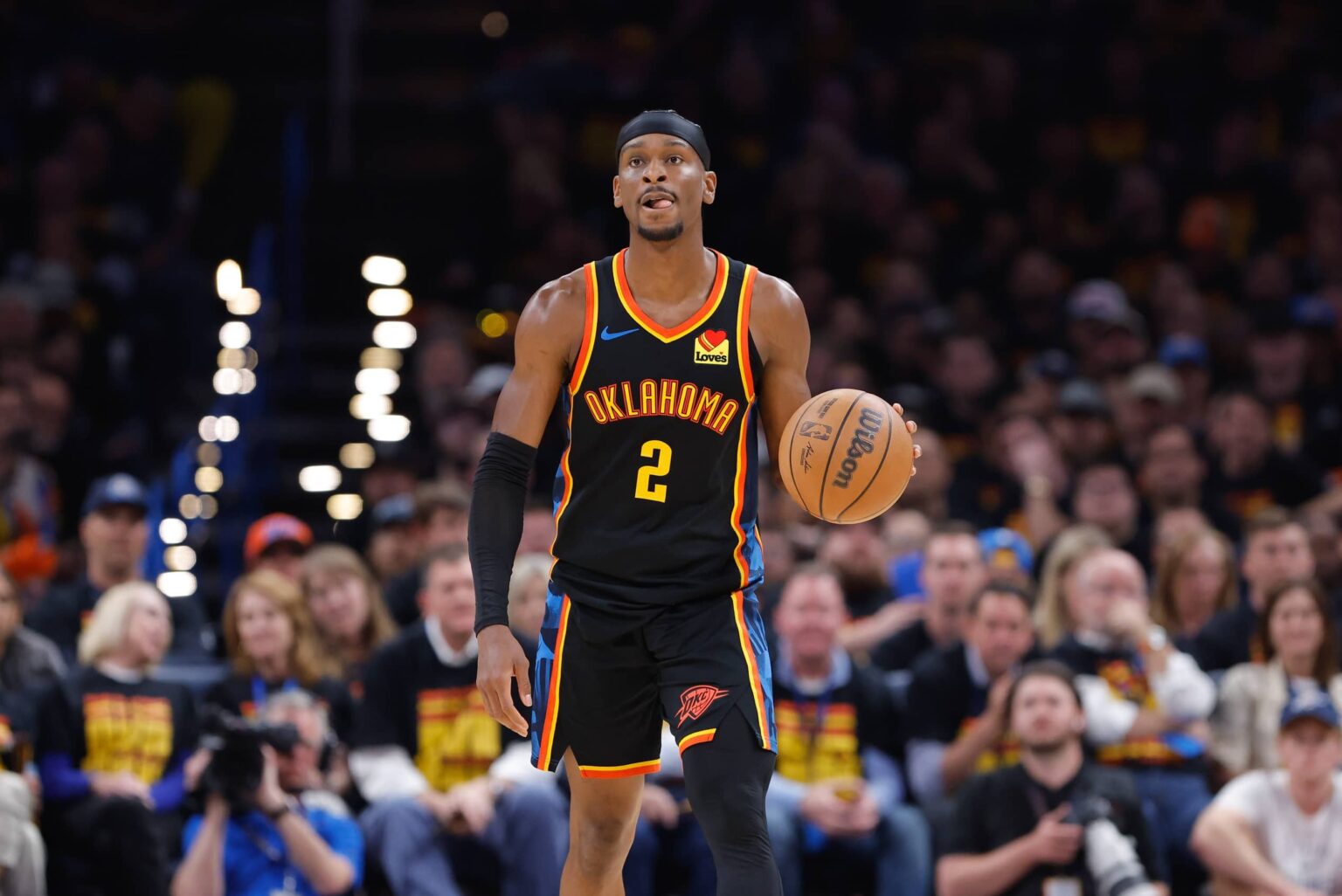
The Oklahoma City Thunder are beginning to look like a legitimate nightmare matchup for the Los Angeles Lakers. After controlling Game 1, Oklahoma City followed it up with another convincing performance in a 125-107 victory to take a commanding 2-0 series lead.
While the Lakers had stretches of solid offensive execution, the Thunder once again overwhelmed them with depth and efficient play. The Thunder shot 56% from the field, forced 21 Lakers turnovers, generated 14 fast-break points, and constantly punished Los Angeles whenever defensive rotations broke down.
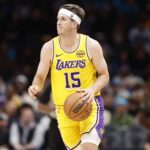
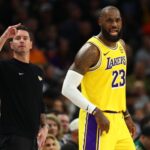
Meanwhile, the Lakers continue to struggle containing OKC defensively, where they failed to record a single block all night. Even strong performances from Austin Reaves and LeBron James weren’t enough to keep things competitive late.
Here is what we learned after this impressive Game 2 win by the Thunder.
1. The Thunder’s Core Is Completely Outplaying The Lakers
The biggest story of this series has been Oklahoma City’s young stars consistently outperforming Los Angeles’ veteran-heavy core. Chet Holmgren dominated again with 22 points, 9 rebounds, 4 steals, and 2 blocks while shooting 7-11 from the field and 3-5 from deep. His two-way impact completely changed the game.
Shai Gilgeous-Alexander added 22 points despite not even needing a huge scoring night and dealing with foul trouble, while Ajay Mitchell continued his breakout postseason with 20 points and 6 assists on ultra-efficient shooting. Off the bench, Jared McCain exploded for 18 points and hit four threes in only 18 minutes.
Meanwhile, the Lakers are asking almost everything from a 41-year-old LeBron James and Austin Reaves. Oklahoma City’s energy, athleticism, and depth are clearly wearing Los Angeles down over the course of games.
2. The Lakers Cannot Handle Oklahoma City’s Defense
Turnovers are completely destroying the Lakers right now. Los Angeles committed 21 turnovers in Game 2, directly leading to 26 Thunder points. Nearly every time the Lakers built momentum offensively, Oklahoma City immediately answered with steals or blocks leading to fastbreak points.
The Thunder finished with 12 steals and consistently forced the Lakers into rushed decisions. Holmgren, Alex Caruso, Cason Wallace, and Hartenstein were flying around defensively all night, shrinking passing lanes and making every possession uncomfortable.
The most alarming part for Los Angeles is that many of the turnovers were unforced. Sloppy ball-handling and miscommunication continue to plague the offense, especially whenever LeBron sits or faces double-teams.
3. Austin Reaves Is Doing Everything He Can
Reaves deserves enormous credit for keeping the Lakers competitive. He finished with 31 points on 10-16 shooting while adding six assists and knocking down three triples. Throughout the night, he aggressively attacked and kept the game close for most of the first half.
The problem is the Lakers aren’t getting enough consistent support around him. LeBron was solid with 23 points and six assists, but Marcus Smart shot just 4-13, and Deandre Ayton had only three points despite playing 27 minutes. Ayton’s inability to punish Oklahoma City inside has become a major issue through two games.
Reaves has clearly elevated his game in this series, but Los Angeles cannot realistically expect him to outduel an entire Thunder roster that keeps producing quality contributions from everywhere.
4. Oklahoma City’s Depth Is Becoming Overwhelming
The Thunder’s bench continues to swing this series decisively. Oklahoma City got 18 points from Jared McCain, 12 from Cason Wallace, seven from Jaylin Williams, and strong defensive minutes from Alex Caruso. Every reserve seems to know their role perfectly.
Compare that to the Lakers, whose bench remains wildly inconsistent outside of Luke Kennard’s 10 points. Jake LaRavia was scoreless, Dalton Knecht barely played, and several rotation players provided almost no impact offensively.
This depth advantage becomes even more important late in games. Oklahoma City never has a drop-off when starters rest, while the Lakers cannot generate offense without LeBron and Reaves.
5. The Lakers Are Running Out Of Answers
Through two games, Los Angeles simply has not found a defensive plan against Oklahoma City’s offense. The Thunder are shooting efficiently and finding it too easy to score time and time again.
The Lakers recorded zero blocks in Game 2 despite Oklahoma City constantly attacking the rim. That statistic alone highlights how little resistance the Thunder are facing inside.
Holmgren and Hartenstein controlled the paint defensively, while the Lakers failed to generate consistent rim protection on the other end. Even more concerning is how comfortable Oklahoma City looks.
The Thunder led for 80% of Game 2, built a 20-point lead, and never appeared rattled despite strong individual scoring nights from LeBron and Reaves. Unless the Lakers get miraculously hot from deep and play suffocating defense, they could be heading to another loss in Game 3.