The NBA is basically a two-game league now. Stars win you ceilings, but bargain contracts win you series.
Every contender talks about “depth,” but what they really mean is this: can you find two or three guys making peanuts who play like they’re on $20 million deals. Because once the playoffs hit and rotations shrink, those low-cost dudes either keep you alive or get you played off the floor.
And in the 2025-26 season, the gap between contract number and actual impact feels louder than ever. Teams are juggling max slots, second-apron fear, and hard decisions on every mid-tier deal. So when a player on a rookie contract, a minimum, or a cheap extension is giving you starter-level minutes, that’s not just a nice surprise. That’s a competitive advantage you can build around.
This list is about the guys who are doing way too much for what they’re paid. Not “nice bench pieces.” I mean players who consistently tilt games, guard up a position, create offense when the play breaks, or close games next to stars while making a fraction of what the market says they should.
Some of these players are young and about to get a massive bag the second their deal is up. Some are veterans who took a discount and are now making front offices look smart. And some are the kind of under-the-radar steals that only become obvious when you watch them ruin a fourth quarter.
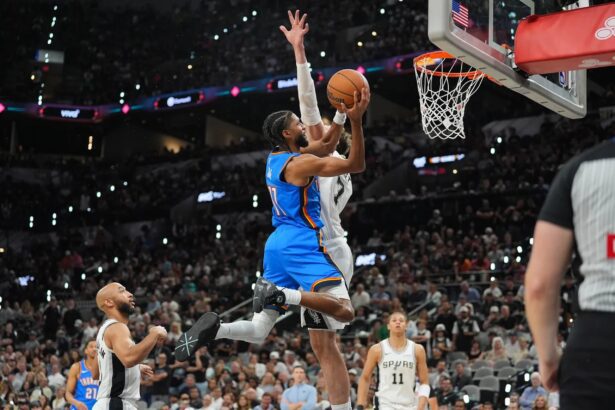
1. Saddiq Bey
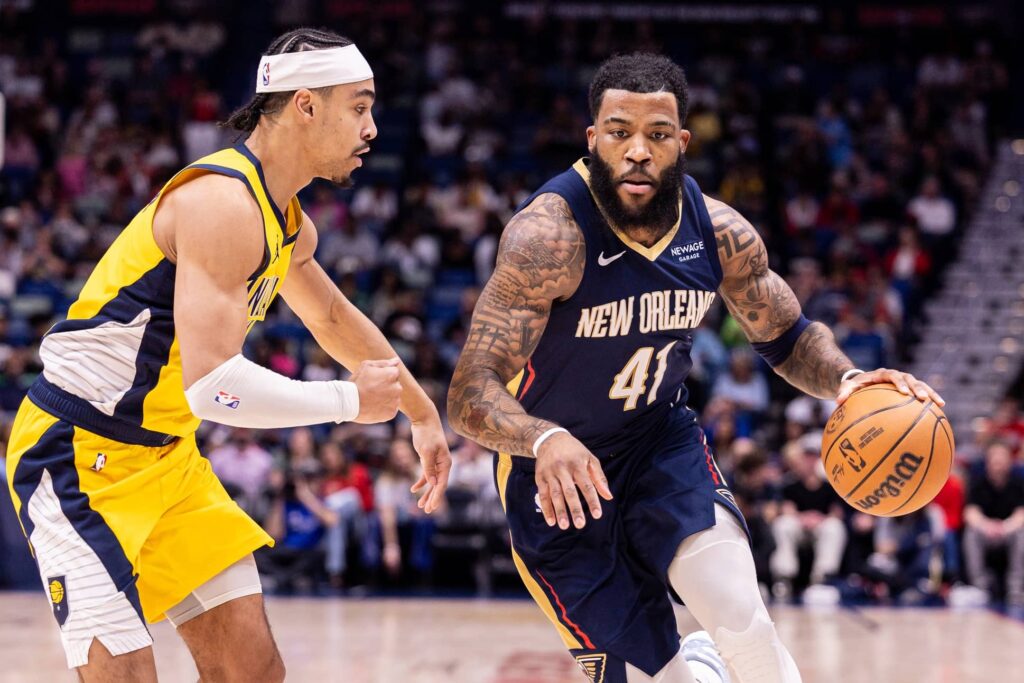
Saddiq Bey is putting up real starter-level production on a mid-tier number, and that’s exactly the type of contract front offices dream about. He’s at 15.1 points, 5.9 rebounds, and 2.3 assists a night, while shooting 44.2% from the field and 31.8% from three. He’s basically a plug-and-play wing who can live in physical matchups, rebound his position, and keep the offense from stalling when the first action dies.
The craziest part is the context. The Pelicans are sitting at 9-32, so it’s not like he’s racking up empty calories on a good team that makes everyone look efficient. They’ve needed functional two-way minutes all season, and Bey has been one of the few guys who can consistently give them adult possessions.
Contract-wise, this is where the “overplaying it” argument becomes easy. Bey’s base salary is $6.1 million in 2025-26. That’s rotation-player money, not “this dude is your nightly 15-and-6 wing” money.
And he’s had real pop games too. He already marked 26 points over the Knicks this season, which matters because it shows the ceiling is higher than “steady role guy.” When he catches a rhythm, he can flat-out win you scoring stretches with bully drives and quick-trigger threes.
If the Pelicans ever stabilize, Bey profiles like the kind of wing every playoff team wants as their third or fourth best guy, and that’s exactly why $6.1 million looks like robbery.
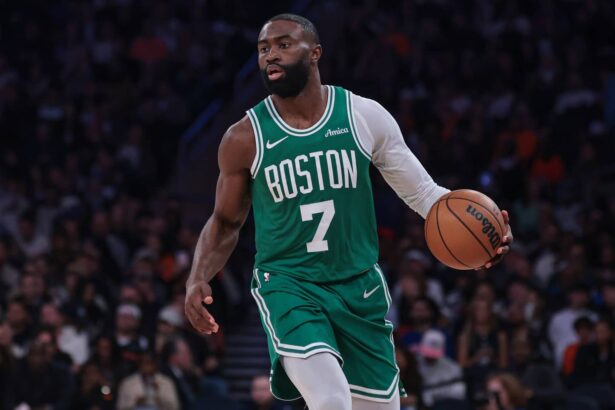
2. Daniss Jenkins
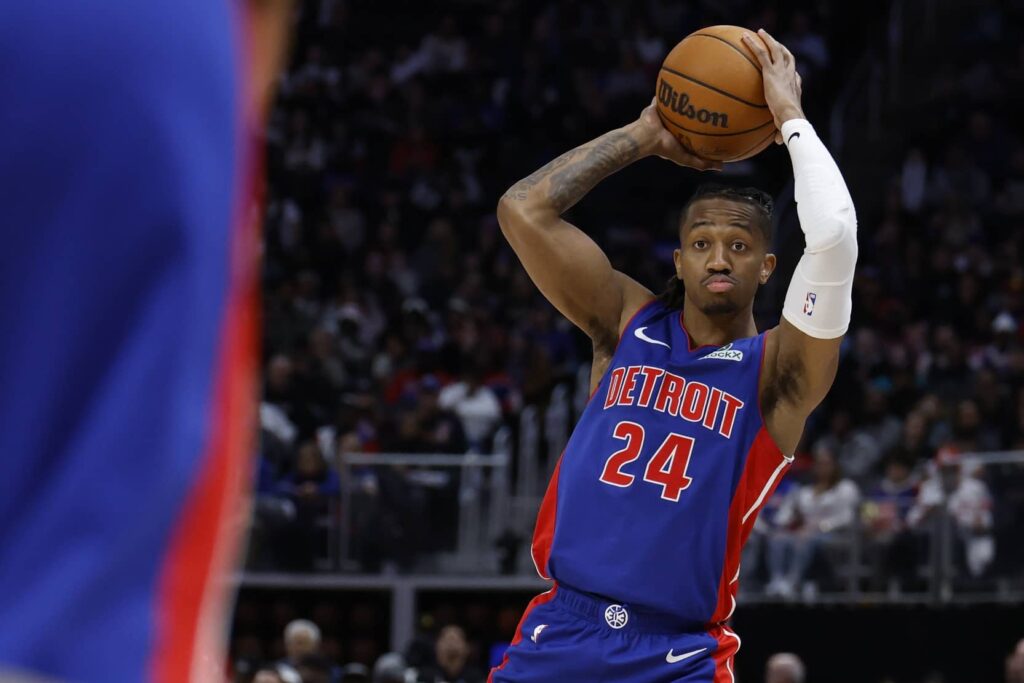
This is the definition of “two-way contract, NBA impact.” Daniss Jenkins isn’t getting paid like a rotation guard, but he’s been playing like one when the Pistons actually need him. Over a recent seven-game stretch with Cade Cunningham injured, he put up 11.2 points and 6.3 assists per game, and he even dropped a 15-assist night last week, which is not normal behavior for a player on this type of deal.
Now zoom out to the team context. The Pistons are 28-10, first in the East, and that’s the key detail. He’s not padding stats on a tank job. He’s giving usable minutes on a team that’s winning at the top of the conference, where mistakes actually matter.
The contract is the punchline. Jenkins re-signed on a two-way, and the reporting around it pegged his 2025-26 earnings at $636,435 if he stays under contract through the key guarantee date. That’s basically the kind of money teams pay for “camp competition,” not “here, run an offense for stretches and rack up assists.”
That gap between salary and value is why he belongs on this list. The Pistons clearly have real guards, but Jenkins has still carved out trust minutes because he plays with pace, makes simple reads, and doesn’t look overwhelmed when the scouting report says “attack him.”
If you’re trying to explain how teams get great without spending on every single rotation slot, this is the example. Two-way deal, high-leverage minutes, and he’s producing when it counts.
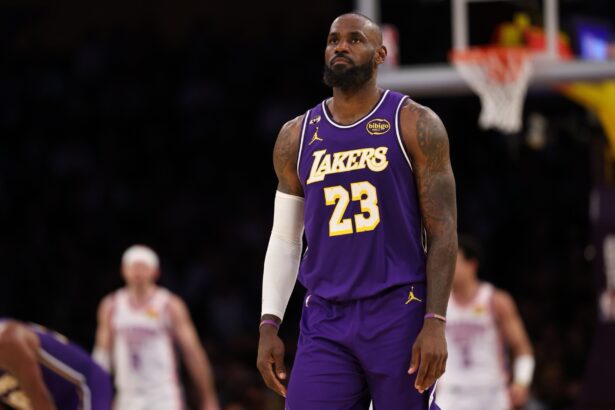
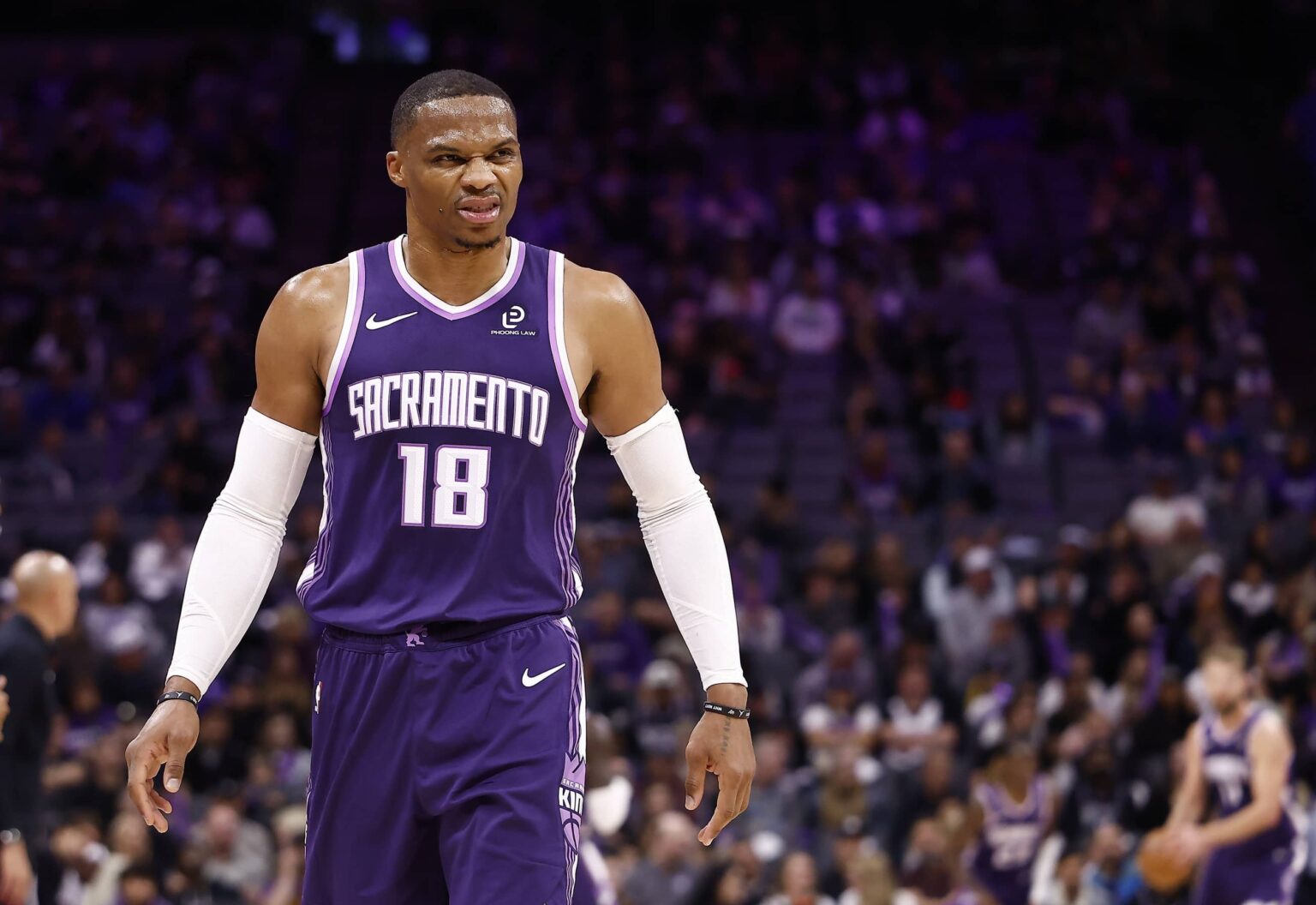
3. Russell Westbrook
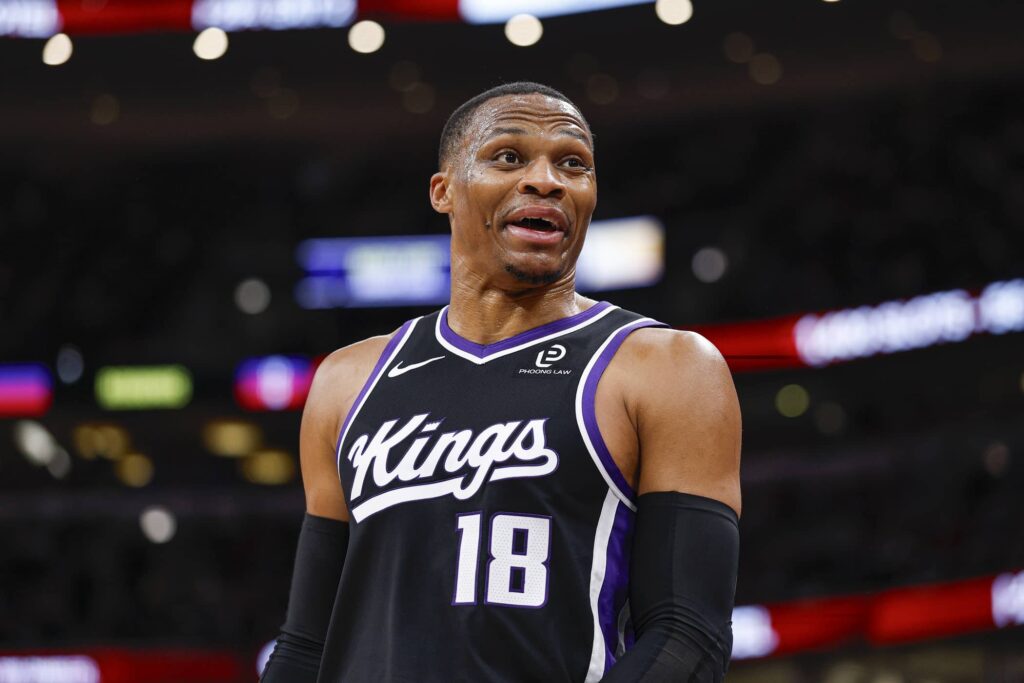
This one is almost disrespectful to the contract. Russell Westbrook is giving the Kings legit nightly production at 14.5 points, 6.9 assists, and 6.5 rebounds per game in 2025-26. That’s not “fun veteran cameo,” that’s real box-score juice, and he’s done it across 39 games.
The Kings, meanwhile, are 9-30, which makes the whole thing even louder. When a team is sinking, you usually get fake numbers and bad habits. Westbrook’s impact has been more direct: he’s been the guy who can manufacture an advantage when the offense looks dead. And we just saw a clean example, 15 points and 10 assists in a win over the Rockets that snapped a seven-game skid.
Now the money: his salary sits at $3.6 million, with a cap hit around $2.30 million. Either way, it’s cheap. That’s “bench presence” money for a dude giving you near 15-7-7 production.
Is it flawless? No. You live with the chaos, the turnovers, and the occasional “why did you shoot that” moment. But the whole point of a low contract is that you can take those flaws if the value is still positive, and with his volume creation, it is.
On pure value-per-dollar, this is one of the biggest steals in the league this season.
4. Neemias Queta
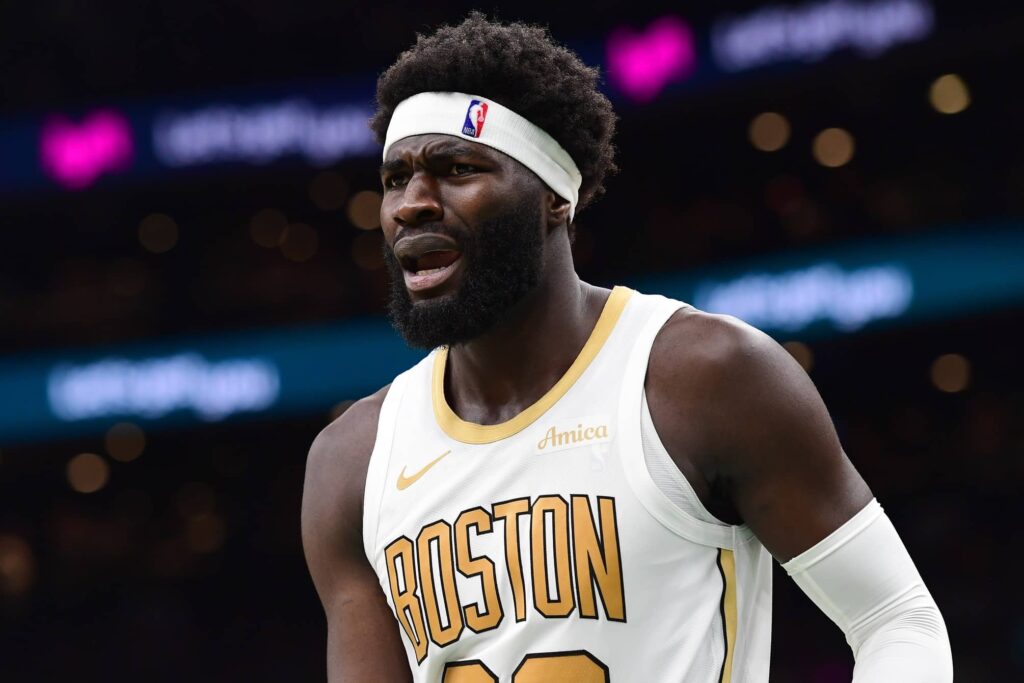
Neemias Queta’s contract screams “deep bench big,” but the production screams “team anchor when needed.” The Celtics are 24-14, third in the East, and Queta has still forced himself into relevance because his strengths are loud: rim protection, rebounding, and vertical gravity.
The signature moment is obvious. He posted 19 points in December with a career-high 20 boards in last week’s Nuggets game, and that’s the kind of night that flips you from “spot minutes” to “okay, we might actually need this dude.”
Contract-wise, it’s exactly what you want for a cheap center. Spotrac has Queta at a $2.35 million base salary in 2025-26. That’s minimum-ish money for a legit NBA center skill set.
Even when you focus on his recent run instead of the whole season, the impact stays real. Over his last 20 games, he’s been at 10.3 points, 10.4 rebounds, and 2.6 blocks while shooting 64.5% from the field. That’s not “nice,” that’s a starting big man stat line, and the Celtics are getting it at a bargain rate.
If you’re a contender, cheap centers who protect the rim without killing you are basically gold. Queta is that.
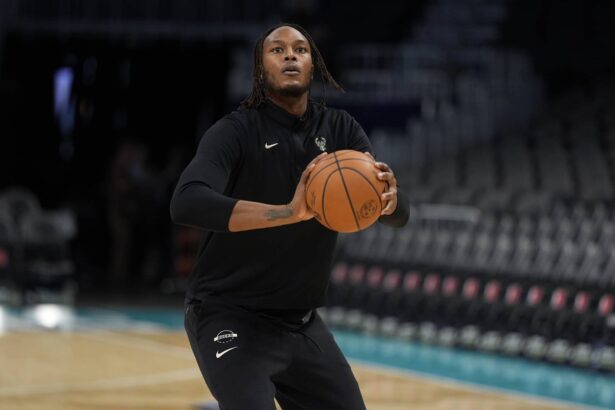
5. Ryan Rollins
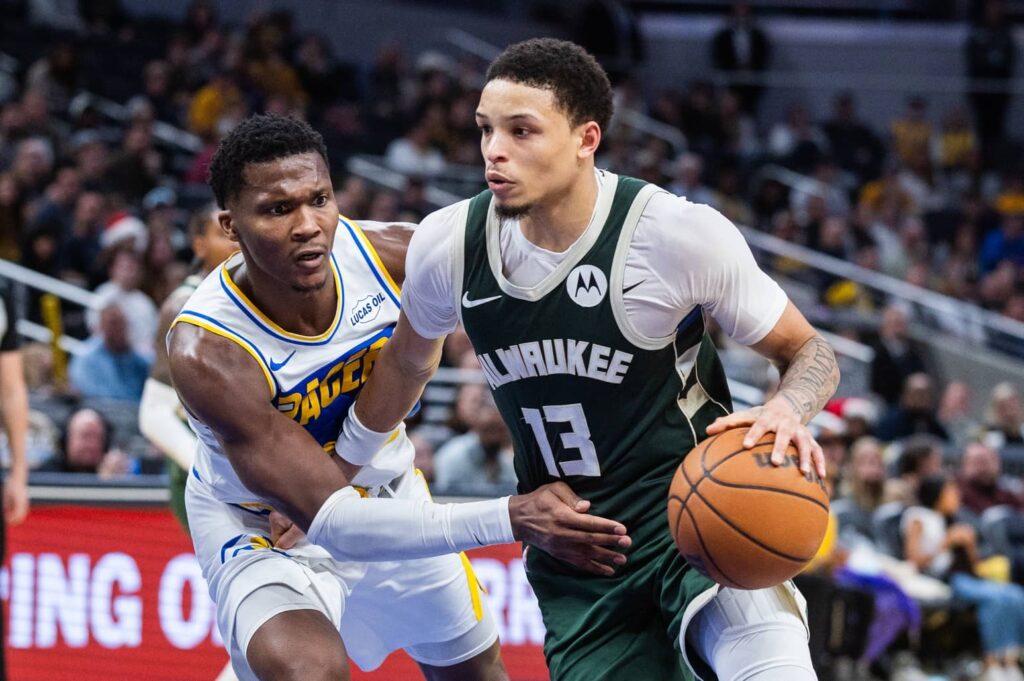
Ryan Rollins is the wildest glow-up on the list because the numbers are straight-up starter numbers now. He’s averaging 16.6 points, 4.4 rebounds, and 5.6 assists in 31.8 minutes per game, and he’s doing it on 46.8% shooting while hitting 40.3% from three. That is not “nice contract,” that is “this guy is in your core rotation every night.”
The Bucks are 17-22, so they’ve needed stability badly, and Rollins has been one of the few clean storylines: real creation, real shot-making, real guard production.
Now the contract. His 2025-26 base salary is at $4.0 million. That is a hilarious value for a guard giving you 16.6 and 5.6 with efficient shooting.
And he’s not just “steady.” He’s had a real explosion game too: 32 points in a win over the Warriors earlier this season. That’s the kind of ceiling game that changes how teams scout you.
If you’re the Bucks, this is exactly how you survive a rough year. You find one mid-cost contract that plays like a $20 million guy, and suddenly your roster math looks a lot less bleak.
6. Sion James

Sion James is doing exactly what cheap wing contracts are supposed to do: give you functional, mistake-light minutes that don’t crater lineups. He’s at 6.4 points, 3.4 rebounds, and 1.9 assists per game across 39 games, and he’s playing nearly 26 minutes a night. That minute load is the tell. Coaches don’t hand out 25-plus minutes for fun.
The Hornets are 14-25, and they’ve been cycling through lineups trying to find anything that holds. James has stuck because he rebounds, competes, and doesn’t need plays called for him to matter.
The contract is a clean value too. Spotrac lists his 2025-26 base salary at $2.30 million. That’s low-end role money for a guy eating real wing minutes.
This is the kind of player contenders usually try to steal at the deadline because the skill set is simple and portable. If you defend, rebound, and make enough shots to avoid being played off the floor, your value jumps. James is doing that on a near-minimum number.
7. Brandon Williams
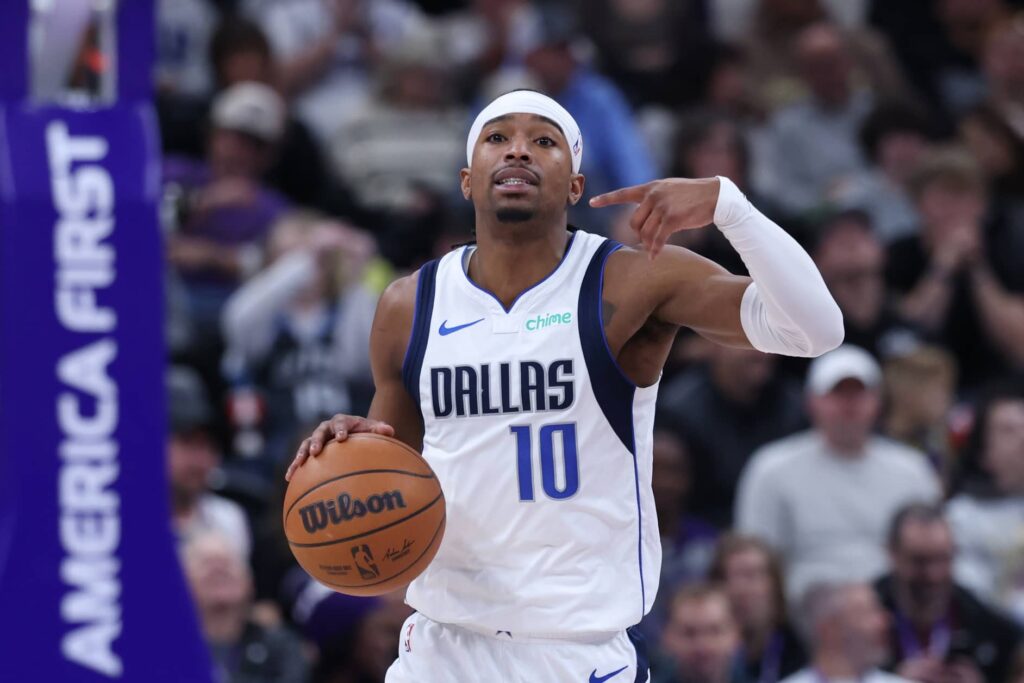
Brandon Williams is playing like a real rotation guard, not a “break glass in case of emergency” guy. He’s at 11.5 points, 2.8 rebounds, and 3.8 assists per game in 22 minutes a night, which is strong bench production. The shooting is the one blemish, 43.0% from the field and 19.1% from three, but the point is he’s still scoring and creating despite that, which tells you how much rim pressure and burst he’s bringing.
The Mavericks are 14-25, and with the backcourt situation constantly shifting, Williams has mattered because he can actually get into the paint and force rotations. That’s a rare skill, and it plays even when the jumper is shaky.
With a base salary of $2.27 million in 2025-26, that’s a bargain. For an 11.5-point bench guard, the Mavs clearly found a gem.
He’s also had real “who is this guy?” nights in his NBA life, including a career-high 31-point game last season, and a 2025-26 high of 26 points this year on Christmas.
Even if that exact peak didn’t happen this week, it’s part of why teams keep taking the swing, because the microwave scoring is real.
If the Mavericks get even average shooting from him in the spring, this contract looks like a cheat code.
8. Ryan Nembhard
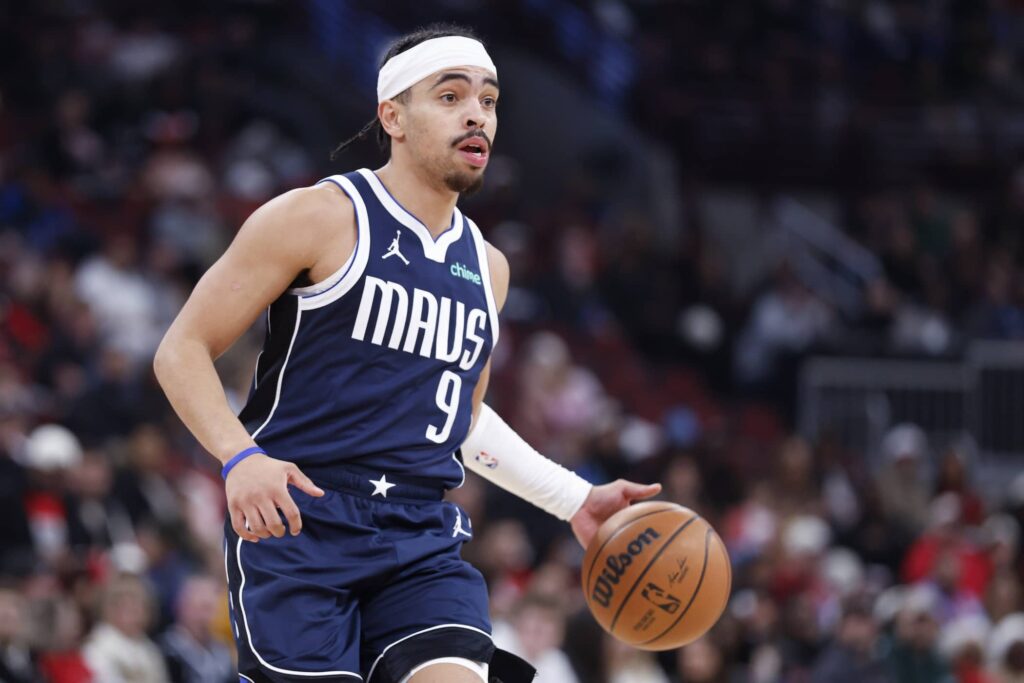
The Mavericks also have the purest “outplaying the label” name here. Ryan Nembhard is averaging 7.7 points and 5.0 assists in 26 games, which already reads like a functional backup point guard.
But the real story is the role jump. He’s a total undrafted breakout who’s even started games, and in his first four starts, he averaged 17 points and over 7.5 assists. He also notched a ridiculous 61.2% from three during that short starting stint. That’s not a small upgrade; that’s a player changing the team’s offense overnight.
And yes, the contract is tiny. Spotrac lists him as a one-year, two-way contract, and the Mavericks’ cash table shows him at $85,300, which basically screams two-way mechanics. Translation: he’s giving them real NBA value on a contract type that’s supposed to be developmental.
If you’re trying to write the “how do teams find hidden guards” story, this is it. Cheap contract, real production, and the team publicly wants to convert him because they know what they have.
9. Caleb Love
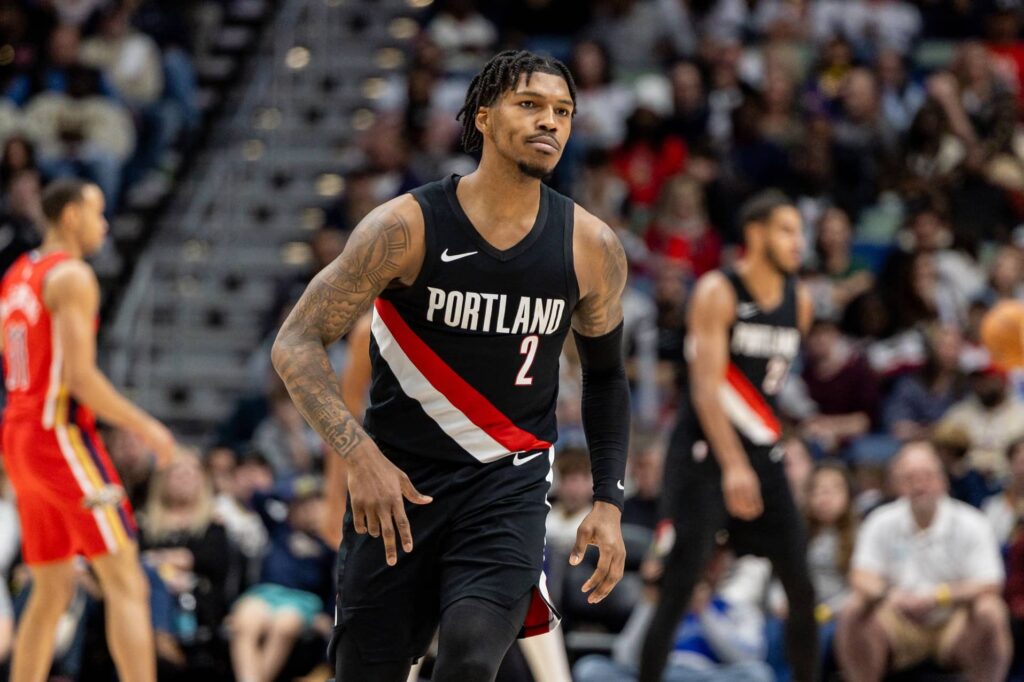
Caleb Love has immediately played like someone who belongs in a rotation. He averages 10.7 points, 2.7 rebounds, and 2.3 assists per game in 21.1 minutes, which is a strong scoring punch for a guard-wing on a small deal.
The Blazers are 19-21, and they’re in that awkward “we’re not tanking, but we’re not totally there yet” stage, so bench shot creation matters a ton. Love has been one of the guys who can actually self-generate when the offense gets sticky.
And he’s had a real statement bench game too: 21 points against the Knicks, called out specifically in game coverage. That’s not garbage time, that’s “we needed buckets, and he gave them.”
Contract-wise, the easiest way to frame it is simple: he’s on a two-way, and the Blazers are reportedly expecting to make his deal standard. Two-way production at 10.7 a night is basically a steal by definition.
If Love keeps scoring like this through February, he’s the exact kind of player that forces a team to make a real roster decision, because he stops looking like a project and starts looking like a solution.
10. Pat Spencer
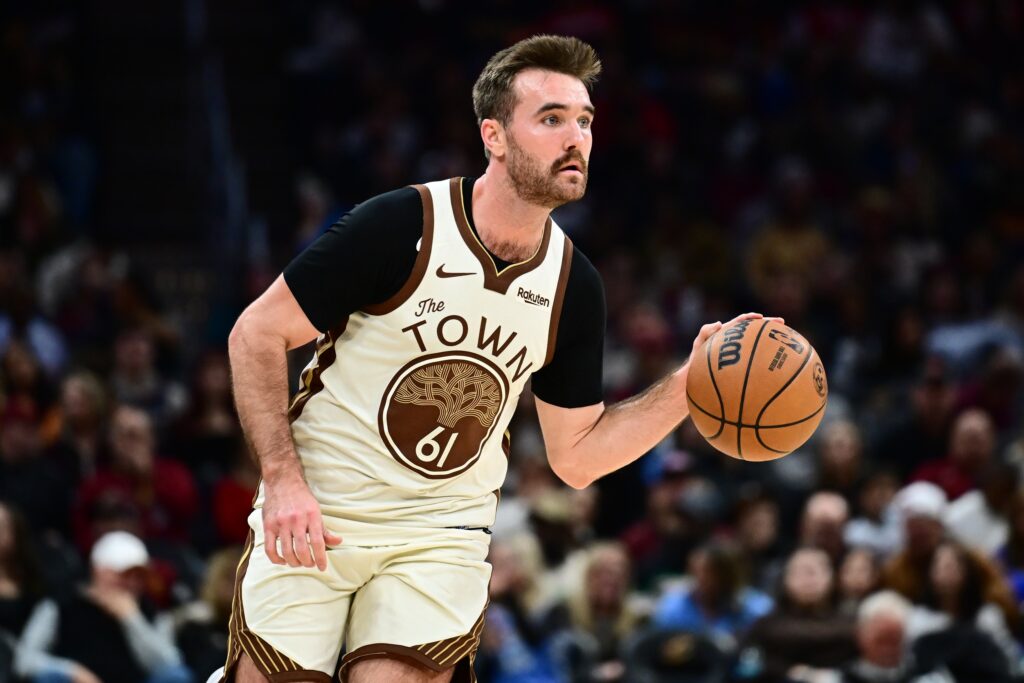
Pat Spencer is the perfect “you thought it was a two-way, but it’s actually a rotation guard” story. He averages 6.1 points, 2.2 rebounds, and 3.2 assists per game in 15.1 minutes, and that assist number is the key. He’s not out there to stand in the corner; he’s out there to run stuff.
The Warriors are 21-19, eighth in the West, and they’ve still leaned into him because he gives them ball-handling minutes that don’t break the offense. On a team that lives on flow and quick decisions, that matters more than raw scoring.
The important part isn’t the scoring. It’s the function. He’s basically become a steady backup ball-handler you can trust to organize a unit, get the team into sets, and keep possessions from turning into chaos.
And yes, he’s had a real spike game too: on December 6, Spencer scored a career-high 19 points (with seven assists) in his first NBA start as the Warriors beat the Cavaliers.
This is why good teams stay good. They find a cheap creator who can run second units, survive defensively, and keep the ball moving. Spencer has done that, and it’s been way more important than people realize.
Final Thoughts
The common thread is simple: low contracts buy flexibility, and these guys are turning that flexibility into real on-court value. Not “nice story” value, real minutes that swing games and keep rotations alive.
Bey and Rollins headline the list because they’re giving you starter-level production while sitting in that mid-rotation pay range. That’s how teams cheat the cap without cheating the cap.
Westbrook is the funniest one because the number still doesn’t match the output. When a player can juice your offense every night for that kind of money, it’s a roster hack.
And the two-way crew, Jenkins, Nembhard, Love, Spencer, is the modern NBA in a nutshell. Teams don’t just need stars. They need cheap creators who can survive 15 to 25 minutes, run real possessions, and not get played off the floor. Those guys are forcing decisions, and they’re earning real roles.