The Boston Celtics are sitting 2nd in the East at 25-15, and they’ve basically lived in that “contender, but not cruising” lane all season. They lost Jayson Tatum in the postseason last year, but they’re still winning like a top-tier team even without their franchise player and a big roster change.
The last game was the perfect snapshot of their current vibe. The Celtics just came back to beat the Heat 119-114, erasing a 19-point hole, with Anfernee Simons detonating for 39 off the bench and Jaylen Brown adding 27 in his return. That’s the good news. They can survive ugly nights and still take a W.
The problem is the ceiling stuff, the “what happens in May” stuff. The Celtics’ numbers scream elite: they’re second in offensive rating (121.5) and top-three in net rating (7.1). They also take care of the ball, with the second-lowest turnover rate at 12.4%. But the rotation has been juggling, and when the postseason tightens, you don’t want to be improvising your center minutes or praying the bench shot creation shows up every single night.
This roster still has real juice, but the frontcourt has turned into a nightly math problem, and the cap situation keeps pushing every decision into “value only” territory. ESPN and CBS both framed the same reality: the Celtics can’t casually take on extra long-term money, and any deadline move has to help on the floor without nuking the books.
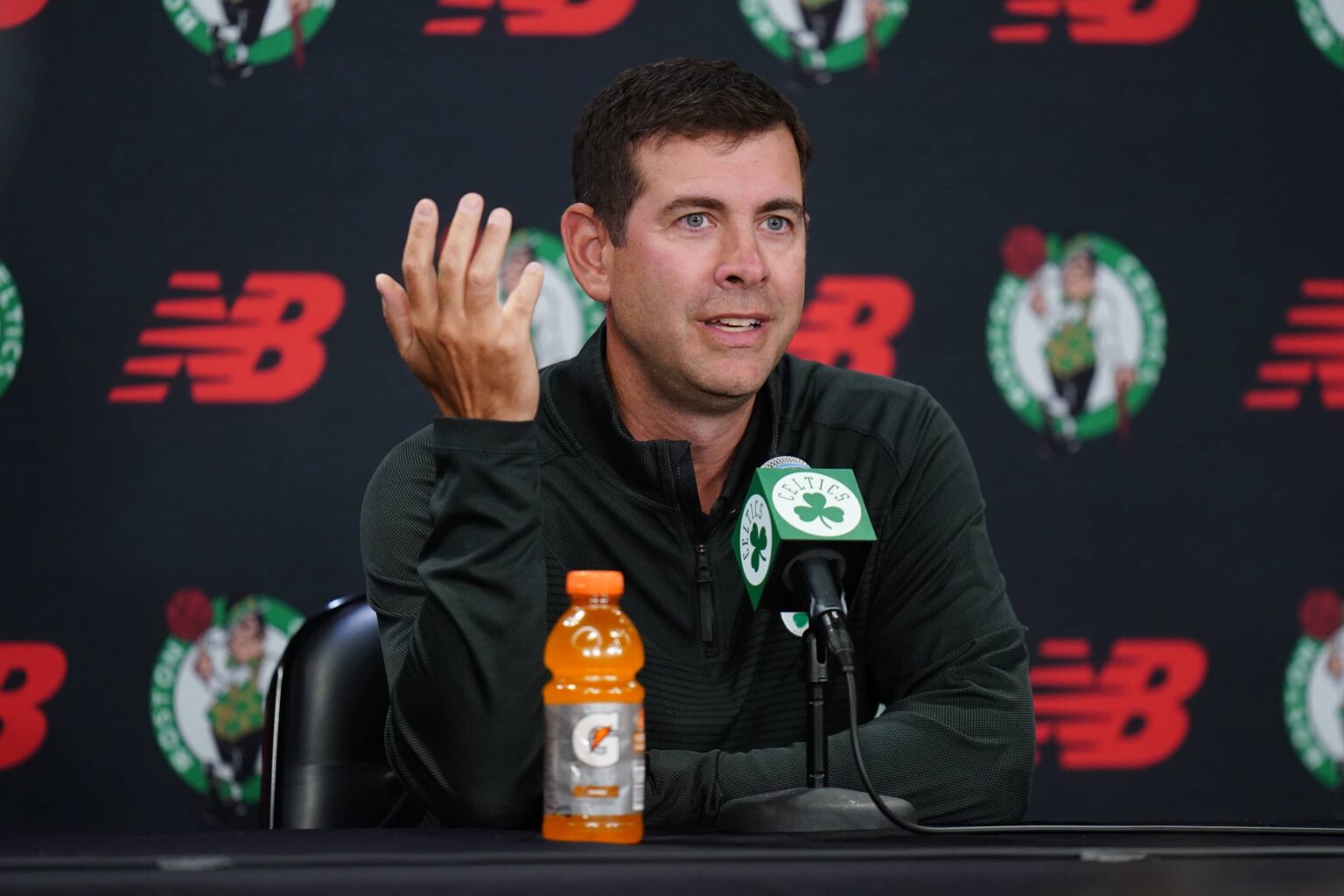
Michael Scotto’s latest reporting also matters a lot here. The Celtics reportedly don’t want to attach a first-round pick just to dump Anfernee Simons, and they prefer deals that bring back useful players on short money, not multi-year commitments. That’s why this target list looks the way it does. Bigs, cheap wings, and one guard who can actually play in May.
1. Ivica Zubac
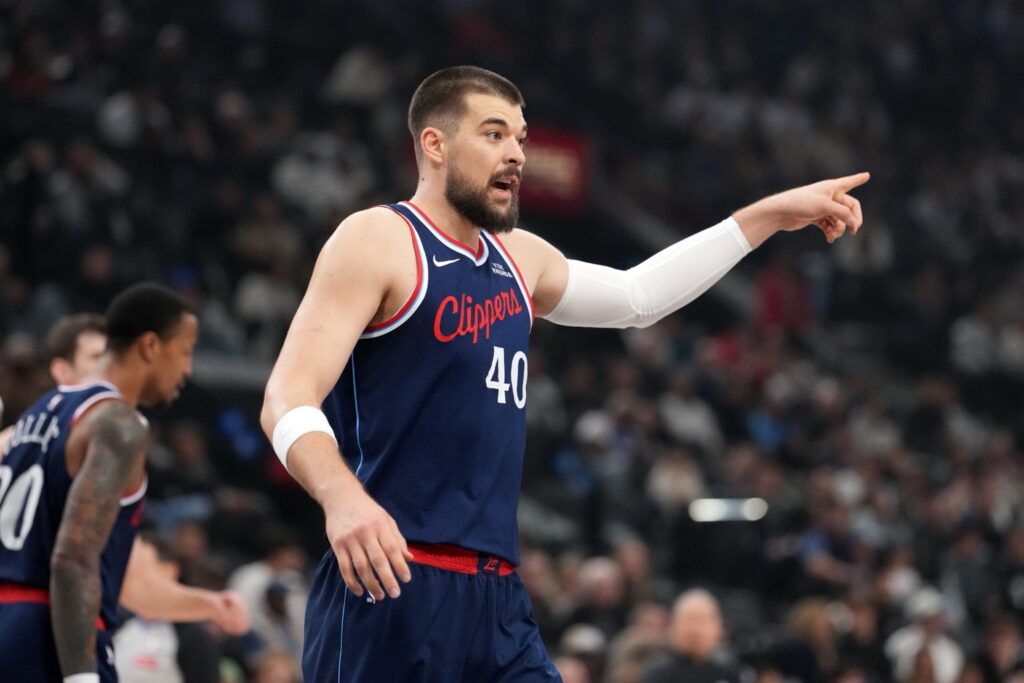
If the Celtics are serious about staying in the contender lane, this is the cleanest “upgrade the middle without turning the whole roster upside down” swing. Ivica Zubac is giving you real, nightly center production right now, he’s at 14.8 points, 10.7 rebounds, and 2.4 assists this season, and he’s doing it on 60.6% from the field. That’s not just a big body, that’s efficient finishing, real screening, and a guy who can keep possessions alive without you needing to run offense through him.
The reporting part is the big thing here, because this isn’t just fan-fiction. Zubac keeps popping up as a Celtics-linked big in deadline chatter, and the latest wrinkle is basically a buzzkill: Jake Fischer reported the Clippers have cooled significantly on the idea of moving either Zubac or James Harden now that they’ve stabilized and started winning. So yeah, the fit is obvious, but the availability is the fight. That’s also why the price would be nasty, because when a team thinks it’s back, it stops selling useful starters for cute packages.
From a hoops standpoint, the Celtics could plug him into the exact type of role they’ve needed when the minutes get playoff-tight. He rebounds, he plays within structure, and he gives you rim gravity so the Celtics’ shooters get cleaner looks. He also lowers the “we need everything to be five-out all the time” pressure, because he’s not a spacer, but he’s a finisher that actually bends the defense at the rim. And unlike some center targets, you’re not praying he holds up physically on every switch. You’re just asking him to be big, be solid, and punish teams that try to win with tiny lineups.
Now the money, because the Celtics can’t pretend it doesn’t matter. Zubac is at about $18.1 million in 2025-26. That number is big enough to require real matching, but it’s not some nuclear contract that traps you for years. If you’re the Celtics, this is the type of salary you can talk yourself into because it’s starter-level value at a number that doesn’t automatically wreck your flexibility.
Bottom line: Zubac is “perfect fit, hard get.” If the Clippers actually open the door, the Celtics should push hard, because this is the kind of center who makes your whole ecosystem feel easier.
2. Daniel Gafford
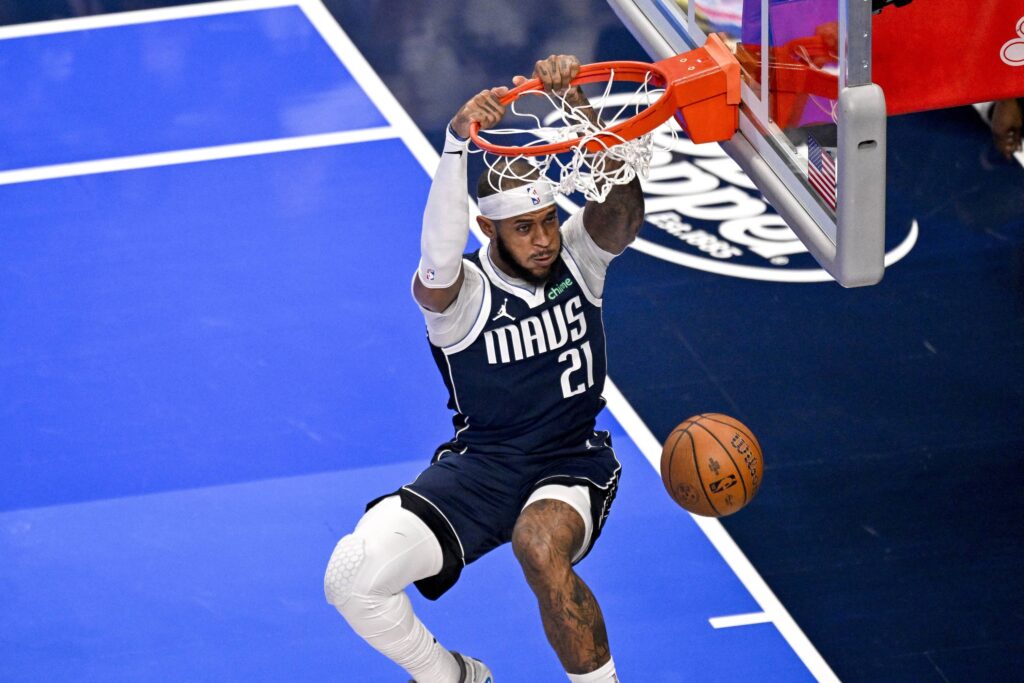
Daniel Gafford is the definition of a deadline big who makes sense for a team that wants real center minutes without paying the “star center tax.” The Celtics have been sniffing around frontcourt upgrades in general, and Gafford sits right in that sweet spot, he’s a legit rim runner, a legit shot blocker, and he plays fast without needing plays called for him. There’s even broader league reporting that he’s the type of big teams have engaged on in trade talks this season, which fits the idea that he’s actually attainable if the right offer lands.
His production is exactly what you’d want from a “do the dirty work” center. This season he’s at 7.8 points, 6.5 rebounds, and 1.3 blocks in about 20.8 minutes. And the efficiency is the selling point, he’s at 62.9% from the field. That means every lob, every dump-off, every offensive rebound becomes stress on the defense. The Celtics don’t need him to be fancy, they need him to finish and protect the rim, and he can do both.
The fit is pretty straightforward. The Celtics live on spacing and quick decisions. A rim runner like Gafford forces a low man to tag, which is where the Celtics’ shooters eat. Defensively, he gives you a back-line presence that allows perimeter guys to be more aggressive. He’s also a really clean way to survive the regular-season grind, because he can absorb physical matchups and keep the Celtics from overtaxing smaller lineups.
Now the money, because it always comes back to it with the Celtics. Gafford is at about $14.4 million in 2025-26. That’s a manageable number for a legit rotation center, and it’s not the type of deal that locks you into a long-term cap headache. It’s basically the exact kind of contract you can justify when you’re trying to stay competitive and still keep flexibility for the next swing.
If the Celtics want the most practical version of “get bigger, get tougher, don’t get slower,” Gafford is the pitch. Not glamorous, just useful, and in February, useful wins.
3. Robert Williams III
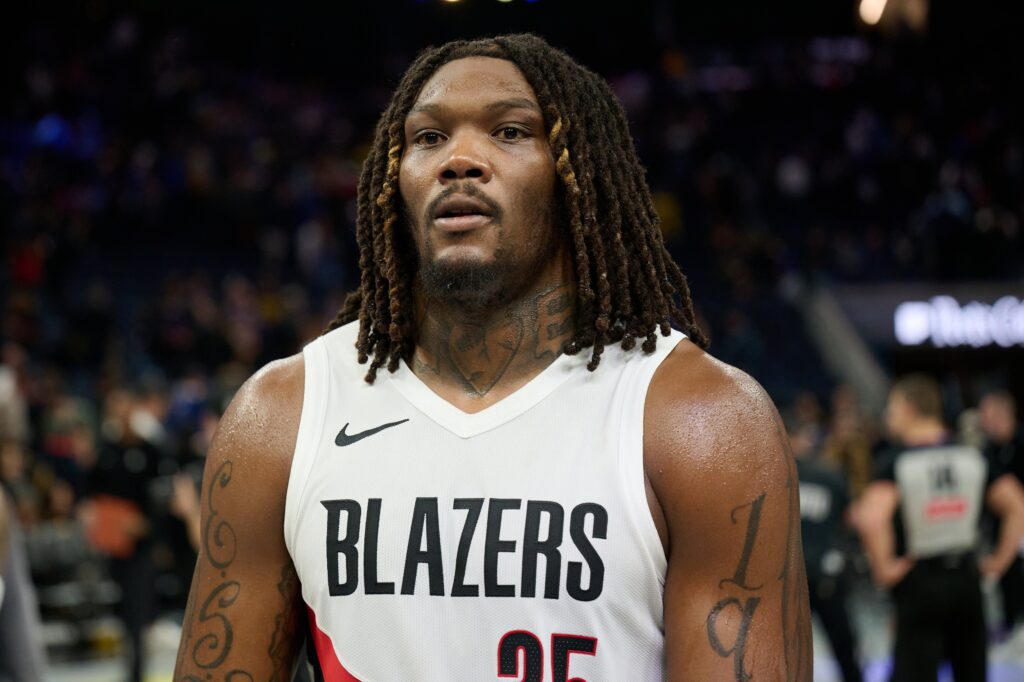
This is the emotional one, and it’s also the sneaky logical one. The Celtics already know exactly what Robert Williams III looks like when he’s right, and the idea of bringing that defensive chaos back is clearly floating around the league conversation again. Chris Mannix has specifically talked about the Celtics looking at bigs and mentioning Robert Williams III as part of that internal discussion. That matters because it frames him as more than a nostalgic name, it’s an actual “call we might make” target.
On-court, you’re not shopping for volume scoring here. You’re shopping for rim protection, vertical spacing, and that “nope” factor at the basket. This season he’s at 6.0 points, 6.2 rebounds, and 1.3 blocks per game. That doesn’t scream headline, but it screams role. It screams “play him 18 to 22 minutes, let him wreck stuff, then get out.” And for the Celtics specifically, his skill set covers a lot of sins. He can erase mistakes behind aggressive perimeter defense, he can create extra possessions, and he doesn’t need touches to matter.
The real conversation is health and timeline. A lot of the chatter around Robert Williams III is basically the same every year, can you trust the body. That uncertainty is exactly why he’s even gettable in theory, and why the Celtics can justify a softer asset package than they’d need for a more stable starter. There’s also a team-building angle, because the team he’s on has reasons to be practical about veterans and expiring money as the deadline approaches. If you’re the Celtics, you’re betting on your environment, your medical management, and your role clarity to keep him effective when it matters.
Contract-wise, the appeal is simple. Robert Williams III is around $13.3 million in 2025-26. That’s a very tradable number for a center who can swing games with defense, and it’s the kind of salary slot that doesn’t force the Celtics into some dramatic teardown just to match.
If this is the move, it’s a vibe. The Celtics would be saying, we don’t need a new identity, we need a familiar weapon. And if he holds up, it’s the kind of “everyone hates playing us” piece that turns a good defense into a miserable one.
4. Nick Richards
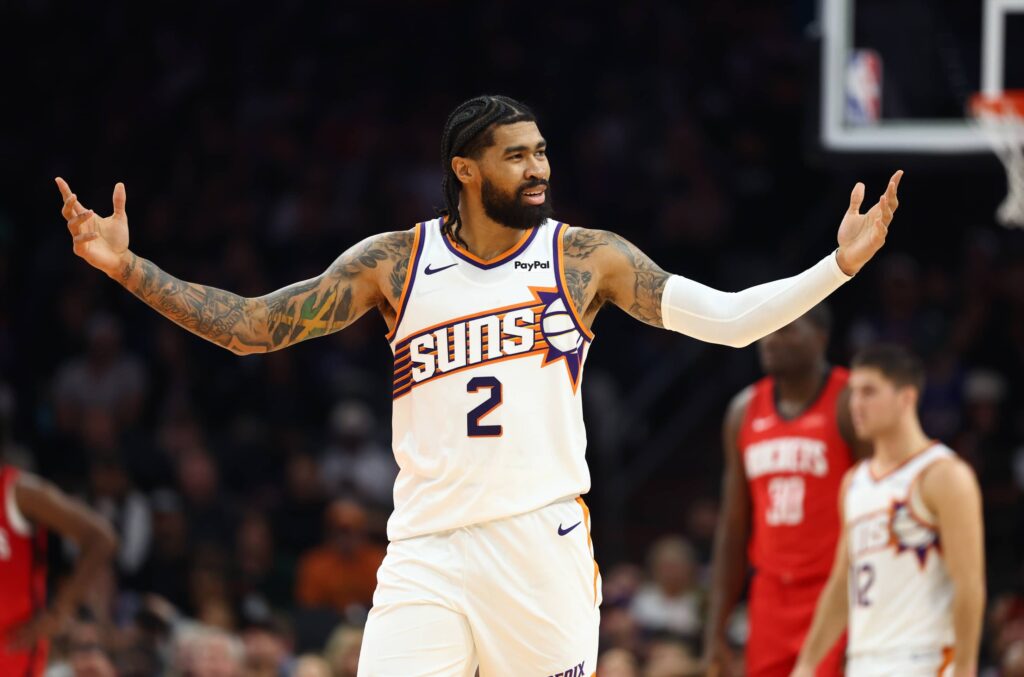
Nick Richards isn’t the sexy name, but he’s the kind of under-the-radar target that real deadline teams scoop up when they want depth that doesn’t break the financial structure. He’s barely playing heavy minutes right now, which is exactly why the price stays reasonable. This season he’s at 3.2 points, 3.3 rebounds, and 0.5 blocks in 9.1 minutes for the Suns. That’s not because he can’t play, it’s because his role is small. When he starts, even in a tiny sample, the rebounds and rim presence jump.
For the Celtics, the argument is about insurance. The Celtics don’t need Richards to close games, they need him to soak up physical center minutes, survive matchups against real size, and keep the rotation from turning into a constant patchwork. He’s also a useful style contrast. If the Celtics want to play fast and spread, fine. If they need a more traditional look for specific opponents, Richards gives you that without changing everything.
The reporting angle here is more “availability” than “Celtics are aggressively chasing him,” and that’s still valuable. The team has explored moving him, and there’s been talk that they’re eyeing low compensation with Mark Williams and Khaman Maluach at center. That typically means the asking price is a bargain. For a contender like the Celtics, that’s fine, because the goal isn’t to win the headline, it’s to win the roster math.
Now the contract, because this is where Richards really fits the Celtics personality right now. He’s at $5 million in 2025-26. That’s the type of number you can match without detonating your guard depth, and it’s the type of number you can live with even if his role fluctuates game to game.
If the Celtics go “cheap big,” Richards is a clean target. Not a savior, not a star, just a functional center at a price that lets you keep your real bullets for something bigger.
5. Day’Ron Sharpe
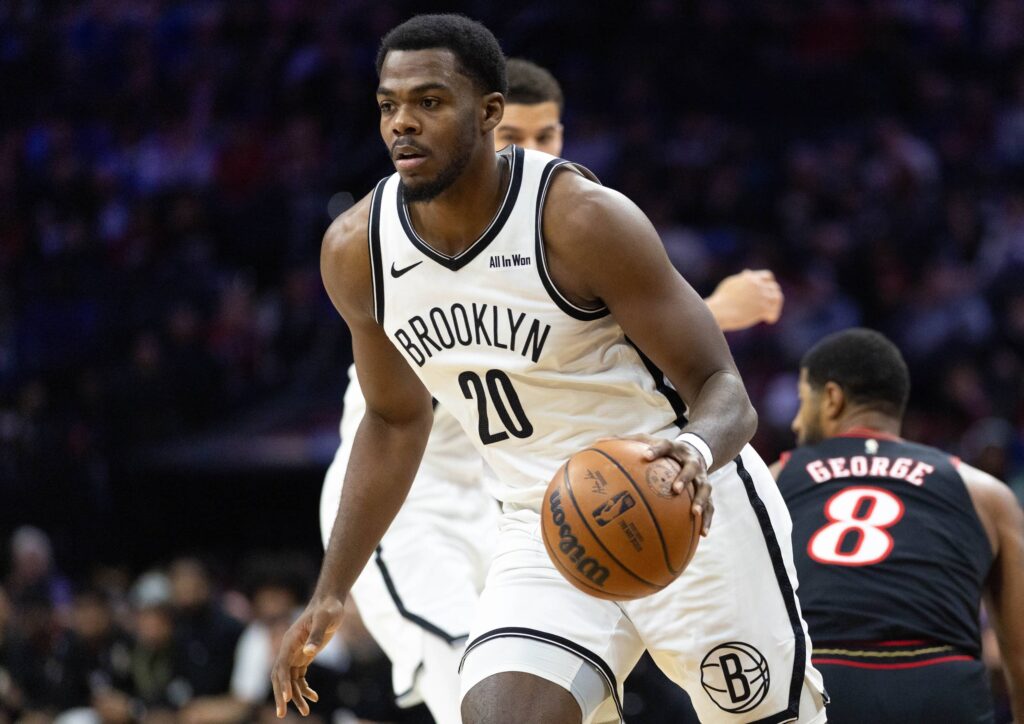
Day’Ron Sharpe is the kind of deadline big the Celtics should love, because he’s cheap, physical, and he plays like every rebound owes him money. He’s also one of the few names that’s been explicitly floated as a Celtics-type target by Bleacher Report. That matters because it frames him as a real “team-building logic” fit, not just a random suggestion.
The production is legit for the role. This season, he’s at 7.7 points, 6.3 rebounds, and 2.4 assists per game. The assists part is sneaky important, because the Celtics don’t need a center who stops the ball. They need someone who can catch, make a quick read, and keep the flow moving. Sharpe can do that in a simple way, and he’s aggressive enough on the glass to create extra possessions, which is basically free offense for a team that already shoots.
There’s also a very real availability angle with the Nets’ frontcourt situation. They’ve had the Claxton and Sharpe combo, and the roster-building question becomes, how much do you want to allocate to two centers when your timeline is still shifting. There’s been reporting and discussion around that frontcourt decision point as the deadline approaches. If the Nets decide to monetize depth, Sharpe is the easier one to move because his contract is small and contenders can plug him in without drama.
For the Celtics specifically, Sharpe helps in the matchups where finesse isn’t enough. You need someone to battle, to rebound, and to make the game ugly when the other team wants it ugly. He also gives the Celtics a different look than their lighter, more mobile options. You’re not asking him to be a switch-everything unicorn. You’re asking him to win the “effort big” minutes.
Contract-wise, Sharpe is at about $6.3 million in 2025-26. That’s exactly why he keeps coming up. It’s the kind of deal contenders can absorb, and it’s the kind of deal that makes front offices feel smart when it works.
If the Celtics want a realistic, affordable, playoff-usable big, Sharpe is one of the best bets on the board.
6. Ziaire Williams
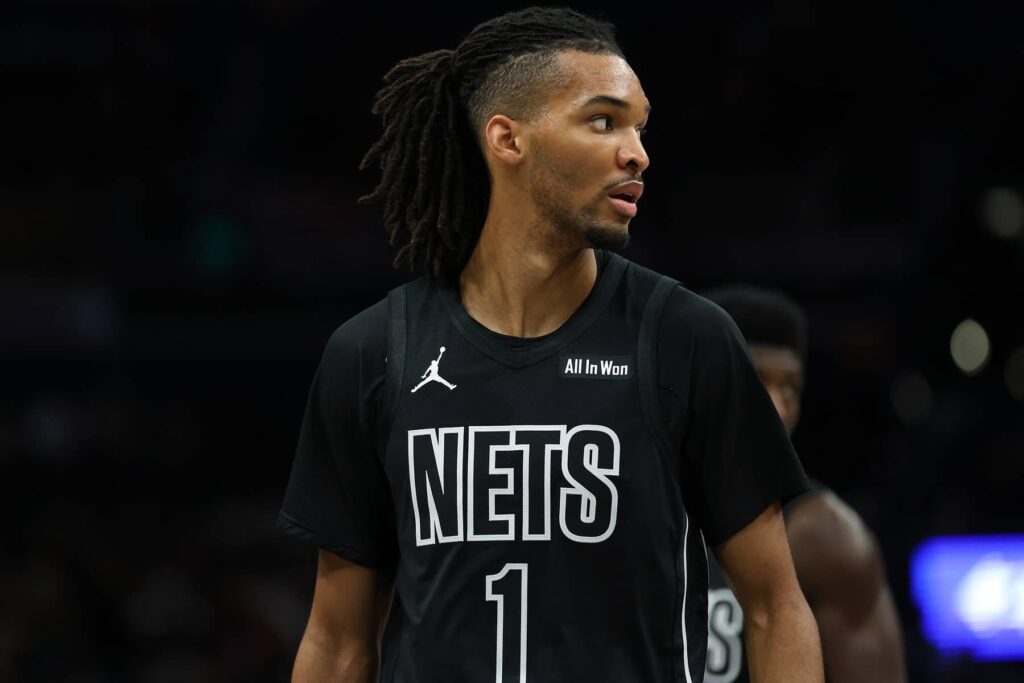
Ziaire Williams is a wing bet, and the Celtics basically live for wing bets. The logic is simple, the Celtics have turned “question marks” into rotation guys more than once, and Ziaire fits that archetype perfectly. He’s also sitting in an environment where minutes and roles can swing wildly, which creates opportunity for a deadline buyer.
This season he’s at 9.1 points, 2.4 rebounds, and 1.2 assists per game. That’s respectable wing output, and it’s the kind of production that can pop more if you give him a cleaner role. His biggest sell to the Celtics is defensive utility. He’s long, he can guard multiple spots, and he fits the Celtics preference for wings who can survive in real matchups without needing the ball every trip.
The reporting tie-in here is less “the Celtics are locked on him” and more “the Nets have movable pieces and contenders are shopping there.” The Nets have been in that weird spot where they’re balancing development, roster flexibility, and deadline decisions, and their wing rotation has had availability issues. When a team is juggling all that, the smart front office calls on the cheaper pieces first, because those are the easiest to fit into a contender’s cap sheet.
For the Celtics, Ziaire would be a minutes battle, not a guaranteed role. But that’s fine. He can start as a defensive wing who runs the floor, spaces when open, and attacks closeouts when the lane is there. If he hits, you just found a playoff wing without paying playoff wing prices. If he doesn’t, the contract is small enough that it doesn’t kill you.
Speaking of contract, Ziaire is at about $6.3 million in 2025-26. That’s exactly the zone the Celtics can play in without forcing a massive reshuffle.
This is the “trust our development, trust our structure” target. Not a headline move, but a move that can quietly matter when you need one more wing body who won’t get hunted.
7. Ayo Dosunmu
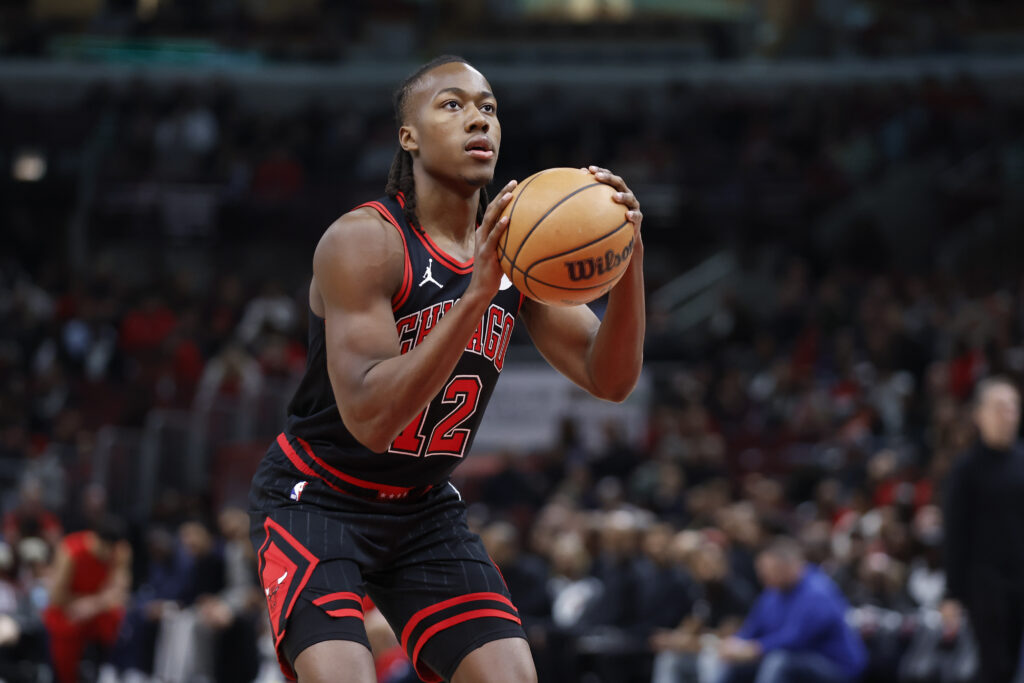
Ayo Dosunmu is the guard target that actually makes sense if the Celtics want more downhill pressure without paying premium guard prices. He’s also been directly mentioned as a Celtics-style target in deadline content, which lines up with the idea that the Celtics could prioritize a ball-handler who can defend and attack, not just dribble in circles.
The production is loud enough to justify the interest. This season he’s at 14.3 points, 3.6 assists, and 2.7 rebounds per game. That’s real guard output, and it’s coming in a way the Celtics can actually use. He’s not a pure table-setter, but he can put the defense in rotation when he gets downhill, and he can guard up. That “guard up” part is huge for the Celtics because their scheme constantly asks guards to survive mismatches and scramble situations.
The reporting and context angle is also pretty straightforward. The Bulls have hovered in that “what are we doing” zone, and that typically makes teams call on their useful non-stars. You’ve even seen recent game stories where Dosunmu pops with real scoring nights, which keeps his value alive and makes him look like more than a role player. When a guy is producing like this and the team is drifting, contenders sniff around. The Celtics especially, because they love guards who defend and don’t need 20 shots to matter.
Fit-wise, Ayo would help the Celtics avoid the stagnation problem. When the Celtics get too reliant on jumpers, you need a guard who can crack the paint and force decisions. Ayo does that. He also gives you a defensive option against bigger guards, which matters in playoff series where one matchup can tilt the whole rotation.
Contract-wise, this is where it gets very Celtics. Ayo is at about $7.5 million in 2025-26. That’s the perfect “deadline guard” number, and it’s exactly why he’s been labeled as an attractive salary slot.
If the Celtics want a realistic guard upgrade that changes the pace of their offense without costing a core piece, Ayo is the type of name that keeps coming up for a reason.
8. Duop Reath
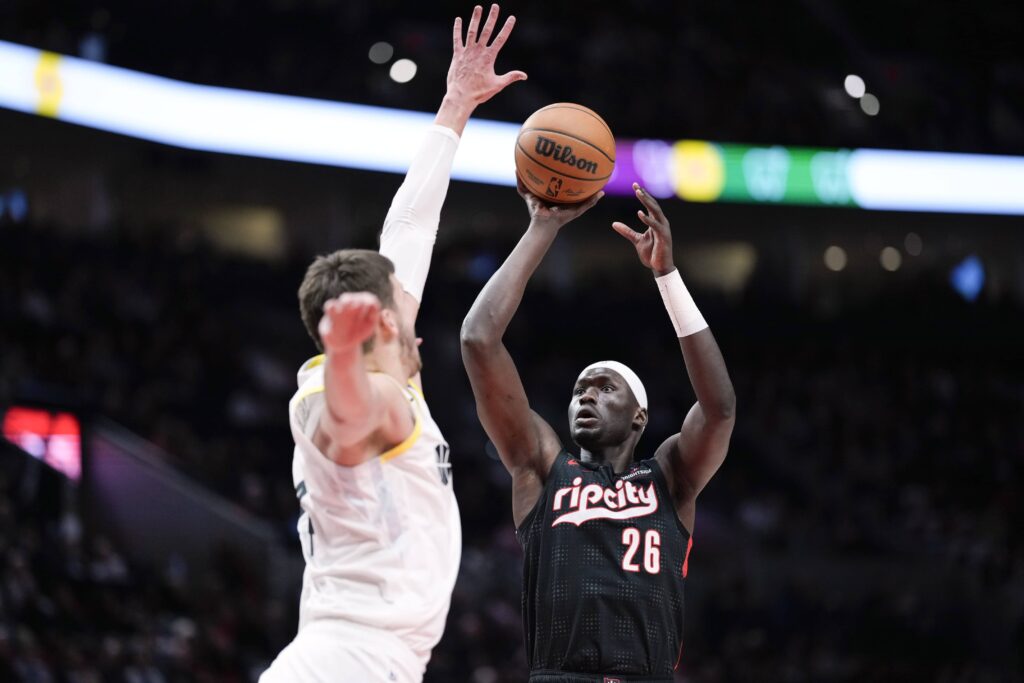
Duop Reath is the pure “Celtics front office sicko” target. A cheap stretch big who can hit threes, doesn’t demand touches, and gives you lineup flexibility. And yes, he’s another name that’s been explicitly framed as a Celtics-friendly trade target in deadline coverage. That’s not random. That’s a direct nod to how the Celtics build the back end of a playoff roster.
His counting stats are small because his minutes are small, but the skill is clear. This season he’s around 3.0 points and 1.1 rebounds in under eight minutes a night. The hook is the shooting, he’s hitting 43.4% from three this season. If you’re the Celtics, you don’t care about 3.0 points. You care that if he plays 10 to 14 minutes in a matchup, the other team’s center can’t just camp in the paint.
The context matters too. The Blazers have been balancing their own roster priorities and rotations, and Reath has been used sparingly. That makes him the classic “available because he’s not central” deadline piece. Contenders love that, because you can get the player without paying the “this guy is part of our core” premium.
For Celtics basketball, Reath is a scheme enabler. He lets you play five-out concepts with a real big body, and he can function as the trailing shooter in early offense. He also keeps the Celtics from overloading the same handful of bigs in the regular season grind. Some nights you just need a guy who can stand in the corner above the break, take the open shot, and not get roasted defensively every trip. Reath is not a stopper, but he’s not a total disaster either, and the Celtics tend to protect players like this with smart help.
Contract-wise, it’s basically nothing. Reath is at about $2.2 million in 2025-26. That’s why this is realistic. The Celtics can grab a skill without triggering a payroll earthquake.
If the Celtics want a cheap, clean, very Celtics-y piece, Reath is absolutely on the shortlist.
9. Andre Drummond
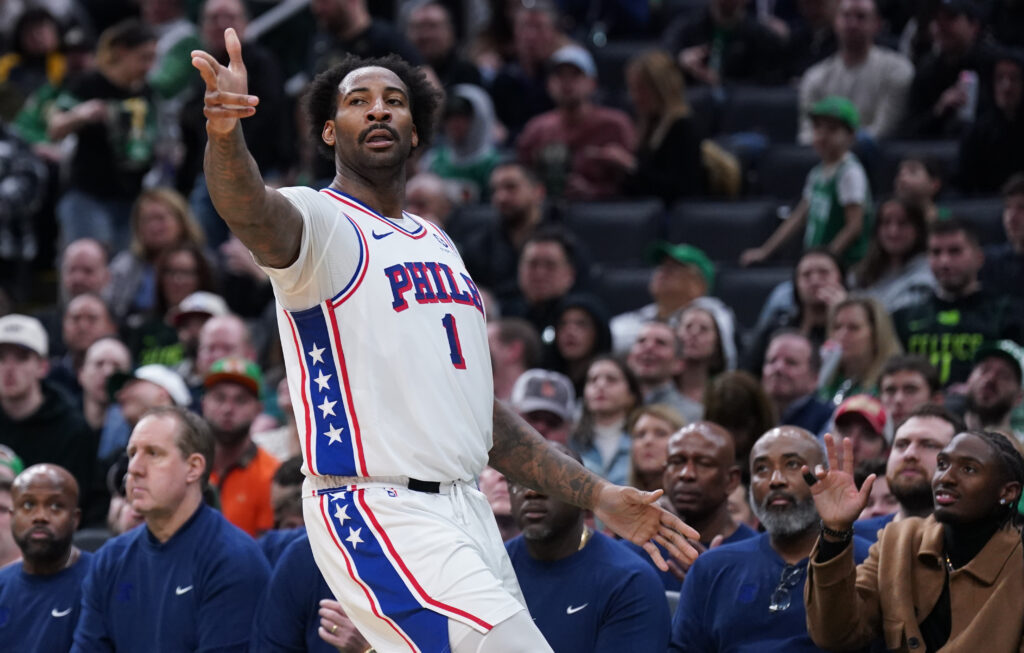
This is the “we want to win the possession battle” option. Andre Drummond is still one of the most violent rebounders in the league, and the Celtics could absolutely talk themselves into 10 to 15 minutes of pure glass control in the right playoff matchup. This season he’s at 7.0 points, 8.8 rebounds, and 0.9 blocks in 20 minutes, and he’s shooting 50.3% from the field. That’s exactly what you think it is, dump-offs, putbacks, rebounds, and some rim protection.
The reporting angle is also pretty clean. ESPN’s deadline watch framing basically pointed out that if the 76ers were struggling, Drummond could have been one of the expiring names to monitor, but their season has been stable enough that the urgency is lower. That doesn’t mean he’s untouchable, it means the price might be more about tax math and roster flexibility than desperation. There’s also been questions about his future and how the 76ers might handle his expiring money. For a team like the Celtics, that’s exactly when you call, because you’re not bidding against chaos, you’re bidding against spreadsheets.
Fit-wise, Drummond is not a perfect Celtics big. He doesn’t stretch the floor, and he can clog spacing if you pair him with the wrong lineups. But if you keep it simple, defend, rebound, run, he can give you something the Celtics don’t always have, which is a center who can just swallow rebounds and end possessions. There are playoff games where that matters more than aesthetics. And if the Celtics want a change-up big to survive bruising matchups, he’s basically built for that job.
Contract-wise, Drummond is at $5 million in 2025-26. That’s the reason this stays in “realistic” territory.
This is not the move you make to look smart on social media. It’s the move you make because you’re tired of losing second-chance points in games that feel like fist fights.
10. Walker Kessler
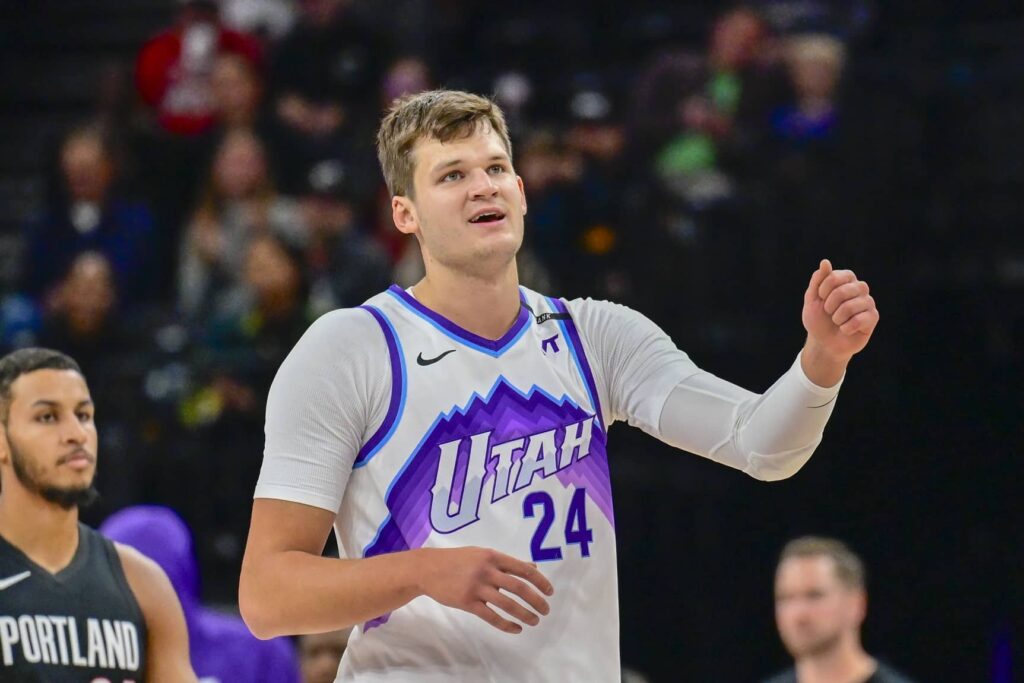
Walker Kessler is the most talented pure rim protector on this list, and he’s also the weirdest deadline case because of the injury bomb. He suffered a torn labrum and is out for the season. That immediately changes the conversation. You’re not trading for “help right now,” you’re trading for “help later,” and you’re trying to buy low because the other team might not want to pay full freight while he’s unavailable.
When he played this season, he was putting up big numbers, 14.4 points, 10.8 rebounds, 1.8 blocks, plus 3.0 assists in those early games before the injury. That’s why teams keep dreaming. He’s a real center with real size, real rim protection, and enough touch to not be a total zero on offense. Even his broader profile is strong, he’s been a high-level shot blocker across his career.
Now the rumor side. There’s been reporting that teams have registered interest in Kessler, and that the Jazz have shown no signs they actually want to move him, especially with his restricted free agency coming. That tells you the baseline, the Celtics would need to come with a real offer, and even then, the Jazz can just say no because they don’t have to rush.
So why list him anyway. Because the Celtics are one of the few teams that can justify a “future big” trade if they believe their window is multi-year and they want a long-term defensive anchor in the middle. Kessler is that type. The only thing that makes it even remotely realistic is that injuries and contract timing can create weird leverage points.
Contract-wise, Kessler is at about $4.9 million in 2025-26. He’s going to the restricted free agency market, as his value could round the $20 million mark, and that’s exactly why the Jazz can demand a lot in picks or young players.
If the Celtics want the bold, forward-looking swing, Kessler is the one. But it’s a gamble, and it’s a gamble that won’t help them the minute they trade for him.