The NBA trade deadline is done, and the biggest “soap opera” names stayed put. The Bucks did not move Giannis Antetokounmpo, and the Grizzlies did not move Ja Morant, even after weeks of noise around both situations.
But the deadline still mattered. A lot of teams made real rotation trades, and those deals are where this part of the season changes fast. A player can go from a tight role to a clean lane for minutes. A player can go from being asked to do too much to being asked to do one job really well. And sometimes the new team simply fits the skill set better, which is the whole point.
Here are six players who could look better right away after changing teams at the deadline.
Jared McCain
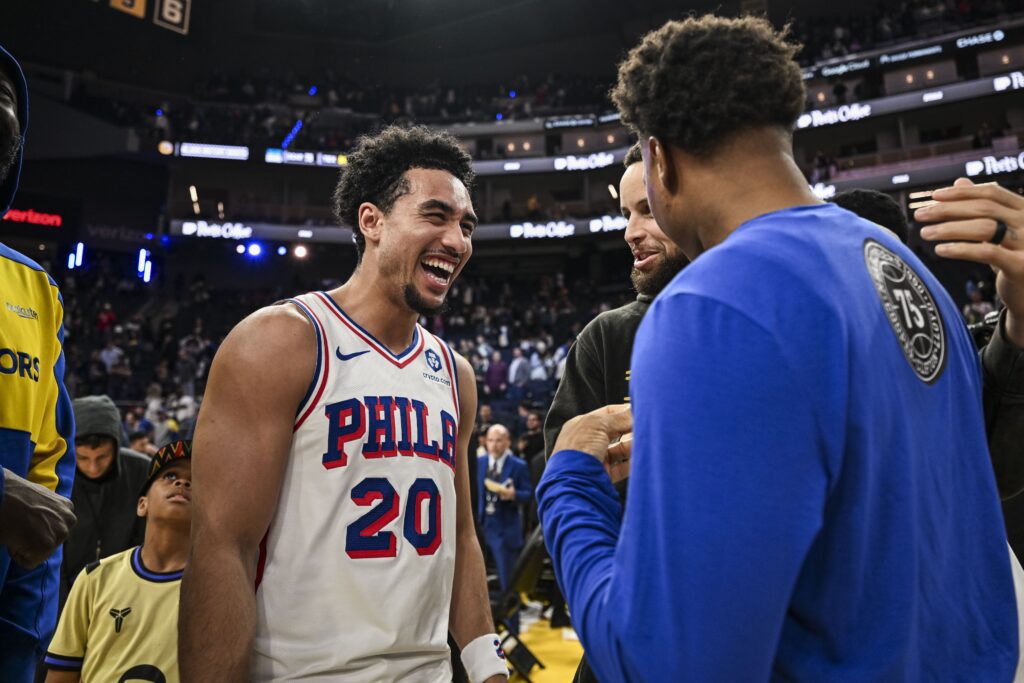
Jared McCain’s trade is the classic “good player, wrong timeline” move. The 76ers sent him to the Thunder for a package of draft picks, including a 2026 first-round pick and three second-round picks. The Thunder didn’t do it to save their season. They did it because they have the record, the depth, and the long-term plan to add another young guard needing a shot while Shai Gilgeous-Alexander remains sidelined.
McCain’s 2025-26 season in the 76ers’ rotation was smaller than his rookie year. He averaged 6.6 points, 2.0 rebounds, and 1.7 assists this season, with his minutes swinging based on lineup needs and availability. Last season, before the knee injury that cut it short, he averaged 15.3 points, 2.6 assists, and 2.4 rebounds in 23 games, and he looked like a real scoring guard and Rookie of the Year frontrunner.
The Thunder fit is clean because they do not need him to be a lead guard on Day 1. They play with structure, they defend, and they have enough ball-handlers that McCain can live in his best role: space the floor, attack closeouts, and score in short bursts against second units. Even when he is not running the offense, he can still be useful because he is comfortable shooting off the catch and off movement, which is exactly how the Thunder generates shots.
This also helps his development. The Thunder can keep him on the court with defensive guards, which covers for the parts of his game that are still growing. And when injuries hit or the schedule gets heavy, a young guard who can make shots becomes important fast. He is not going to have the usage he had last year, but he could be more efficient and more stable, because the job will be simpler and the team context is stronger.
Jonathan Kuminga
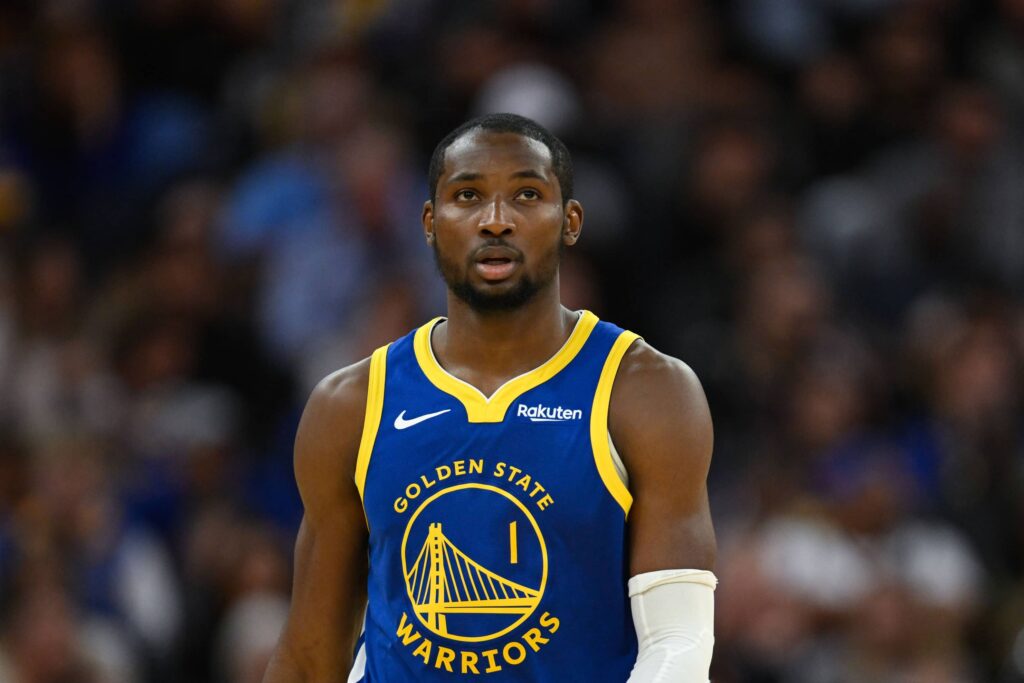
The second you saw the headline, let’s be honest: this was the first name that came to mind. Jonathan Kuminga needed a clean restart, and he finally got it. The Warriors traded Kuminga and Buddy Hield to the Hawks for Kristaps Porzingis. The basketball part is obvious: the Warriors wanted a new frontcourt piece. The personal part matters too: Kuminga’s role in the Warriors’ rotation never fully settled, and the last stretch felt like a player and team pulling in different directions.
Kuminga’s 2025-26 numbers were still solid in limited runway. He averaged 12.1 points, 5.9 rebounds, and 2.5 assists, and he started 13 of his 20 games. Last season, when he had a bigger role, he averaged 15.3 points, 4.6 rebounds, and 2.2 assists in 47 games. The production has never been the question. The question has been where he fits, and how much freedom he gets to play through mistakes.
The Hawks are a better setup for that. They need athletic scoring and downhill pressure on the wing next to Jalen Johnson, and they can give Kuminga more chances to be the attacker instead of the finisher. That matters because his best skill is putting pressure on the rim. He’s at his best when he gets a mismatch, gets a step, and forces help. In the Warriors’ offense, that role can shrink when the system is heavy and minutes are tight. On the Hawks, the path to 30 minutes is more realistic if he defends and rebounds.
The other piece is confidence. Players like Kuminga tend to pop when they feel like they can play a full game without getting yanked after one mistake. If the Hawks give him consistent minutes and let him build rhythm, his scoring should climb back toward last season’s level. And if he becomes a reliable defender on top of that, he stops being “talent” and becomes “impact,” which is the whole point of this move.
Keon Ellis
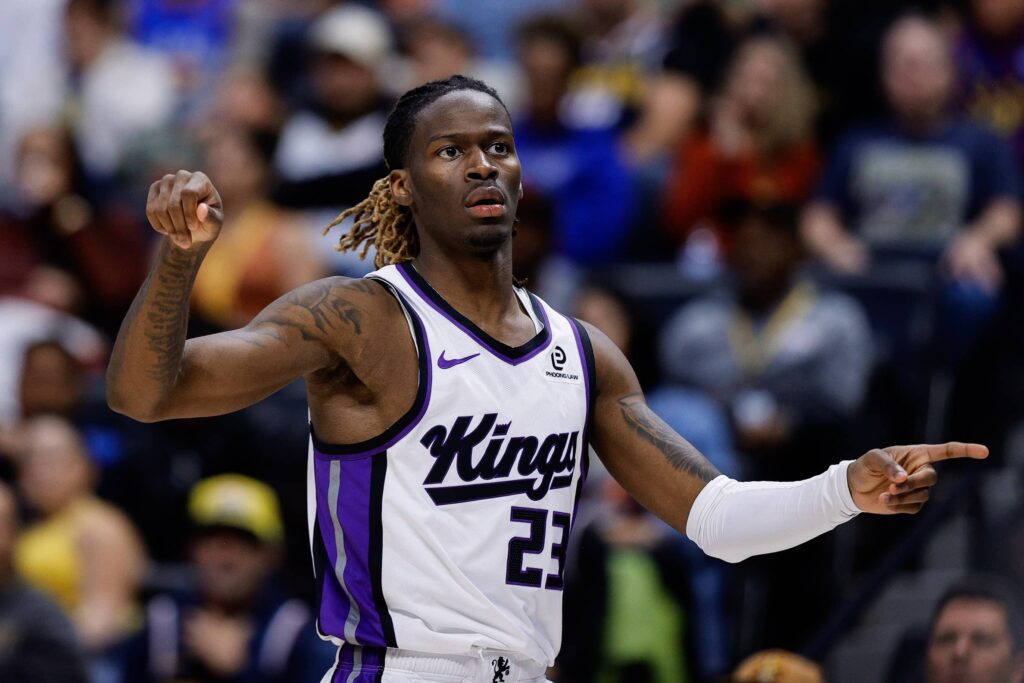
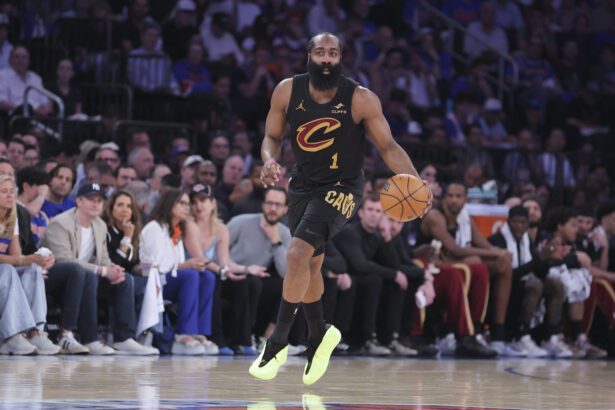
Keon Ellis is the kind of deadline add that looks small until you watch playoff basketball. The Cavaliers picked him up in the deal that sent De’Andre Hunter to the Kings, with Dennis Schroder and Ellis going to the Cavaliers in the same transaction. The basic idea is simple: the Cavaliers wanted more perimeter defense and more guard options without overloading their offense.
Ellis’ role had already started to slip with the Kings this season. His 2025-26 averages are 5.6 points, 1.3 rebounds, and 0.6 assists on 39.7% from the field, which reflects a smaller role and fewer on-ball chances. Last season is the important comparison point. In 2024-25, Ellis played real minutes and produced: 8.3 points, 2.7 rebounds, 1.5 steals, and double the minutes per night in 80 games, while shooting 43.3% from three. That is a different level of usefulness.
The Cavaliers can bring that version back because their need is clearer than the Kings’ need. In Cleveland, Ellis does not have to create shots. He has to defend guards, chase shooters, pressure the ball, and hit open threes. That is exactly where he has been at his best. The Cavaliers already have their primary creators. What they need in the playoff minutes is a guard who can stay on the floor without being attacked every trip.
There is also an opportunity factor. The Cavaliers’ backcourt can get thin quickly when injuries hit or when a matchup demands more defense than offense, especially now with James Harden on board. Ellis has a real shot to be more than “end of bench,” because he offers a skill the Cavaliers don’t have in bulk: a low-usage guard who plays hard defense and can still knock down a corner three. If he gets to 20 minutes a night again (24.4 MPG last season), his impact will show up even if the scoring stays modest.
Cole Anthony
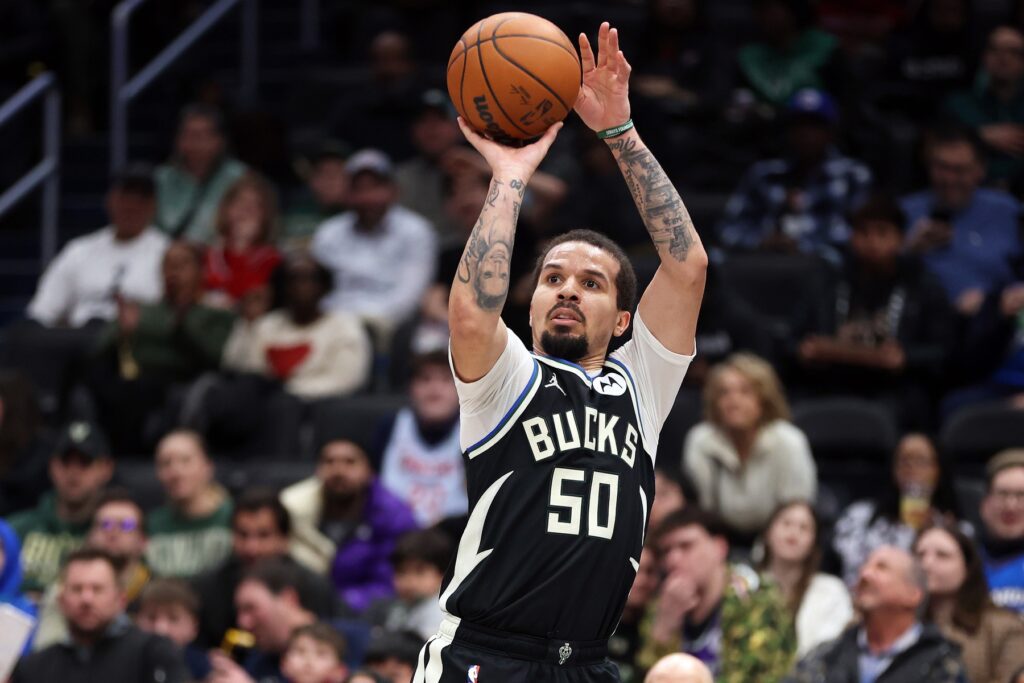
Cole Anthony is one of the sneaky deadline names because the fit is so obvious once you look at the Suns’ roster. The deal sent Anthony to the Suns in a swap that also moved Nick Richards to the Bucks.
Anthony’s 2025-26 season line is modest: 6.7 points, 2.5 rebounds, and 3.5 assists. Last season, in a bigger bench role with the Magic, he averaged 9.4 points, 3.0 rebounds, and 2.9 assists in 67 games. So the story isn’t that he forgot how to play. The story is that his role shrank behind Ryan Rollins’ breakout, and his job became inconsistent.
The Suns can offer him something he hasn’t had much of this season: a clear path to being a real point guard option next to Devin Booker. Booker has to handle a lot of creation, and the Suns have been thin in true table-setters behind him. Anthony is not a pure “set-up” guard, but he is a real handler who can get into the paint, make a simple kick-out pass, and keep the offense from stalling when Booker sits.
The other reason this matters is tempo. The Suns can get slow and predictable when the game turns into a half-court grind. Anthony plays faster. He pushes after misses, he looks for early shots, and he can create a decent attempt late in the clock. That matters in the regular season, and it matters even more when the Suns get to playoff matchups where opponents load up on Booker’s touches.
If Anthony gets 18 to 22 minutes consistently, his numbers will rise, but the bigger value is that he can stabilize the non-Booker stretches. That’s how “small” deadline guards end up being playoff-rotation players.
Rob Dillingham
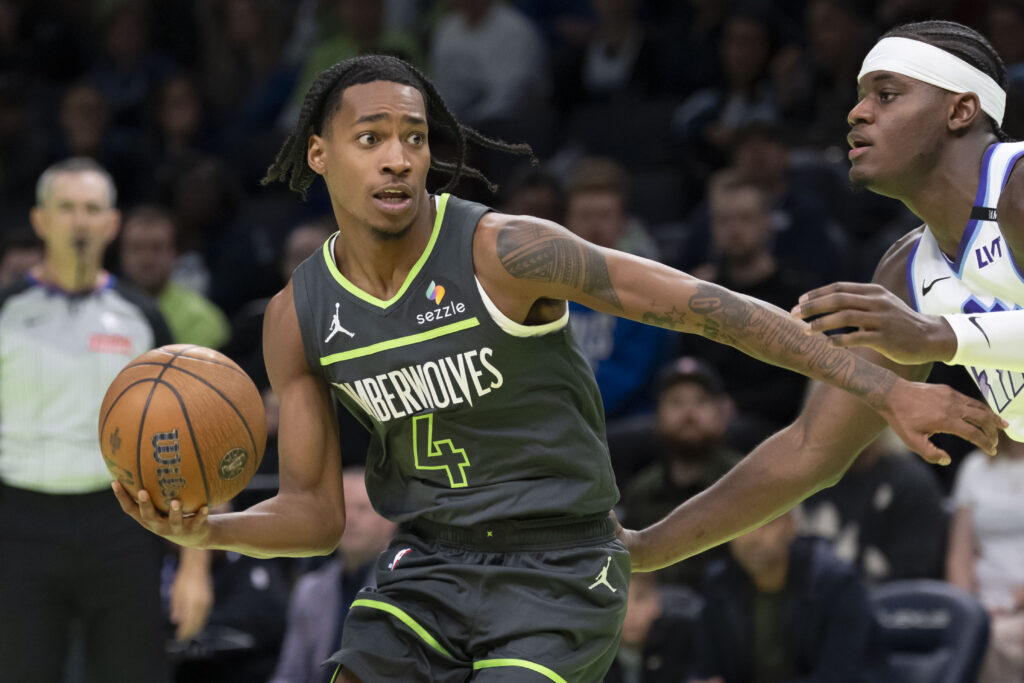
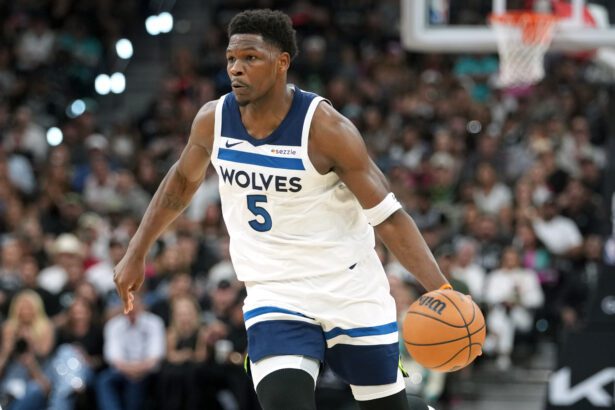
Rob Dillingham’s deadline move was about opportunity. The Timberwolves traded him to the Bulls in the deal for Ayo Dosunmu, and truth is, Dillingham had been used lightly in the Timberwolves rotation. That’s the key. The Wolves were trying to win now. Dillingham is a young guard who needs reps.
His 2025-26 production reflects that limited role: 3.5 points, 1.2 rebounds, and 1.7 assists, with shaky efficiency. Last season, as a rookie, he averaged 4.5 points and 2.0 assists in 49 games, mostly in short minutes. So this is not a player who has had long stretches to find rhythm yet.
The Bulls can give him that runway. They are not locked into one guard rotation, and they have more reasons to evaluate young guards than a contender does. Dillingham’s best case is straightforward: he becomes a second-unit scorer who can run pick-and-roll, hit pull-up threes, and put pressure on the rim with speed. That skill matters even if the defense is still behind.
This is also where a change of team can actually help a player mentally. In Minnesota, every missed shot could feel like a threat to minutes. On the Bulls, the job can be “learn through it,” which is how young guards usually develop. If he gets steady minutes for a month, you should expect the efficiency to improve simply because the shots will become more predictable and the pace of the game will slow down for him.
Jaden Ivey
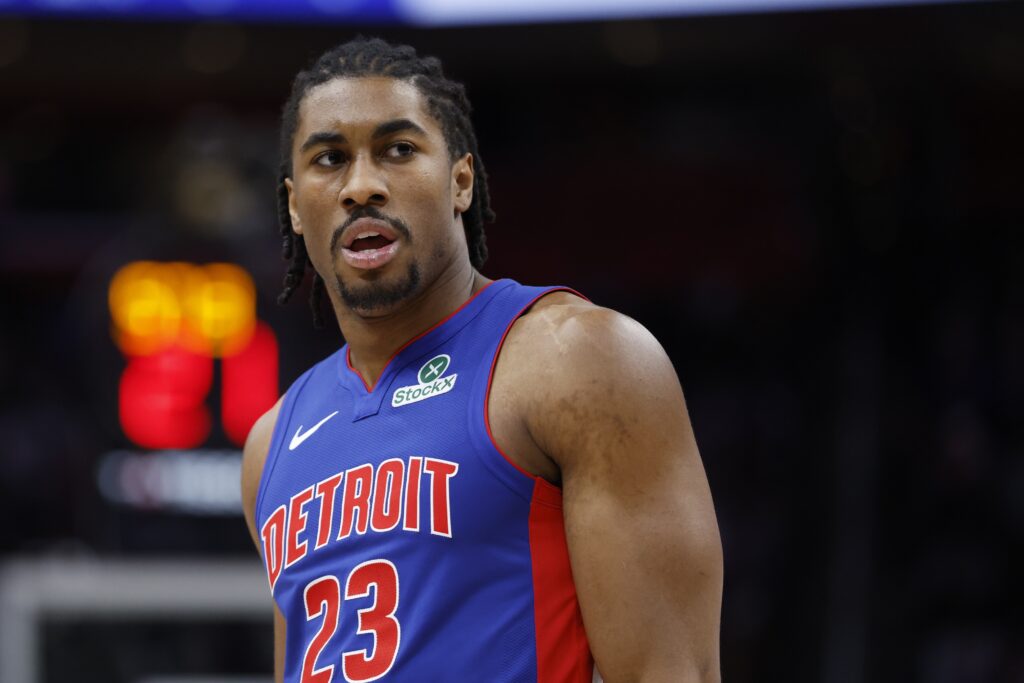
Jaden Ivey is the biggest “fresh role” bet in this group. The Bulls acquired Ivey in the three-team trade that also moved Mike Conley, with Kevin Huerter and Dario Saric going the other direction. For the Bulls, the goal is clear: add athletic shot creation to a guard group that needed more juice.
Ivey’s 2025-26 season has been disappointing on the surface. He is at 8.2 points per game in 33 games. But the reason the Bulls should feel good is the recent proof. Last season, Ivey was genuinely productive: 17.6 points, 4.1 rebounds, and 4.0 assists in 30 games, with 40.9% from three. That’s not a “maybe” player. That’s a player who can swing games when he is given a real role.
The Bulls can offer him that role fast. Their own guard rotation is wide open, with multiple options next to Josh Giddey, and Ivey is the one guard in the group who can get downhill consistently, and probably start again right away. If he does start, the fit is simple: Giddey organizes, Ivey attacks. If he comes off the bench, he becomes the lead creator for the second unit, which is also a clean job.
This is also an extension year pressure point. Ivey needs to show he can be a reliable piece, not just a highlight player. A steady role with the Bulls gives him the best chance to do that, because the team needs his exact skill. If the minutes climb back into the high 20s and the usage comes with it, he has a real chance to look like last season again, and that changes both his value and the Bulls’ ceiling.