The deadline doesn’t end roster movement. It just changes the type of moves. After teams finish trading, they start clearing spots, cutting fringe contracts, and working the buyout market for specific roles.
Cam Thomas is the biggest name to hit waivers, but we already covered his best potential destinations and why teams are interested in him. Thomas was waived by the Nets after the deadline, and he’s posted 15.6 points and 3.1 assists in 24 games while missing time with a hamstring injury.
The other waiver story that matters is Mike Conley. ESPN’s Shams Charania reported Conley plans to rejoin the Timberwolves after he clears waivers, following a sequence of trades and a release that opened the door for a return. This is exactly how the post-deadline market works: teams look for a clean roster fit, and veterans look for minutes and a stable role on a playoff team.
Now we’ll go through ten players who were waived or reached buyouts around the deadline, and what their situations mean for the rest of the season.
Lonzo Ball
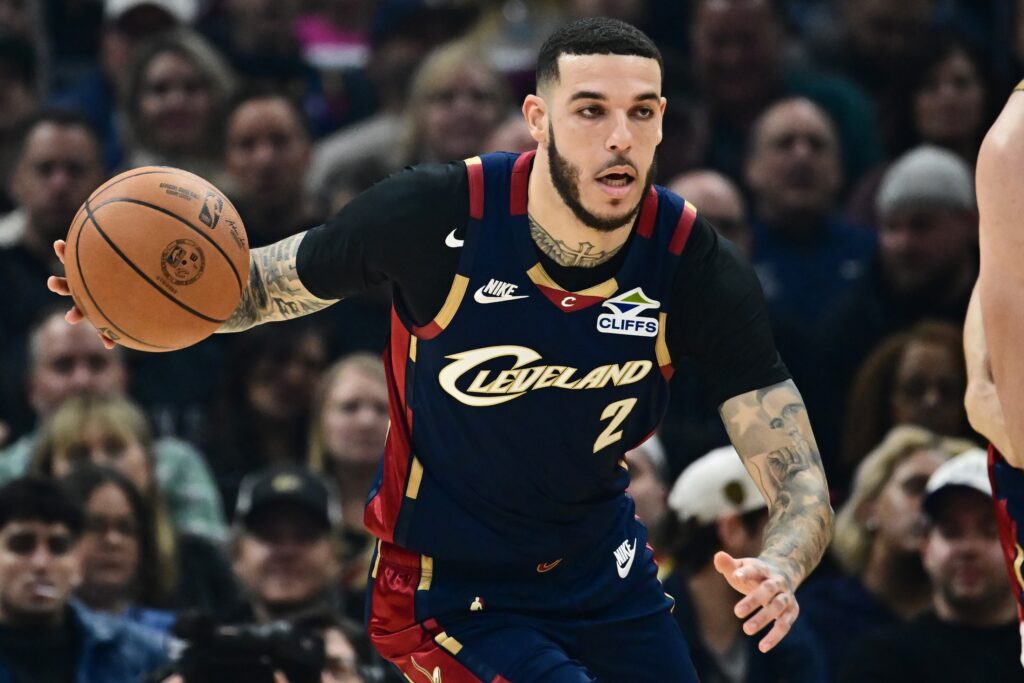
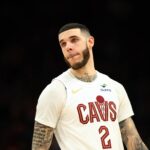
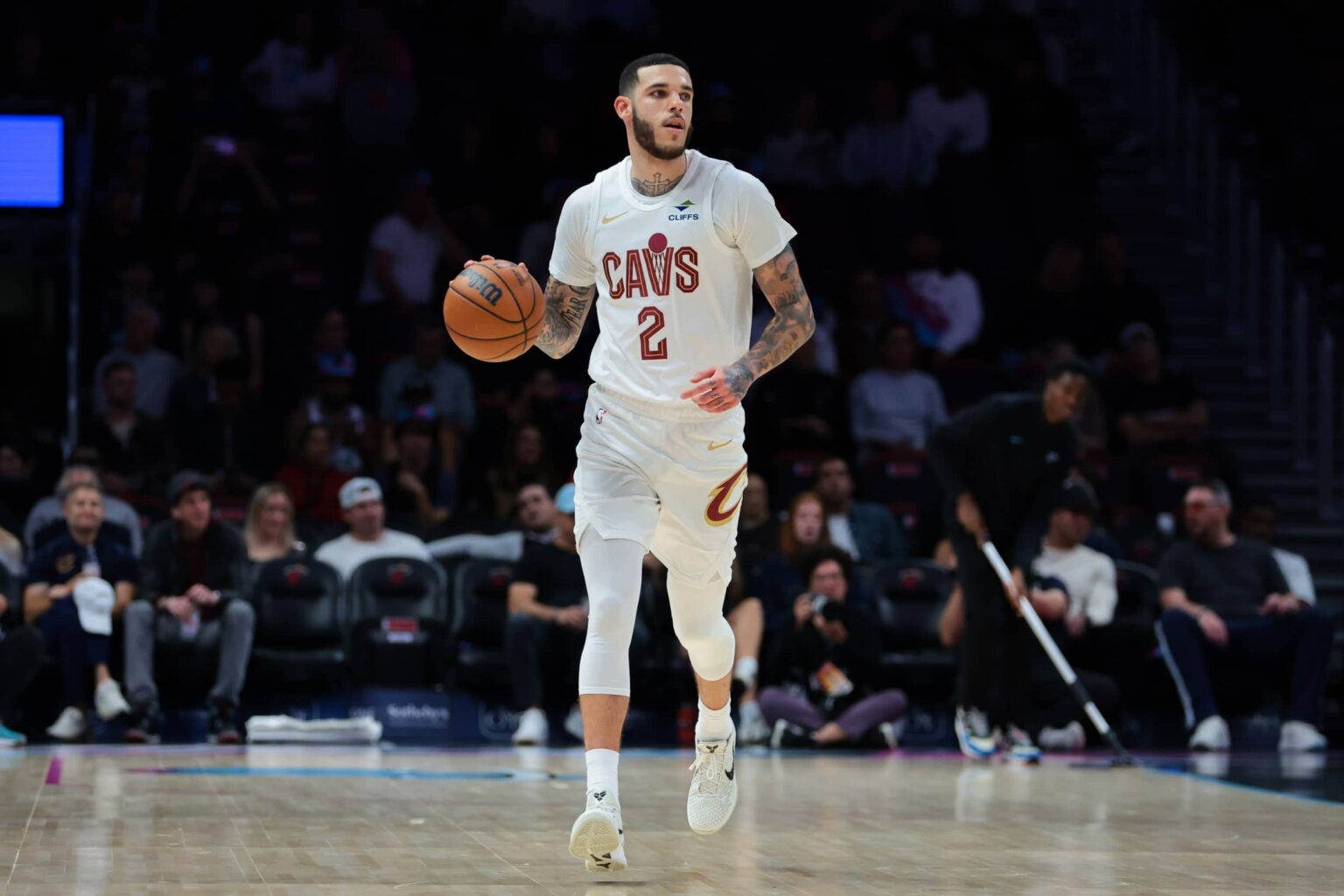
The Lonzo Ball situation is still a step away from the part everyone cares about. He got traded to the Jazz from the Cavaliers, but the next move is the one that matters: Shams Charania said the Jazz are expected to waive him, which would finally put him on the open market.
The on-court case is messy. Ball’s 2025-26 production has been a career low at 4.6 points, 4.0 rebounds, and 3.9 assists, and the shooting has been rough (30.1% from the field, 27.2% from three). So any team that signs him is not buying “starter Lonzo.” They’re buying a lower-usage guard who can help organize possessions, defend when healthy, and keep the ball moving without hijacking touches.
That’s why his cleanest fits are about role clarity. With the Hornets, LaMelo Ball is the engine, but the guard rotation still needs someone who can take hard defensive assignments and let LaMelo conserve energy for creation. Lonzo’s best value there is being a stabilizer and a matchup piece next to a high-usage star.
With the Lakers, or even the Warriors, the appeal is different. It’s not about upside, it’s about a simple redemption swing: a bigger team that needs another handler who won’t force shots, and can help keep the offense functional in non-star minutes.
If the Jazz follow through on the waiver expectation, Lonzo’s market will be about medical confidence and whether a team can live with the shooting in exchange for everything else.
Chris Paul
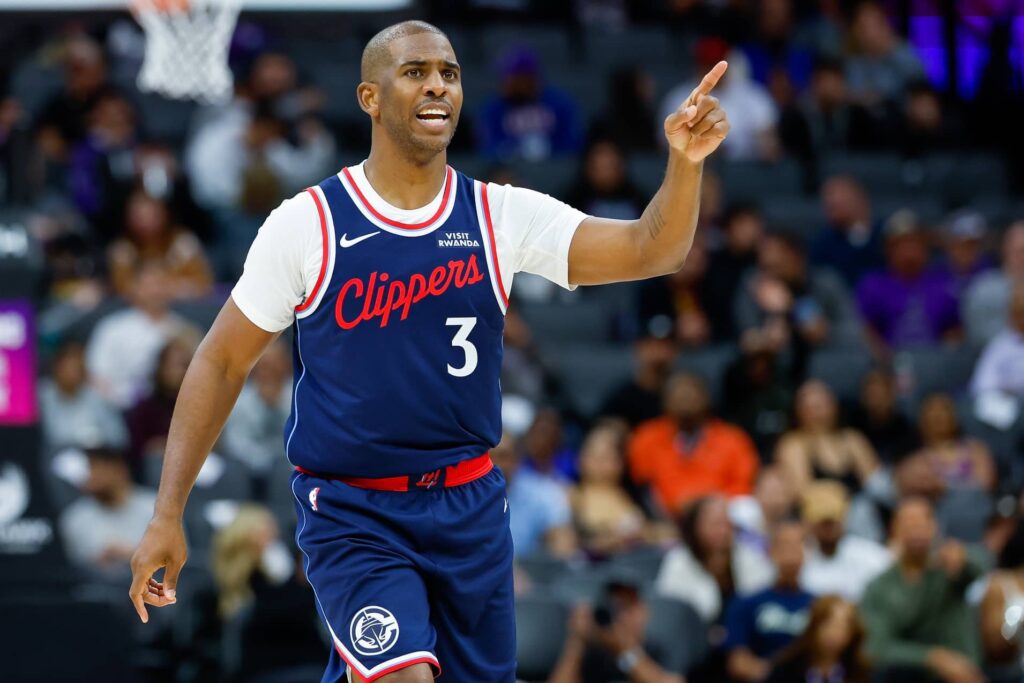
This is less about a new home as a free agent, and more about “can he get another team to trust him?” Chris Paul was traded to the Raptors in the three-team deal, and ESPN’s Shams Charania reported the Raptors will not require Paul to report, with a buyout viewed as the likely next step. He has been out since early December, which is why the league is treating this as an end-of-run situation.
The season numbers match that reality. Paul’s 2025-26 line is 2.9 points, 3.3 assists, and 1.8 rebounds in 14.3 minutes, shooting 32.1% overall. Teams aren’t adding him for scoring. They’re adding him for five-to-12-minute bursts of order: get into sets, avoid bad turnovers, and keep bench groups from playing frantic basketball.
The Clippers fallout caused a lot of damage. Paul hasn’t been an active part of the Clippers for months. On December 3, 2025, ESPN reported the Clippers sent him home from a road trip and confirmed he was no longer part of the team.
If he hits free agency, two destinations make straightforward sense. The Lakers are an obvious “limited, controlled role” team: they’ve needed guard organization all season, and Paul’s value is structure, not volume. The Spurs are the other clean one if they want a veteran caretaker for young lineups, because Paul can still control tempo even if he can’t bend defenses anymore.
Pat Connaughton
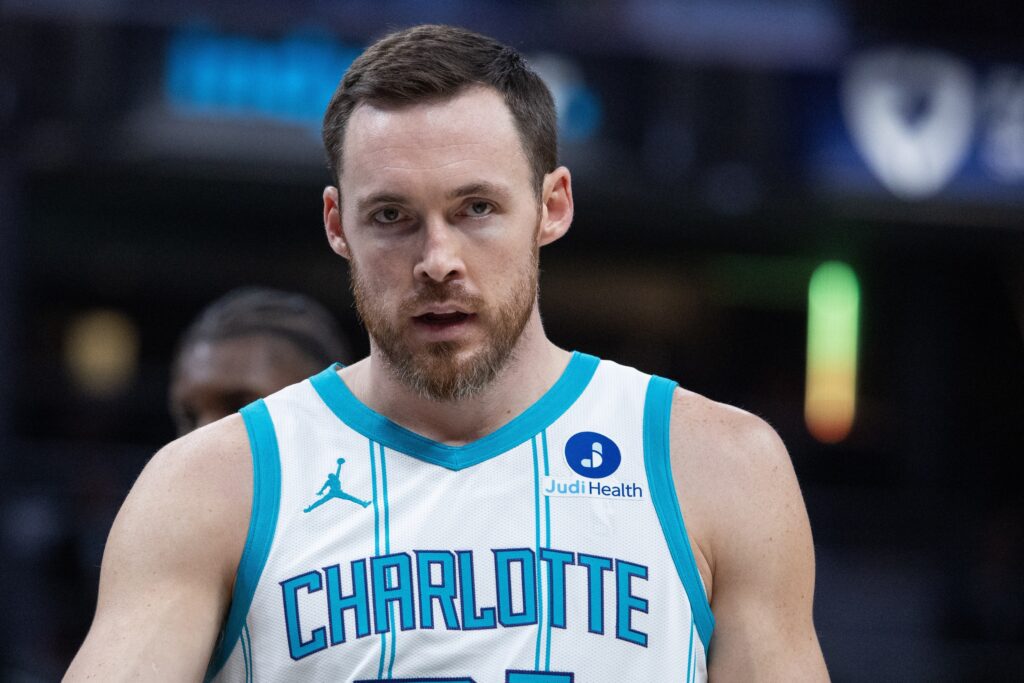
Not every deadline cut is a surprise. Pat Connaughton’s waiver was mostly roster math after the Hornets made moves and needed the spot, bringing in Coby White, Malaki Branham, Ousmane Dieng, and Xavier Tillman in several trades.
Connaughton’s role this season tells you what kind of market he’ll have. He appeared in 22 games, averaged 2.9 points and 1.4 rebounds in 7.0 minutes, and spent long stretches outside the rotation. That’s the profile of a depth wing, not a rotation lock. The team that signs him is signing one idea: a low-usage player who can make the extra pass, hit open threes when they come, and survive defensively in short stints.
His best pathway is with teams that already know exactly what they are and just need another body who won’t mess up the ecosystem. The Celtics fit is straightforward because they value wings who can space, rebound their spot, and play within a system. The Nuggets also make sense in the same way: they don’t need Connaughton to create; they need him to keep the floor spaced and do the small stuff while the stars handle the heavy lifting.
This isn’t a “chase 25 minutes” situation. It’s “earn 8–12 minutes when injuries hit,” and his market will reflect that.
Georges Niang
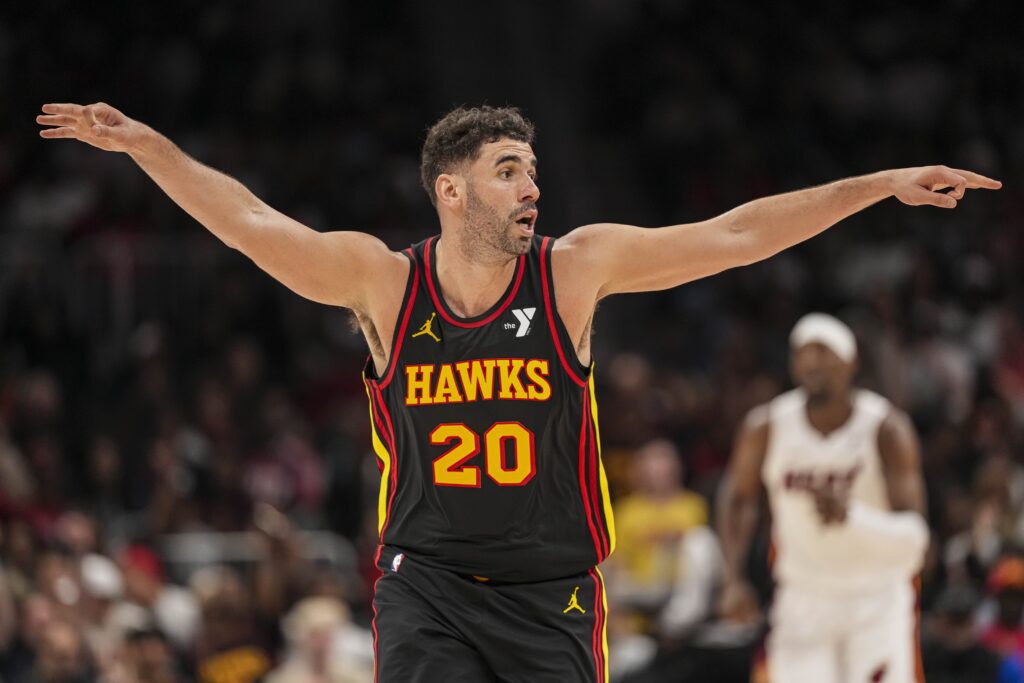
Georges Niang is on this list for reasons that have nothing to do with his play. He hasn’t appeared in a game all season after undergoing offseason foot surgery. He was included in the Jaren Jackson Jr. trade and landed with the Grizzlies, but they cut him soon after as a roster-management move to open a spot.
The main issue is health. Niang still does not have a clear timetable as he works back from surgery and a left-foot stress problem. Until there is a firm return date, it’s hard to seriously project his fit with any team, because everything depends on whether he can get back to full strength.
If he’s cleared, his archetype is stable: a forward who can space the floor, keep the ball moving, and play next to stars without demanding touches. That’s why teams built around paint pressure tend to make sense.
The Bucks are a natural match if they want another shooter to live off Giannis Antetokounmpo’s gravity. The Suns also fit the idea, because their half-court lineups often need another frontcourt spacer who can play simple, quick basketball.
Eric Gordon
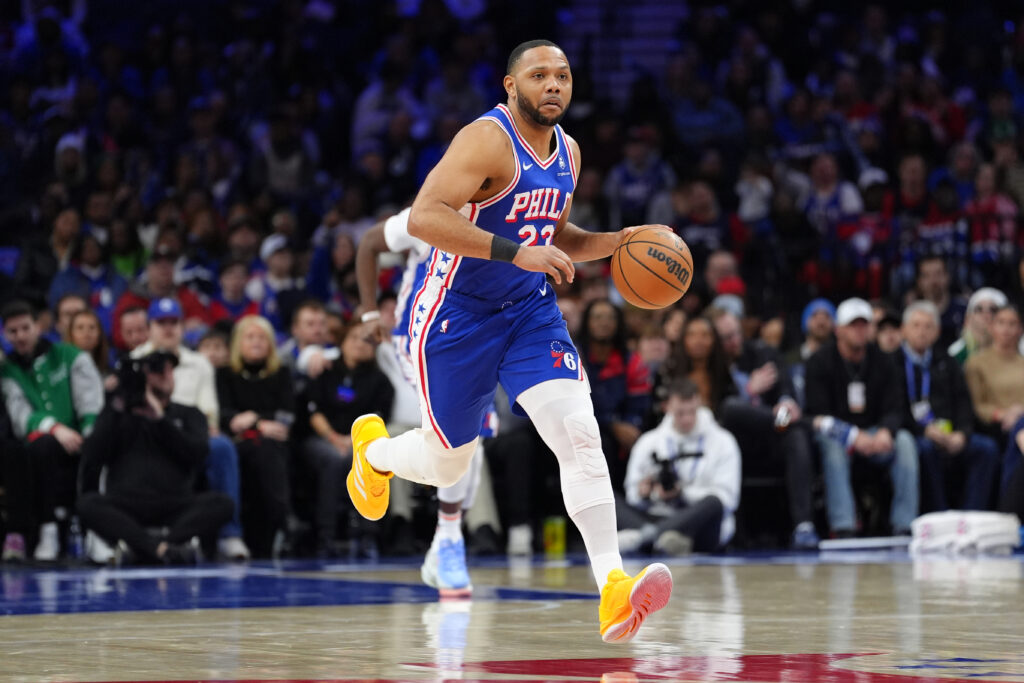
Eric Gordon’s week is the most “deadline mechanics” story on the list. He was traded from the 76ers to the Grizzlies in a cost-cutting move, and it was immediately clear the deal was more about the salary books than a new role. Then, soon after, the Grizzlies waived him, per Chris Haynes.
The season sample is tiny: Gordon played six games and averaged 5.5 points. At this point, teams know what he is. He’s a specialist who can still provide shooting gravity, make the right veteran pass, and survive in a narrow role. He’s not a defender you want in space for 30 minutes, and he’s not a creator you build units around.
That’s why the best fits are the teams with stars who just need someone to stand in the right place and hit shots. The Lakers make sense because they’ve chased extra shooting and adult decision-making on the perimeter. The Warriors also fit that same logic: their offense values spacing and quick triggers, and Gordon’s entire value is “don’t hesitate.”
If Gordon gets claimed, it’s probably by a team that wants a plug-and-play shooter for the stretch run. If he clears, he’ll be picking the best path to a small, defined role.
Haywood Highsmith
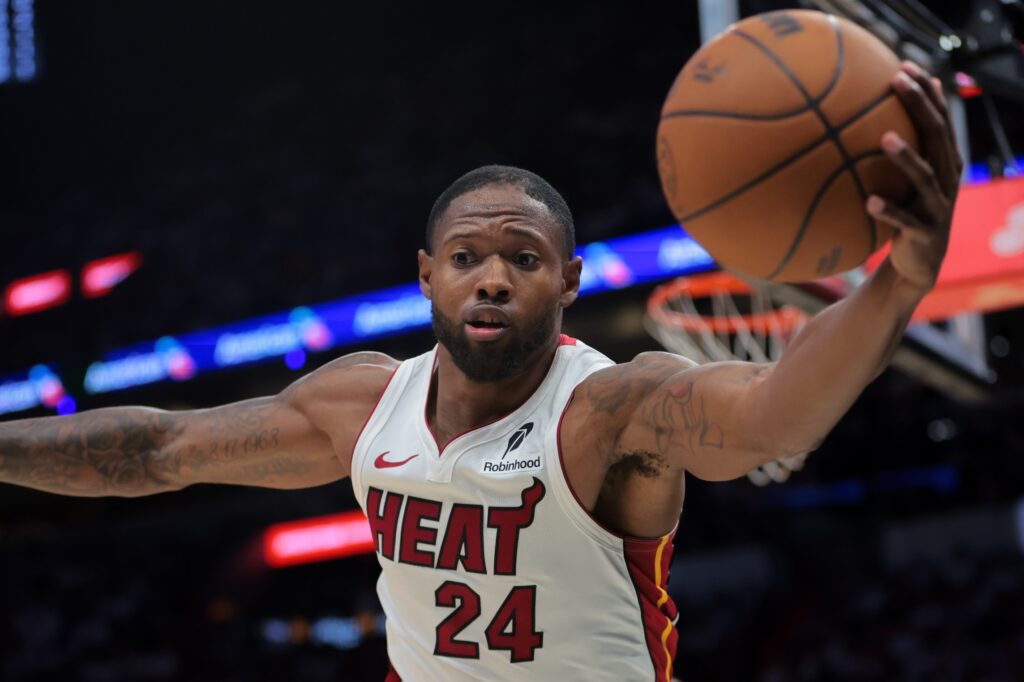
Haywood Highsmith is a different kind of waiver. This wasn’t about production. It was about availability and roster flexibility. The Nets waived him to clear space after deadline additions, and he hasn’t played this season after offseason meniscus surgery.
If teams eventually view him as a healthy option down the road, the appeal is simple: he’s a defense-first forward who can fill a very specific playoff need, the type of wing you trust to be low-maintenance.
Because he didn’t play in 2025-26 yet, the cleanest reference point is his recent role with the Heat, where he was used as a 3-and-D piece and played real minutes. That archetype is always in demand late in the year, because it travels to the postseason better than most bench skills.
Two fits that make sense if his knee checks out are teams that value defense and don’t need him to score. The Lakers have been linked as an interested team in that kind of profile, largely because they need more wing defense. The Thunder are the other clean option stylistically: they prioritize switchable defenders who don’t need touches.
This is a medical-driven market. If he’s cleared, he’ll have options quickly.
Chris Boucher
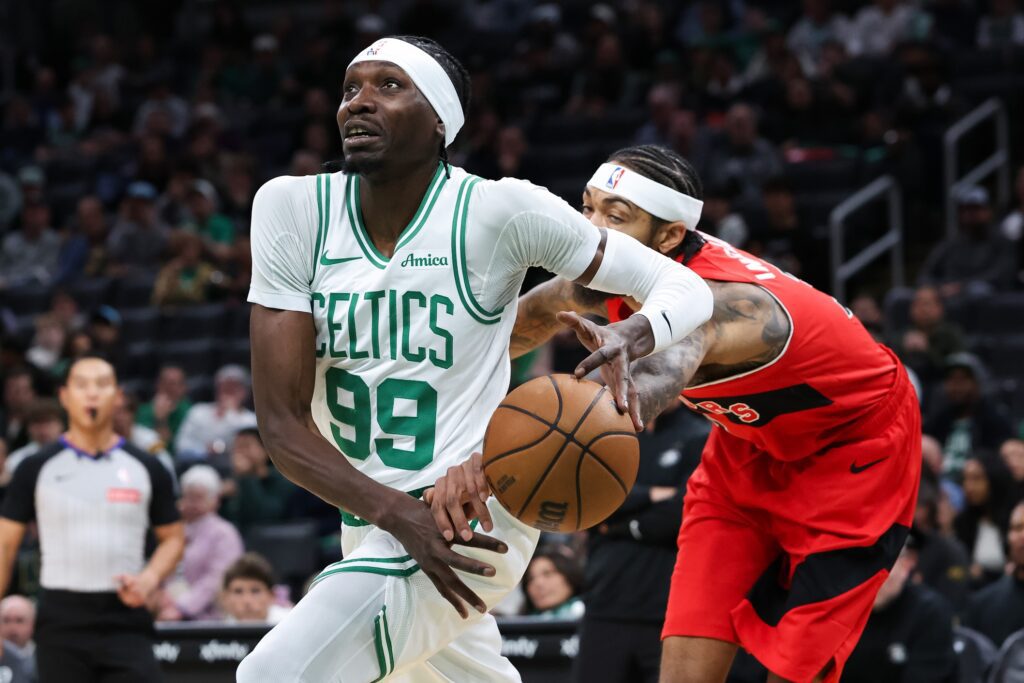
Chris Boucher is the type of midseason name contenders actually track, because his skill set solves a real problem in small doses. He was acquired by the Jazz from the Celtics, and Michael Scotto of Hoopshype said the Jazz planned to waive him.
His 2025-26 role with the Celtics has been minimal: 2.3 points and 2.0 rebounds this season, with poor shooting efficiency in that small sample. But that’s not why teams would sign him. They’d sign him because he can play as an energy big, protect the rim in short bursts, run the floor, and occasionally hit a corner three when the defense forgets him.
The best fits are teams that want a change-of-pace frontcourt piece rather than a starter. The Clippers have cycled through different big looks all season and could use another athletic option to juice bench minutes without Ivica Zubac. The Warriors also fit if they want a mobile big man who can provide rim activity without needing post touches after acquiring Kristaps Porzingis and moving Trayce Jackson-Davis.
Boucher isn’t a “solve everything” player. He’s a “give me 10 playable minutes” player. In February, that’s often enough to matter.
Isaac Jones
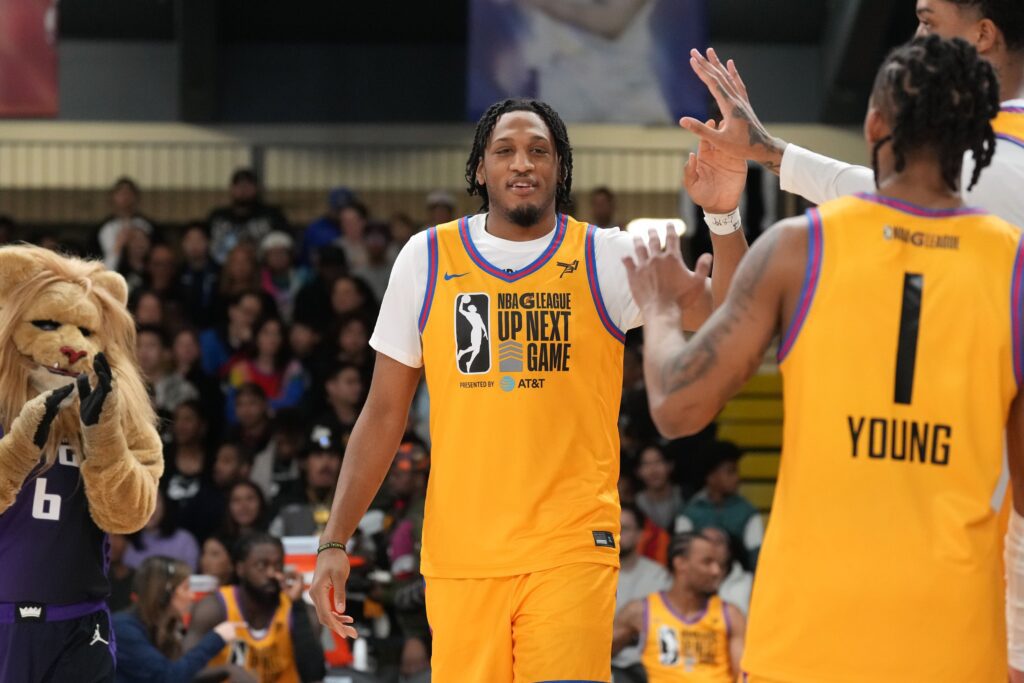
Isaac Jones is the developmental name in this group. The Pistons waived him after he spent most of the season with their G League affiliate, and the reporting from Spotrac made it clear this was a roster spot decision, not a verdict on his long-term value.
His NBA footprint is almost non-existent, but the G League production is real: 15.9 points, 8.1 rebounds, and 1.3 blocks in 26 games, shooting 55.7% from the field. That profile explains why he’ll keep getting looks. He plays like a modern depth big: energy, finishing, and enough defensive activity to be worth developing.
The most realistic next step is a team that can afford to use a roster spot as an evaluation lane. The Nuggets make sense because they’ve been comfortable cycling young bigs through minutes and development reps. The Hornets also fit the idea because they’ve churned the back end of the roster and could use more frontcourt depth with upside.
If Jones lands somewhere, it will likely be on a minimum deal where the team is buying the G League tape and hoping it translates into a usable backup over time.
Nigel Hayes-Davis
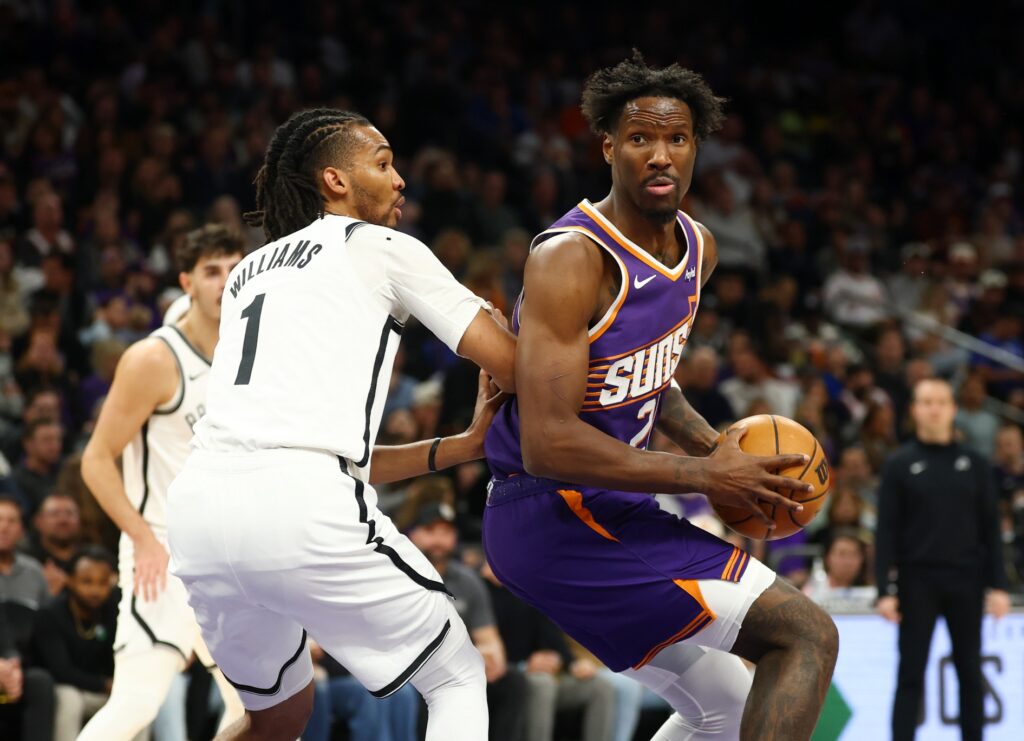
Nigel Hayes-Davis might be the only guy here whose next decision could be “NBA or Europe,” not just “which NBA team.” The Bucks waived him after acquiring him and Nick Richards for Cole Anthony, and his NBA production this season has been small, 1.3 points and 1.2 rebounds, which is why he’s not being framed as a must-have buyout addition.
But the overseas market is the real wrinkle. Hayes-Davis was a major EuroLeague player before this NBA return, and Sportando’s reporting has already started circling the situation, including specific noise around high-level interest and big-money possibilities. There has also been reporting tying Hapoel Tel Aviv’s interest into the conversation.
So the fit conversation splits in two directions. If he stays in the NBA, the path is narrow: he has to win minutes as a defense-first forward who can hit open threes and not make mistakes. That type of role could make sense with a team like the Heat, where the system often turns low-usage wings into playoff pieces, or the Raptors, who value size, defense, and quick decisions.
If he goes back to Europe, it’s because he can be a featured player again, not a 10th man, and the financial side can be stronger. Either way, his next choice is about role and leverage more than it is about reputation.
Matisse Thybulle
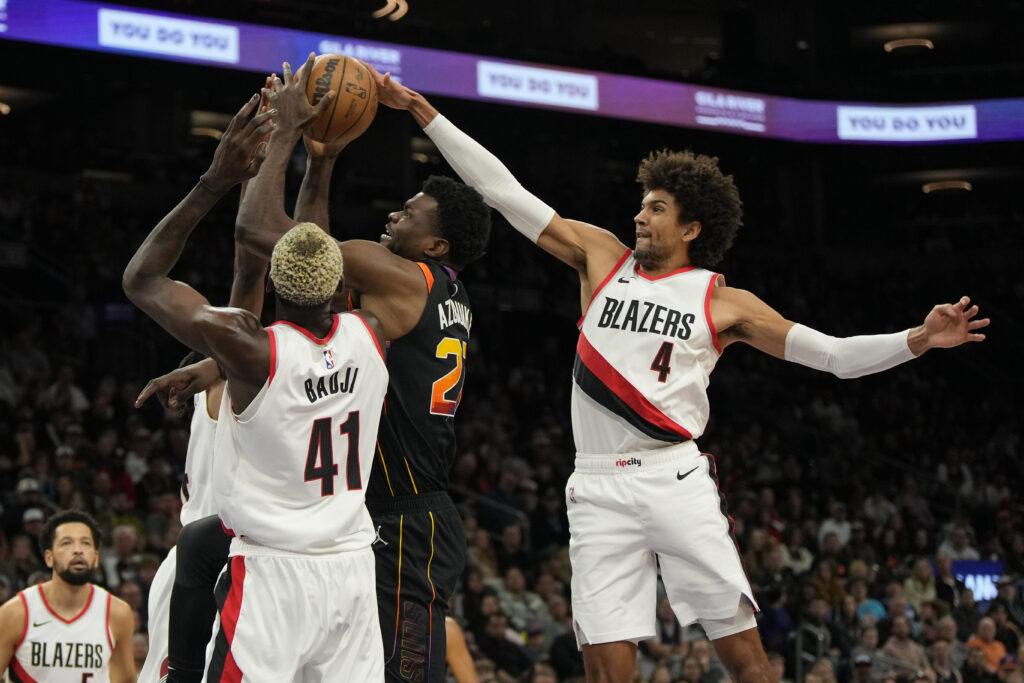
The Trail Blazers are one of the teams most likely to make a “roster spot” cut in the next few days, and Matisse Thybulle is the name that keeps coming up in that context. Brett Siegel reported that Thybulle is a buyout candidate and that the Trail Blazers want to open two roster spots, mainly to handle their two-way conversions and general flexibility. Rob Murrows went even further and said both sides are actively working on finalizing a buyout soon.
On the court, there isn’t much of a 2025-26 sample to evaluate because he’s barely played. Thybulle has appeared in four games and is averaging 5.0 points, 1.0 rebound, 0.8 assists, and 2.5 steals in 12.3 minutes, shooting 60.0% from the field. The bigger story is health. He had left thumb UCL surgery in late October and has also been dealing with right knee tendinopathy, and recent updates still frame him as without a clear return timetable.
If he hits the market, the appeal is simple: he’s still one of the better disruption defenders when he’s available, and he doesn’t need touches. The Heat make sense because they always value a defense-first wing who can pressure the ball and cover mistakes behind aggressive schemes. The Lakers are the other clean fit, mostly because they can use another perimeter defender who can guard up a position and keep lineups functional without requiring offense.