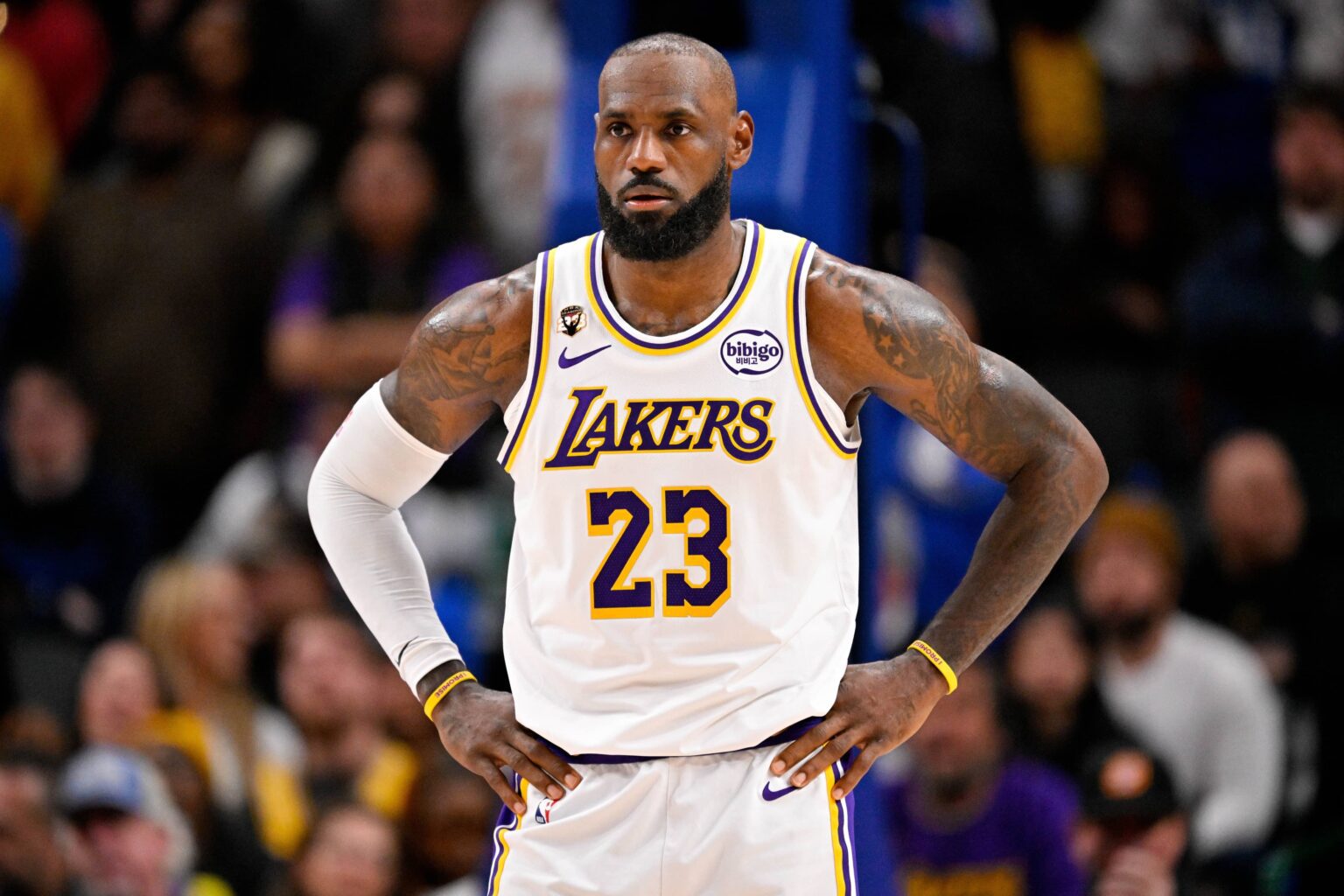
Former NBA forward Chandler Parsons recently weighed in on one of basketball’s most debated legacy conversations, naming his top five greatest small forwards in league history during a discussion on Run It Back TV with Michelle Beadle. Parsons’ list featured a blend of modern dominance and historic excellence:
1. LeBron James
2. Kevin Durant
3. Larry Bird
4. Kawhi Leonard
5. Scottie Pippen.
When Parsons included Bird at No. 3, Beadle challenged him directly.
“Do you feel societal pressure to add Larry Bird, or have you actually watched a lot of tape?” she asked.
Parsons did not hesitate.
“I’ve seen all his games,” he responded, shutting down any suggestion that Bird’s inclusion was rooted in nostalgia rather than evaluation.
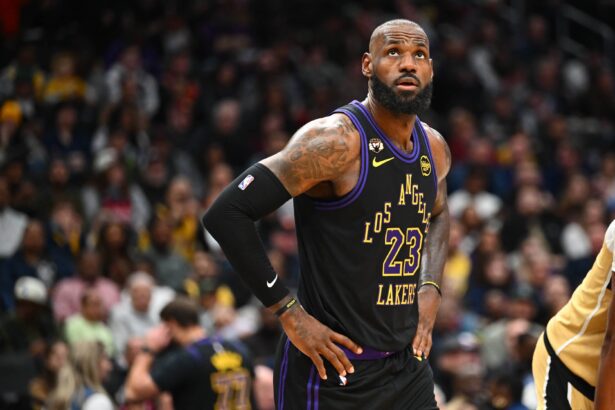
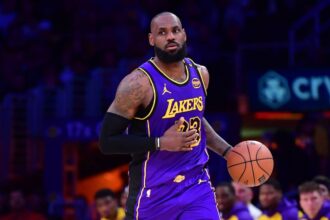
At the top of Parsons’ list sits LeBron James, widely regarded as the most complete small forward in NBA history. Entering the league in 2003 as the No. 1 overall pick out of high school, James immediately transformed the Cleveland Cavaliers and has since built one of the most decorated careers the sport has seen. A four-time NBA champion, four-time MVP, and four-time Finals MVP, James has also become the league’s all-time leading scorer while surpassing 43,000 career points.
Across more than two decades, he has averaged over 26.9 points, 7.5 rebounds, and 7.4 assists per game, combining longevity, versatility, and postseason dominance in a way unmatched at the position.
Kevin Durant follows at No. 2, representing one of the purest scorers in basketball history. Drafted second overall in 2007, Durant quickly established himself as an offensive force, winning Rookie of the Year and later capturing four scoring titles.
A two-time NBA champion and two-time Finals MVP, Durant also owns a league MVP award from the 2013-14 season. Standing nearly seven feet tall with guard skills, he has averaged 27.2 points, 6.9 rebounds, and 4.2 assists per game for his career while maintaining elite efficiency, redefining what perimeter scoring looks like at his size.
Larry Bird anchors the historical portion of the list at No. 3. Entering the league in 1979, Bird immediately revived the Boston Celtics franchise, winning Rookie of the Year and leading Boston to three championships during the 1980s. Bird captured three consecutive MVP awards from 1984 to 1986, a rare feat that underscores his peak dominance.
A 12-time All-Star and two-time Finals MVP, Bird averaged 24.3 points, 10.0 rebounds, and 6.3 assists for his career, blending shooting, playmaking, and competitiveness in a way that defined an era.
Kawhi Leonard slots in at No. 4, recognized for his two-way excellence. Drafted in 2011, Leonard developed from a defensive specialist into a primary offensive option. He has won two NBA championships and two Finals MVP awards with two different franchises, along with two Defensive Player of the Year honors.
Leonard has averaged 20.5 points, 6.4 rebounds, and 3.1 assists per game while guarding the opposing team’s best perimeter threat, making him one of the most complete playoff performers of the last decade.
Rounding out Parsons’ list is Scottie Pippen, the ultimate two-way wing of the 1990s. Drafted in 1987, Pippen became the backbone of the Chicago Bulls dynasty alongside Michael Jordan, winning six championships.
A seven-time All-Star and eight-time All-Defensive First Team selection, Pippen’s versatility allowed him to initiate offense, defend multiple positions, and impact games without dominating the ball. He averaged 16.1 points, 6.4 rebounds, and 5.2 assists for his career, numbers that only partially reflect his influence on winning.
Parsons’ selections reflect a balance between peak dominance, longevity, and championship impact. Whether fans agree with the exact order or not, the five names he listed represent the standard by which all small forwards are measured.