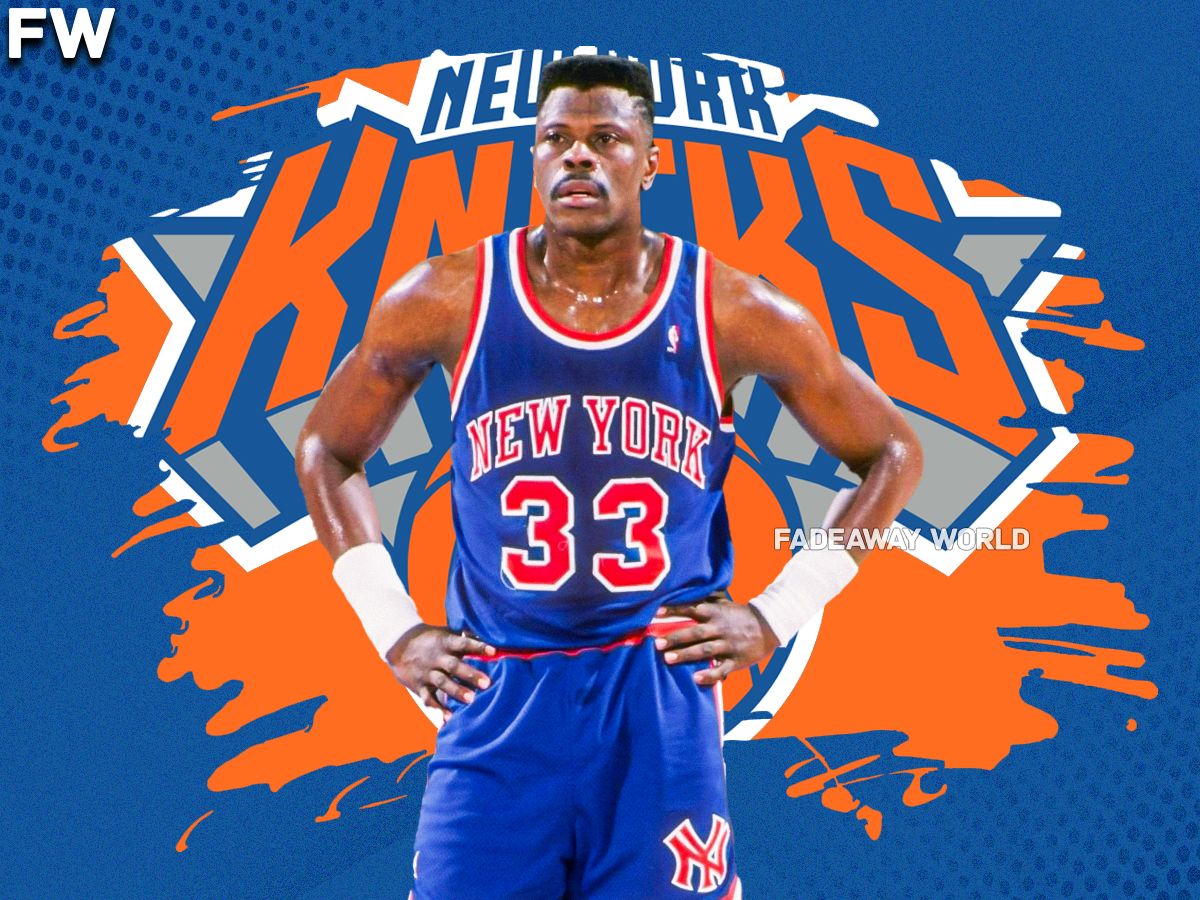
When Patrick Ewing speaks about opportunity, it comes from lived experience rather than theory.
During a recent interview, Ewing reflected on what it meant to arrive in the United States from Jamaica at just 12 years old and how that decision by his parents altered the trajectory of his life.
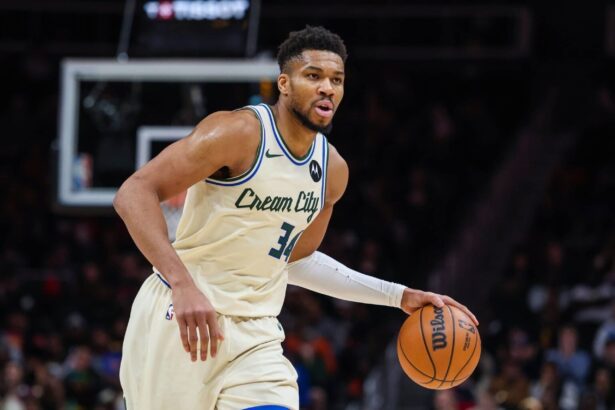
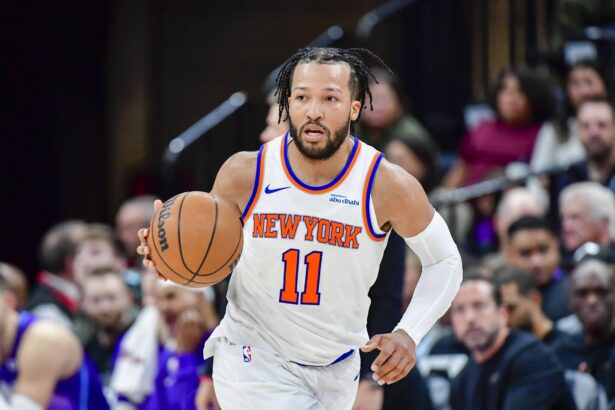
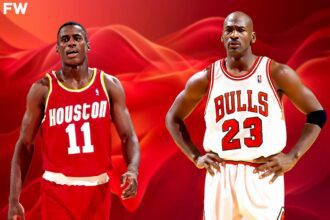
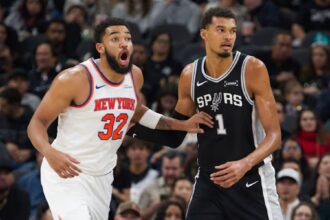
“Oh, I think it’s great. Like I said, I’m from Jamaica, he’s from Haiti. There are a lot of Black and brown people who have moved here to this country and have done extremely well.”
“I thank my mom and my dad every time I go to their grave for bringing me to this country and for me to be able to achieve the dreams that I was able to dream.”
“Those are the kinds of things I try to teach or try to echo to these kids. No matter where they’re from, whether they may be immigrants or American-born here, it’s about the opportunities. When you’re given an opportunity, you take advantage of it. When you have a passion for something, make sure you put the work in.”
“Don’t let anybody tell you that you cannot do it. Because once upon a time, someone told me that I wasn’t going to be able to do it. If I had listened to that person, I wouldn’t have been what I became.”
Ewing’s journey began in Kingston, Jamaica, before his family relocated to Cambridge, Massachusetts. He did not even start playing organized basketball seriously until his teenage years, yet his size, coordination, and work ethic quickly made him one of the most coveted high school prospects in the country.
He stayed close to home and committed to Georgetown Hoyas men’s basketball, where he became the centerpiece of one of the most dominant programs of the 1980s under John Thompson.
At Georgetown, Ewing led the Hoyas to three NCAA championship game appearances and captured the national title in 1984. He was named the Final Four Most Outstanding Player and left school as one of the most decorated college players of his era. By the time he entered the 1985 NBA Draft, there was little suspense about who would be selected first overall. The New York Knicks made him the cornerstone of their franchise.
Ewing’s professional career spanned 17 seasons, primarily in New York, where he became synonymous with the franchise throughout the 1990s. He averaged 21.0 points, 9.8 rebounds, and 2.4 blocks per game for his career while shooting 50.4% from the field. His best statistical season came in 1989-1990, when he averaged 28.6 points, 10.9 rebounds, and 4.0 blocks per game, firmly establishing himself among the elite big men of his generation.
Ewing was an 11-time NBA All-Star, earned seven All-NBA selections, and was named to three All-Defensive Teams. He led the Knicks to multiple deep playoff runs, including two NBA Finals appearances in 1994 and 1999, though a championship ultimately eluded him.
Even so, he remains the franchise’s all-time leader in points (23,655), rebounds (10,759), blocks (2,758), steals (1,061), and games played (1,039), and his number 33 hangs in the rafters at Madison Square Garden. He was inducted into the Naismith Memorial Basketball Hall of Fame in 2008, cementing his place among the game’s greats.
Beyond the NBA, Ewing also represented the United States on the global stage, winning Olympic gold medals in 1984 and 1992 as part of the Dream Team. His career accomplishments reflect not only talent but also durability, discipline, and relentless work.
After retiring as a player, Ewing transitioned into coaching, serving as an assistant with several NBA teams before returning to his alma mater to become head coach at Georgetown in 2017. He later moved into broader basketball advisory and mentorship roles, continuing to influence young players from backgrounds similar to his own.
When Ewing tells young athletes not to let anyone define their ceiling, he speaks from experience. He was once told he would not make it, yet through opportunity and perseverance, he became one of the most dominant centers of his era. His story remains a testament to what immigrant families contribute to American sports and culture, and why access to opportunity can change everything.