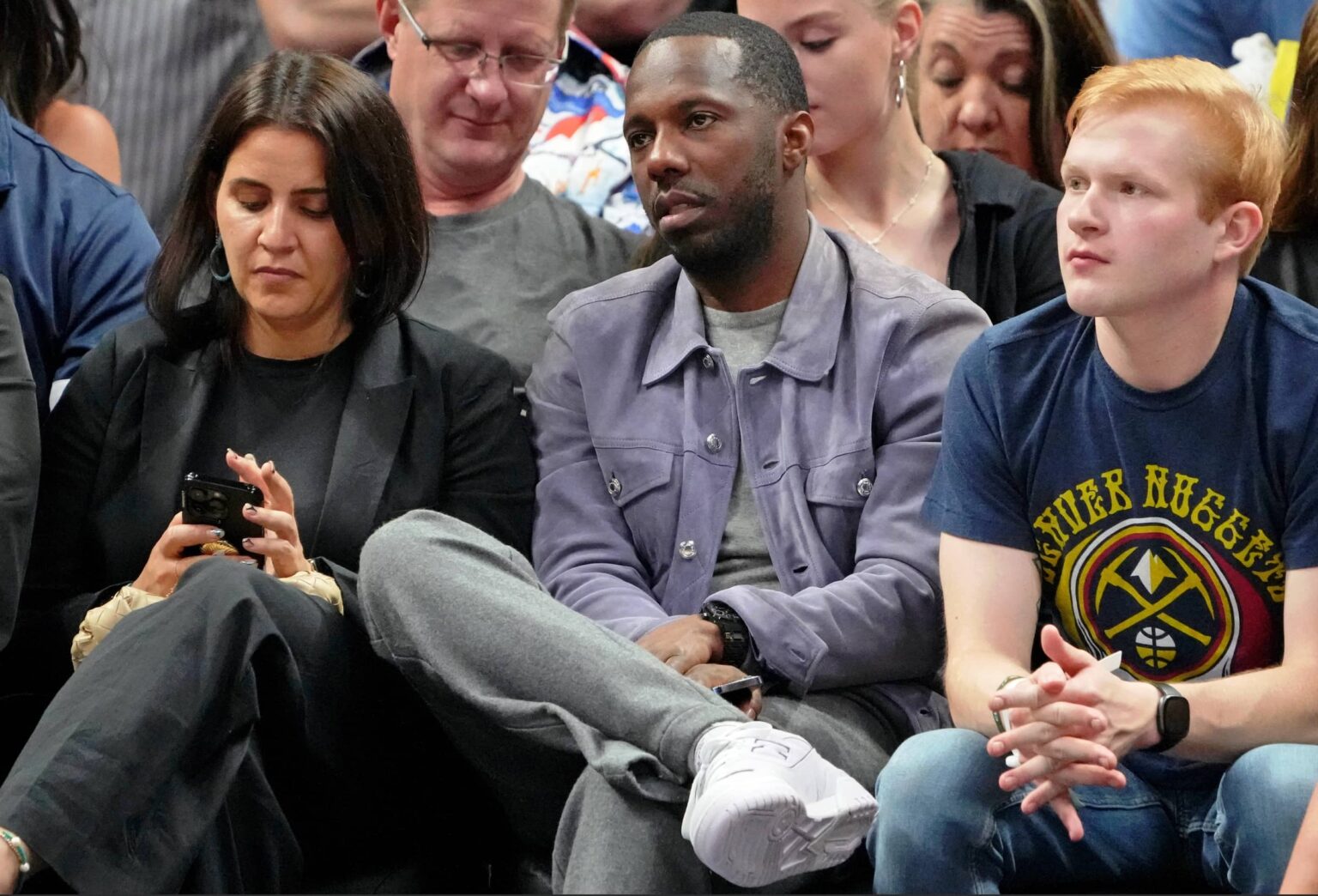
Rich Paul believes LeBron James’ greatest achievement was not winning championships. It was bringing a title home to Cleveland.
During a recent episode of the Game Over podcast with Max Kellerman, Paul reflected on conversations he had with LeBron during one of the most important periods of his career, explaining why returning to the Cleveland Cavaliers meant so much more than adding another ring.
Max Kellerman: “When you say legacy, when was the moment you told that to LeBron?”
Rich Paul: “We were having a conversation and I was just like, look, I think this is probably the best situation. It may not happen overnight, but if you win, if you win one time in Cleveland, there’s nothing else to be done. Because he already had rings. Whether you have two, four, six, or 18, you’re a champion.”
“No one can say you’re not a champion. But the idea of going back home and winning one there… I always looked at LeBron James as more of what I would call the people’s champion, like Muhammad Ali. Even when he lost, I felt like people really embraced him.”
There is no question that LeBron’s 2016 championship remains one of the greatest accomplishments in NBA history.
The Cavaliers overcame a 3-1 deficit against the 73-win Golden State Warriors, delivering Cleveland its first major professional sports championship in more than five decades. LeBron led both teams in points, rebounds, assists, steals, and blocks during the series, cementing his place among basketball’s all-time greats.
His career accomplishments speak for themselves. LeBron is a four-time NBA champion, four-time Finals MVP, four-time MVP, 22-time All-Star, and the NBA’s all-time leading scorer. He has spent more than two decades as the face of the league while avoiding the off-court controversies that have derailed many superstar athletes.
That part of Paul’s argument is easy to understand. LeBron has become one of the most recognizable athletes on the planet. He has built schools, invested in communities, created business ventures, and maintained an image that has remained remarkably clean throughout a career that has unfolded under the brightest spotlight in sports.
But comparing anyone to Muhammad Ali is where the debate begins.
Ali was far more than a champion athlete. He became a global symbol of conviction and sacrifice. At the height of his boxing career, Ali refused military induction during the Vietnam War because of his religious beliefs.
The decision cost him his heavyweight title, millions of dollars in earnings, and several prime years of his career. He faced criminal prosecution and became one of the most polarizing figures in America before history ultimately vindicated his stance.
That is why many view Ali differently from virtually every athlete who followed him. LeBron is unquestionably an all-time sports icon. He has changed player empowerment, transformed athlete branding, and remained one of the most influential figures in modern sports for more than twenty years.
Yet Ali occupies a different place in history. His impact extended far beyond athletics. He altered cultural conversations, challenged political systems, and paid a personal price for doing so.
Paul’s comments are the latest in a string of headlines involving LeBron’s longtime friend and agent. Recently, Paul argued that Michael Jordan would have gone 0-6 in the Finals without Scottie Pippen, defended LeBron’s decision to join superteams, pushed back against claims that LeBron always played with All-Star teammates, and praised Kyrie Irving as the perfect co-star for James.
Nobody disputes LeBron’s greatness. The question is whether any athlete, not just LeBron, belongs in the same conversation as Muhammad Ali.
For many sports fans, the answer remains no.