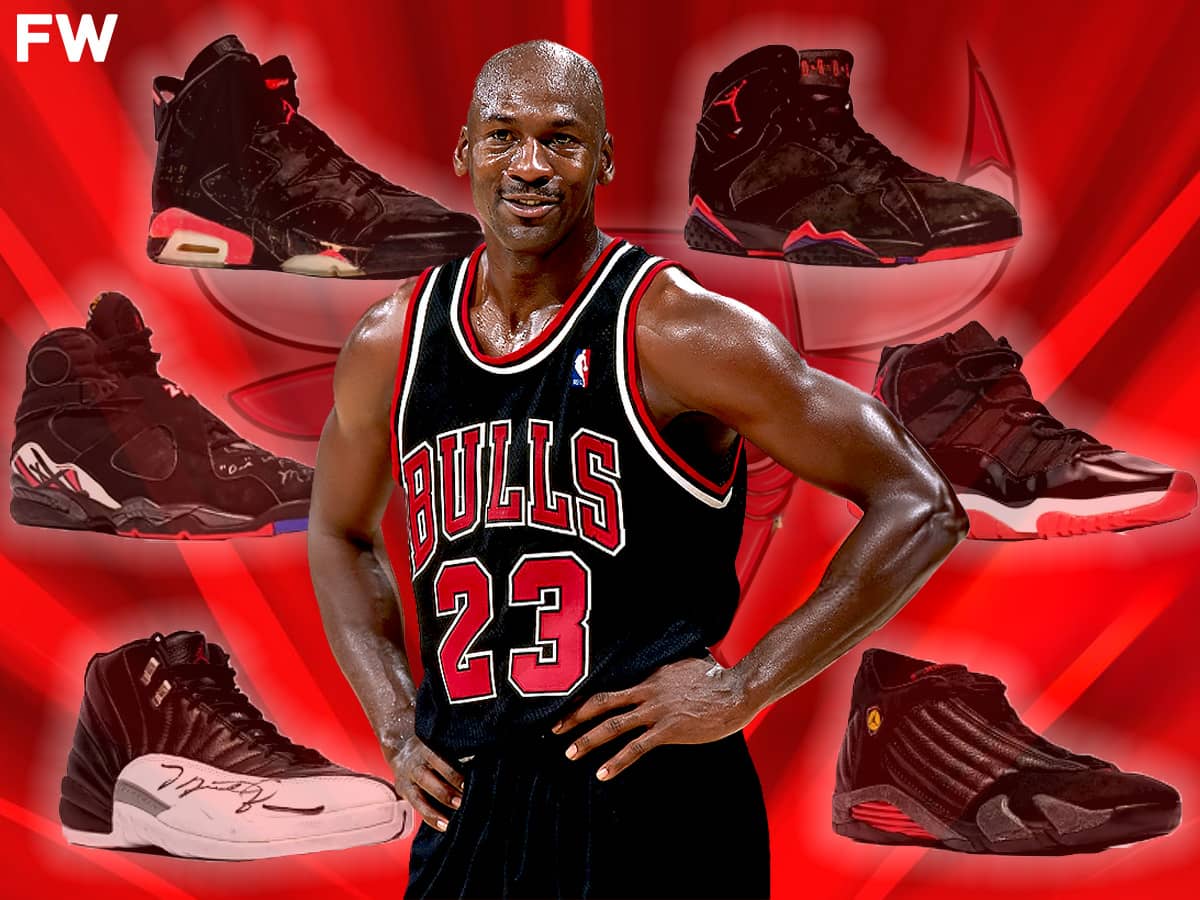
Rich Paul has never been afraid to challenge how people romanticize sports culture, and his recent comments about Michael Jordan sneakers cut straight through decades of mythology.
Speaking on the Game Over podcast, Paul explained that the Jordan shoe phenomenon was never just about wanting to be like the greatest basketball player who ever lived. That idea, he said, only explains half the story.
“By the way, there were only three colorways, but here’s the other thing.”
“People didn’t buy MJ’s because they wanted to be just like Michael Jordan. That was half of the people, half of the consumers. You know what? The other half was they wanted to be like Max, who had the BMW and the cute girl and had on Michael Jordans. So now you get both of those consumers. You have the entire market share.”
That single point reframes everything.
For years, Jordan Brand has been marketed as an aspiration through greatness. Be like Mike. Fly like Mike. Win like Mike. And that worked, no doubt. Kids wanted to hit fadeaways in the driveway wearing Jordans. Athletes wanted to feel closer to excellence. That emotional pull built the foundation.
But Rich Paul’s insight reveals the real genius: Jordans were never only about basketball.
The other half of buyers were not chasing championships or Finals MVPs. They were chasing status. They wanted what Jordans symbolized in everyday life. Confidence. Cool. Access. A lifestyle that suggested success even if you never stepped on a court. Jordans became shorthand for ‘I’ve arrived,’ whether that meant financial freedom, social clout, or cultural relevance.
That is where the Jordan Brand separated itself from every other athletic shoe deal in history.
As Paul pointed out, there were only a few colorways early on. Scarcity played a role, but relatability mattered just as much. Michael Jordan was untouchable, almost mythic. Max, on the other hand, was real. He was the guy in your neighborhood who made it. The guy whose life you could realistically imagine yourself living.
Jordans worked because they connected both worlds.
They captured the dreamers who wanted to be legends and the grinders who wanted to look like winners.
That dual-market pull is why Jordan shoes outlived Jordan’s playing career. It is why they remain dominant decades later, even among people who never watched Michael Jordan play a single NBA game. Jordans are not nostalgia pieces. They are cultural currency.
Rich Paul understands this better than almost anyone because he operates at the intersection of sports, business, and lifestyle. As the most powerful agent in basketball, he has watched branding shift from performance to persona. Jordan was the first athlete whose shoes told two stories at once. One was about greatness. The other was about belonging.
That balance created total market control.
Another layer to Rich Paul’s point is the sheer scale of the business Michael Jordan created, because the numbers explain why that cultural pull still matters.
Jordan Brand now generates over $7 billion in revenue annually, making it one of the most powerful brands in all of sports, not just footwear. That figure puts it miles ahead of any other athlete-led line in history. Even decades after his retirement, Michael Jordan remains the face of a brand that outsells entire shoe companies on its own.
And Jordan himself still benefits in a massive way.
Michael Jordan earns an estimated $250 to $350 million per year from Jordan Brand alone, depending on the year’s sales. That means he makes more in a single year today than he did during most of his playing career combined. To put it in perspective, Jordan’s total NBA salary over 15 seasons was about $94 million. He now makes several times that amount every year without stepping on a court.
Rich Paul didn’t diminish Michael Jordan’s legacy with his comment. He explained why it became untouchable. The shoes were never just about Michael Jordan. They were about who you wanted to be when you wore them.