The 2026 point guard market is defined by uncertainty more than volume. The initial list looks deep, but the true “available” tier will be shaped by contract mechanics: player options, team options, and restricted free agency.
Teams do not shop for point guards in the abstract. They shop for specific functions, rim pressure, pick-and-roll creation, low-turnover decision-making, and enough size or activity to avoid being targeted defensively in the playoffs. A guard who cannot hold up in those areas becomes a regular-season solution only, and that is rarely worth tying up future cap flexibility.
This ranking treats “available” as realistic outcomes, not just names on a list. It weighs role scalability next to stars, playoff translation, and contract leverage, including which players are more likely to reach the market versus being retained.
10. Tyus Jones
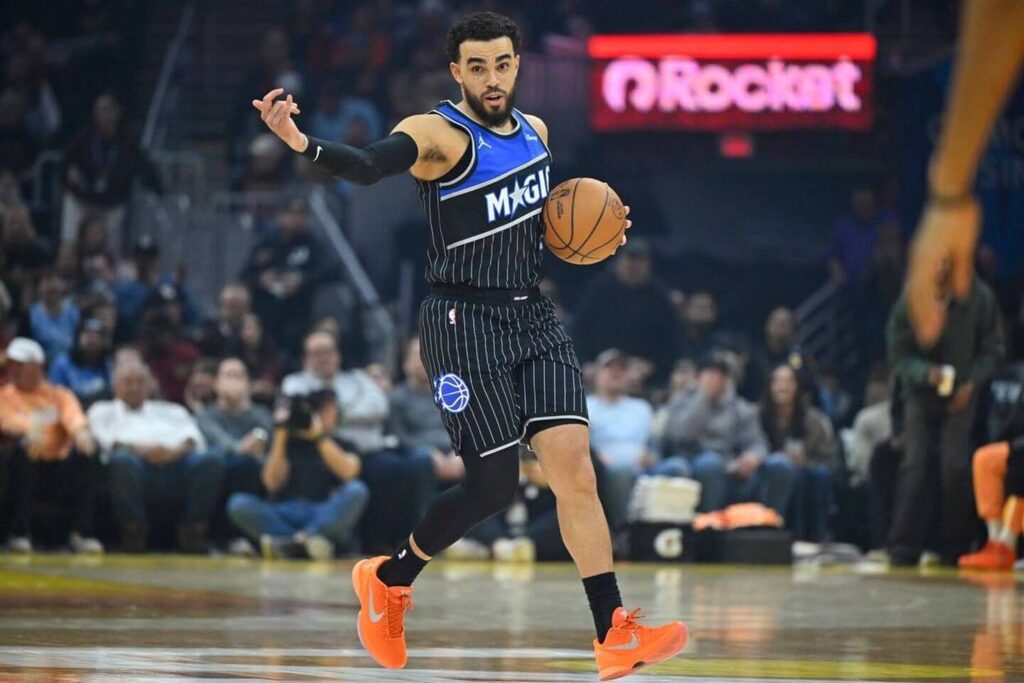
2026-27 Contract Status: Unrestricted Free Agent
Tyus Jones is finishing a one-year, $7.0 million deal and will be a true free agent in July. The season has been messy for him because the role never stabilized. He opened the year on a deep Magic guard group, then got moved at the deadline and ultimately landed with the Mavericks as part of the chain of deals on February 5.
The production reflects that volatility. Jones is at 3.2 points, 1.1 rebounds, and 2.6 assists per game, shooting 35.5% from the field. That line is not the player’s full value, but it will shape his market. He is being evaluated as a low-usage, low-mistake organizer who can run second units, keep tempo under control, and survive playoff minutes when the matchup is right. If a team needs him to be a scoring guard, it is the wrong fit.
What happens next likely comes down to opportunity, not money. Jones is a candidate for a minimum or near-minimum deal with a contender that needs a steady backup point guard, because that is where his skill set holds the most value.
The most logical fits are teams built around a high-usage star and a bench unit that needs structure: Nuggets, Bucks, Lakers, and Suns-type roster builds, depending on their summer guard turnover. The Mavericks can also bring him back cheaply if they want a reliable insurance policy behind their main creators, but his best path is finding a clearer rotation role than he had for most of this season.
9. Gabe Vincent
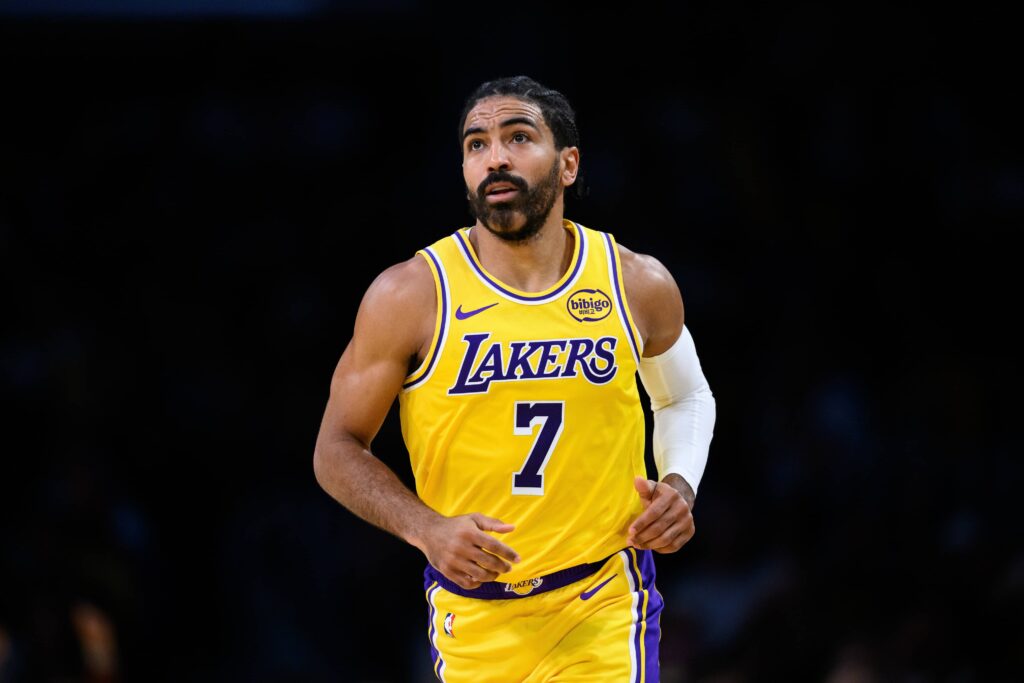
2026-27 Contract Status: Unrestricted Free Agent
Gabe Vincent will hit free agency after the season as the final year of his three-year, $33.0 million contract runs out. The deal was fully guaranteed with no option year, so there is no decision point for him or the team.
This season has not been a numbers case. Vincent is averaging 4.7 points, 0.9 rebounds, and 1.4 assists, shooting 33.8% from the field. He has also changed teams at the deadline, going to the Hawks in the Luke Kennard deal. At this stage, he profiles as a secondary guard: spot-up shooter first, low-turnover connector second, and an on-ball option only in short stretches.
The likely outcome is a short-term deal in the rotation-guard lane, not another mid-level-sized commitment. If his shot rebounds late in the season, he can push into the taxpayer mid-level conversation, but the more probable market is a one- or two-year contract in the $4.0–$8.0 million range with a team that already has creation and needs a defensive-minded shooter to survive playoff coverages.
The clean fits are contenders with bench-guard minutes available and a need for spacing: Heat, Magic, and Warriors-type situations, depending on summer roster churn. A return at a lower number to the team that values his specific role is also realistic if the minutes are clearly defined.
8. Marcus Smart
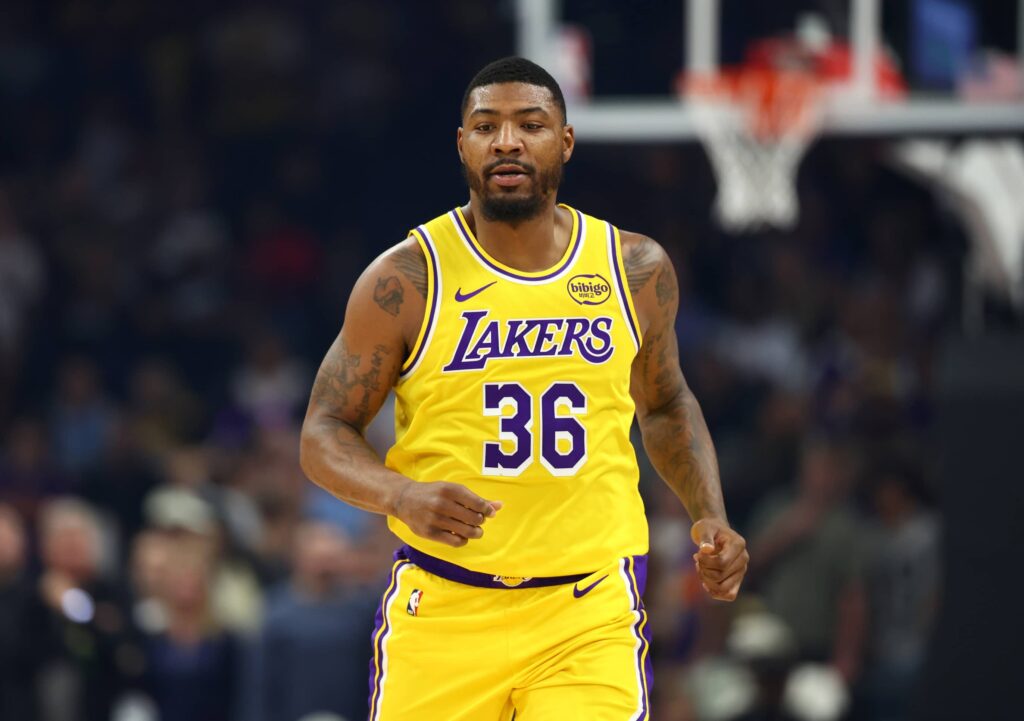
2026-27 Contract Status: $5.4 Million (Player Option)
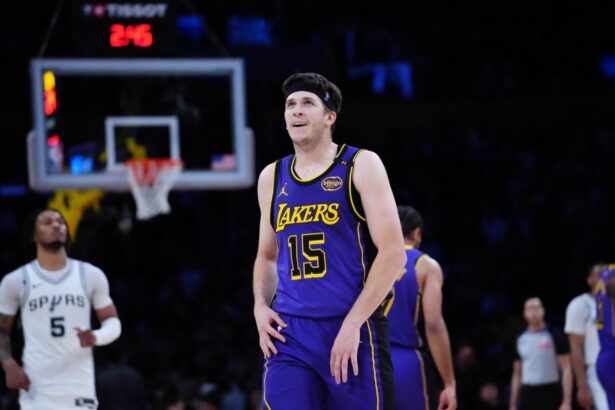
Marcus Smart has played a defined role for the Lakers this season: defend, organize possessions, and keep the offense functional next to higher-usage creators. His scoring is secondary. Through the 2025-26 season, Smart is averaging 9.6 points, 2.9 rebounds, and 2.8 assists per game, shooting 39.8% from the field.
The contract is why he belongs in a 2026 free agency conversation. After reaching a buyout with the Wizards in July 2025, Smart joined the Lakers on a two-year, $11 million deal that includes a player option for 2026-27. That option is projected at $5.4 million, making it an obvious decision point: opt in and remain a low-cost rotation guard, or opt out and look for a longer commitment at a higher annual number.
Smart’s value proposition is still defense-first. He remains a point-of-attack option who can switch in lineup constructions that prioritize physicality and communication. He is not being evaluated like a lead initiator who must produce efficient volume scoring. Teams that would pursue him in 2026 would be buying playoff utility: perimeter resistance, matchup flexibility, and a guard comfortable playing without dominating the ball.
7. Kevin Porter Jr.
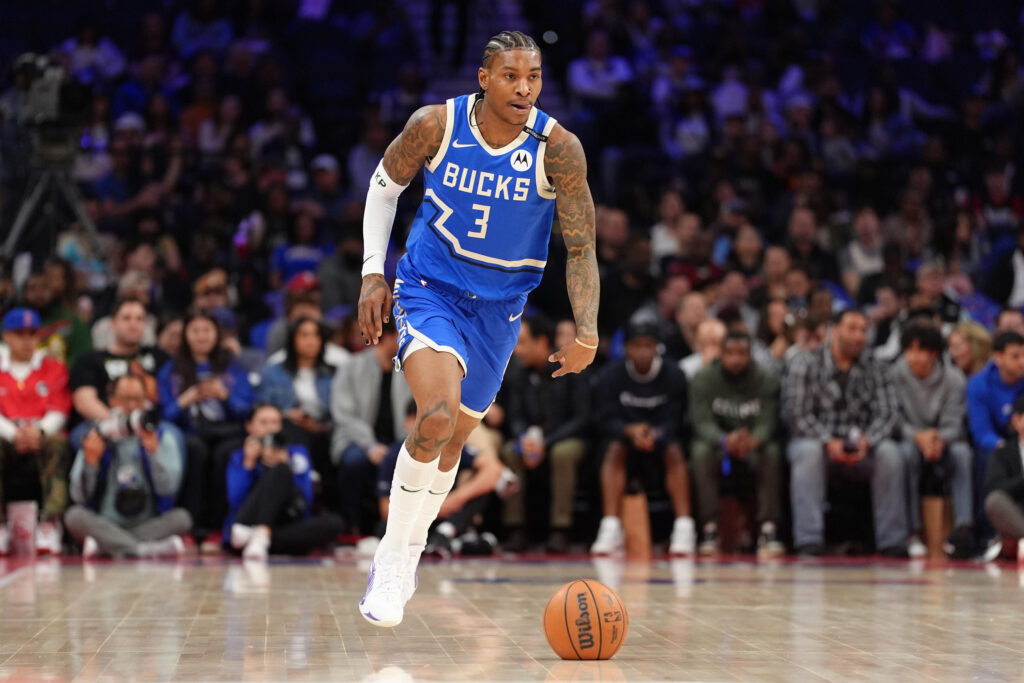
2026-27 Contract Status: $5.4 million (Player Option)
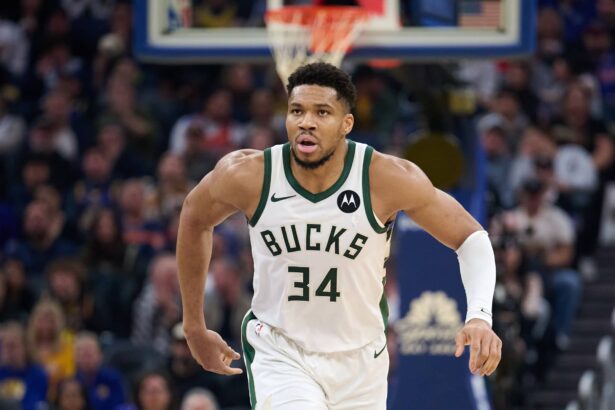
Kevin Porter Jr. has rebuilt his value with the Bucks by handling real lead-guard volume. He is producing starter-level numbers and doing it with a clear offensive job: pressure the paint, run pick-and-roll, and create shots for teammates. In 2025-26, Porter is at 17.9 points, 5.0 rebounds, and 7.6 assists per game in 34.0 minutes, with 45.5% from the field, 32.8% from three, and 86.1% at the line. The assist load is paired with 3.1 turnovers per game, which is the trade-off that comes with him being the primary decision-maker instead of a secondary scorer.
His contract is the hinge. Porter re-signed in Milwaukee on a two-year deal in the $10.5 million range that includes a 2026-27 player option. The option year is listed at around $5.39 million, which is why he is a legitimate 2026 free agency variable. Opting in makes him a low-cost starting guard or high-minute sixth man. Opting out puts him back on the market at an age where teams still pay for advantage creation.
For the upcoming free agency, Porter’s case is straightforward: among “available” guards, he offers the most direct path to starting-level playmaking. The questions are efficiency stability, defensive consistency, and whether his next team needs him to be the engine or can keep him in a controlled, two-creator setup.
6. Jose Alvarado
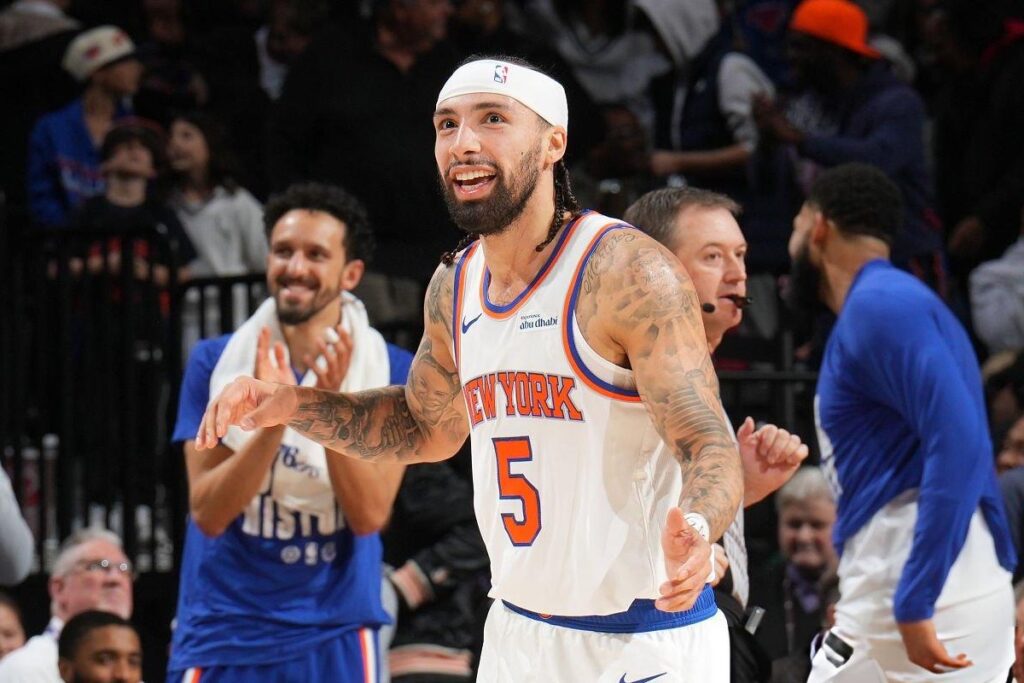
2026-27 Contract Status: $4.5 million (Player Option)
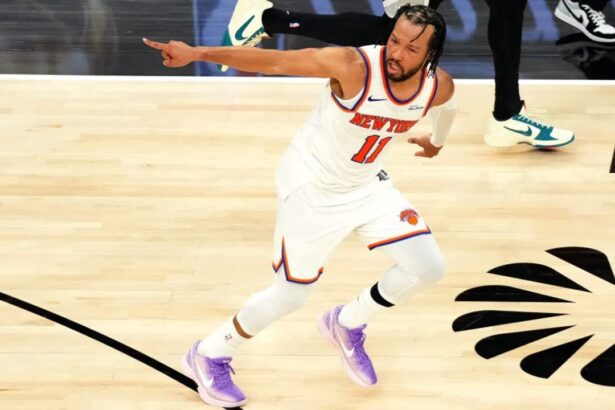
Jose Alvarado’s value is clear and narrow, which is exactly why teams want him. He changes possessions with point-of-attack pressure, steals, and pace, and he can survive on the ball enough to run a second unit. This season with the Knicks, after the trade, he is averaging 8.2 points, 2.7 rebounds, and 3.2 assists per game, shooting 41.5% from the field.
The contract is the separator. Alvarado has a 2026-27 player option at $4.5 million. That number is low enough that he will at least explore the market if he finishes the season in a real playoff rotation.
He also just landed in a market that can inflate his leverage if the fit is clean. The Knicks traded for him on February 5, and he immediately had a “swing the game” moment with steals and momentum plays, including a five-steal performance that got a lot of attention.
What I think happens: he declines the option if he can lock a third year, because teams will pay for playoff defense from the guard spot. The Knicks are still the most logical landing spot, either on a new multi-year deal or a short extension framework, because the role is defined and the crowd buy-in matters for a player like this. If not, the next tier of fits is teams that need defensive point guard minutes behind stars: Lakers, Bucks, Heat, and Nuggets.
5. Fred VanVleet
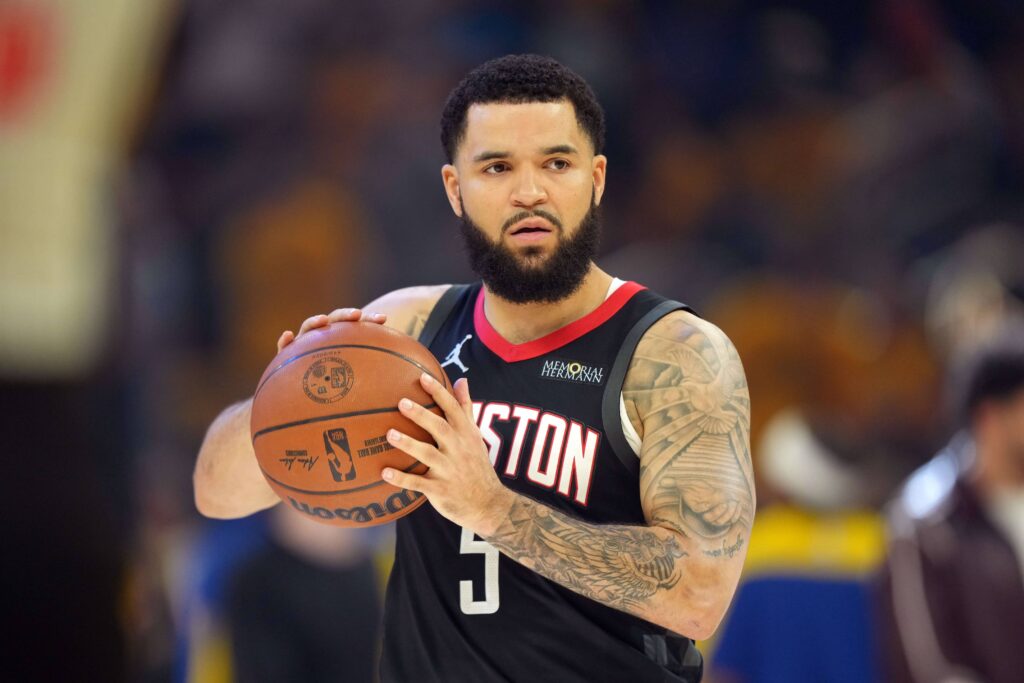
2026-27 Contract Status: $25.0 million (Player Option)
Fred VanVleet is the most “win-now” guard on this list, but also a question mark since missing the entire 2025-26 season with an ACL tear. The Rockets kept him out of 2025 free agency by moving off his prior team option structure and re-signing him to a two-year, $50.0 million deal that runs through 2026-27 and includes a player option.
His most recent full-season baseline (2024-25) was 14.1 points, 5.6 assists, 3.7 rebounds, and 1.6 steals in 60 starts, with 159 made threes. That profile still explains the demand: he can play next to another creator, he can run an offense when a star sits, and he does not need touches to stay engaged defensively.
The key for 2026 is leverage. The option is designed for optionality on both sides. If VanVleet still looks like a high-minute playoff guard, he can opt out to chase either (1) a longer multi-year deal or (2) a short, higher annual number with a contender that needs a lead organizer.
What I think happens: the Rockets push to keep him unless their young core takes a big enough leap that they want to pivot money elsewhere. If he reaches the market, the teams that make the most sense are contenders that need a real point guard infrastructure: Lakers, Magic, Raptors, and Heat.
If the Rockets want to avoid a pure opt-out risk, the most likely compromise is a one-year add-on or partial guarantee structure that keeps him in the building without locking the Rockets into a long tail.
4. Collin Gillespie
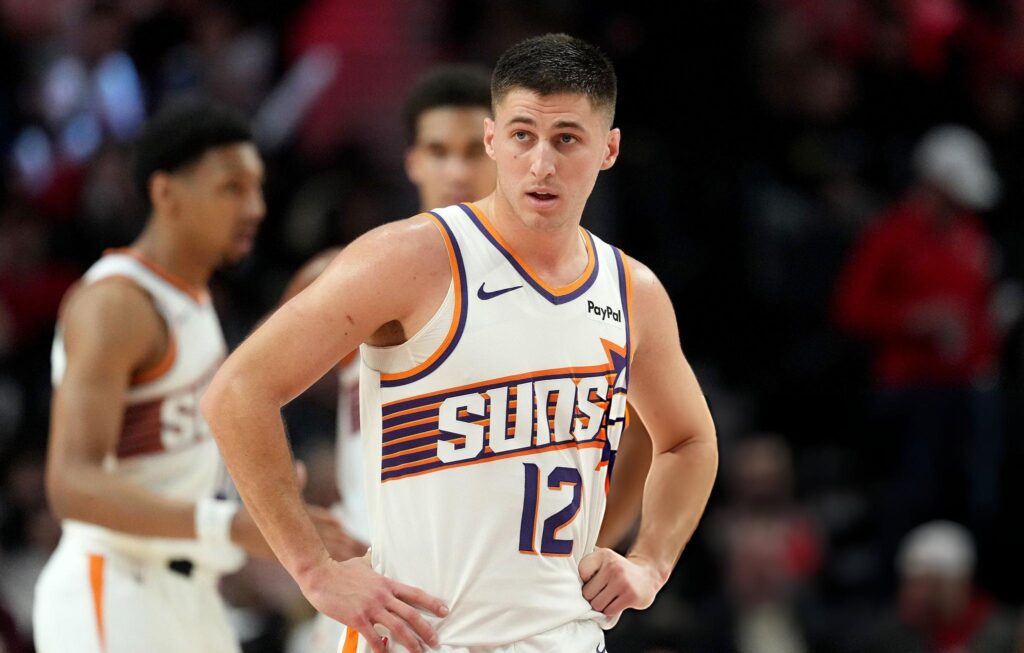
2026-27 Contract Status: Unrestricted Free Agent
Collin Gillespie has forced his way into the 2026 point guard conversation because he is producing real starter-level volume on a minimum contract. With the Suns this season, Gillespie is posting 13.4 points, 4.1 rebounds, and 4.7 assists per game, shooting 42.9% from the field.
That line is not coming from a stable, low-usage role either. The Suns have been short-handed often, and Gillespie has handled both initiation and shot creation. He just put up 18 points in last night’s to the Trail Blazers, and he led the Suns in scoring. That kind of “you have to run the offense tonight” workload is what separates him from the typical backup-guard free agent tier.
The contract side is straightforward. He signed a one-year deal in Phoenix in July 2025, which makes him an unrestricted free agent in the 2026 offseason. For a team, the appeal is age and role flexibility. He can be a low-cost starter on a thin roster, or a second-unit guard who can carry possessions for a contender.
What I think happens: The Suns try hard to keep him because they got starting-level production at a minimum number, and they do not have an easy internal replacement. The most plausible path is a multi-year re-sign at a mid-level type salary range. If the Suns cannot get there, the clean bidders are teams that need functional point guard minutes immediately without paying for a top-shelf star: Jazz, Nets, and Magic-type roster builds. HoopsHype also reported some league executives projecting a $10–$15 million annual range, which fits the way his season has trended.
3. Ayo Dosunmu
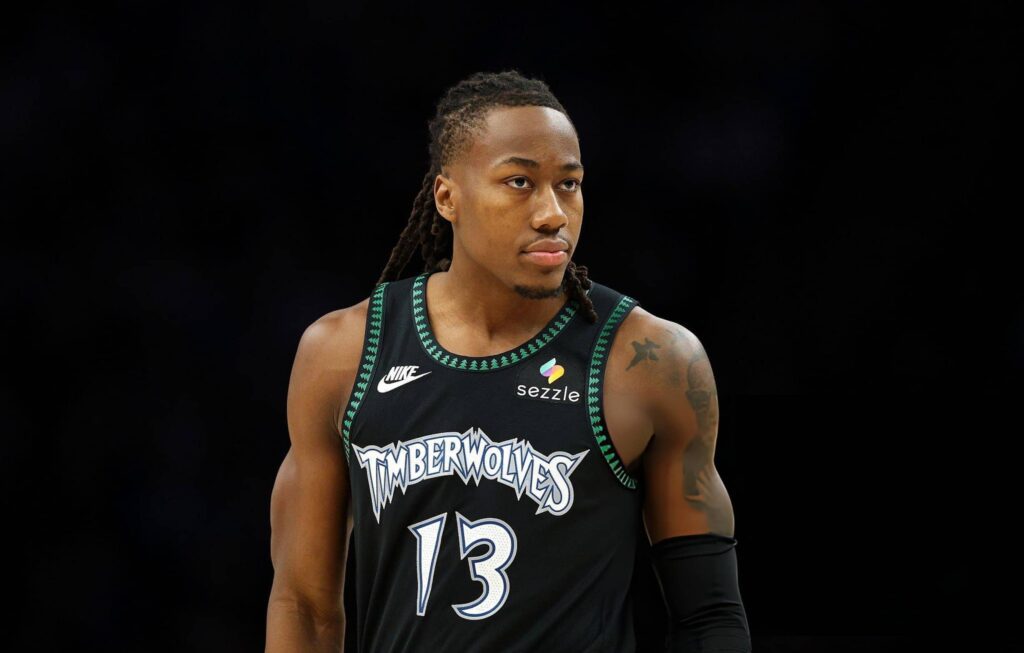
2026-27 Contract Status: Unrestricted Free Agent
Ayo Dosunmu enters the 2026 offseason as a legitimate rotation guard with starting utility, and the production this season supports it. Across 49 games in 2025-26, he is posting 14.8 points, 2.9 rebounds, and 3.6 assists in 26.5 minutes, with elite efficiency for his role: 51.2% from the field, 44.1% from three on 4.3 attempts, and 86.1% at the line (63.2% true shooting).
The contract situation is clean. Dosunmu is in the final season of his three-year, $21.0 million deal, carrying a $7.5 million salary in 2025-26 and no option year attached. That puts him directly on the 2026 free agency board, not in the “maybe” bucket.
His situation changed at the deadline. The Timberwolves acquired Dosunmu and Julian Phillips from the Bulls on February 5, 2026, sending Rob Dillingham, Leonard Miller, and four second-round picks to Chicago. The move was a clear signal that a contender valued Dosunmu as more than depth. The Timberwolves sit sixth in the West at 35-23, so his minutes are not “development” minutes. They are playoff-rotation minutes on a team with real stakes.
Dosunmu’s market case is straightforward. He can defend guards, play on or off the ball, and his shooting profile this season forces real coverage decisions. The Timberwolves’ acquisition of him in his final contract season, while also clearing cap space with the Mike Conley move, makes it obvious that they’ll re-sign Dosunmu once free agency opens this summer.
2. Coby White
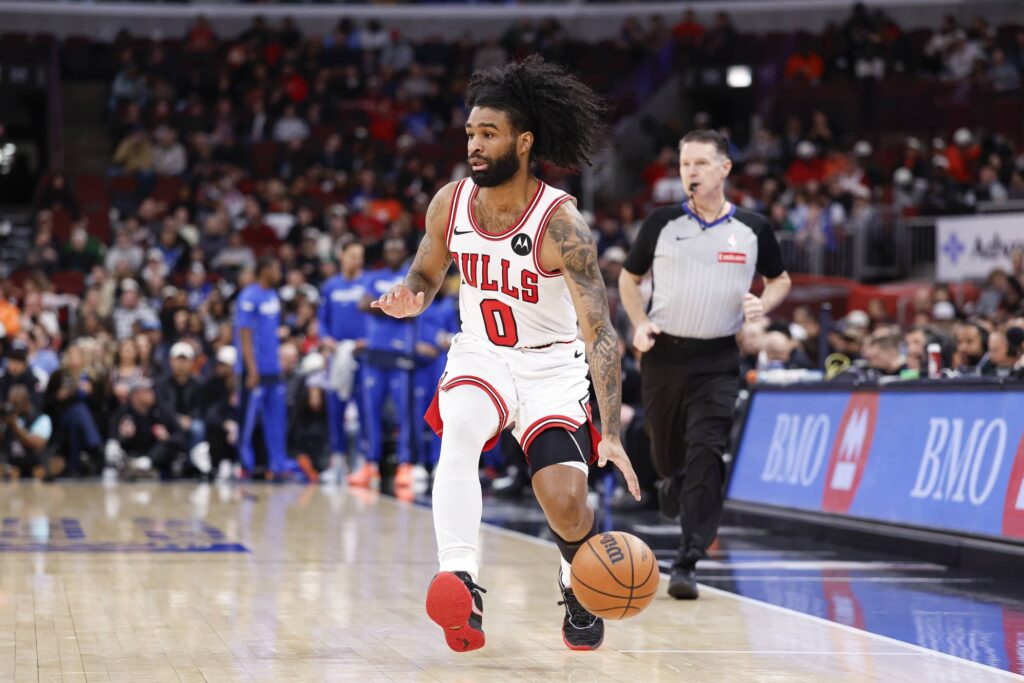
2026-27 Contract Status: Unrestricted Free Agent
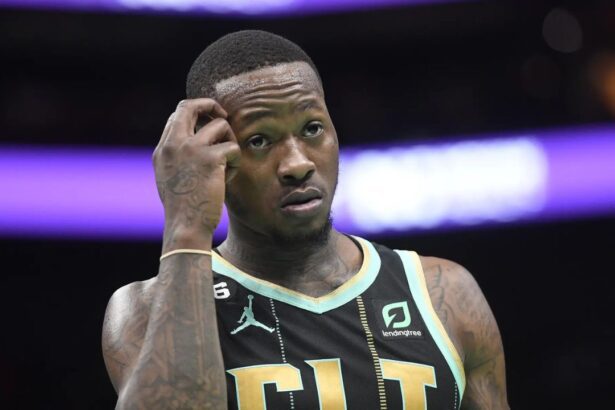
Coby White is the highest-upside scoring guard in this tier because the production is already starter-level. He is averaging 18.6 points, 3.7 rebounds, and 4.7 assists, shooting 43.8% from the field. He was moved at the deadline and is now with the Hornets after seven seasons with the Bulls.
Contract-wise, he is headed for a real market. White is in the final season of the three-year, $36.0 million deal he signed with the Bulls, which is why he was treated as an expiring value piece. The league tends to pay for guards who can generate their own shot, handle secondary playmaking, and scale up as a top-two scorer when injuries hit. White checks enough of those boxes to land well above the mid-level if teams with cap space decide he is their best shot at adding creation.
The most likely outcome is that he stays with the Hornets if the fit with LaMelo Ball works and the money is competitive. They have every incentive to keep a proven scorer who can play on or off the ball, especially if they view him as a long-term backcourt partner rather than a rental.
If he gets to the open market, the obvious bidders are teams that need creation and have financial flexibility: Pistons, Spurs, and Jazz-type cap-space situations. The swing factor is health. If he closes the season clean, he has a strong case to clear $20.0 million per year on a multi-year deal.
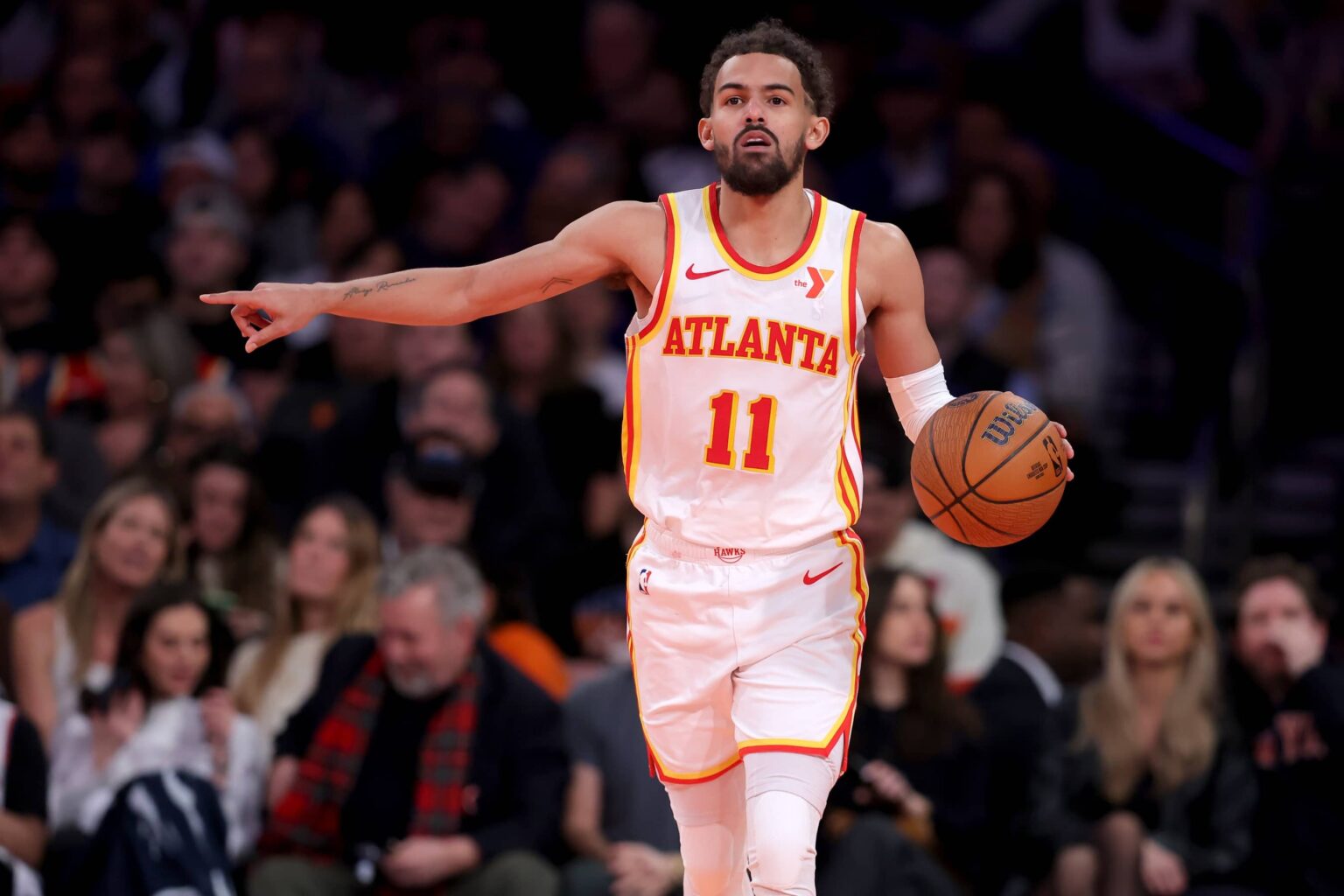
1. Trae Young
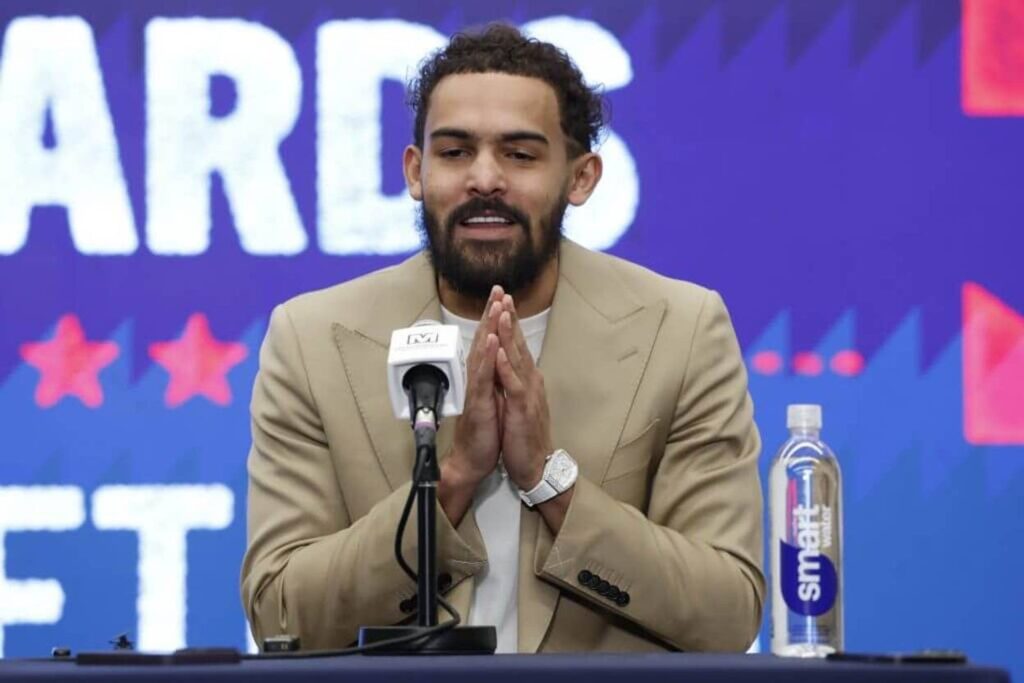
2026-27 Contract Status: $48.9 million (Player Option)
Trae Young is the top name because very few guards in the league can bend a defense with both passing volume and shot difficulty. Even in an injury-interrupted season, Young averaged 19.3 points and 8.9 assists in 10 games before getting shut down, and currently keeps being out. He is nearing a return to on-court activity after a right knee issue and a quad injury, with a re-evaluation coming in late February.
The contract decision is massive. Young has a 2026-27 player option that sits in the $49 million range. If he opts out, he can hit unrestricted free agency. If he opts in, he locks in elite money coming off a season where health limited his tape.
He also just changed teams. The Wizards acquired him in early January in a deal that sent CJ McCollum and Corey Kispert the other way, and he has not debuted yet for them. The 2026 decision will be framed by whether the Wizards look like a real long-term home or just a stop before he regains full value.
What I think happens: if he doesn’t play again in the year, he takes the option and looks for a new long-term max-level deal next season, because that is the cleanest leverage point in his career. The teams to watch if he actually becomes available are the ones that can build an offense around a heliocentric guard and have the assets to get there: Nets, Raptors, or Pelicans. Washington is still the most likely destination long-term either way, because they just paid the acquisition cost and can sell him on being the singular offensive engine.