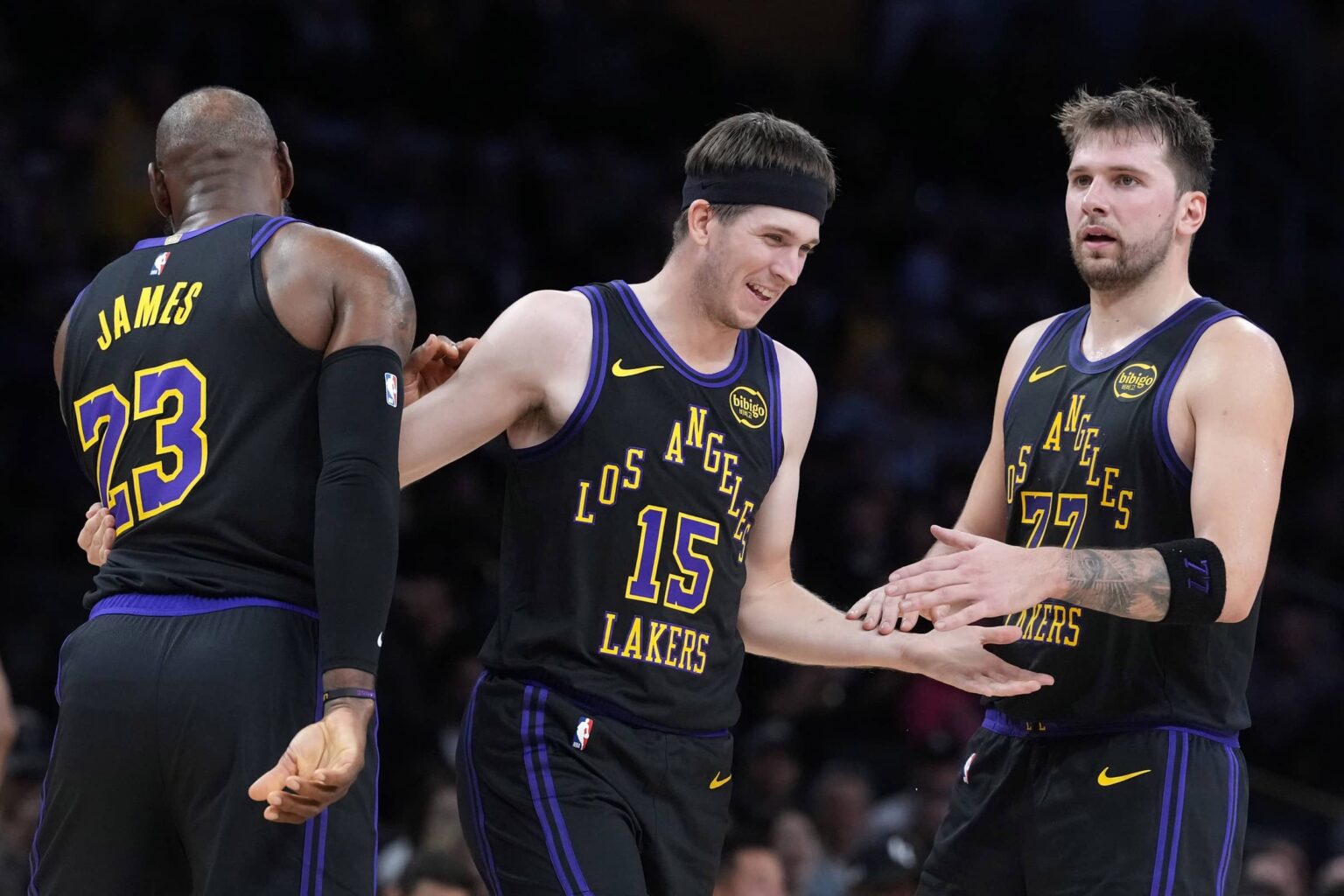
With a 20-11 record and the 5th seed in the Western Conference, the Los Angeles Lakers don’t need another “nice” move. They need the kind of move that fixes what keeps showing up every time the lights get bright: perimeter defense, point-of-attack resistance, and that general “why is this so easy for the other team?” vibe.
Because JJ Redick basically said the quiet part out loud after that Christmas loss, calling out effort and professionalism with the now-viral “we don’t care enough right now” line. And when your coach is talking like that in December, it usually means the front office is about to start shopping for adults.
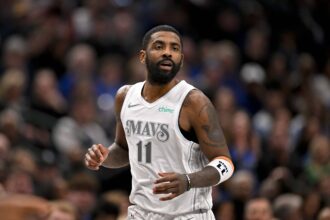
Herb Jones is the dream. Everybody knows it. The issue is the price tag, and the reality that teams don’t just hand you an All-Defense monster because you asked nicely. That’s why the Lakers have to live in the “next tier” of wing targets… and that’s exactly where Andrew Wiggins sits, especially with reports that the Miami Heat have gauged his market and the Lakers have been tied to him again as trade season heats up.
Mock Trade Idea
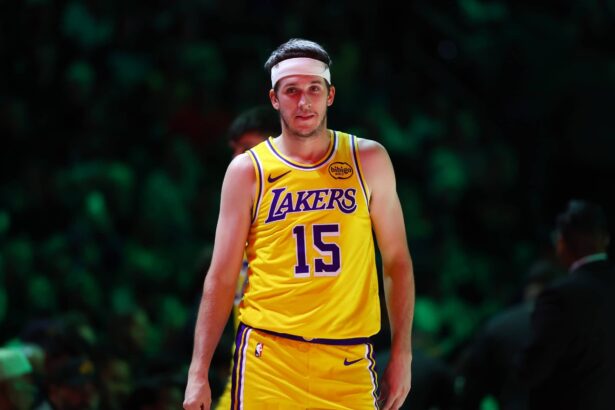
Lakers Receive: Andrew Wiggins, Jaime Jaquez Jr.
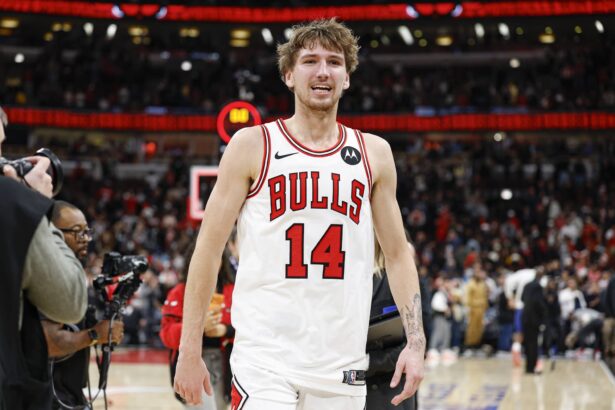
Heat Receive: Rui Hachimura, Maxi Kleber, Dalton Knecht, 2031 first-round pick
How This Improves The Lakers Massively
The Lakers’ biggest issue isn’t offense. It’s that they don’t consistently get stops, especially on the wing, especially when teams start hunting matchups possession after possession. The numbers back up the eye test too: the Lakers sit near the bottom of the league in defensive rating this season, basically living in the “one more stop away” zone every night.
That’s why Wiggins is the headliner here.
Start with the simple stuff. Wiggins is giving you 16.4 points, 4.9 rebounds, and 3.0 assists per game, with 48.6% from the field and 40.7% from three. He’s also at 1.2 steals and 1.1 blocks a night. For a wing. That “stocks” combo matters because it screams activity, not just “stay in front.”
Now the fun part, the stuff that explains why he fits: the defensive profile.
Advanced analytics paint Wiggins as a versatile piece who can slide across matchups without instantly breaking your scheme. He grades out in the 78th percentile in “Versatility,” has a 77th percentile block rate for his position group, and an 87th percentile mark in avoiding fouls (rPF), which is huge for a wing who’s going to be asked to guard stars without gifting free throws, per Cleaning the Glass.
And his raw “Deflections” number on that same profile isn’t elite, but that’s exactly the point: he isn’t a gambling chaos defender. He’s more of a containment, contest, and finish-the-possession guy. The steals and blocks show up anyway, and those are the swing plays the Lakers desperately need because they don’t force enough uncomfortable possessions.
There’s another angle here that’s easy to miss. Wiggins isn’t just “defense guy.” The Lakers need a wing who can exist offensively without hijacking the game.
Wiggins checks that box because he’s a real spacing threat right now, and he does it without needing the ball glued to his hands. That matters if the Lakers want to keep their offense clean, keep the floor spread, and avoid the “two non-shooters + one hesitant shooter” lineups that turn into mud in the playoffs.
Then you add Jaime Jaquez, and suddenly this isn’t just “get a stopper.” It’s “fix the rotation.”
Jaquez’s stat line is legit: 16.4 points, 5.4 rebounds, 4.8 assists, with 52.6% from the field. He’s not a sniper, but he’s functional, and he plays like a grown man. He can handle, he can bully smaller guards, he can keep possessions alive, and he can run second units without the offense turning into random pull-ups.
The biggest win is role clarity.
Wiggins becomes the nightly wing assignment who also hits open threes. Jaquez becomes the bench creator who keeps the Lakers from bleeding points when the starters sit. And if you’re the Lakers, that’s basically the dream: stabilize defense without nuking spacing, and upgrade the bench without needing a third “star” who wants 18 shots.
Also, the Lakers don’t have to pretend this is coming out of nowhere. Reporting has already framed Wiggins as a name they’ve been on since the summer, and the current trade-season buzz is that they’ve gone back to that well again. That’s usually how these deals actually happen, not in one dramatic phone call, but in repeated “what if we…” conversations until it turns into “fine, let’s do it.”
This is the kind of move that lets the Lakers chase stops without turning into a low-skill team.
Wiggins is giving you efficient wing scoring and real two-way minutes. Jaquez is giving you controlled chaos off the bench. That’s how you survive playoff series when the scouting report gets mean.
Why The Heat Agrees
This is the part where people usually say, “Why would the Heat trade Wiggins?”
Well… because the Heat have reportedly checked what the market looks like for him, and that alone tells you they’re at least listening. And they’re not exactly sitting in the penthouse of the East either.
They’re 18-15, and while they’ve been competitive, that record screams “good, not terrifying.” What makes them dangerous is their defense, and NBA.com has them sitting fourth in defensive rating at 112.2. That’s real. That’s an identity.
But here’s the harsh truth: defense alone doesn’t guarantee you a title window if you’re not sure you’ve got the top-end scoring juice to punch through elite opponents. So the Heat doing a value-flip isn’t crazy, especially if they can turn one player into multiple tradable pieces plus a premium long-term pick.
Now look at what they’d be getting.
Rui Hachimura gives them efficient size and scoring without needing plays spammed for him. He’s at 12.7 points per game on 52.1% from the field, and he’s been scorching from deep, sitting at 44.5% from three this season. That’s not a throw-in. That’s real rotation production.
If the Heat want to keep their defense elite, Rui actually helps because he’s big enough to survive physically and he can punish teams offensively when they load up on the stars. The spacing piece matters too. When a forward shoots 44.5% from three, it changes how teams can guard your actions.
Dalton Knecht is the upside swing. He’s not fully formed yet, but he’s already giving you 5.7 points per game in limited minutes and hitting 35.8% from three. For a young shooter, that’s the kind of profile teams bet on, because if it pops, you suddenly have a cost-controlled floor spacer who can actually move off the ball.
And Maxi Kleber is mainly salary structure plus frontcourt depth. If he’s barely scoring, that’s fine. The Heat wouldn’t be acquiring him to be a star. They’d be acquiring him because trades are math as much as basketball, and you need functional big bodies who can survive minutes.
Then there’s the 2031 first-round pick.
That’s the loudest piece in this whole deal. Picks that far out are gold because they live beyond the current “timeline.” They’re the kind of asset that can become your next star trade chip, or the kind of pick that turns into a franchise-saving swing if things ever go sideways for the other team.
And for the Heat specifically, it’s also about flexibility. If Wiggins is a player they’re gauging, it’s probably because they’re weighing optionality, including his contract future. If you’re not 100% convinced he’s part of the next core, the best move is turning him into multiple pieces you can either keep or reroute.
Also, the Heat’s defense is already strong. They’re fourth in defensive rating, top-10 in Net Rating, and they rate well in assist-related metrics too. That suggests their structure works. What they might want is more shooting, more lineup malleability, and another long-term asset to keep their options open.
Rui’s shooting helps. Knecht’s shooting upside helps. The pick helps. And if they decide midstream that they want to chase a bigger fish later, these are exactly the kinds of pieces you can package.
So yeah, the Heat agreeing isn’t some fantasy where they just donate talent. It’s a very Heat-like pivot: keep the identity, diversify the portfolio, and keep the door open for the next big swing.
And for the Lakers, this is the kind of “win-now” move that actually matches Redick’s tone. When the coach is calling out professionalism publicly, the roster response can’t be “wait until February and see.” It has to be real help, with real two-way impact.
Wiggins plus Jaquez is real help.