This one never really felt in doubt. The Boston Celtics came out sharp, stayed in control, and methodically wore down the Charlotte Hornets in a 114-99 win. Jayson Tatum set the tone early and never let up, while Boston’s supporting cast filled in the gaps with timely shooting and disciplined execution.
By the final whistle, the numbers told a clear story: efficiency, ball security, and just enough defensive resistance to keep Charlotte at arm’s length all night. Let’s get into the five key takeaways after this matchup.
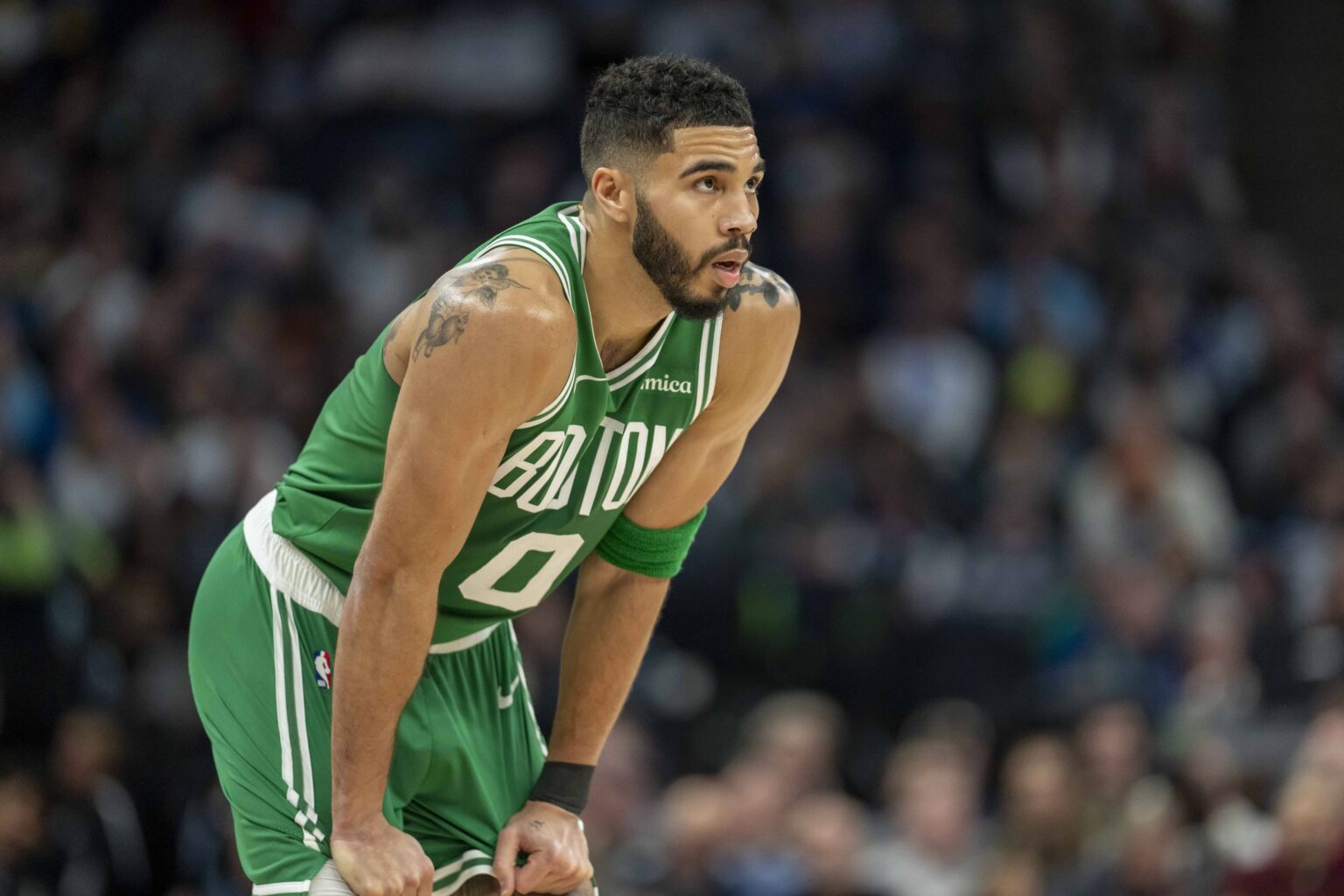
1. Jayson Tatum Dictated Everything
Tatum completely orchestrated. His 32 points on 12-23 shooting (5-10 from three) came within the flow of the offense, never forced, never rushed. What stood out even more was the control: eight assists, zero turnovers. That’s elite shot creation paired with mistake-free basketball, and it’s exactly what separates a good scoring night from a great one.
There’s also a rhythm to Tatum’s game right now. He picked his spots, punished mismatches, and consistently made the right read when Charlotte sent help. Boston scored 114 points on 50.6% shooting, and a huge chunk of that efficiency stemmed directly from Tatum’s decision-making. When your best player is that clean with the ball, the entire offense breathes easier.
2. Payton Pritchard Continues To Be A Game-Changer
Payton Pritchard’s stat line jumps off the page: 28 points, 10-18 shooting, six assists. But it’s how he got there that matters. He played fast without being reckless, aggressive without hijacking possessions. His ability to create offense next to Tatum gave Boston a second engine, something that kept Charlotte from loading up defensively.
Boston finished with 23 assists to just seven turnovers, and Pritchard was central to that balance. He attacked gaps, hit pull-ups, and spaced the floor (2-6 from three) just enough to keep defenders honest. This was connective tissue basketball, the kind that keeps an offense humming over 48 minutes.
3. Boston’s Efficiency Was The Difference
The Celtics didn’t overwhelm Charlotte with volume; they beat them with precision. Boston shot 42-83 from the field (50.6%) and 14-34 from three (41.2%), compared to Charlotte’s 43.4% overall and 27.9% from deep. That gap adds up quickly, especially when both teams take a similar number of shots.
Even at the free-throw line, where Boston wasn’t perfect (16-22), they still maintained enough pressure to keep the Hornets chasing. Combine that with just seven turnovers, and you get a clean offensive performance. Charlotte actually attempted nine more threes (43), but the lack of efficiency turned those possessions into empty trips.
4. The Hornets Couldn’t Find Consistent Offense
Charlotte had moments, LaMelo Ball scored 19, Kon Knueppel added 13, and Brandon Miller chipped in 13, but nothing ever fully clicked. Ball needed 19 shots to get his 19 points and went just 3-12 from beyond the arc, which summed up the team’s night from deep.
The Hornets finished 12-43 from three (27.9%), and when those shots aren’t falling, the offense gets stuck. They managed just 19 assists compared to Boston’s 23, and while they kept turnovers relatively close (12), they couldn’t generate high-quality looks consistently. Too many possessions ended in contested jumpers or late-clock situations.
5. Quiet Contributions That Actually Weren’t So Quiet
Neemias Queta quietly put together a strong interior performance: 17 points on 8-13 shooting with eight rebounds. He gave Boston efficient scoring inside and helped balance the perimeter-heavy attack. Sam Hauser added spacing (2-4 from three), while Jordan Walsh contributed across the board with seven rebounds and solid defensive activity.
Then there’s the bench impact. Baylor Scheierman’s 14 points and Ron Harper Jr.’s efficient 3-3 shooting added valuable depth scoring. Boston didn’t need a massive bench explosion, just timely production, and they got exactly that. It’s the kind of layered roster performance that turns a solid team into a dangerous one.