When Gilbert Arenas speaks about loyalty in today’s NBA, he does not see it as a moral debate; he sees it as math. And in defending James Harden, Arenas made a bold claim: Harden has left at least $150 million on the table in pursuit of championships.
“I understand where he’s coming from. These players are benefiting from past players’ mistakes, where guys stayed in situations longer than they were supposed to and their legacies were ruined sitting in certain cities. Versus saying, I’m a free agent, I’m going to explore.”
“You sacrifice a lot of money leaving the city you’re in. You’re telling me, hey, take 50, and we can get these other players for you so you can win. The player does that. It’s been at least 150 million that he’s left on the table trying to win a championship.”
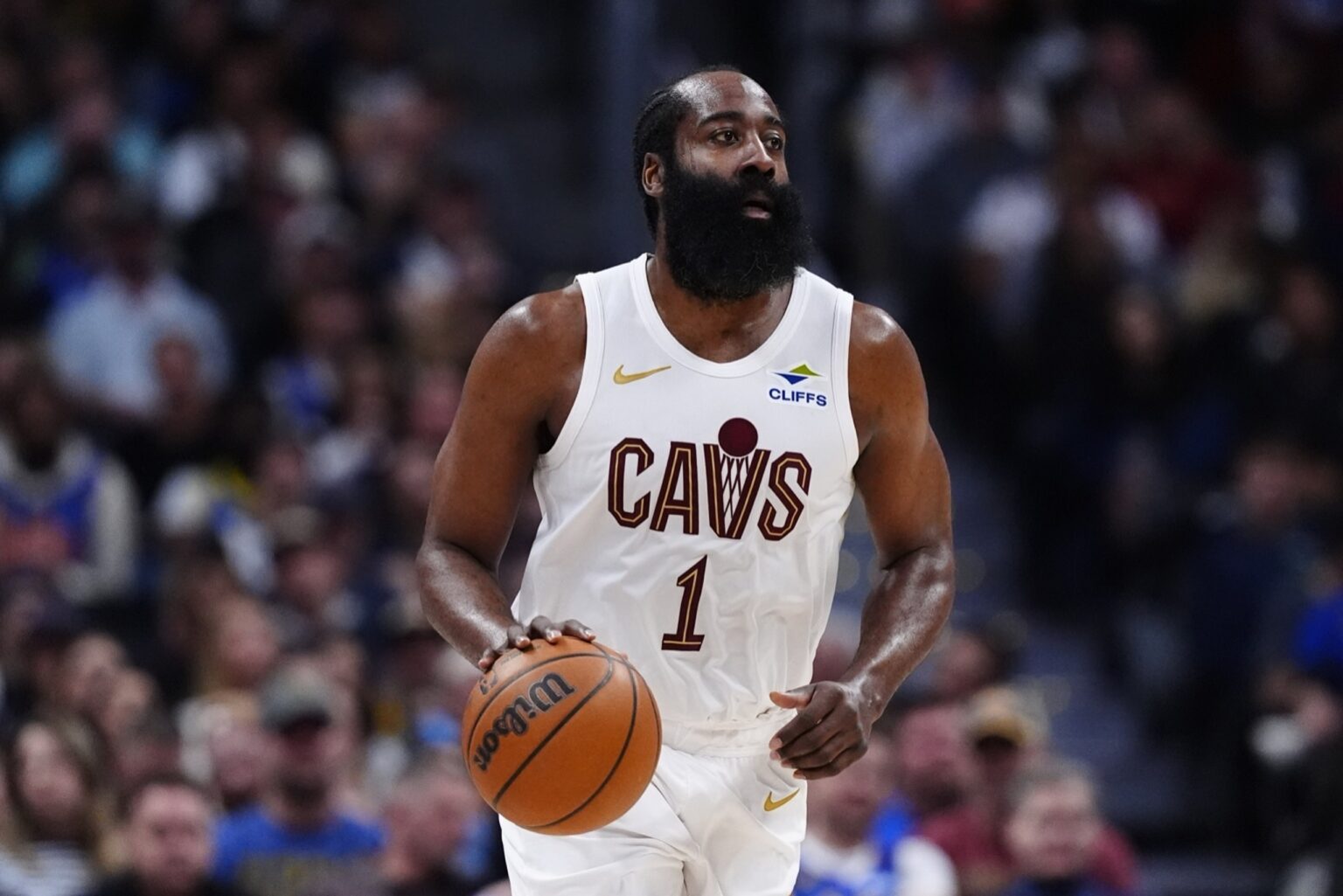
For years, critics have questioned Harden’s loyalty after moves from Houston to Brooklyn, then Philadelphia, then Los Angeles, and most recently, Cleveland. To some fans, bouncing between teams suggests a player chasing leverage rather than legacy. Arenas sees it differently. He believes Harden has been chasing rings while quietly absorbing financial hits along the way.
Back in 2022, Harden famously took a roughly $15 million pay cut with the Philadelphia 76ers to give the franchise flexibility to add depth. That decision helped Philadelphia reshape its roster in hopes of maximizing Joel Embiid’s championship window. It was not a small gesture. In a league where every dollar is negotiated fiercely, voluntarily leaving eight figures on the table is rare.
Later, with the Los Angeles Clippers in 2025, Harden restructured his deal again. Team president Lawrence Frank admitted Harden’s contract flexibility allowed the Clippers to use the full mid-level exception and sign key pieces like Brook Lopez and Bradley Beal. Harden declined a player option and re-signed on a two-year, $81.5 million deal structured to preserve future cap room.
Harden’s critics often compare him to one-franchise legends like Kobe Bryant or Dirk Nowitzki. But Arenas believes modern players have learned from past generations. Staying in the wrong situation too long can stall careers and damage legacies. Free agency, movement, and leverage are tools players now use strategically.
From Houston to Brooklyn to Philadelphia to Los Angeles, Harden has adapted his role repeatedly. He shifted from primary scorer to playmaker. He took fewer shots, facilitated for stars, and accepted pay cuts to create flexibility.
Whether that ultimately results in a championship remains uncertain.
Still, if Arenas is right, the perception that Harden prioritizes money over winning may be backward. The argument, at least in Arenas’ eyes, is that Harden has sacrificed generational wealth in the hope that organizations would meet him halfway.
In a league built on business decisions, that sacrifice is rarely acknowledged.