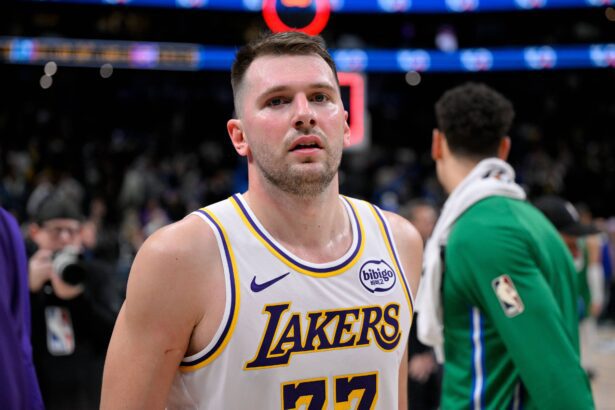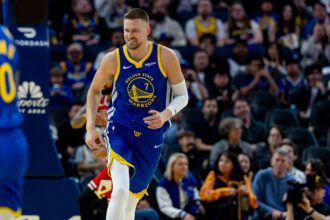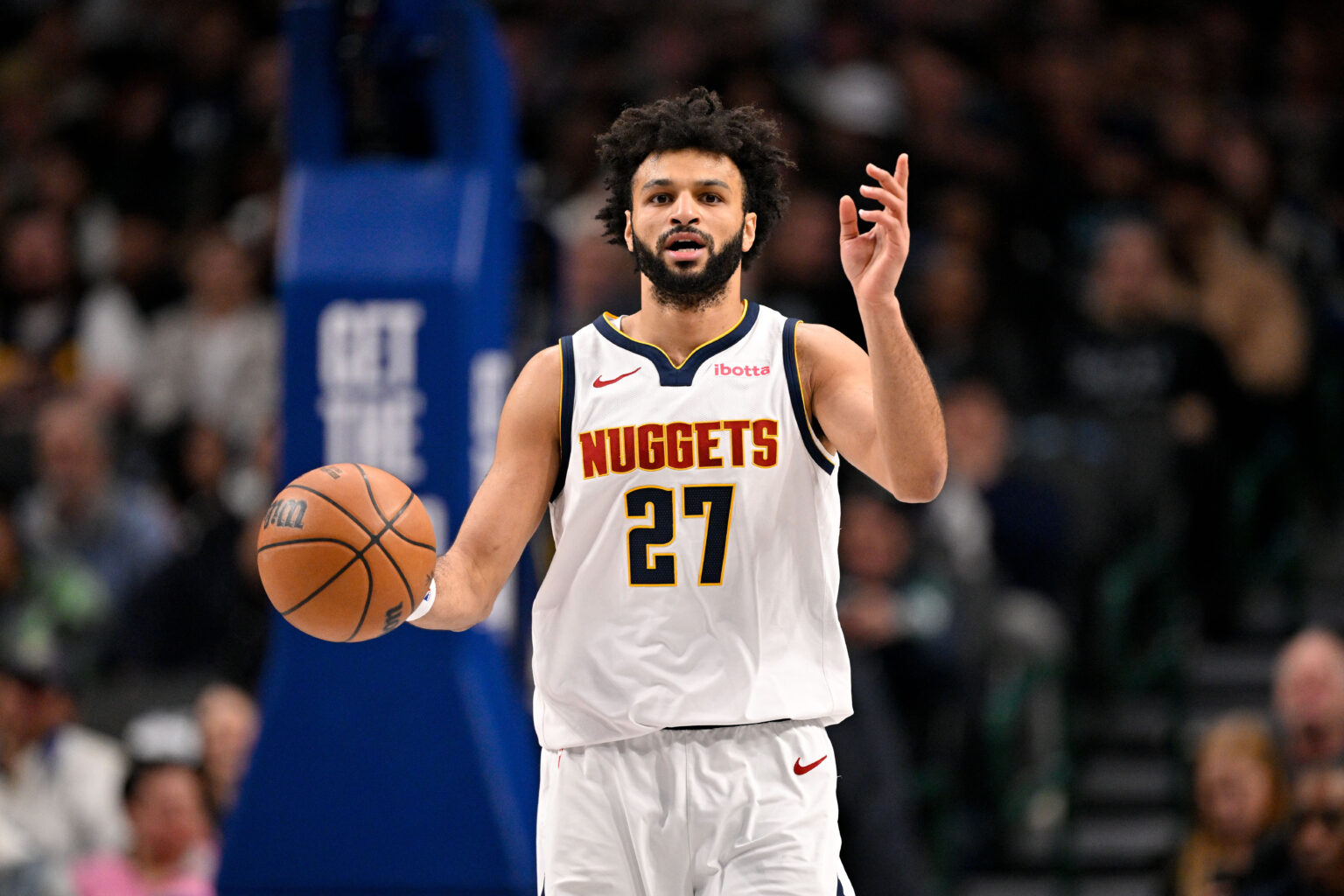
This game never felt frantic, and that’s exactly how Denver wanted it before taking the result 118-109. The Nuggets didn’t rush, didn’t chase style points, and didn’t panic when Dallas hung around. They let the night come to them. Jamal Murray did most of the talking with the ball in his hands, and by the time the fourth quarter arrived, the outcome felt more inevitable than dramatic.
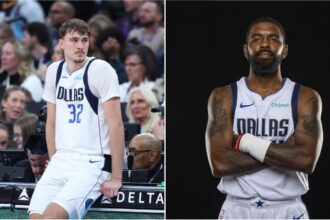
For Dallas, the loss landed heavier than the score. Cooper Flagg’s early exit changed the tone of the game, and the Mavericks spent the rest of the night trying to patch things together on the fly. They fought inside, rebounded well, and lived at the free-throw line, but when the shots stopped falling from outside, everything else unraveled.
1. Jamal Murray Took Over When The Game Needed Direction
Murray finished with 33 points, but this didn’t feel like a high-usage scoring spree. He picked his spots. He let the game slow down. When Dallas switched, he punished it. When they stayed home, he walked into pull-ups. There was no stretch where he looked rushed or impatient, even as the Mavericks made small pushes.
The efficiency mattered just as much as the total. 13-for-24 from the floor, 5-for-5 at the line, five assists, and only three turnovers in 38 minutes. Denver didn’t need hero ball. They needed steadiness. Murray gave them that, possession after possession, and Dallas never found an answer.
2. Denver’s Shooting Gap Decided The Night
You can point to the rebounding edge or the points in the paint if you want, but this game swung at the arc. Denver hit 16 threes. Dallas hit five. The Mavericks kept shooting, kept missing, and kept falling further behind even when they were winning battles elsewhere.
Denver didn’t rely on one shooter either. Aaron Gordon hit three, Peyton Watson knocked down two, Spencer Jones added two, and the floor never shrank. Dallas, meanwhile, went 5-for-34 from deep. That’s not bad luck. That’s a problem, and it erased the value of their 13 offensive rebounds and 66 points in the paint.
3. Cooper Flagg’s Injury Shifted Dallas’ Momentum
Flagg wasn’t lighting up the box score, six points in 15 minutes, but his presence mattered. He moved the ball, cut decisively, and gave Dallas another body Denver had to account for. Once he left with the ankle injury, the Mavericks’ offense tilted.
The ball stuck more. Drives turned into forced finishes. Assists dropped off. Dallas finished with just 16 assists, and too many possessions ended with contested looks late in the clock. Naji Marshall stepped up with 24 points, but the offense lost its balance without Flagg out there.
4. Denver’s Supporting Cast Quietly Did Enough
This wasn’t a bench explosion or a highlight reel night. It was functional basketball. Aaron Gordon scored 22 on 8-of-12 shooting, mixing physical finishes with timely spacing. Peyton Watson added 18 points, stayed aggressive, and didn’t overthink open looks.
The bench minutes held. Tim Hardaway Jr. hit four threes. Bruce Brown filled gaps. Denver finished with 21 assists, didn’t turn the ball over (nine total), and stayed connected defensively. They didn’t dominate every category. They just avoided mistakes, and against a cold-shooting Dallas team, that was enough.