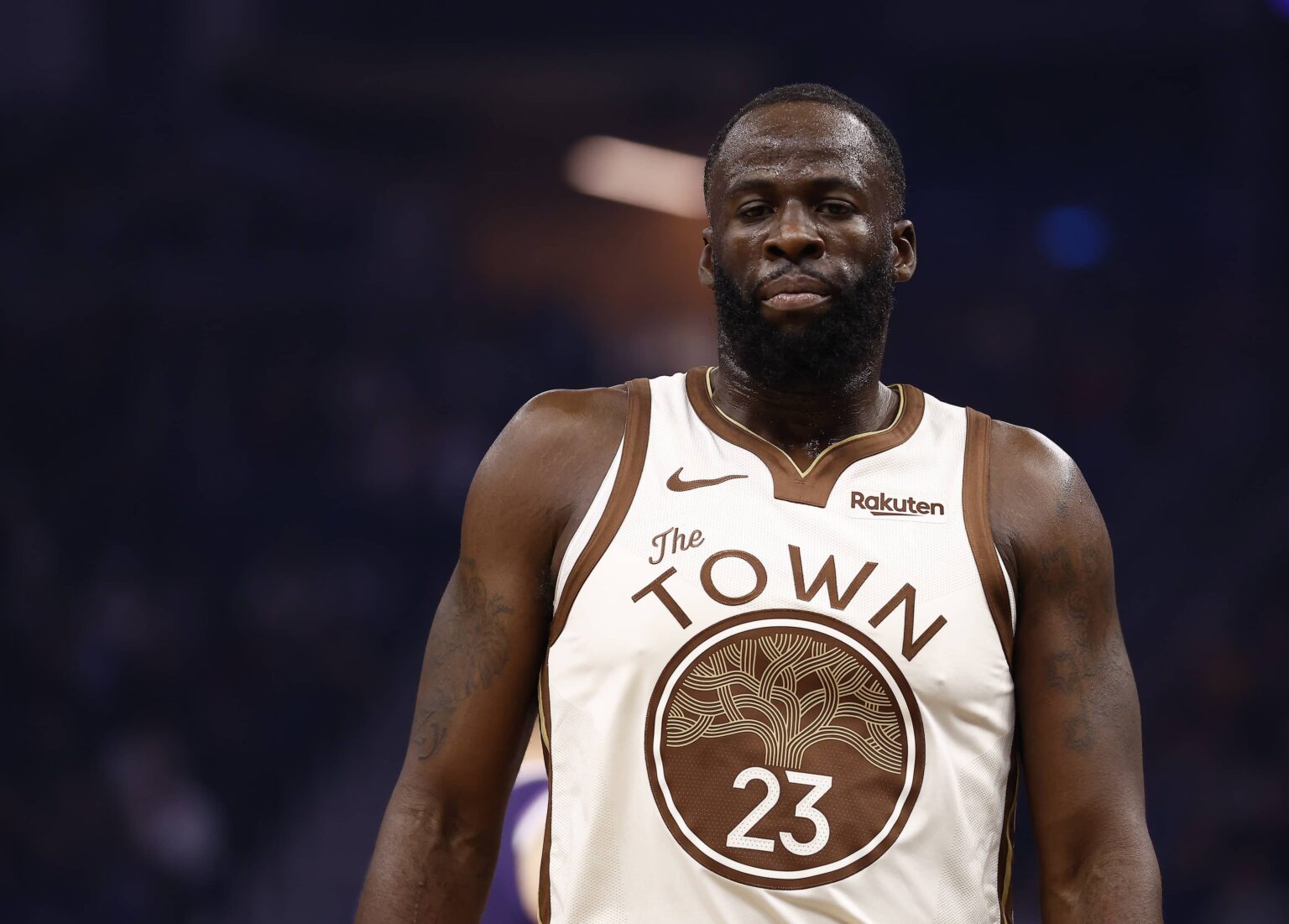
Draymond Green reignited the “dirty player” debate this week when he pushed back hard on the label and framed the distinction in his own terms. On his show, Green said:
“Draymond will f— you up. I’m not dirty. I don’t do dirty things. There’s not a player in the NBA who can tell you Draymond is a dirty player. There are a lot of Europeans who do dirty stuff on the basketball court.”
That quote is exactly why this conversation never dies. In NBA terms, “dirty” isn’t just physicality, it’s repeated borderline actions that create unnecessary risk: contact after the whistle, landing-space plays, off-ball grabs, undercuts, and the kind of “accidental” moments that keep showing up in the same player’s tape.
So this ranking isn’t about who plays the hardest, or who talks the most, or who racks up technicals. It’s about the players whose on-court history and recurring patterns have most consistently put them in the “watch your ankles, watch your landing, watch your ribs” category.
With Green’s comments as the spark, here are the 10 dirtiest players in the league right now, based on reputation, repeat incidents, and how opponents react to them.
1. Draymond Green
Draymond Green’s “dirty” label doesn’t come from normal trash talk or hard fouls, it comes from moments where he goes past basketball contact and into something the league has to punish.
The Domantas Sabonis incident is the clearest example: Green stepped down on Sabonis during that 2023 playoff series, it was ruled a Flagrant 2, and the NBA suspended him one game while explicitly referencing his history.
A few months later, he turned a routine scrum into a headline by grabbing Rudy Gobert around the neck during that Wolves game. The NBA suspended him five games for “escalating” the altercation, which matters because escalation, not just physicality, is the theme that keeps following him.
Then came the Jusuf Nurkic face strike that got him suspended indefinitely, again with the league citing his repeated history of unsportsmanlike acts. That is the rare kind of punishment that basically says the résumé is part of the sentence, not just the one play.
Put those together and the conclusion is unavoidable: with Green, the “dirty” conversation isn’t theoretical. It’s tied to a track record of retaliatory or escalation-driven actions that repeatedly cross into suspension territory.
2. Dillon Brooks
Dillon Brooks gets called dirty because his worst moments look less like “hard defense” and more like “I’m going to make you pay,” especially when the opponent is airborne.
The Gary Payton II play is the signature case: Brooks hit Payton from behind on a breakaway, it was ruled a Flagrant 2, and Payton suffered a fractured elbow. The NBA also suspended Brooks one game without pay.
The other reason Brooks stays on lists like this is the way his physicality turns into unnecessary contact during frustration sequences. The Collin Sexton incident is remembered as Brooks leaping and kicking Sexton in the groin, which was assessed as his 16th technical foul and triggered an automatic suspension under league rules.
Even when the league doesn’t hit him with the maximum penalty, the actions create a pattern: a hard hit, a reaction, and then the game turning into a confrontation story instead of basketball. That is exactly how “dirty” reputations get built and reinforced, because opponents start expecting something extra whenever Brooks is involved in a chaotic possession.
The bottom line on Brooks is that the worst incidents are documented, punishable, and easy to frame: high-risk contact when a player is vulnerable, plus a repeat tendency to let irritation turn into borderline or worse actions.
3. Grayson Allen
Grayson Allen’s reputation comes from the same kind of play repeating in different forms: hard, unnecessary contact that puts opponents in danger.
The Alex Caruso foul is the landmark example: it was ruled a Flagrant 2, Caruso suffered a fractured wrist, and the NBA suspended Allen one game without pay while describing the contact as unnecessary and excessive.
What keeps Allen current, not just historical, is that similar moments keep happening. In December 2025, during the NBA Cup, Allen was ejected after a Flagrant 2 on Chet Holmgren, with him extending both arms and knocking Holmgren off balance before a skirmish broke out.
Allen defenders will argue he’s “just physical,” but the documented problem is that the contact often happens in ways that look avoidable. When the league is repeatedly assigning the harshest in-game foul category, it’s because the action crosses the threshold of normal physical play.
4. Luguentz Dort
Luguentz Dort gets branded dirty because his defense is built on force, and sometimes the force lands in places it can’t land. The clearest documented example is the Daniel Gafford low-blow sequence that resulted in a Flagrant 2 ejection, which is the league’s way of saying the contact wasn’t just excessive, it was unacceptable.\
What makes Dort different from a pure “hustle guy” is how often his style creates these edge-of-control moments, where a collision or swipe becomes the headline because it looks reckless. Once you have a Flagrant 2 ejection tied to a sensitive-area strike, every future hard bump gets read through the worst-case lens.
The reason he ranks above certain “big man” names is that Dort’s identity is perimeter disruption, which means he’s involved in dozens of high-speed contact possessions every night. When a defender lives at full throttle, the ugly incidents stand out more, and they stick longer.
5. Isaiah Stewart
Isaiah Stewart’s “dirty” reputation is really an “enforcer who escalates” reputation, and it’s driven by moments where the fight becomes the story.
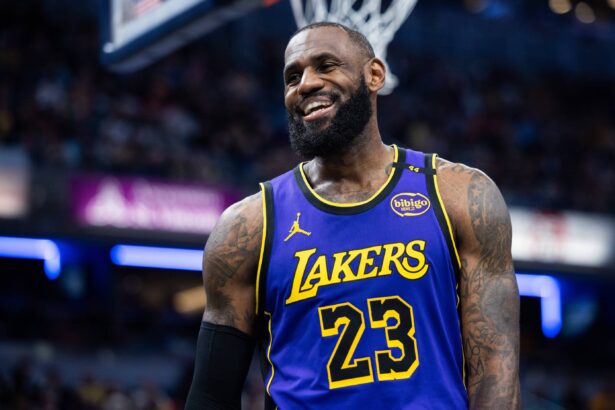
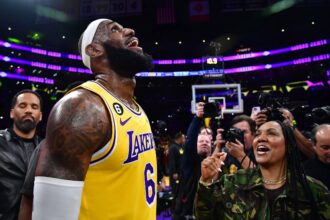
The LeBron James altercation is the defining one: James struck Stewart in the face during that game, Stewart repeatedly pursued him as things spiraled, and the NBA suspended both players, with Stewart receiving two games for escalating the altercation.
The second pillar is the Drew Eubanks incident, because it wasn’t even during play. Stewart was arrested for assault after punching Eubanks at the arena before the Suns game, which is the kind of documented violence that permanently alters how people interpret every hard foul you commit afterward.
Even without a single “cheap shot” highlight that defines his on-court play, Stewart’s worst moments all share the same DNA: emotion turns into action, and action turns into league discipline or law enforcement involvement. That’s why he’s treated as volatile, not just physical.
6. Chris Paul
Chris Paul’s reputation is the “veteran sneaky” kind, the fouls that look calculated, timed, and just a bit too extra when the opponent is vulnerable.
The Giannis Antetokounmpo incident is the modern example: Giannis took exception to Paul’s foul, ended up on the floor, and the confrontation continued after the whistle and into postgame comments.
If you want something formally documented by the league office, the Jose Alvarado kick is the one. The NBA assessed a retroactive Flagrant 1 to Paul after league review, which tells you the action was serious enough that it couldn’t be left as “play on.”
And the reason Paul’s name never disappears from these discussions is that those moments fit a long-standing pattern: when he’s frustrated, he’ll use contact as a message, not just a basketball play. That’s why opponents often talk about him as a guy you have to watch for late-game extra stuff.
7. Joel Embiid
Joel Embiid lands on these lists because when he crosses the line, it’s usually on a huge stage and it looks retaliatory. The Nic Claxton kick is the clean, documented example: Embiid lashed out with a kick early in that playoff game, and the officials assessed a Flagrant 1 after review.
Then there’s the Mitchell Robinson playoff foul that the Knicks publicly called “dirty,” with ESPN framing it from Knicks players after the flagrant was assessed. That kind of opponent-on-the-record accusation is exactly what turns an incident into a reputation marker.
The key point with Embiid is that these are not “plays hard” examples, they’re emotion examples. They read like frustration boiling over, where his size turns a retaliatory act into something that looks dangerous immediately.
8. Marcus Smart
Marcus Smart’s reputation is built on “winning plays,” but the dirty accusations come from moments where the physicality looks like it’s targeting a body part.
In October 2025, Smart was called for a flagrant after hooking and twisting Stephen Curry’s arm in the season opener, and the play instantly reignited the idea that Smart crosses into injury-risk contact.
That wasn’t a standalone controversy either, because Smart is also tied to the 2022 loose-ball dive that injured Curry’s foot, a moment where Smart dived and landed on Curry’s leg as Curry exited shortly after.
The reason these incidents matter is that they aren’t standard hard fouls. They’re “the vulnerable area got caught” plays, and those are the ones that create league-wide grudges because one wrong angle changes a season.
Smart’s competitiveness is real, but the documented history includes multiple moments involving the same star where the contact looked unnecessary and high risk, which is exactly how a dirty label attaches itself to an elite defender.
9. Jose Alvarado
Jose Alvarado isn’t typically described as “dirty” in the same way as the top names here, but he’s absolutely associated with chaos because his intensity can spill into altercations.
The Mark Williams fight is the current-season anchor: the NBA suspended Alvarado two games for his role in an on-court fight, with official releases laying out how the confrontation escalated after the foul.
What makes Alvarado a fit for this conversation is that his entire style is built on harassment defense, full-court pressure, and constant contact on ball handlers. When that style meets a bigger, angrier opponent, the conflict point is obvious, and sometimes it turns into punches instead of possessions.
And when a player has an official suspension tied to a fight, it gives writers a clean way to separate “pest” from “dirty.” You can acknowledge he’s not a cheap-shot artist, while still pointing to a documented incident that shows how quickly things can escalate around him.
10. Moritz Wagner
Moritz Wagner’s name shows up in dirty conversations because he’s an instigator who turns routine contact into bench-clearing messes.
The most documented incident is the Pistons-Magic altercation where Wagner’s shove helped spark the fight, and the NBA suspended him two games without pay as part of the discipline package.
Wagner doesn’t have the same catalog of high-risk airborne hits as the guys near the top, but he has something else: repeated evidence that his actions escalate situations. That’s why opponents and fans view him as someone who “starts stuff,” even when the original contact is just a hard foul.
Wagner is less “dangerous finisher” and more “chaos accelerant,” and the league-documented suspensions are enough to justify him being included even if his brand is different from the classic cheap-shot archetype.